World's Safest Countries in 2026: Did India make it to the top 10? Here's where it ranks

The Global Peace Index 2026 has ranked the world's safest countries, with Iceland retaining the top spot. Here's the complete top 10 list and where India ranks.

World's safest countries as per Global Peace Index 2026
In 2026, global peace has continued to decline, according to the latest Global Peace Index (GPI) 2026 released by the Institute for Economics & Peace (IEP). The report notes that "the world has continued its longstanding trajectory of deteriorating peacefulness, with armed conflict the dominant driver of the decline". According to the report, the world is experiencing its highest number of active state-based conflicts since the end of World War II, while the number of countries involved in external conflicts has nearly doubled since 2008.
The index ranks nations using indicators such as levels of conflict, public safety, militarisation, political stability and international relations. Here are the 10 countries that emerged as the world's most peaceful destinations in 2026.
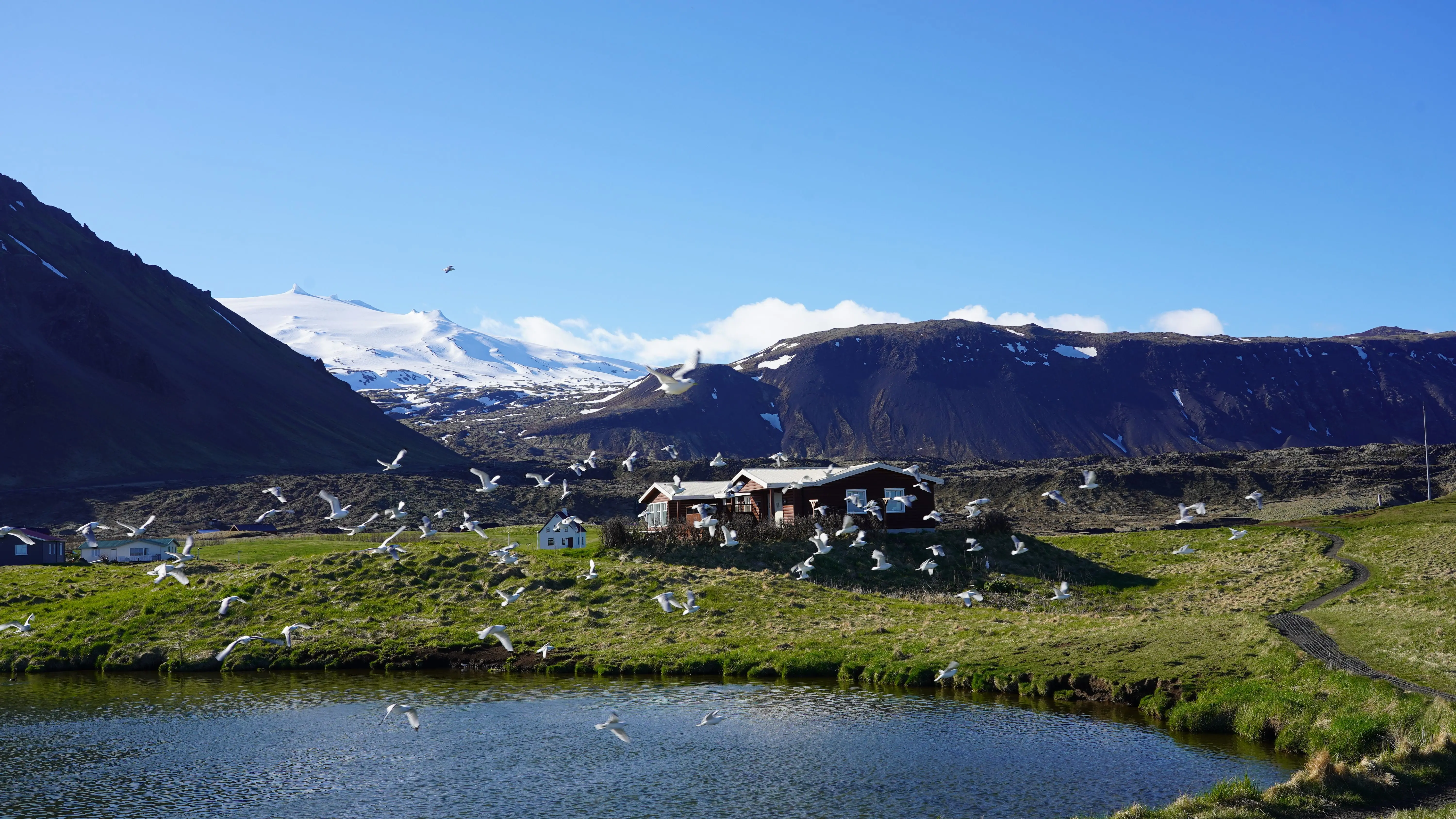
1. Iceland
For the 18th consecutive year, Iceland has retained its position as the world's most peaceful country. The island nation benefits from extremely low crime rates, strong social trust and the absence of a standing military. Its combination of safety, stability and quality of life continues to set the global benchmark.
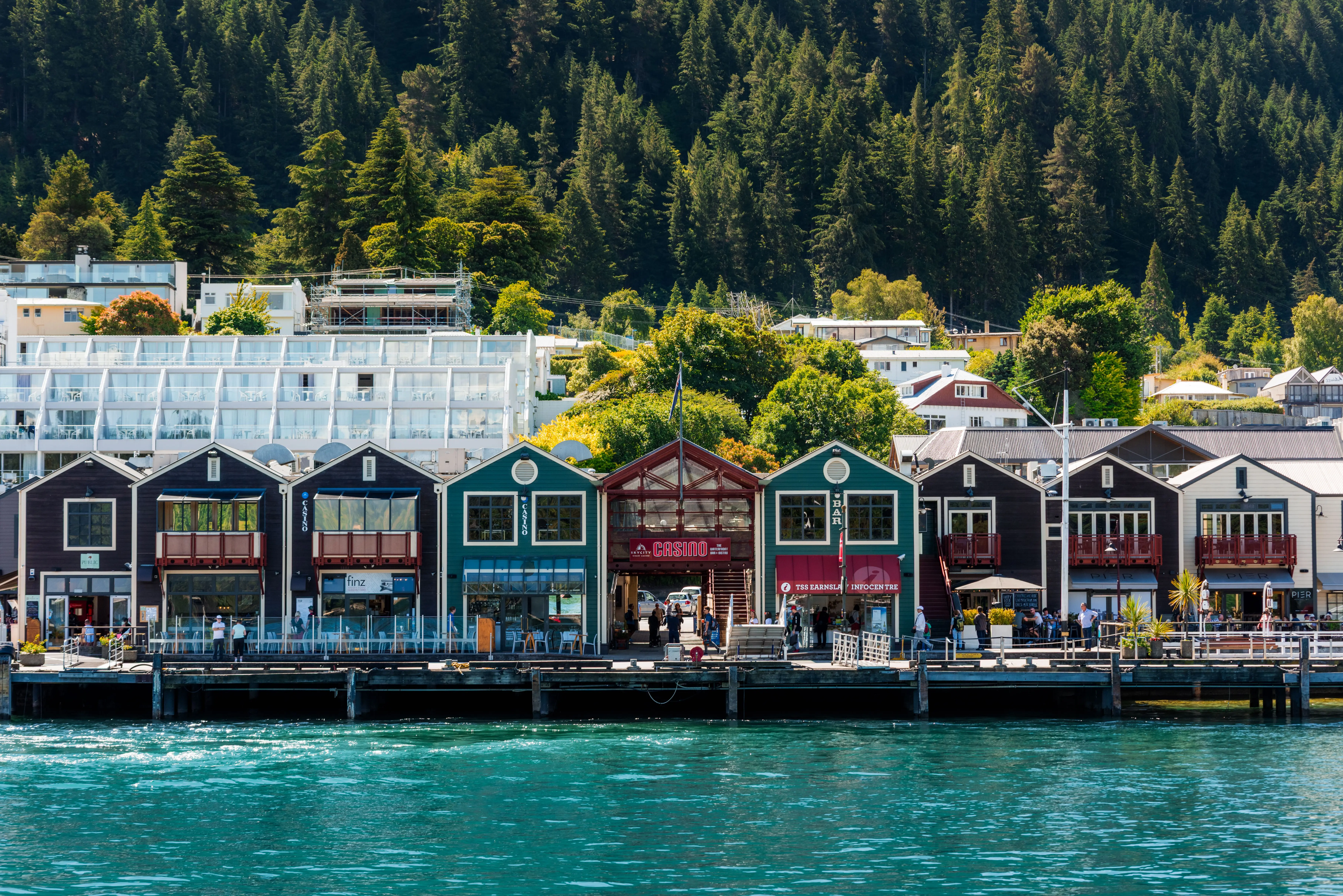
2. New Zealand
New Zealand climbed one spot to secure second place this year. The country recorded a slight improvement in its overall peace score and remains one of the strongest performers in measures related to safety, security and internal stability. It is also the highest-ranked country in the Asia-Pacific region.
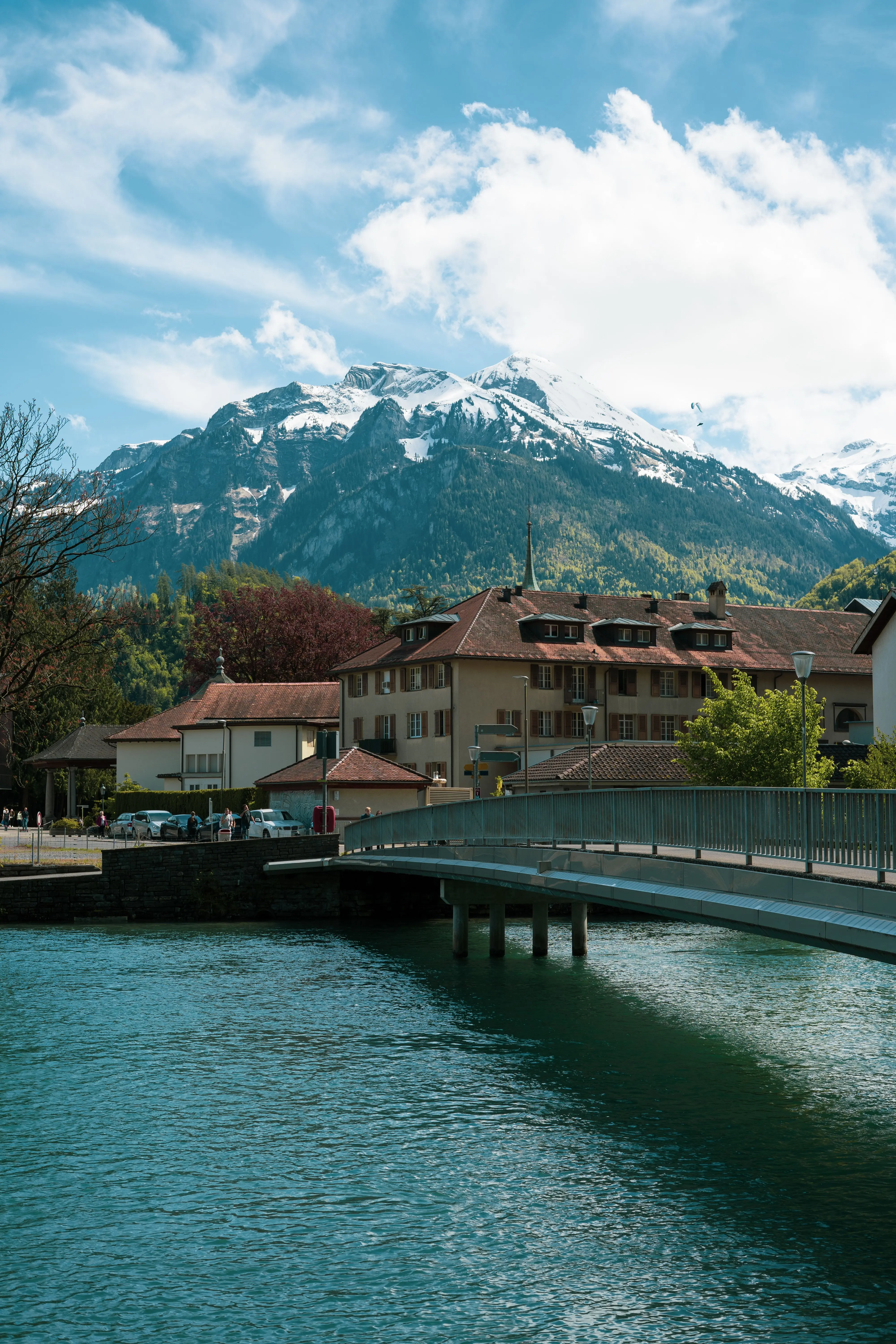
3. Switzerland
Switzerland once again featured among the world's safest nations, taking third place. Long known for its political neutrality, strong institutions and high standard of living, the country continues to enjoy low levels of violence and social unrest.

4. Slovenia
Slovenia secured fourth position thanks to its low crime rates and stable social environment. The Central European nation has steadily built a reputation as one of Europe's safest destinations, attracting growing numbers of visitors each year. Notably, the country has a crime rate of only around 5.4 crimes per 100,000 people.

5. Ireland
Ireland rounded out the top five despite slipping from second place in last year's rankings. The country continues to record low homicide rates and remains one of the safest destinations in Europe for both residents and tourists.
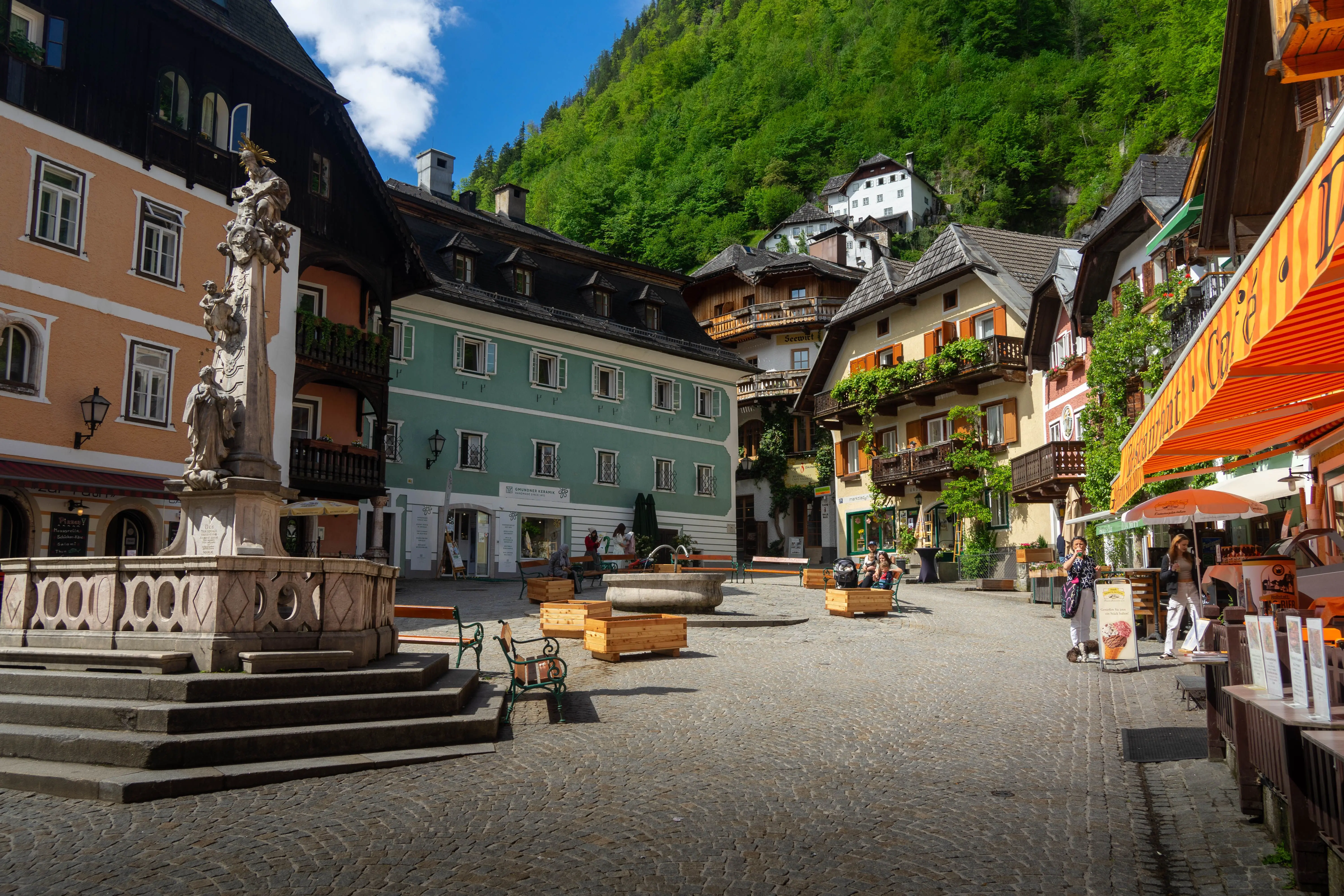
6. Austria
Austria narrowly missed out on the top five but maintained its place among the world's most peaceful countries. The nation performs particularly well in measures linked to social stability, governance and public safety.

7. Portugal
Portugal's popularity among expatriates and international travellers is matched by its strong performance in global safety rankings. Low levels of violent crime and a stable social environment helped it secure seventh place.
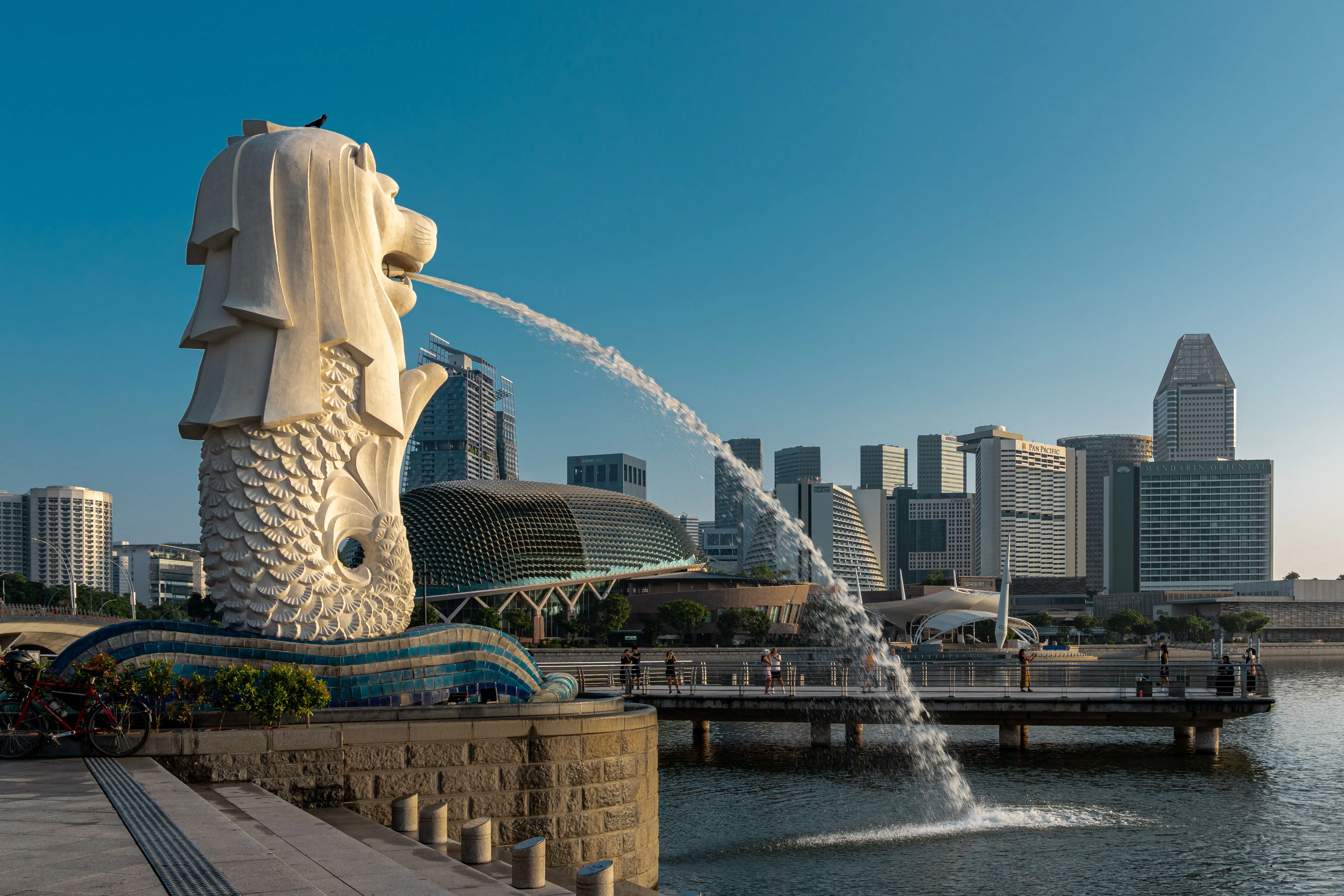
8. Singapore
Singapore ranked eighth overall and was among the strongest performers in Asia. Strict law enforcement, low crime rates and high public security continue to make the city-state one of the safest places in the world.
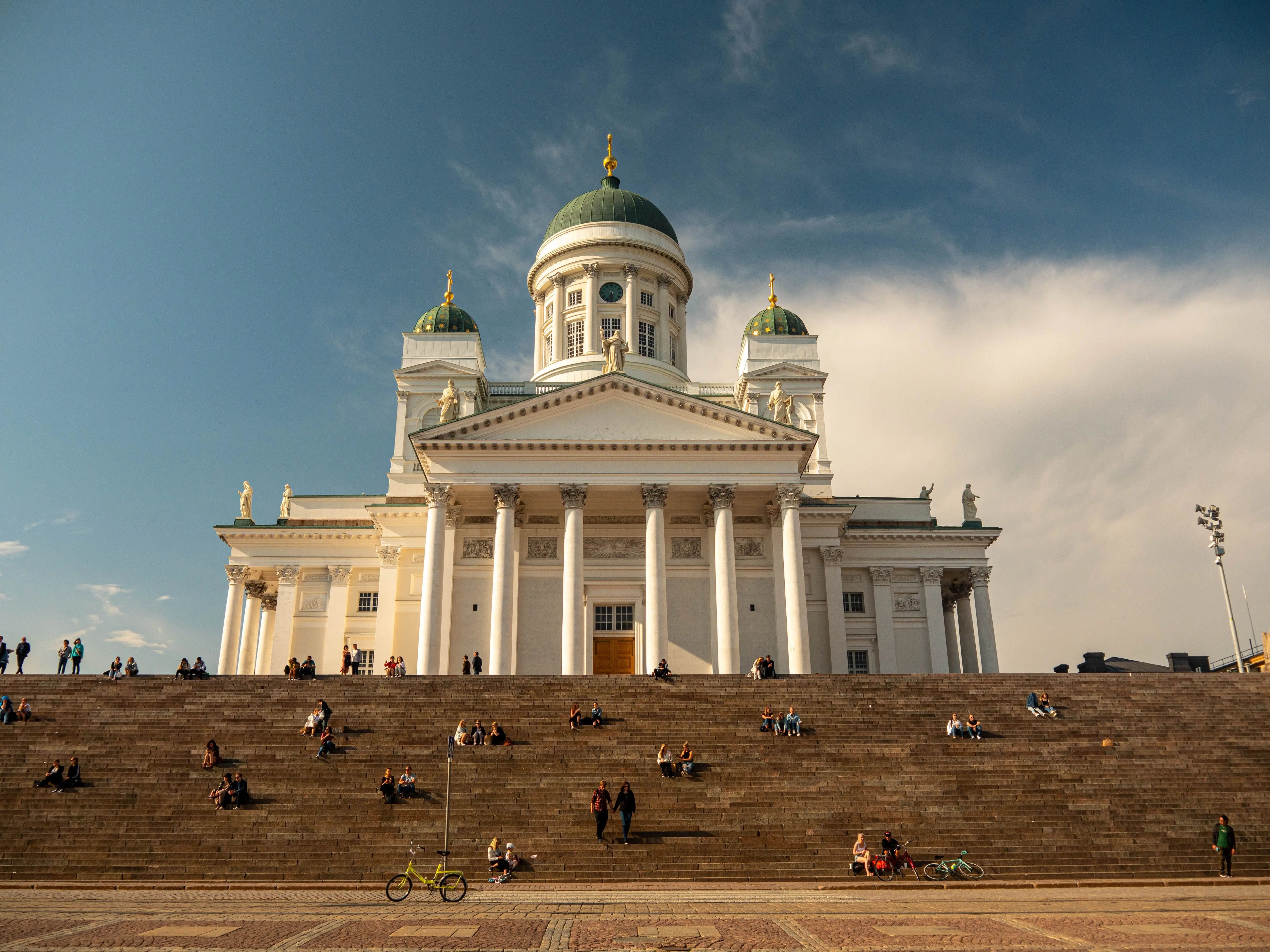
9. Finland
Finland claimed ninth place, reflecting its reputation for safety, social trust and quality of life. The Nordic nation also performs exceptionally well in measures related to societal security and internal peace.
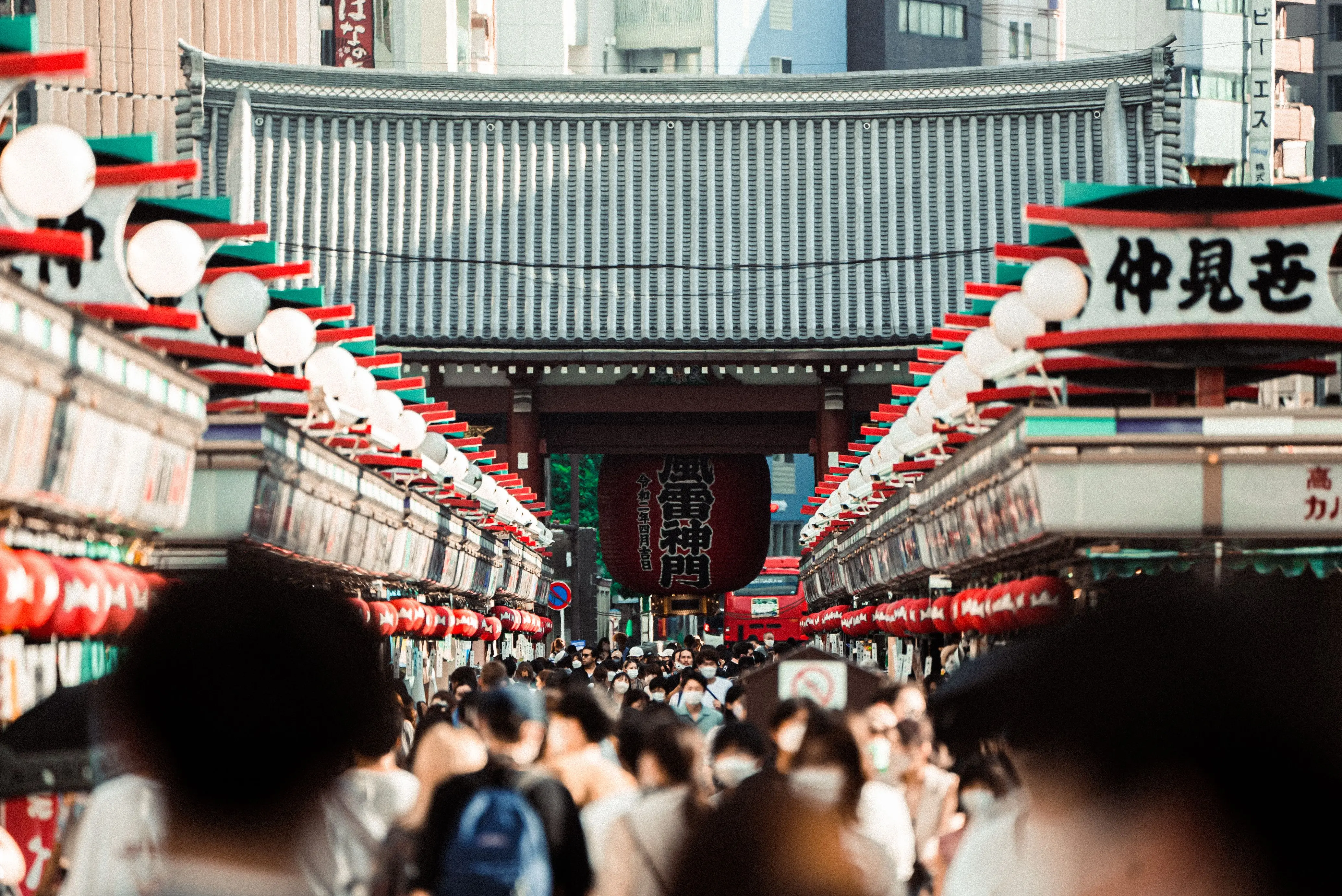
10. Japan
Japan completed the top 10 after improving its overall score this year. The country's gains were driven by stronger performance in conflict-related indicators, although the report noted increased military spending as a factor affecting its broader peace profile.
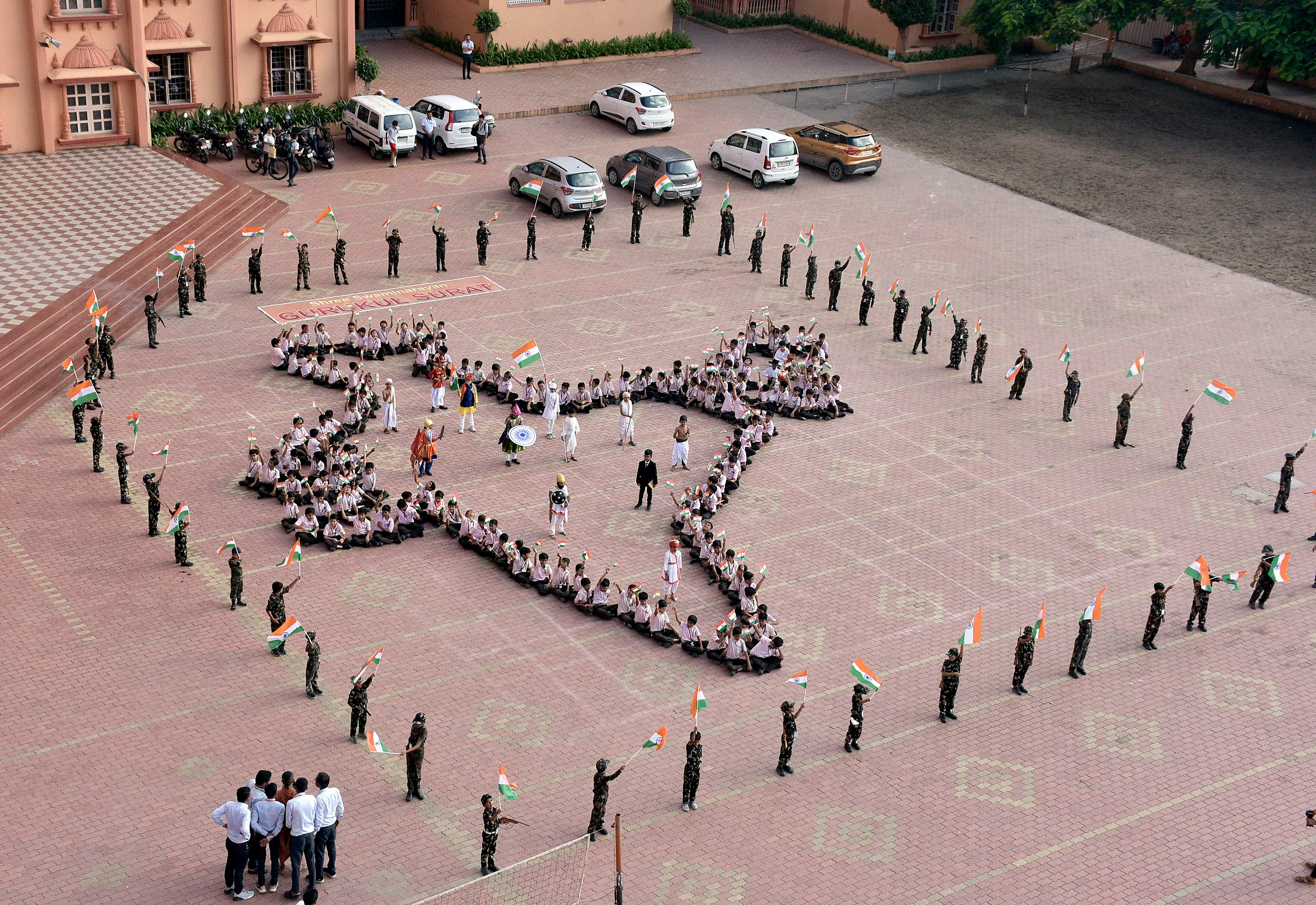
What about India?
In 2026, India slipped to 127th place from 115th (2025) in the Global Peace Index (GPI) after its overall peacefulness score deteriorated by 2.9 per cent compared to the previous year.
According to the report, the decline was largely driven by a worsening score in the "Ongoing Conflict" category, which deteriorated by 9.2 per cent. Two key factors contributed to this drop: an increase in deaths linked to internal conflicts and a sharp deterioration in relations with neighbouring countries.
The index noted that India's relations with neighbouring states worsened significantly during the assessment period, particularly amid heightened tensions with Pakistan and instability along the Myanmar border. The report also highlighted the continuing ethnic violence in Manipur as a major factor affecting India's ranking. Clashes between the Meitei community and the Kuki-Zo groups, which began in May 2023, continued through 2025.
)
)
)
)
)