World’s most widely used illicit drug: What is Marijuana and why its popularity keeps rising

While the change is expected to expand opportunities for medical research and improve treatment access, it does not legalise marijuana under federal law
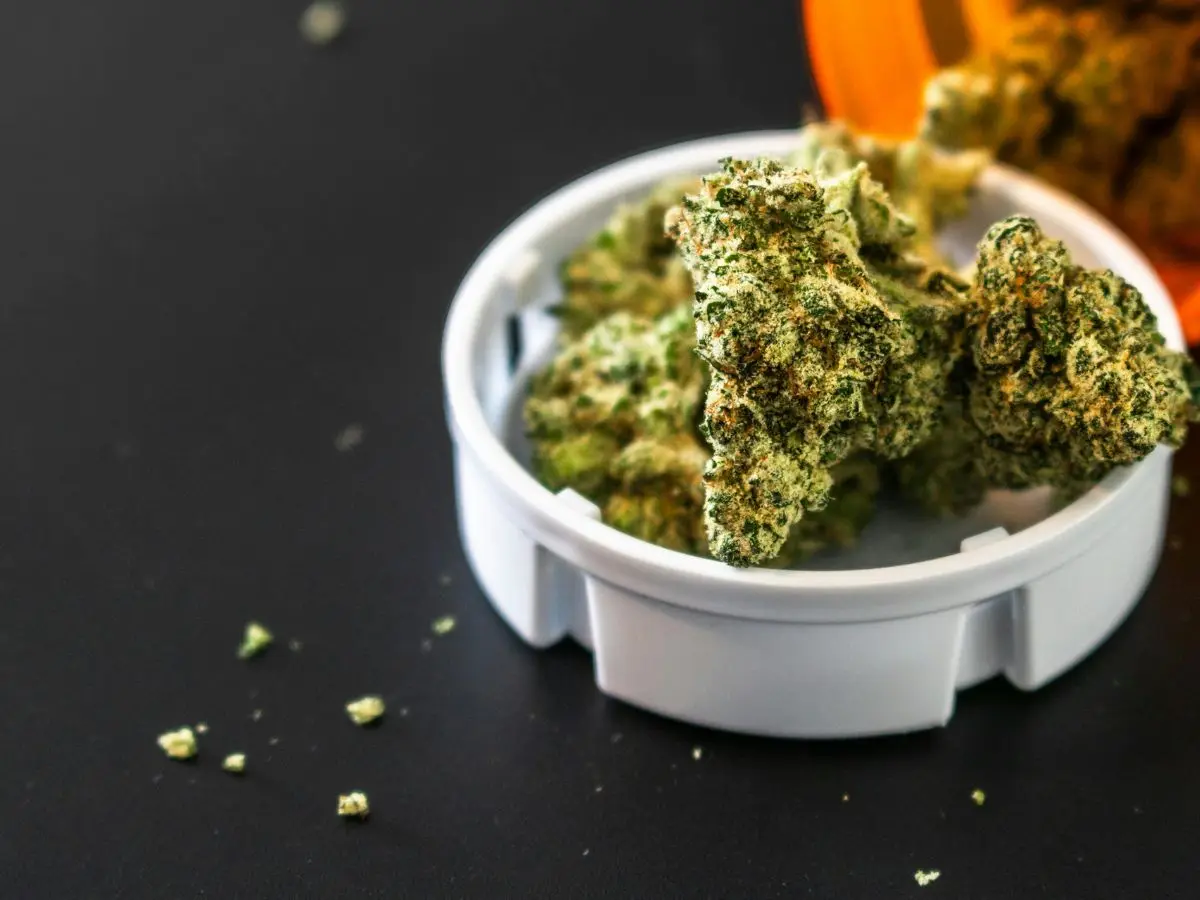
Movement into a class of drugs with fewer restrictions
US President Donald Trump administration has moved to reclassify state-licensed medical marijuana as a less dangerous substance, marking a notable shift in US drug policy. The order, signed by acting Attorney General Todd Blanche, signals a step towards broader federal acceptance of cannabis, one of the country’s most widely used substances. While the change is expected to expand opportunities for medical research and improve treatment access, it does not legalise marijuana under federal law. Recreational cannabis remains classified as a Schedule I drug, although the Drug Enforcement Administration is set to review that status in forthcoming hearings possibly moving it to Schedule III.
Defining a global substance
Marijuana, often used interchangeably with cannabis, refers specifically to the dried leaves, flowers and stems of the cannabis plant containing psychoactive compounds such as THC. While cannabis is the broader botanical term, marijuana denotes the consumable form associated with intoxicating effects, including euphoria, altered perception and relaxation, as documented by the US National Library of Medicine.
A scale unmatched by other drugs
Marijuana remains the most widely used illicit drug globally. According to the World Health Organisation, around 147 million people, or 2.5 per cent of the world’s population, consume cannabis annually, far exceeding cocaine and opiate use, each at roughly 0.2per cent. According to the US Centers for Disease Control and Prevention, 52.5 million people, or about 19 per cent of Americans, used it at least once in 2021.
Rising use in the United States
Survey data of the federal Substance Abuse and Mental Health Services Administration shows that more than 64 million Americans aged 12 and older, about 22 per cent of the population, used marijuana in 2024, up from 19 per cent in 2021. Despite federal illegality, millions have also been arrested for possession over time, even as legal cannabis markets expand.
Changing public attitudes
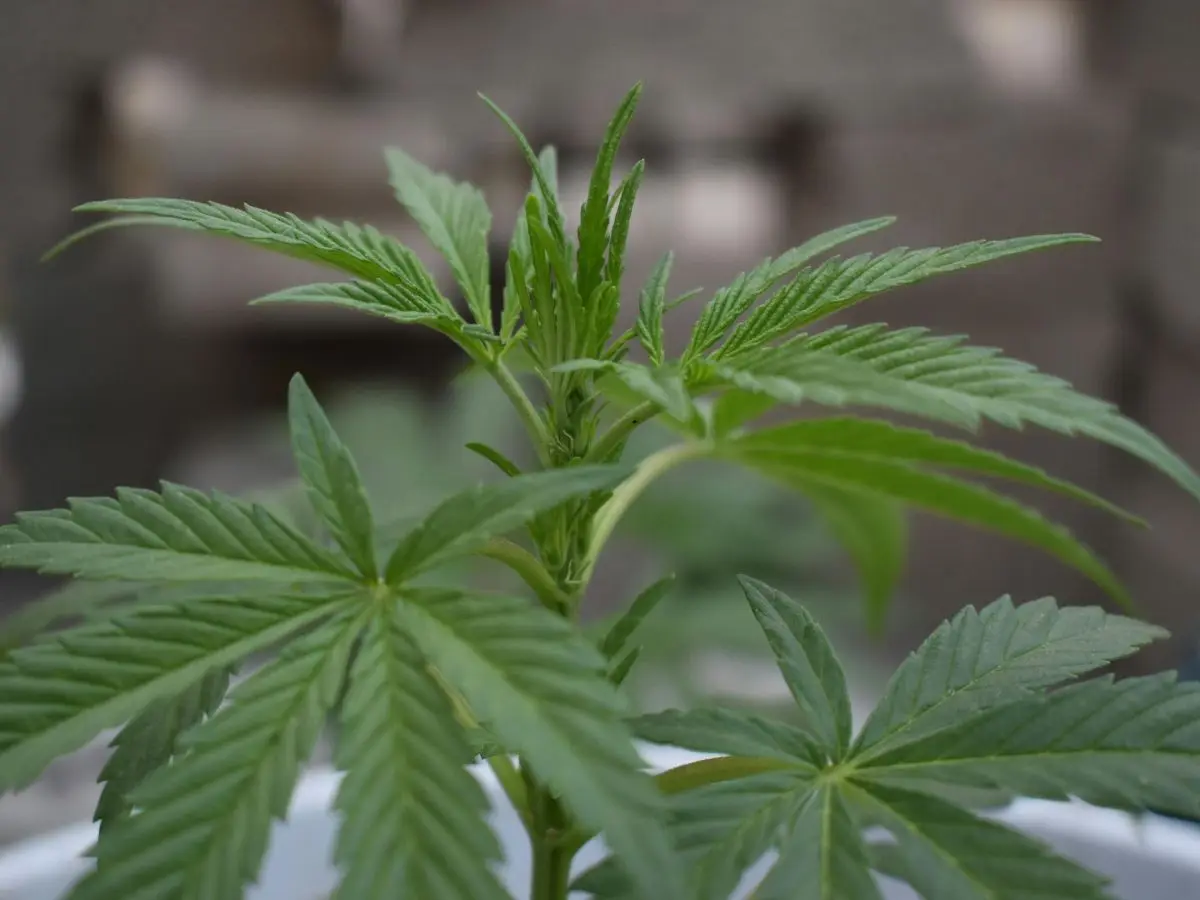
Public opinion has shifted markedly. Associated Press reports that support for legalisation in the United States rose from 23 per cent in 1985 to 64 per cent in recent Gallup polling. However, this support has softened slightly, particularly among Republicans, where backing fell from 55 per cent to 40 per cent since 2023. Democratic support remains high at 85 per cent, reflecting a persistent political divide.
Legal expansion and perception of risk
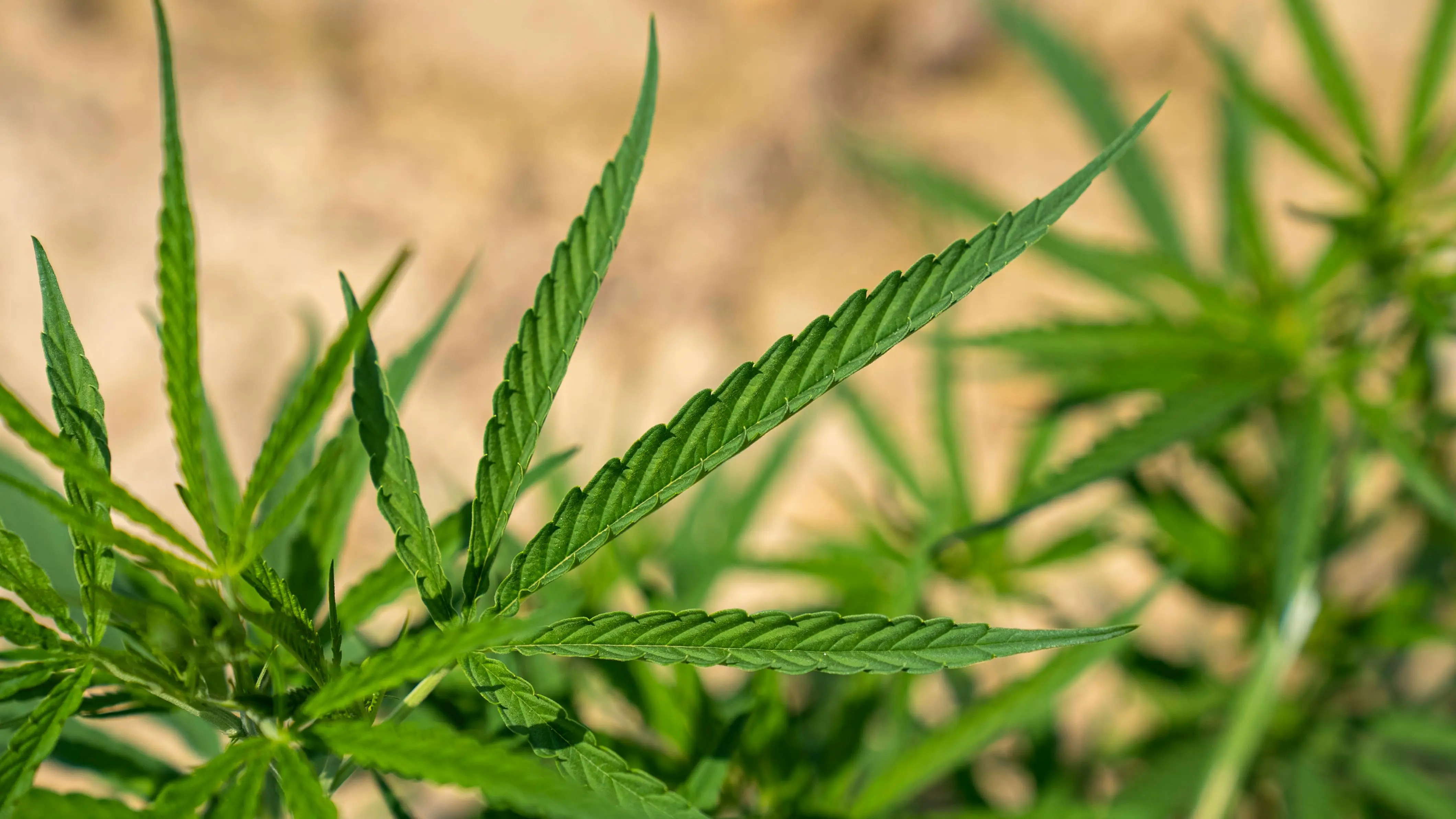
The spread of legalisation has influenced public perception. Medical marijuana is now permitted in most US states, with many also allowing recreational use. Dr Smita Das, an addiction psychiatrist at Stanford University, told AP, “We’ve already had kind of a decrease in risk perception related to cannabis over the years… and this will probably just add to that.”
Concerns over health and potency
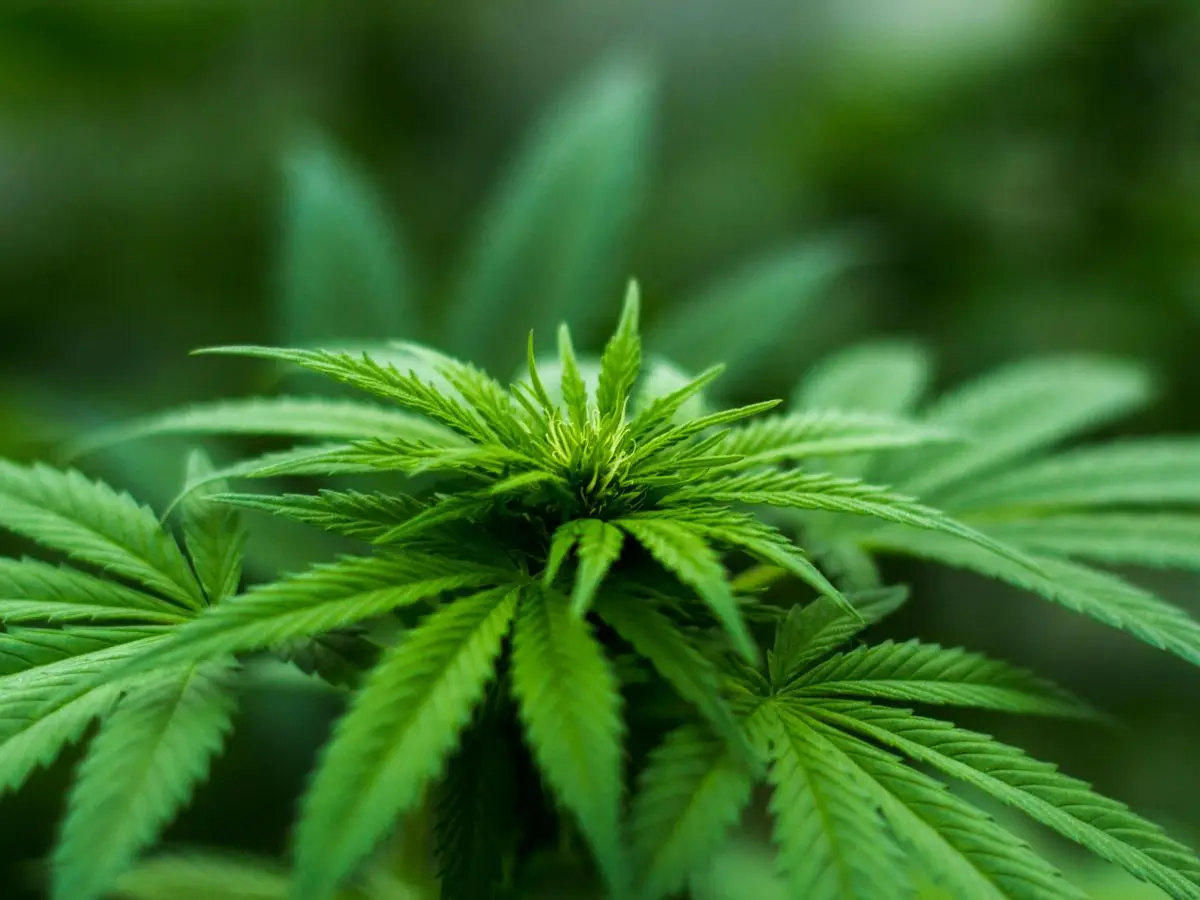
Critics continue to warn of risks. Recent research suggests that around three in ten cannabis users may develop cannabis use disorder. Dozens of Republicans in Congress objected in December when Donald Trump ordered the Justice Department to loosen regulations. Reaction was more muted on Thursday, but Senator Tom Cotton, a Republican from Arkansas, argued that modern marijuana is “much more potent than just ten or twenty years ago”, linking it to “increased psychosis, anti-social behaviour and fatal car crashes”.
A complex and evolving landscape
Globally, cannabis is the most cultivated and trafficked illicit drug, accounting for roughly half of all drug seizures. Its widespread availability, evolving legal status and shifting public attitudes have reinforced its prevalence. While acceptance has grown, debates over health, regulation and long-term impact remain central to its global trajectory.
)
)
)
)
)