World’s most expensive electricity in 2025: These 7 countries pay the highest rates per kilowatt-hour

While an average household in Ireland pays close to half a US dollar per kilowatt-hour, residents in countries like Russia pay almost ten times less.
Introduction
Electricity prices in 2025 reveal an extraordinary global divide. While an average household in Ireland pays close to half a US dollar per kilowatt-hour, residents in countries like Russia pay almost ten times less. This list breaks down the seven most expensive electricity markets, based on Statista’s global price comparison. Each country faces its own mix of policy decisions, tax structures, infrastructure challenges, and resource constraints, all of which shape the final price on household bills.

Ireland: around 0.45 USD/kWh
Ireland tops the global ranking for household electricity costs. Prices are driven by high grid fees, dependence on imported fossil fuels, and policy-driven levies tied to renewable energy development. Despite strong renewable energy goals, Ireland’s grid still struggles with capacity bottlenecks and storage issues, making electricity among the most expensive in the world.
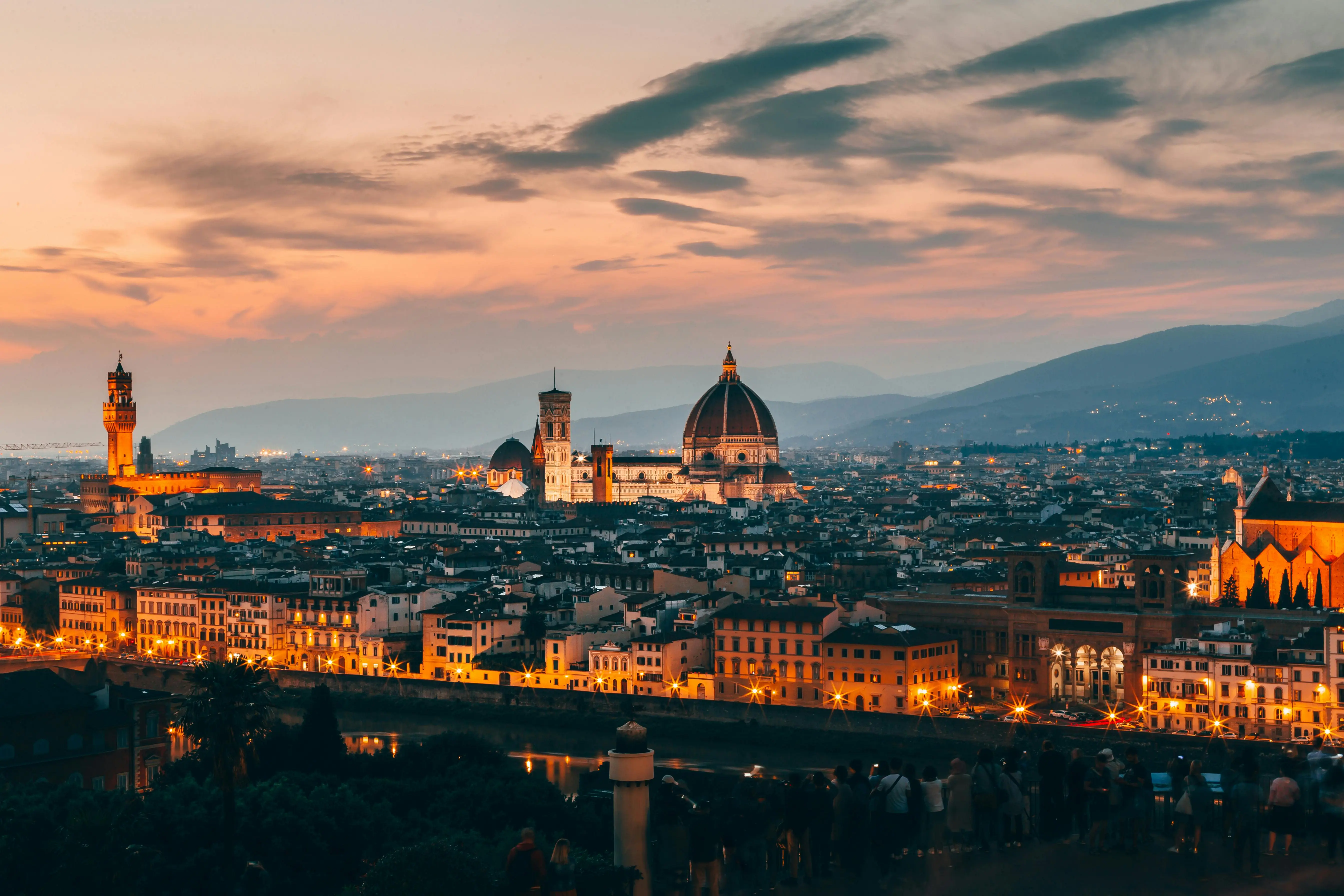
Italy: around 0.43 USD/kWh
Italy follows closely behind. Its electricity system depends heavily on imported gas, making prices vulnerable to global energy markets. Taxes and system charges further elevate costs, and although investment in solar capacity has grown sharply, consumers continue to bear some of the highest end-user charges in Europe.
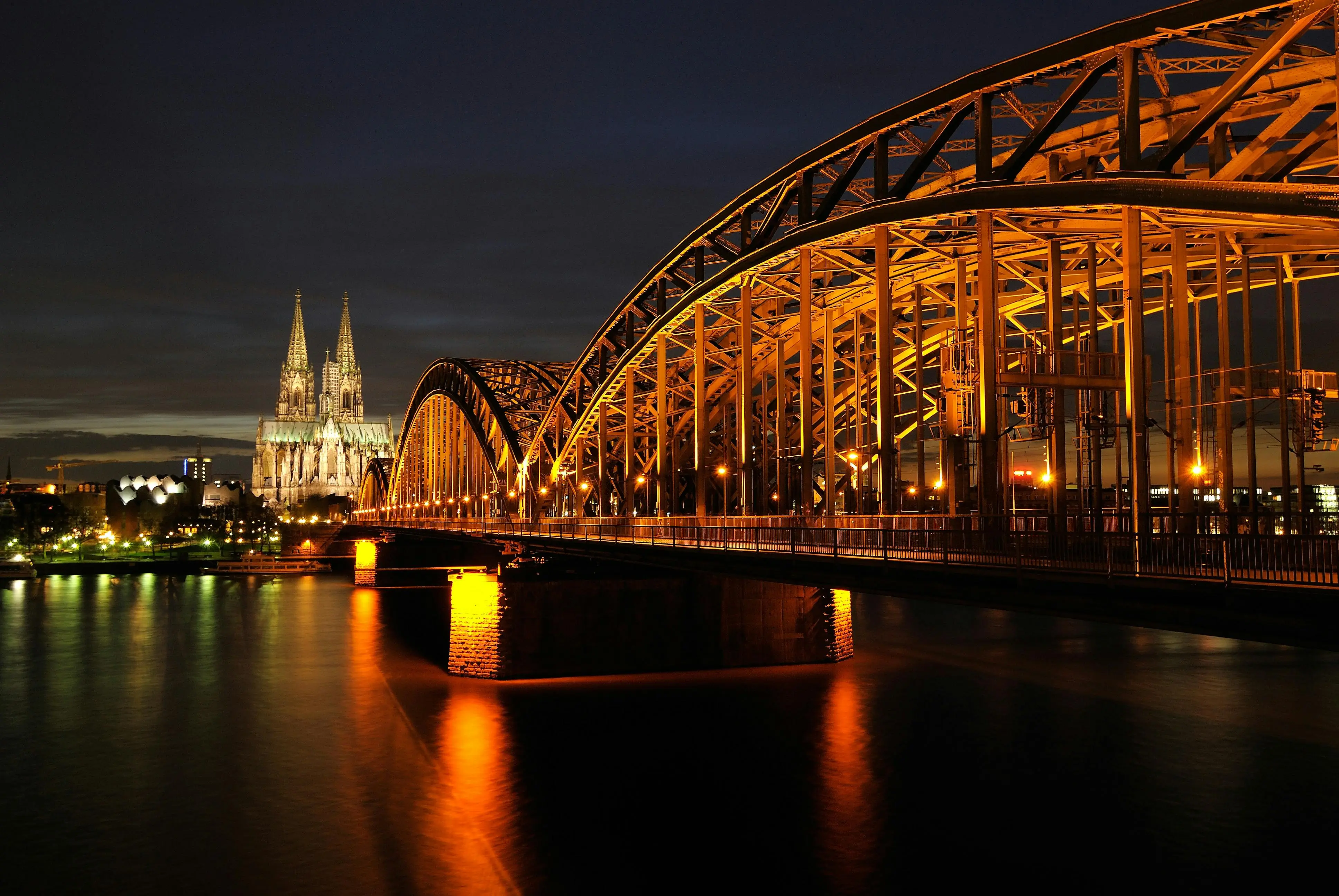
Germany: about 0.40 USD/kWh
Germany’s energy transition, and particularly its reliance on subsidies, levies, and renewable support schemes, has long inflated power prices. Taxes and grid charges can make up nearly half of a typical household bill. Germany’s plan to remove coal and nuclear from its energy mix has intensified pressure on consumers, even as renewable capacity increases.
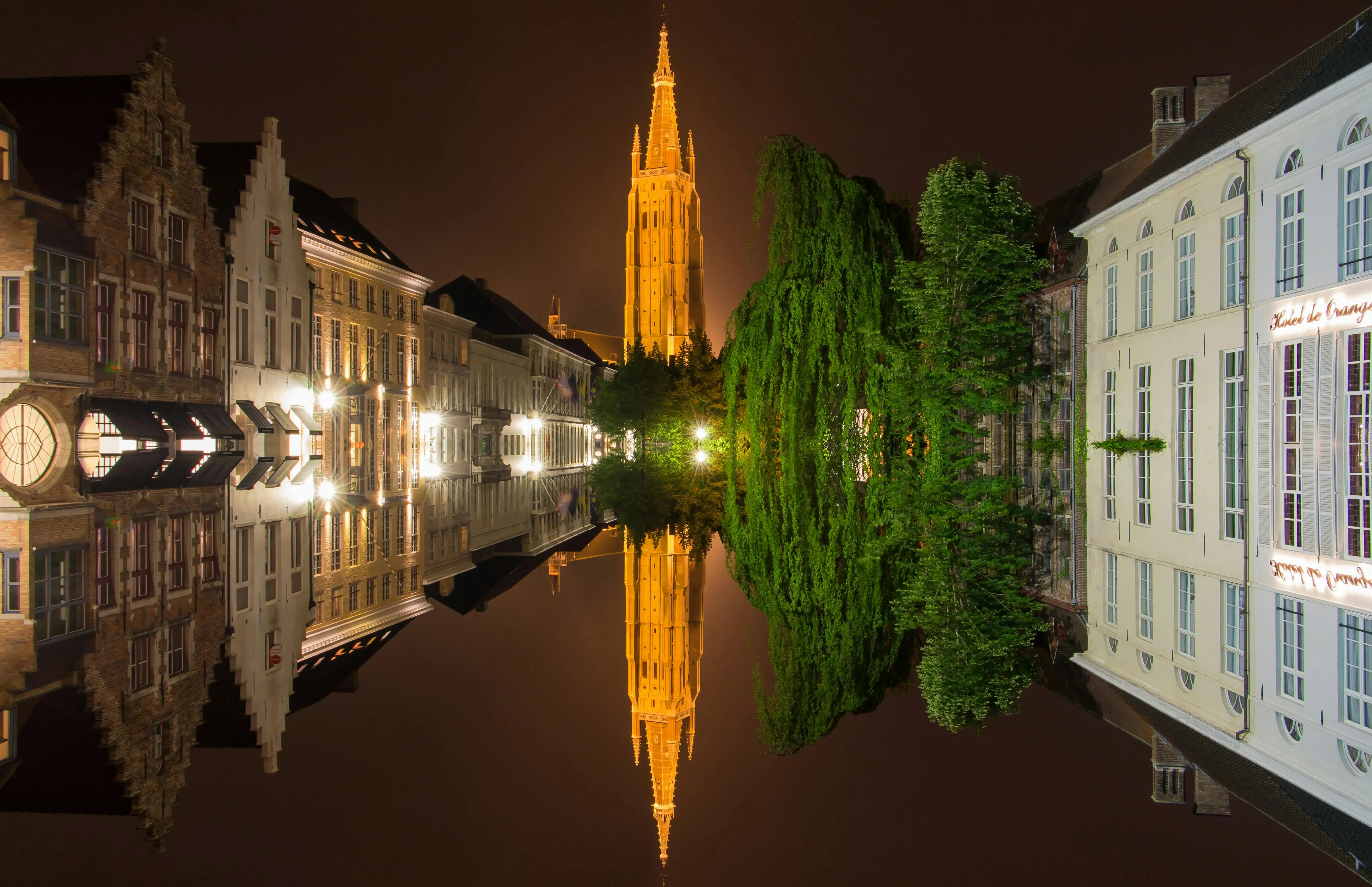
Belgium: roughly 0.40 USD/kWh
Belgium’s electricity costs are driven by high distribution tariffs and taxation. Although the country has access to nuclear power, grid charges and policy levies keep consumer prices high. Belgium is also heavily interconnected with neighbouring markets, meaning wholesale fluctuations quickly impact household rates.
Denmark: around 0.40 USD/kWh
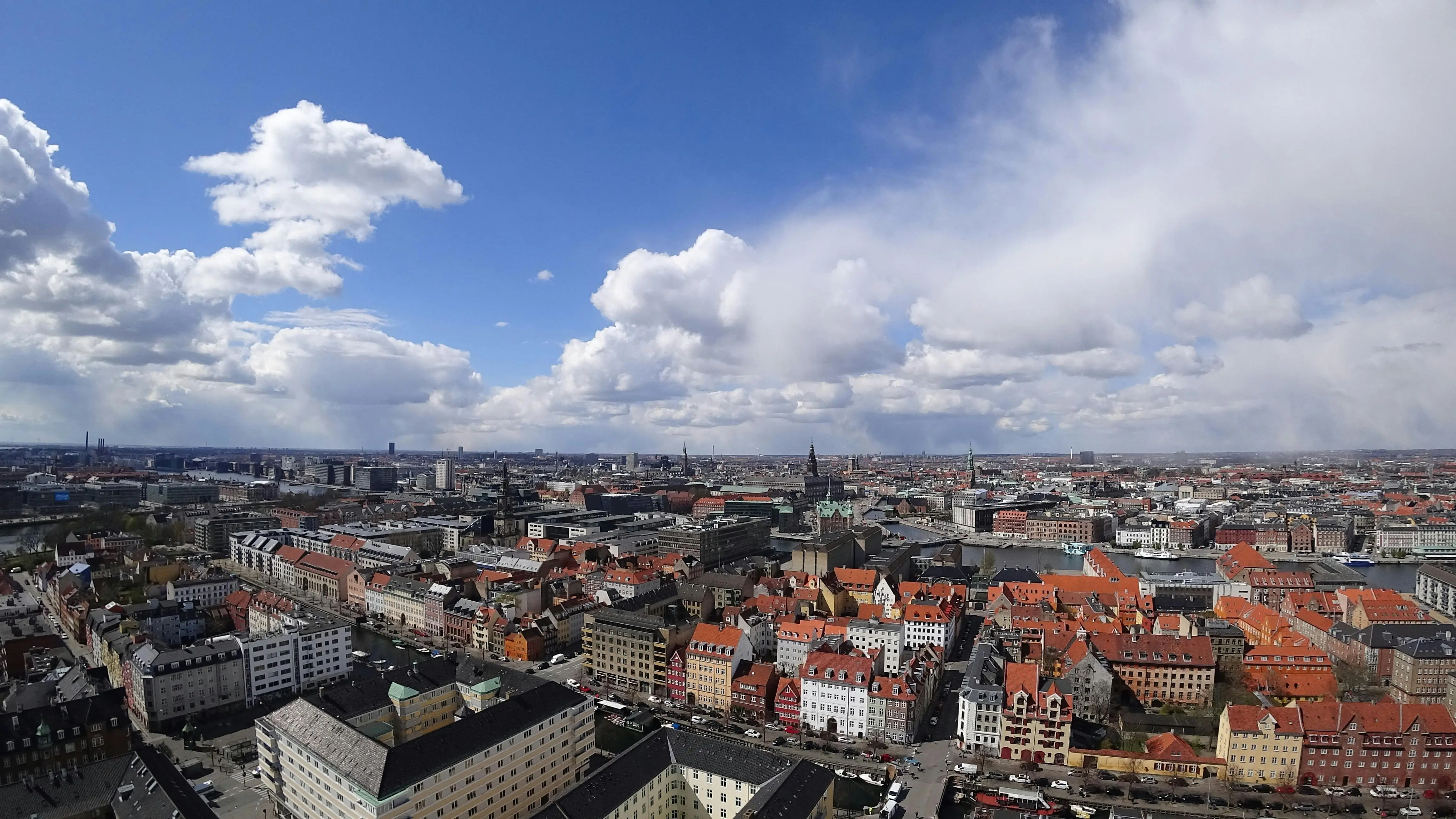
Denmark is a renewable energy leader, but Danish consumers pay some of the highest electricity prices in the world due to taxes, which in some cases account for more than half of the final bill. The upside: a large share of this revenue helps finance clean energy and grid upgrades, but household prices remain steep.
Sweden: about 0.36 USD/kWh
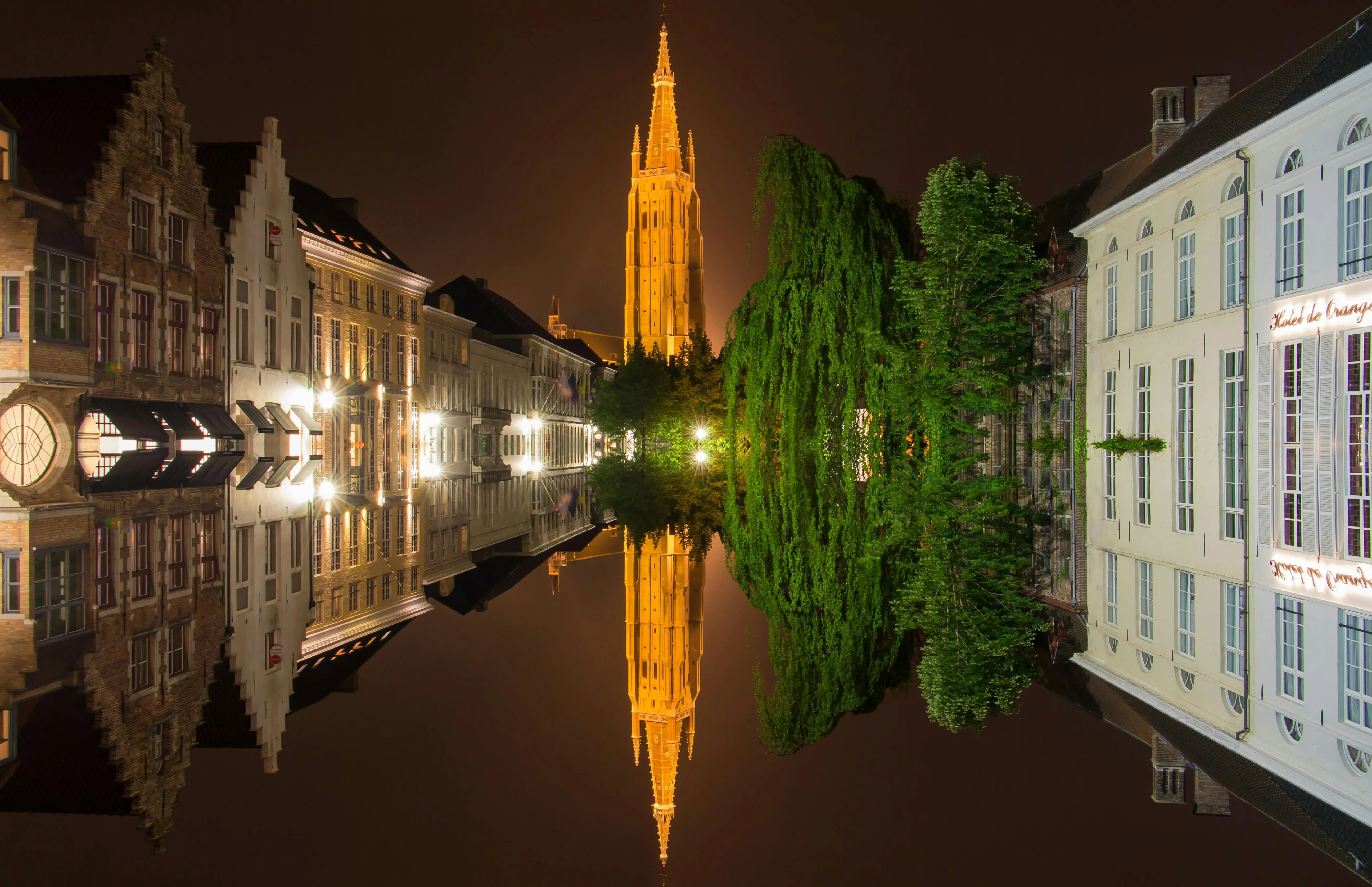
Sweden generates significant hydro and nuclear power, yet its household electricity prices are high because of tax policies and transmission constraints between northern suppliers and southern demand centres. Despite cheap generation costs, distribution and taxes push the final kWh price into the global top tier.

Japan: roughly 0.29 USD/kWh
Japan is the highest-priced non-European country on the list. After the Fukushima disaster, the shift away from nuclear power increased reliance on imported liquefied natural gas and coal. Its geography limits renewable deployment at scale, and its fragmented grid is costly to maintain, sustaining relatively high household tariffs.
What drives high electricity prices?
The most expensive markets tend to be those with heavy tax structures, limited domestic fossil fuel reserves, or ambitious clean energy transitions. In Denmark, Belgium, and Sweden, taxes alone make up a significant portion of the final price. In Ireland, Italy, and Germany, dependence on imports and grid upgrades add layers of cost. Meanwhile, resource-rich countries like Russia and Qatar can offer electricity at a fraction of these rates due to cheap local fuel and fewer consumer levies.
)
)
)
)
)