World Refugee Day: Sparing thought for refugees amid Ukraine war

The Russian invasion
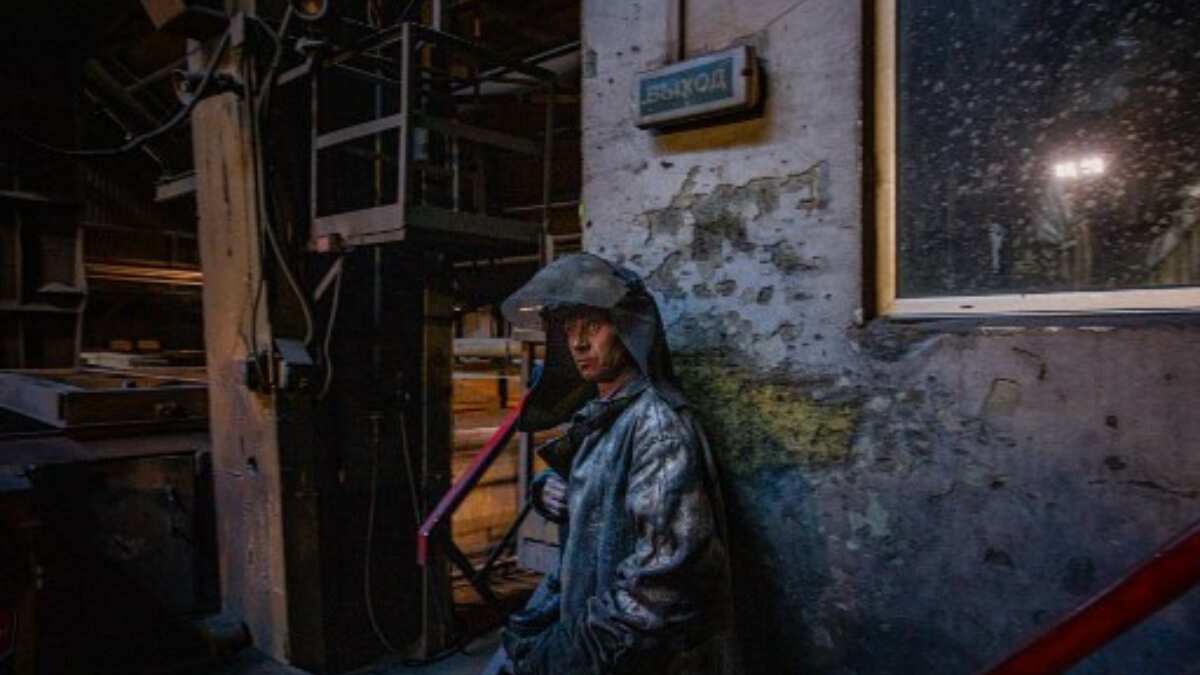
Since the beginning of the Russian invasion in February, thousands of civilians have been killed and hundreds of civilian infrastructures have been destroyed. The war continues to escalate, forcing millions of people to flee from their homes in search of safety, protection, and support.
The invasion has now entered its fourth month and, as per NATO chief Jen Stoltenberg, he warned that this conflict might last for years.
Level 3 emergency in Ukraine
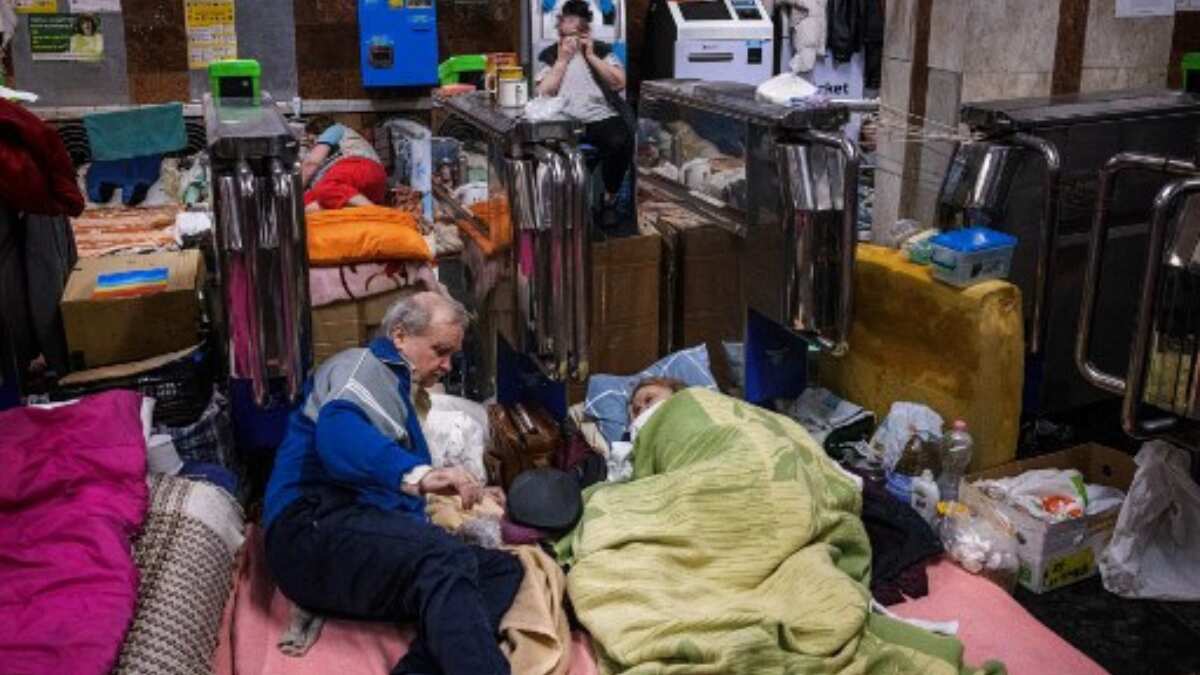
The United Nations High Commissioner for Refugees (UNHCR), also known as the UN Refugee Agency, classified a Level 3 emergency in Ukraine, the highest level the world ever had.
Millions flee from Ukraine
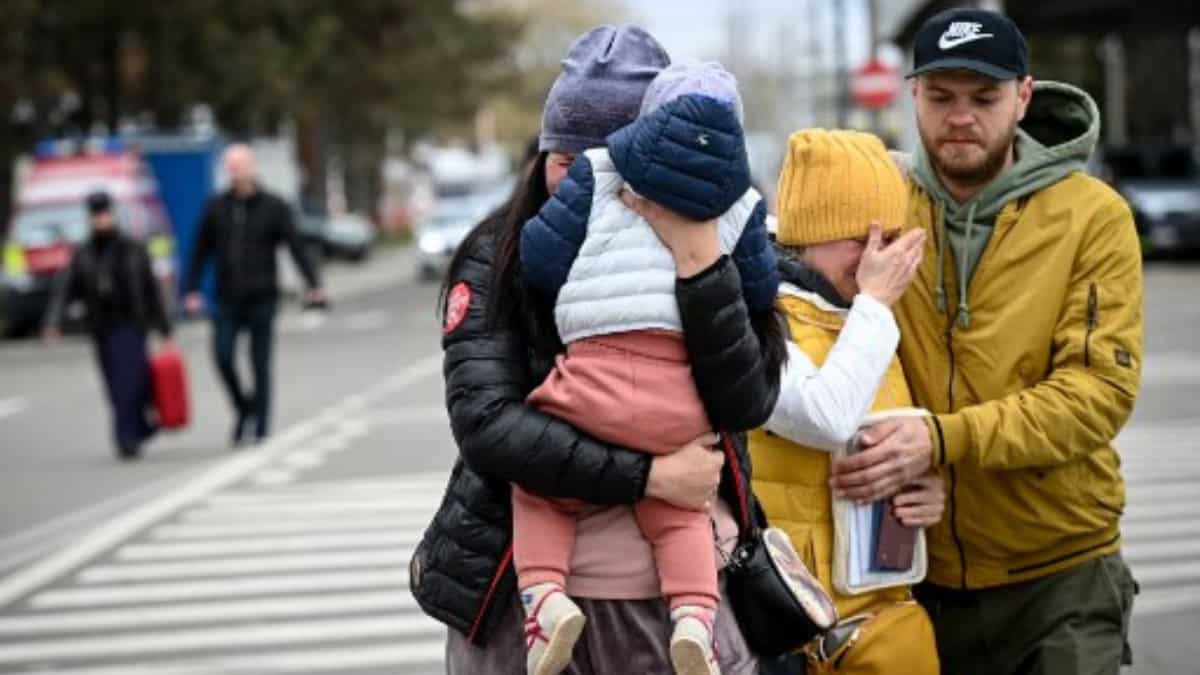
As of June 7, there had been 7.3 million border crossings from Ukraine, with 2.3 million crossings back into the country.
According to the UNHCR figures complied by different national agencies, nearly 4.8 million Ukrainian refugees have been reported across Europe. Of these, 4.8 million refugees in Europe have applied for temporary protection or equivalent national protection systems.
Most refugees are women and children. Men aren’t allowed to leave the country as men between the ages of 18 and 65 are supposed to stay in the country to participate in its defence.
World organisations send aid for people
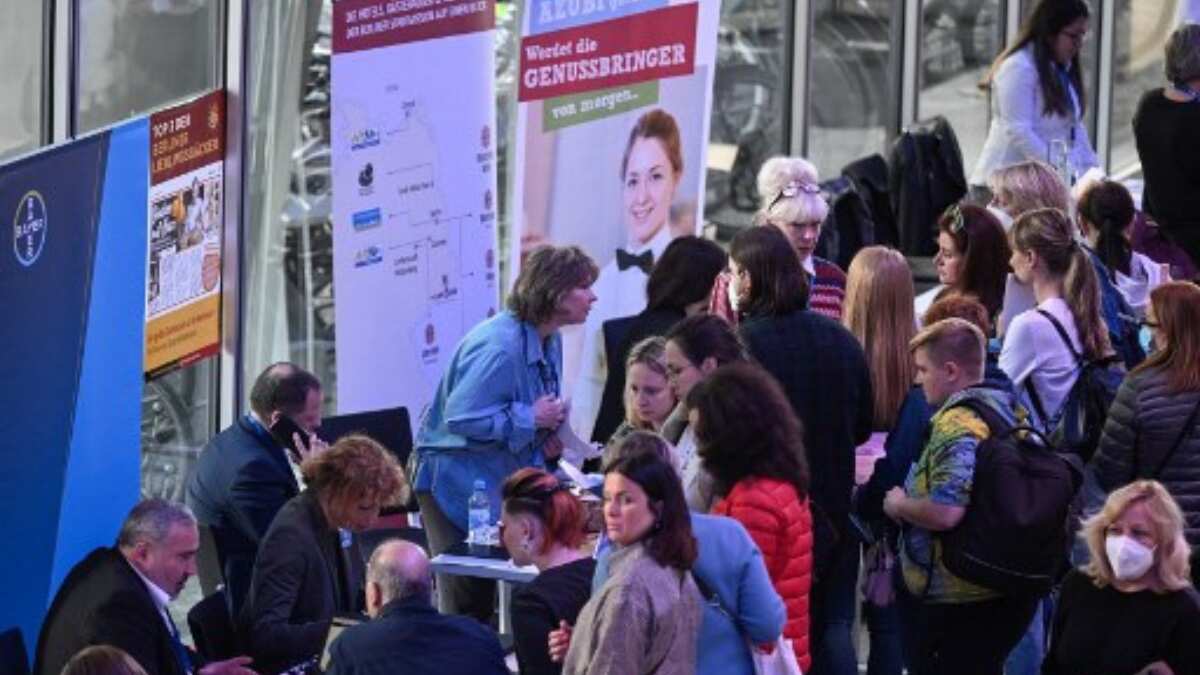
UNHCR has started providing immediate monetary assistance as well as basic relief materials such as shelters, blankets, sleeping mats, food etc.
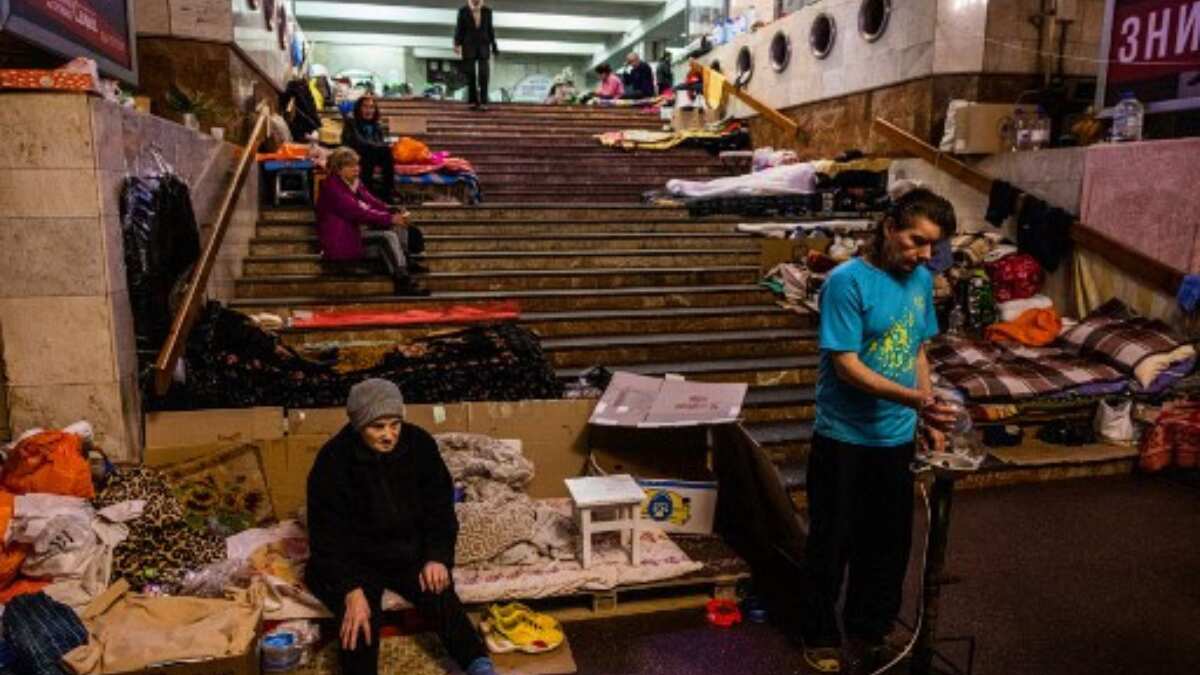
Displacement continues
Many are stuck and unable to flee their destroyed homes and cities thereby rendering them displaced without the ability to flee.
Despite recent reports of people returning to sections of Ukraine as Russian soldiers leave, the war is far from ending, making it more likely for refugee floes and internal displacement will continue to rise.
)
)
)
)
)