Nuclear threat looms as more countries push for nuclear weapons in unsafe world

Rafael Grossi, the chief of the UN’s International Atomic Energy Agency (IAEA), fears more countries could enter the race to develop nuclear weapons, breaching the NPT. The current environment could leave them feeling unsafe, pushing them to arm themselves with the bomb.
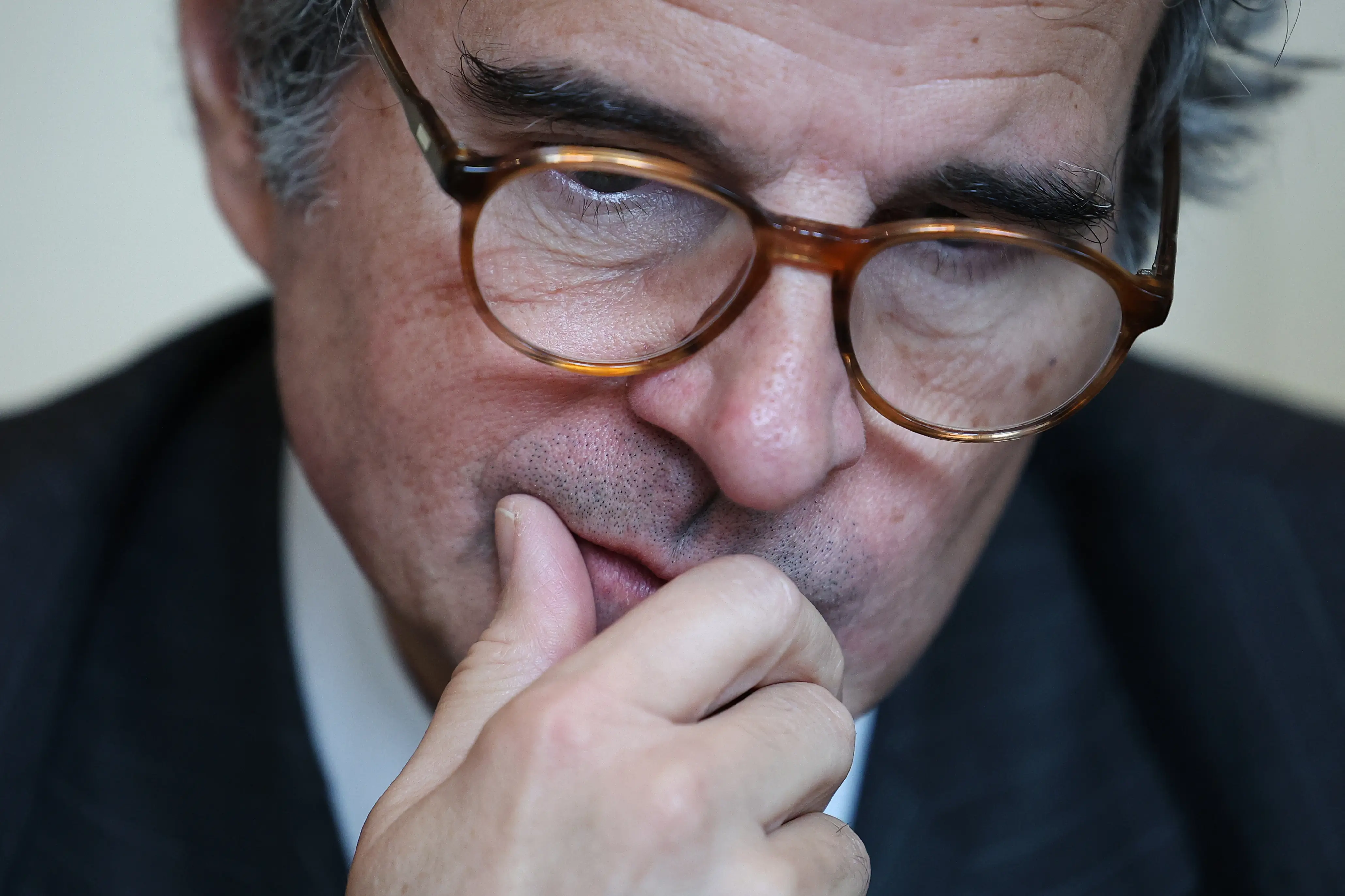
New nuclear arms race could break out in conflict-ridden times
The world is going through a dangerous period where over 20 countries could move towards nuclear armament. The head of the United Nations’ atomic agency has warned that instability and conflicts have created fodder for a fresh nuclear arms race, as countries are increasingly thinking about breaking away from non-proliferation. Rafael Grossi said as many as 20 countries could push for making the bomb, and this would be an extremely scary scenario.
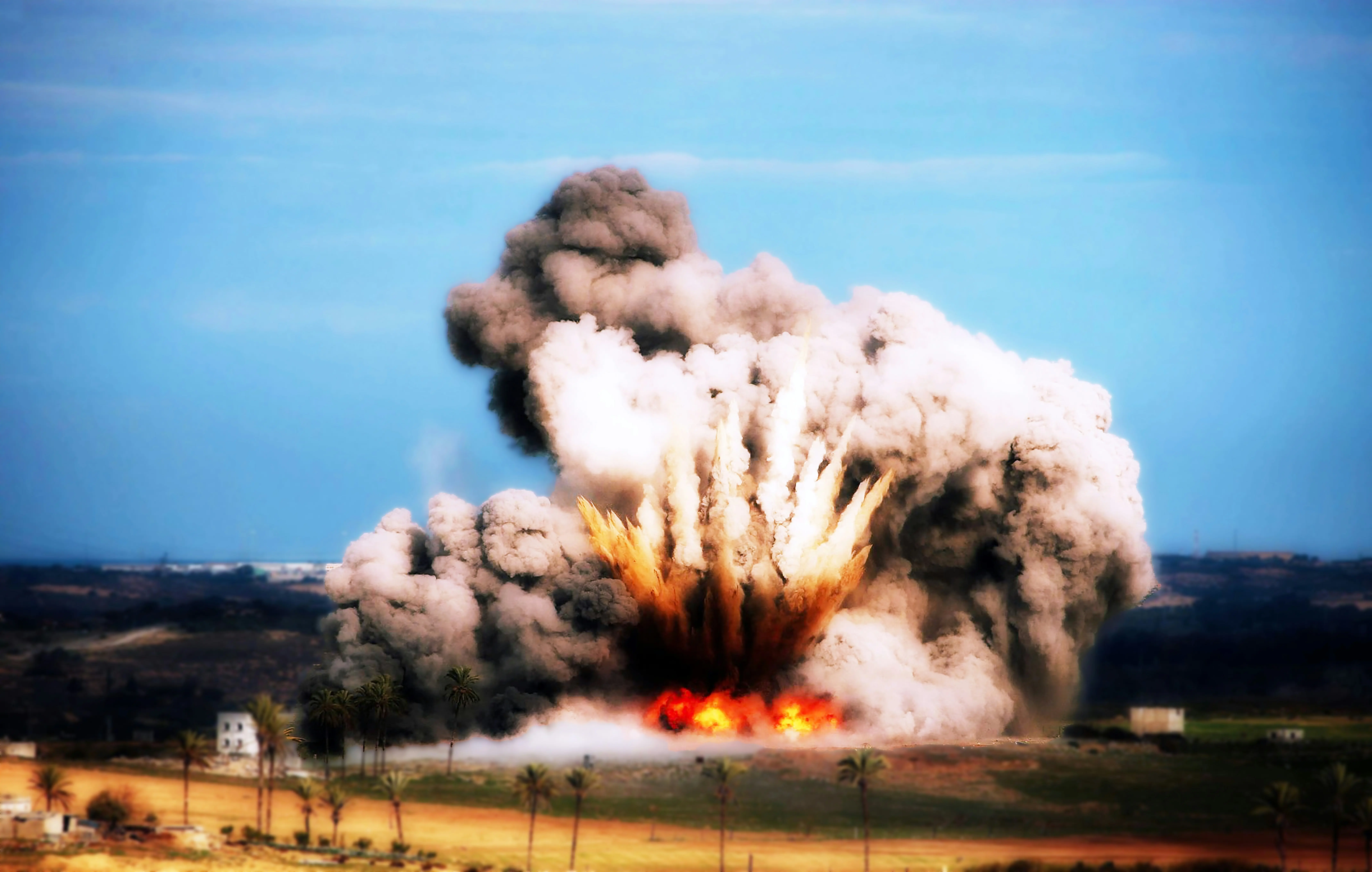
Several countries are debating having the nuclear bomb
In an interview with The Telegraph, the director general of the UN’s International Atomic Energy Agency (IAEA) said that countries like South Korea, Japan, Poland and Sweden, are debating having the bomb, and this could leave the world in a “very, very fragile position”. He flagged countries like North Korea that have a "secretive nuclear weapons programme" which is moving fast, China, whose nuclear programmes are seeing "steady growth". There is concern over the missing nuclear material in Syria after the Assad regime's collapse. Grossi also said that any deal the US reaches with Iran would be an "illusion" unless the United Nations is involved and pursues the details.
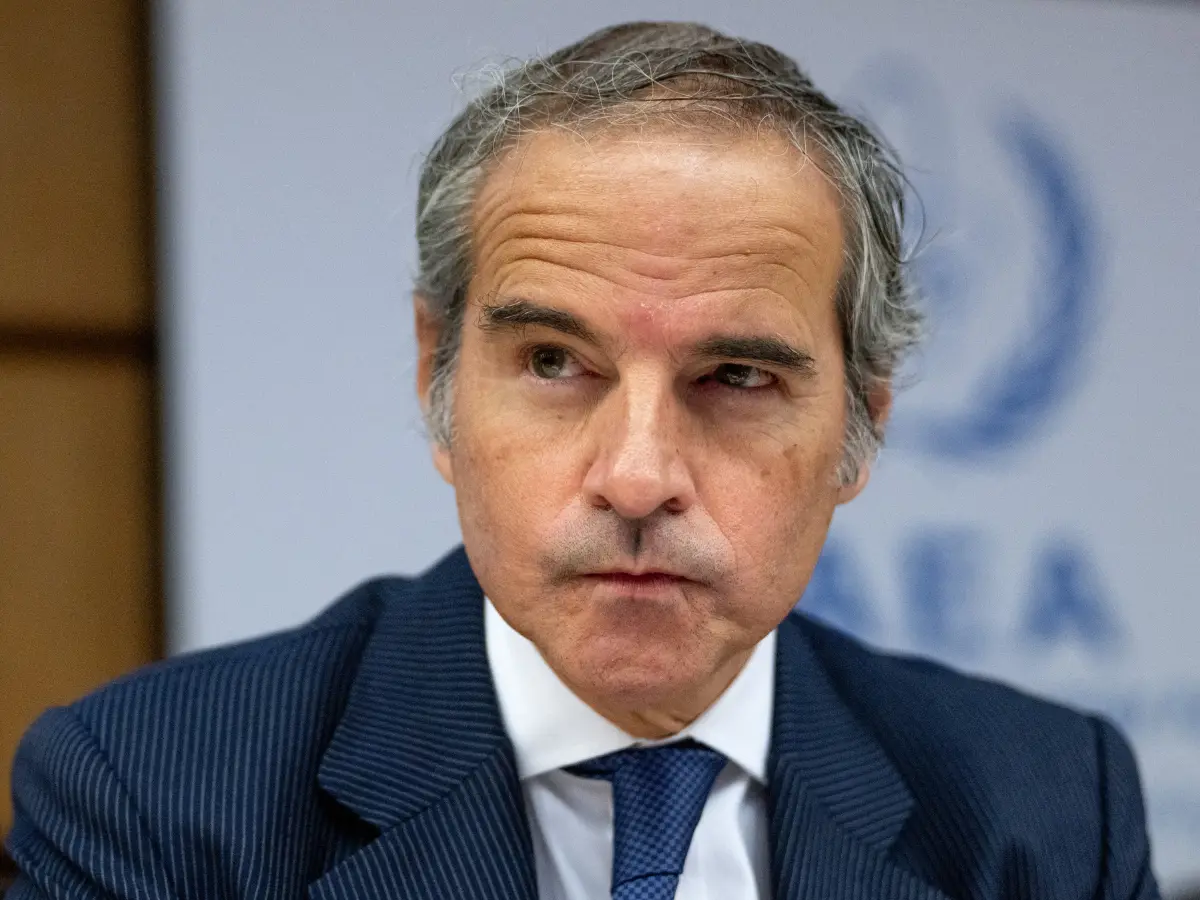
Grossi warned we could soon have 20 nuclear weapon states
Grossi said some countries in Europe, in Asia Minor, in the Far East are publicly discussing breaching the NPT, some even justifying it using terms like friendly proliferation". However, he said all these things "fill me with concern because I believe that a world with 20 nuclear weapon states or more would be extremely dangerous." The discussion on pursuing nuclear weapons is creating an "atmosphere of fragmentation, conflict, polarisation", and this "might lead to a situation where several countries might say one day, we do not feel safe. We do not feel sufficiently protected."
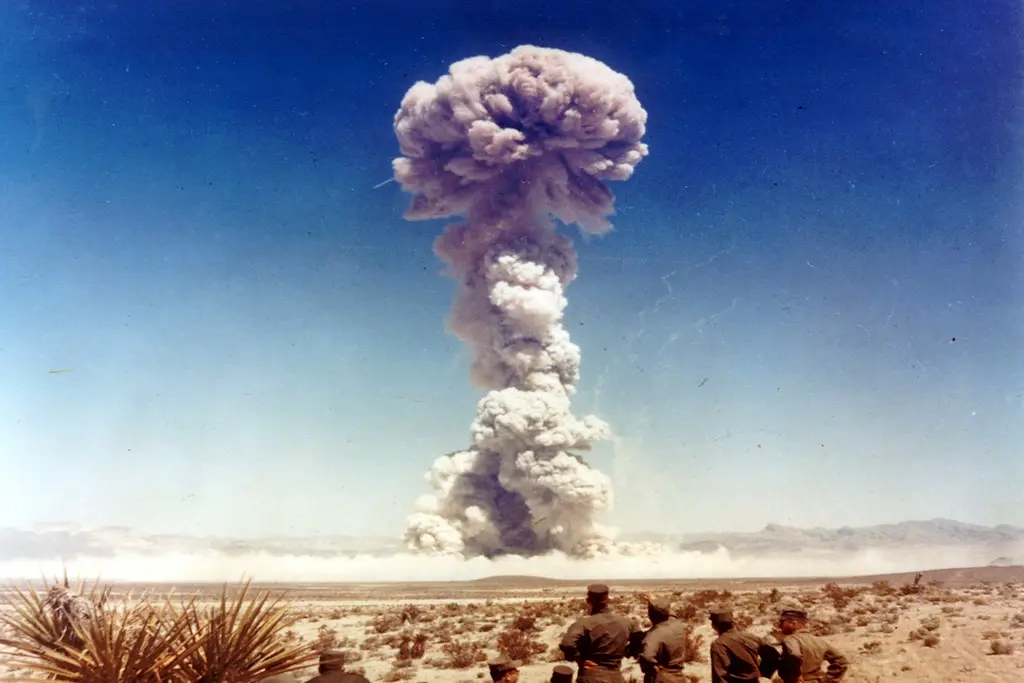
Which countries have nuclear weapons?
NPT, or the Non-Proliferation of Nuclear Weapons, was signed by 191 countries in 1970, who promised not to acquire nuclear weapons and recognised that only five countries - the US, UK, France, Russia, and China - have them, and will never pass on the technology to others. Today, India, Pakistan, Israel and North Korea also have nuclear weapons, and none of them is a signatory to the NPT.
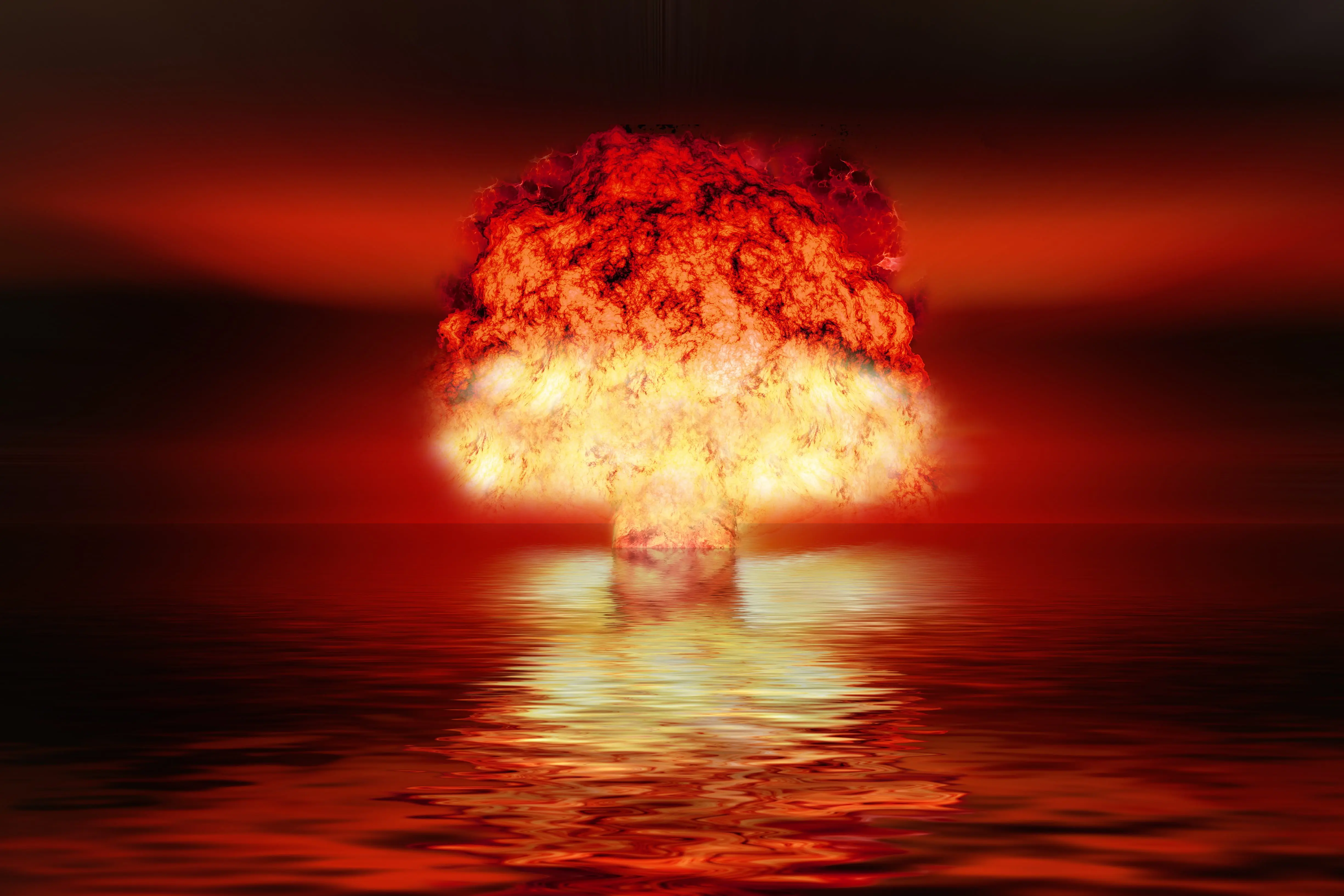
In a destabilised world, the system will crack one day, triggering a nuclear arms race
With the threat of nuclear war staring the world in the face, more and more countries are growing fearful and want to have nukes. Poland, Turkey and Saudi Arabia, have admitted that a destabilised world and the weakening of the transatlantic alliance can push them to develop nuclear weapons. Grossi said, “At some point, we are going to see a crack in the system. And then we’ll have a domino [effect]. It is a very, very fragile position.”
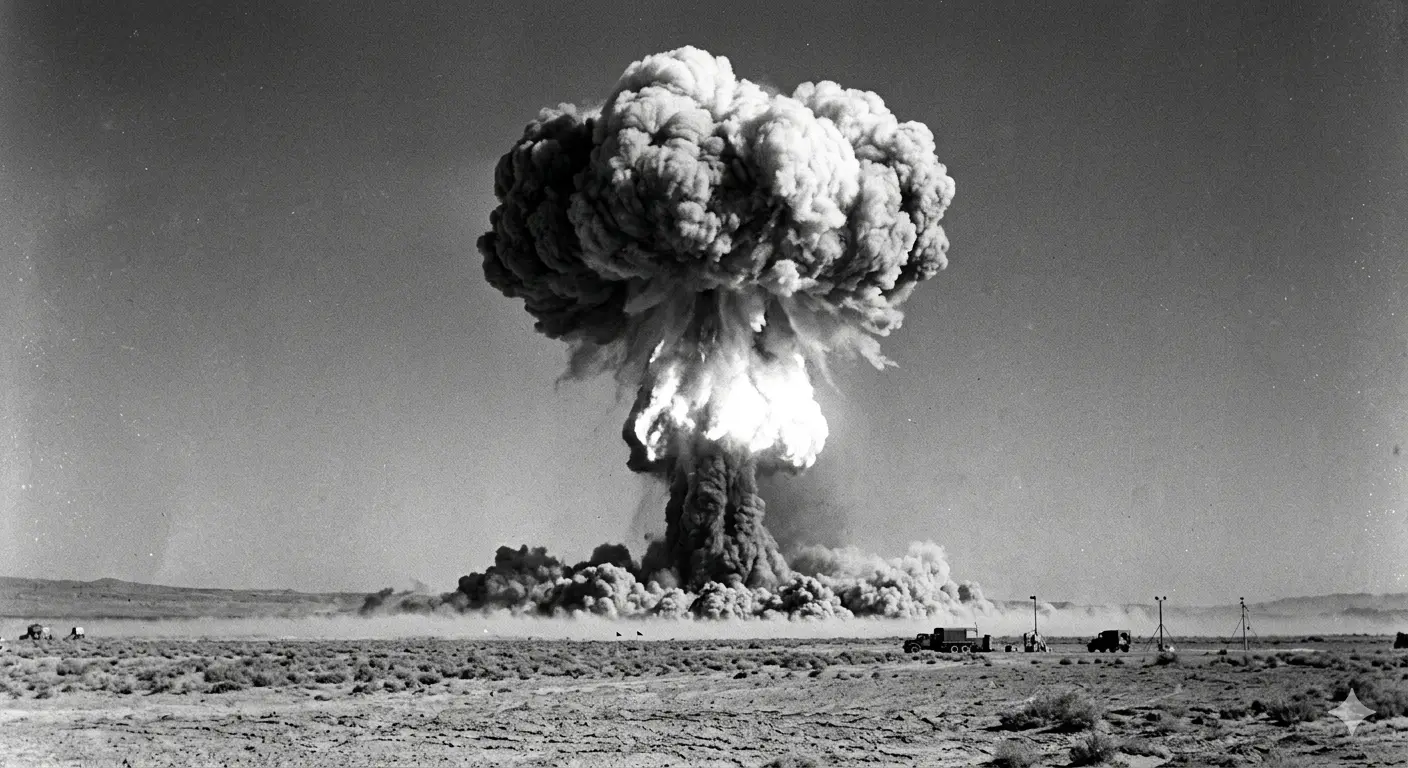
There is a need to recommit to non-proliferation for a stable world, Grossi said
He admitted that this is not the case right now, but there is a "need to reinforce and recommit to non-proliferation beacons if you want stability in a world that I think is in need of those." He said that Article 6 of the NPT states that nuclear-armed states will enter negotiations for nuclear disarmament. However, he knows that this is not a possibility at this time, but hopes that the world will move in that direction someday.
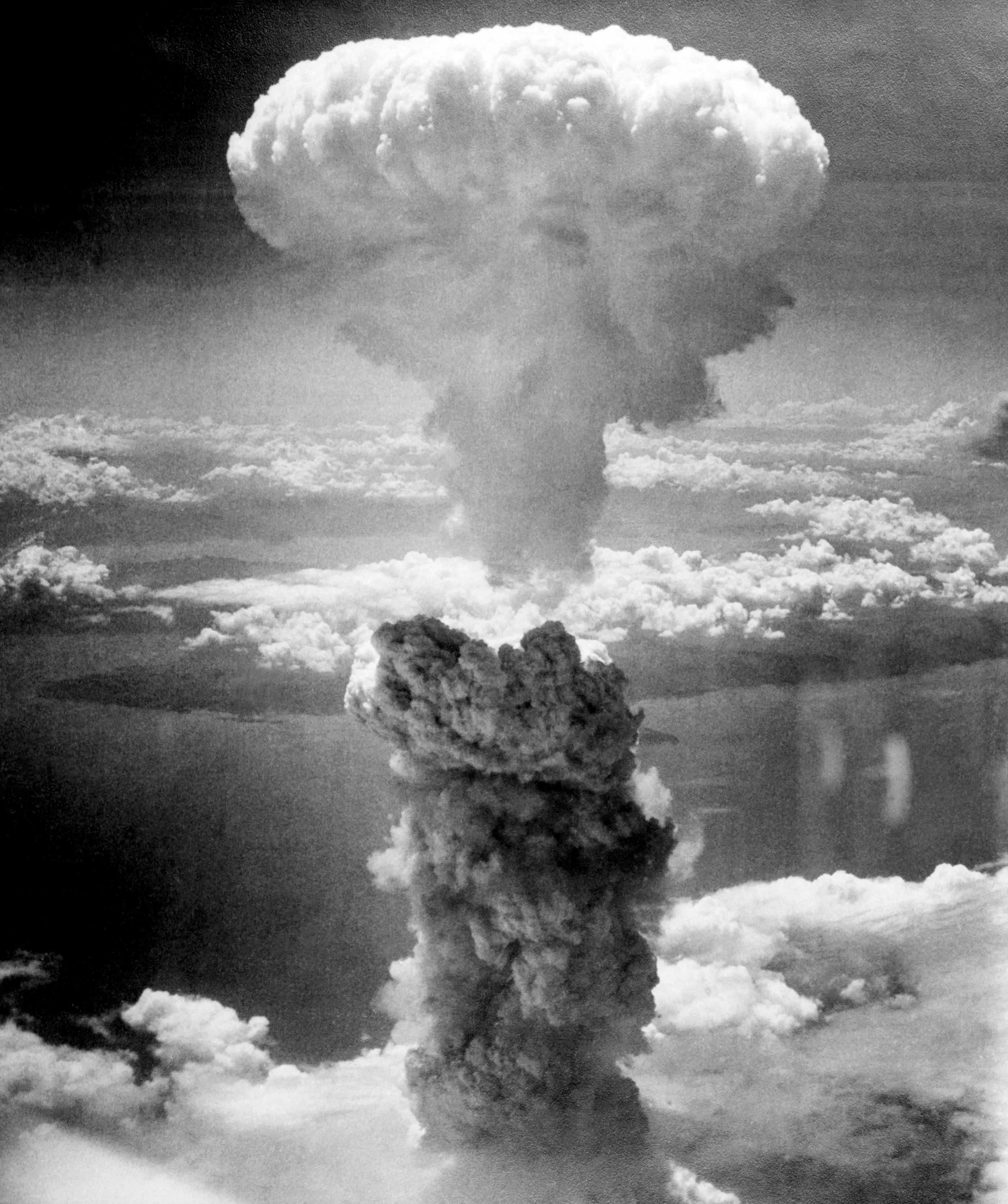
US and Russia hold 90 per cent of nuclear warheads, China is also ramping up arsenal
Talking about the correct picture of the nuclear situation in countries like China, Grossi said that he had good collaboration with Beijing, but it is possibly ramping up its nuclear capabilities. According to official data, there are 12,000 nuclear warheads in the world, of which Russia holds 5,459, and the United States has 5,277, roughly 90 per cent of the total. China has 600, while France has 290, and the UK has 225 more than the other nuclear-armed countries. Grossi says China's number could be much higher.
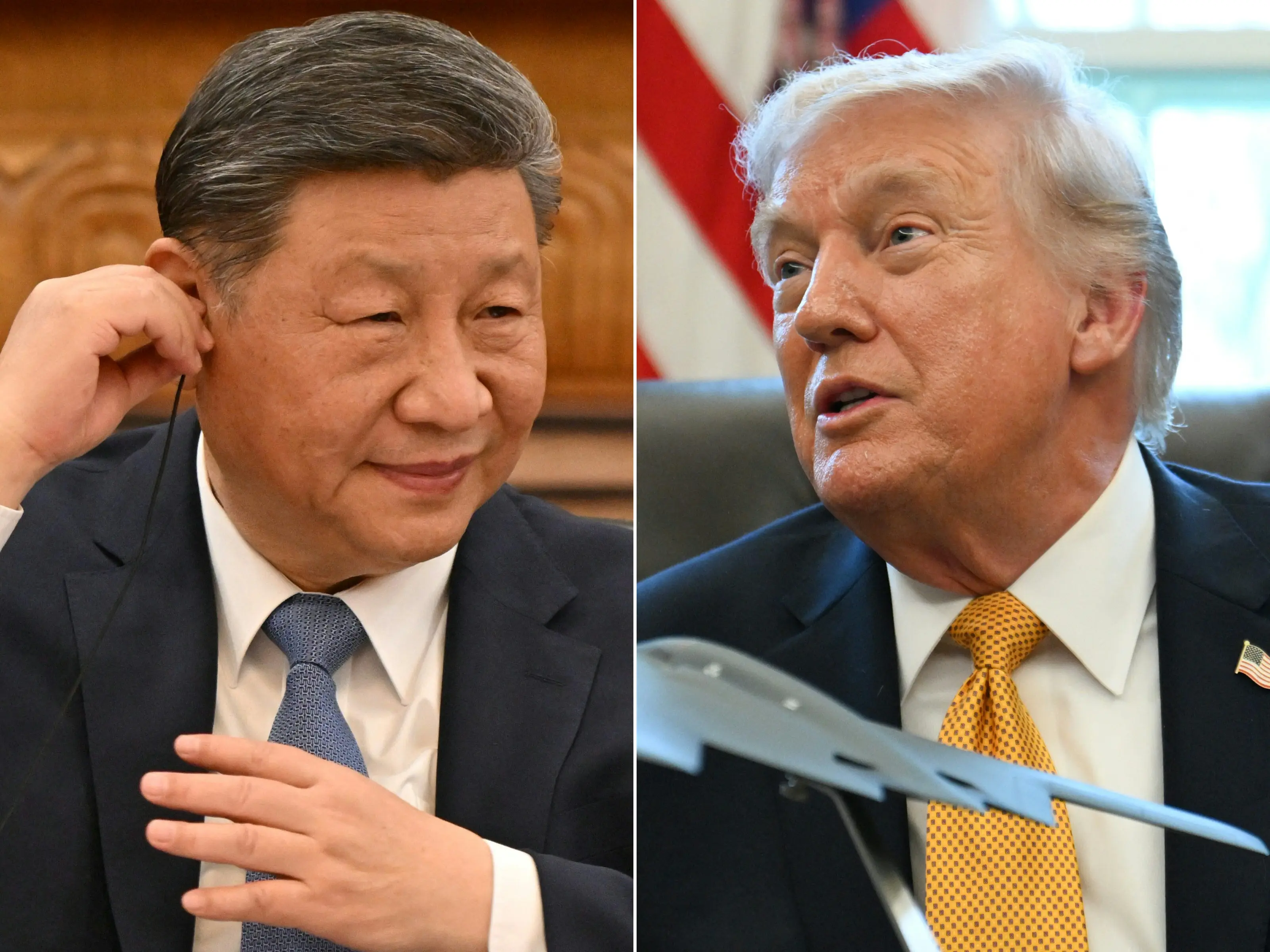
UN needs to involved in any deal between US and Iran, Grossi said
Grossi also warns that any deal between Trump and Iran would yield no results without the UN involved. “We know Iran very, very well, all the facilities. We are the only ones who could guarantee absolute impartiality in the work," he said. The UN has effectively been out of the picture ever since the US, under Trump, withdrew from several institutions and treaties. Iran has also now allowed the inspection of its enrichment facilities ever since the bombings in the summer of 2025.
Physicist says constant threat of nuclear war has left humanity with only 35 years on Earth
Grossi's warning for a new global nuclear race aligns with the warning by a Nobel-winning physicist, according to whom humans only have about 35 years left on Earth. He cites the nuclear threat as the biggest danger the world faces today, and says we might self-destruct before we achieve long-term survival. David Gross has said that with multiple conflicts going on, "even three (nuclear countries) are infinitely more complicated than two." Meanwhile, Grossi has put the future number at 20, which means things could go terribly wrong for humans, thanks to their own actions.
)
)

)
)