Top countries where Homeopathy is banned and why: Complete details inside

Homeopathy isn't officially banned, but many nations, like the UK, France, and Spain, have withdrawn public funding & insurance. While the practice remains legal, it is effectively excluded from state healthcare, with strict limits on medical claims & doctor participation.
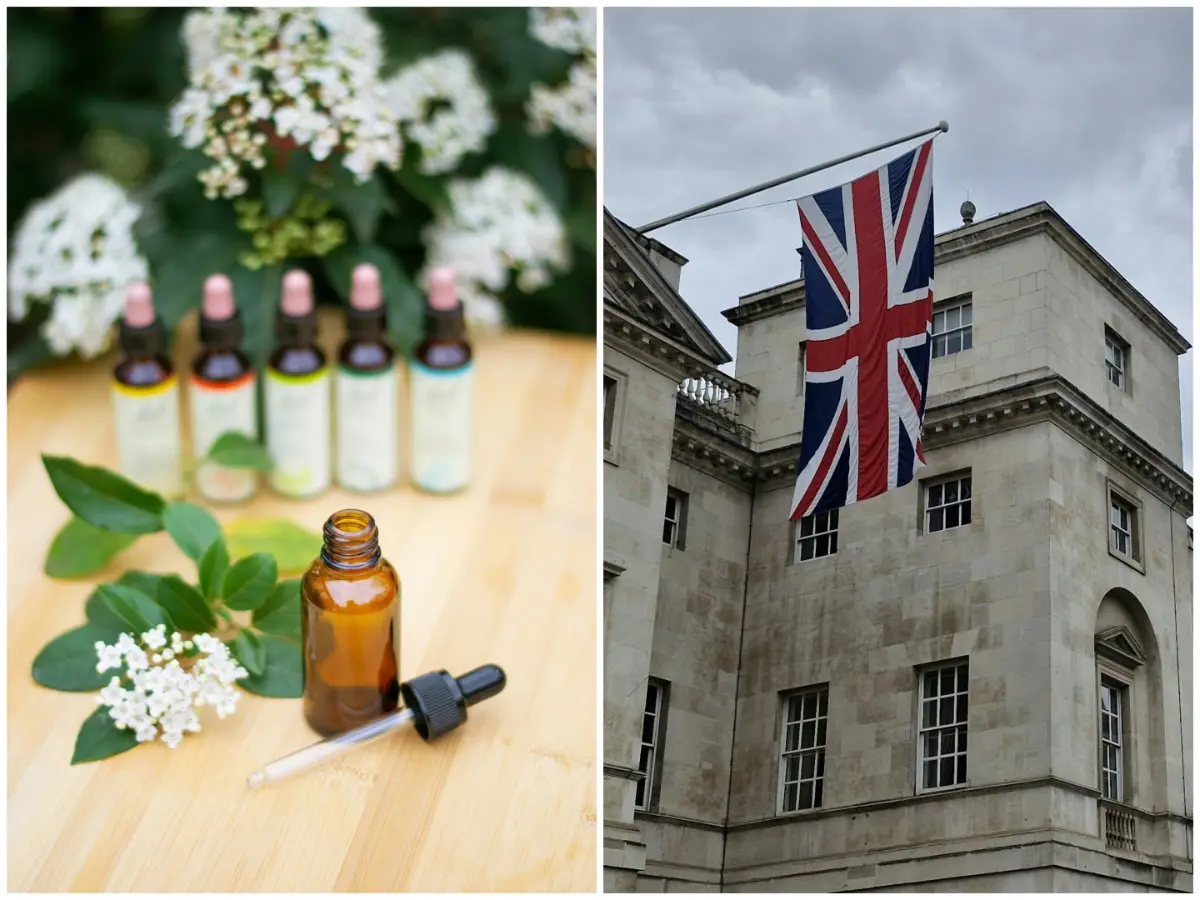
United Kingdom (NHS De-funding)
The NHS England officially blacklisted homoeopathy in 2017, instructing GPs to stop prescribing it. The health body concluded that there is "no good-quality evidence" for its effectiveness and labelled it a placebo. While you can still buy remedies in private shops, it is effectively banned from the taxpayer-funded healthcare system to save costs and prioritise "evidence-based" medicine.

France (Removal of Reimbursement)
France was once the global hub for homoeopathy, but in 2021, the government completely stopped reimbursing homoeopathic treatments. The decision followed a report by the Haute Autorité de Santé (HAS), which ruled that the products "had not demonstrated scientifically adequate efficacy." This has led to a massive decline in prescriptions by French medical doctors.
Australia (Evidence-Based Restriction)
Following a landmark NHMRC (National Health and Medical Research Council) report in 2015, Australia officially stated there is no reliable evidence that homoeopathy works for any health condition. While not "illegal," the government has removed it from private health insurance rebate lists and strictly regulates its labelling to prevent "misleading" health claims.
Spain (Pseudo-therapy Crackdown)
The Spanish government has been on an aggressive campaign to label homoeopathy as "pseudotherapy." In recent years, the Ministry of Health has moved to eliminate homoeopathy from universities and public health centres. They aim to protect citizens from "unproven" treatments, leading to strict new regulations on how these products can be marketed or sold in pharmacies.
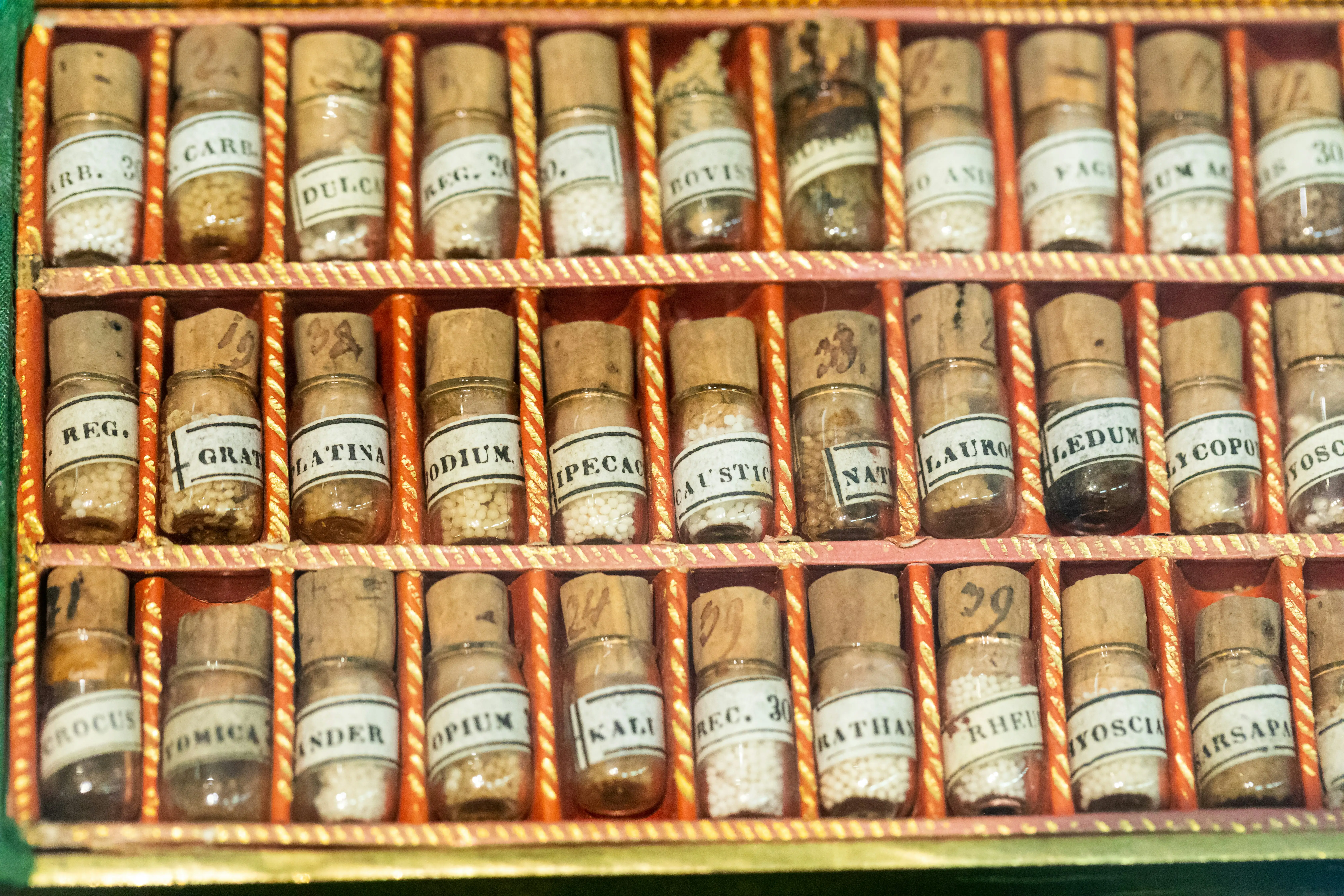
United States (North Carolina & Regulatory Shift)
While legal in most of the US, North Carolina is famous for a 1990 Supreme Court ruling (Guess v. Board of Medical Examiners) that effectively made the practice of homoeopathy by licensed physicians illegal if it doesn't meet "prevailing standards." Nationwide, the FDA has also tightened rules, stating that no homoeopathic product is "officially recognised" as safe or effective.
)
)
)
)
)