Why the F-35 uses its jet fuel to cool hot electronics

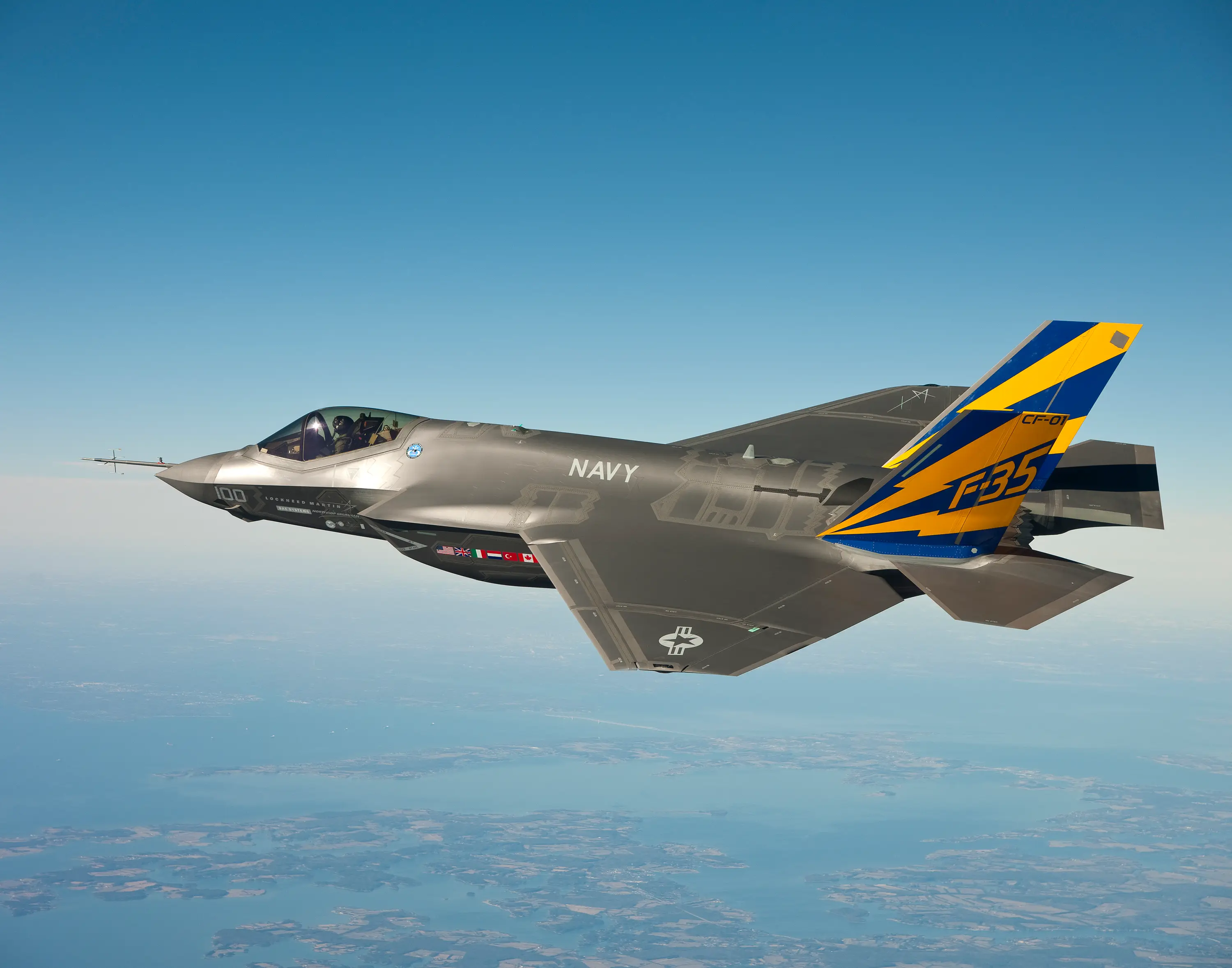
The F-35 fighter prevents its advanced avionics from overheating by using aviation fuel as a liquid heat sink, avoiding external air vents that would compromise its stealth profile.
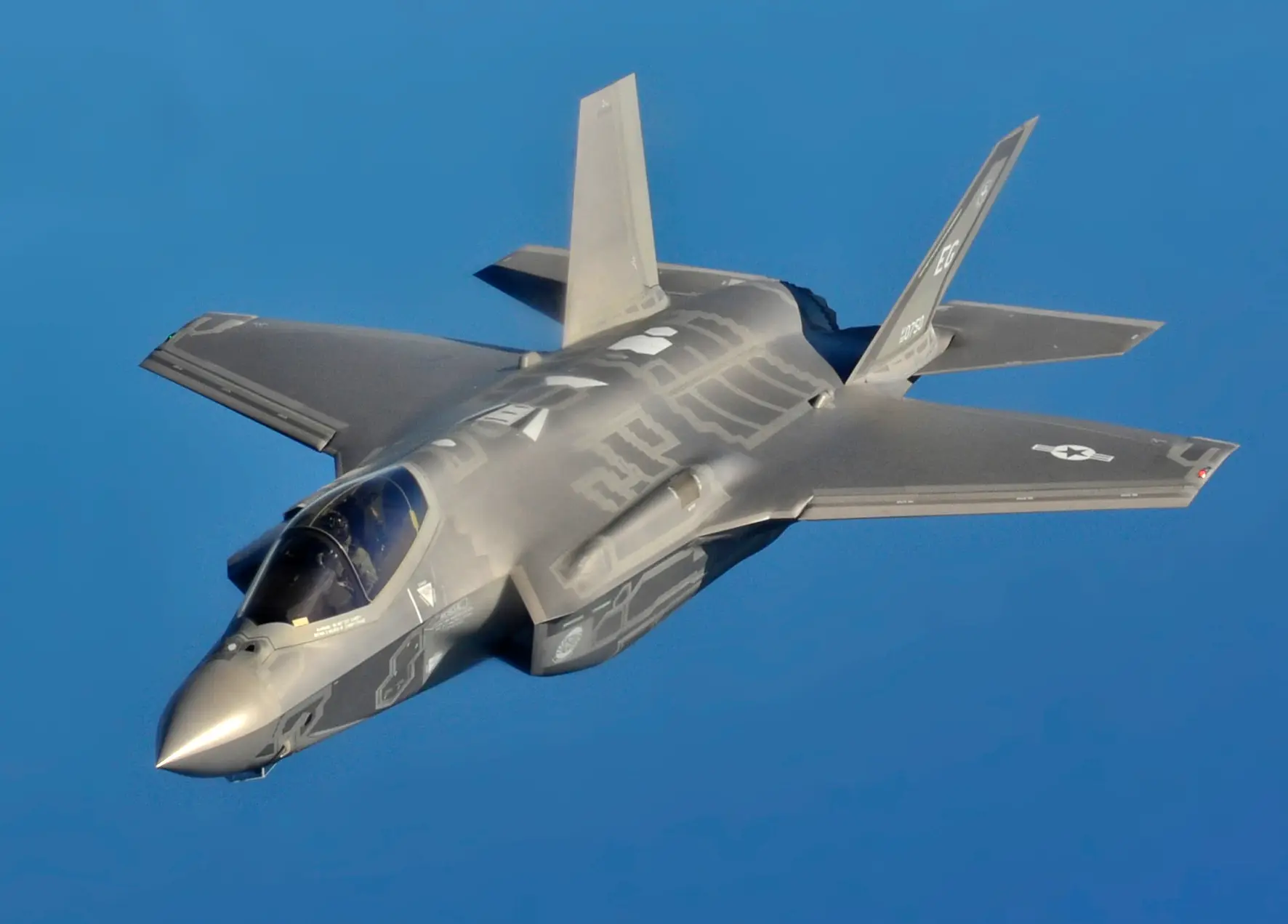
0 External Vents For Stealth
The F-35 fighter acts as a flying sensor hub, housing advanced avionics that dissipate massive amounts of heat. Using traditional external air vents to cool these electronics would compromise the stealth profile of the aircraft. Engineers solved this by designing a system that cools the electronics internally without exposing the jet to enemy radar.
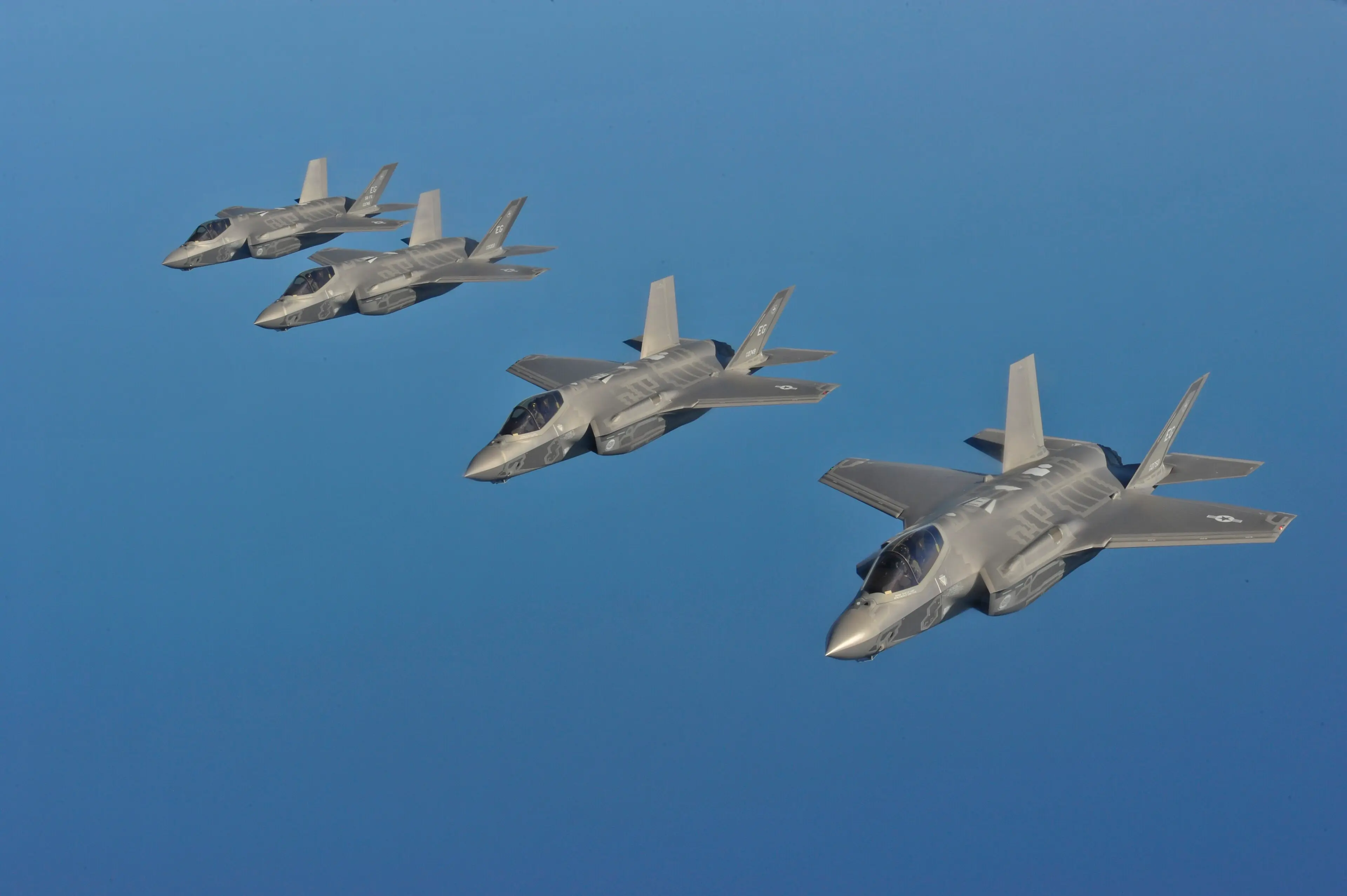
1 Giant Fuel Heat Sink
To evacuate this heat flow, the aircraft relies on an advanced Power and Thermal Management System that uses its own fuel as a coolant. Kerosene circulates through heat exchangers to absorb the thermal energy produced by the avionics. The fighter then expels this heat safely by burning the warmed fuel in its main engine.
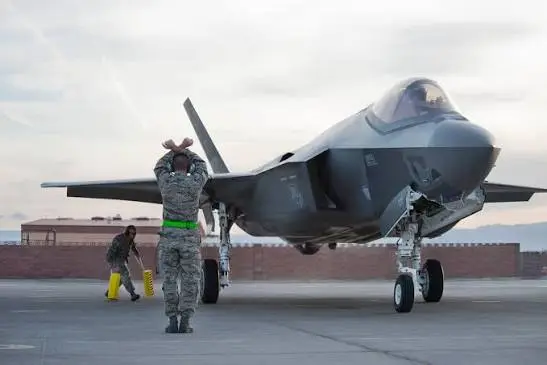
80 kW Cooling Capacity Target
The jet heavily depends on this thermal management architecture to balance the heat loads of its fifth-generation electronics. Future upgrades aim to scale this cooling capacity to 80 kilowatts to support newer mission systems. This continuous liquid cooling ensures the critical computers and sensors remain operational during intense combat operations.
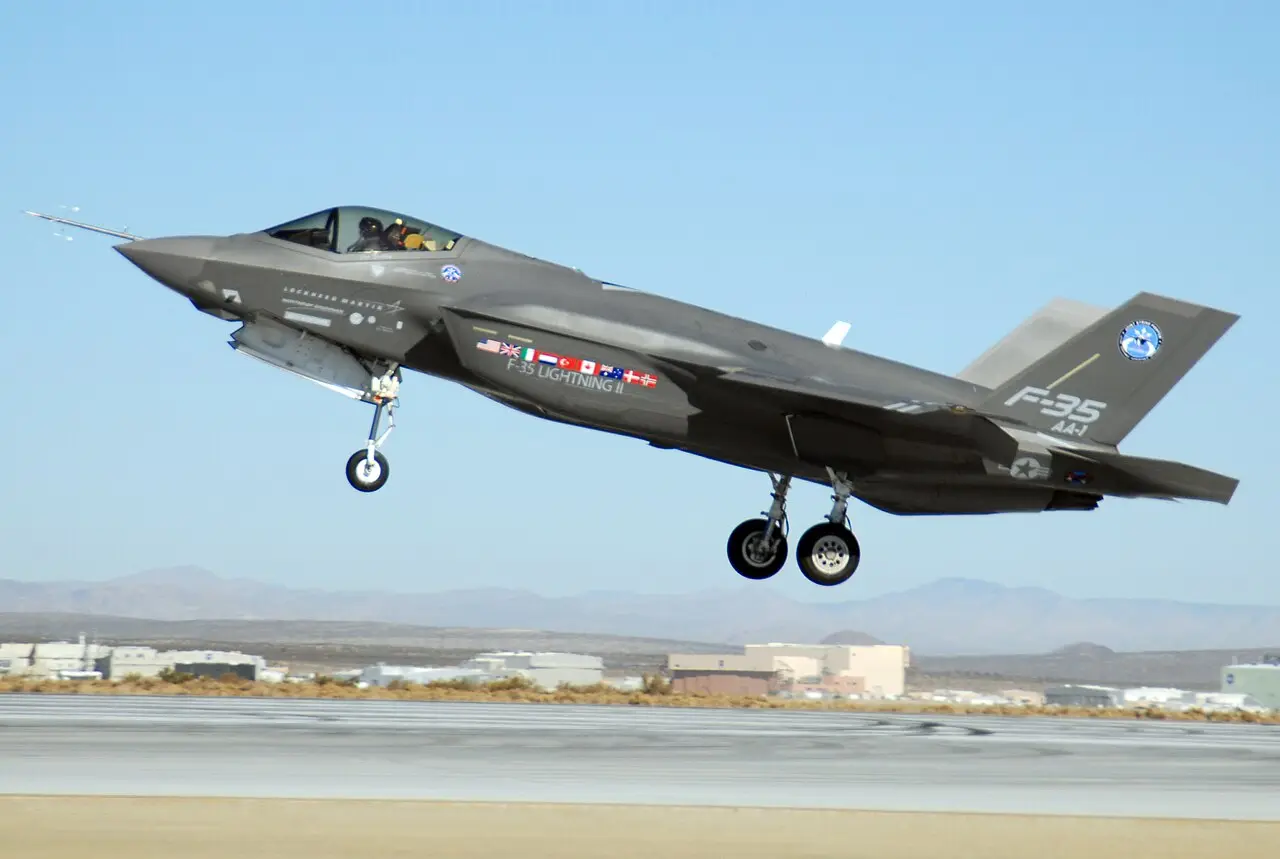
43 C Ground Temperature Risks
his fuel-cooling method faces unique challenges on the ground before the aircraft even takes off. If the aviation fuel delivered by a tanker truck has been overheated by the sun, it loses its ability to act as an effective heat sink. Consequently, the jet may refuse to start its systems to prevent critical electronic components from overheating.
$3,900 White Paint Solution
To counter extreme heat at installations like Luke Air Force Base in Arizona, the military painted its refuelling trucks white. Applying a solar polyurethane enamel coating prevents the fuel from overheating in ambient temperatures beyond 43 degrees Celsius. Costing just $3,900 per truck, this simple fix ensures the aircraft can always execute its combat sorties safely.
)
)
)
)
)