World Heritage Day 2023: Here are some most famous heritage sites in India

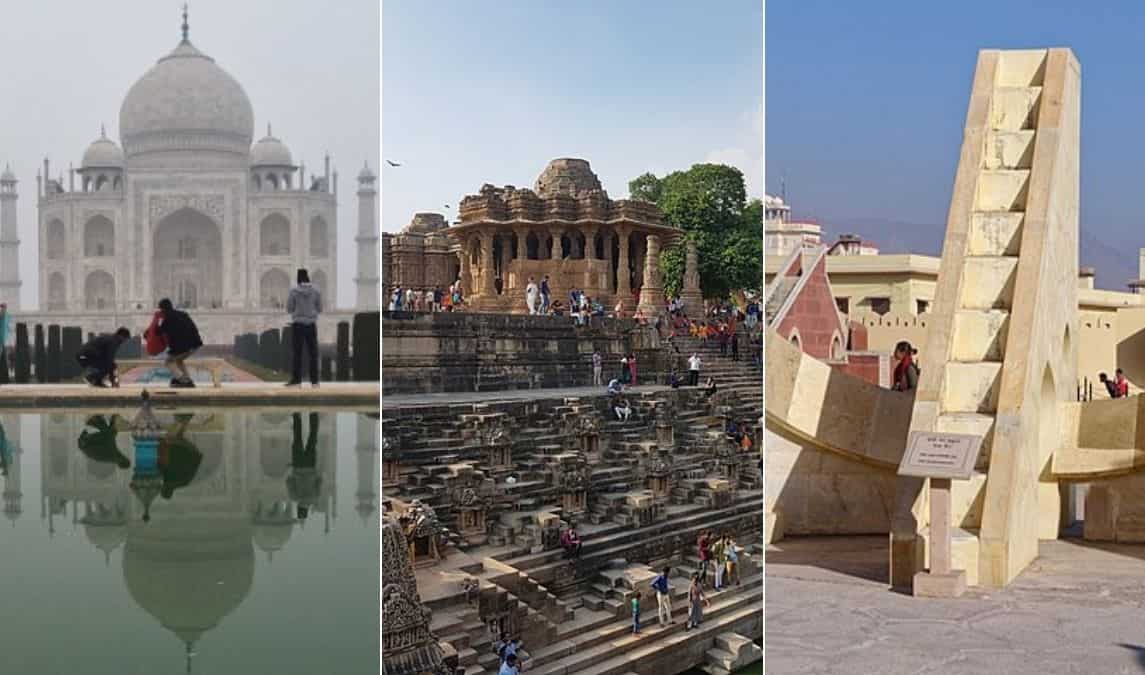
All you need to know about World Heritage Day 2022
World Heritage Day is observed on April 18 annually to raise awareness about conserving and preserving our legacy from the past and living it the heritage sites in a way that they are safely passed on to the future generations.
"The United Nations Educational, Scientific and Cultural Organization (UNESCO) seeks to encourage the identification, protection and preservation of cultural and natural heritage around the world considered to be of outstanding value to humanity," UNESCO noted.
When we talk about India, there are 40 World Heritage Sites as of 2022. From Great Himalayan National Park Conservation to the Taj Mahal, there are 32 cultural, seven natural sites. Whereas, Khangchendzonga National Park is of mixed type.
Here's a list of the popular heritage sites in India:
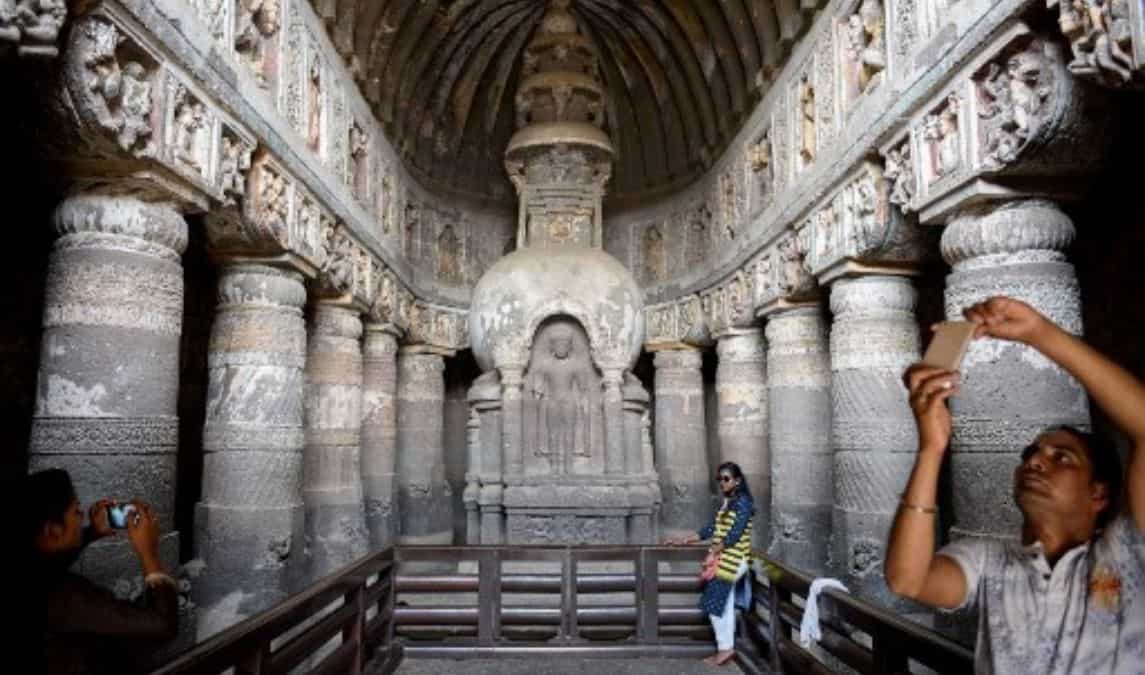
Ajanta Caves
Located in Maharashtra - a Western state in India - the Ajanta caves represent a collection of Buddhist art from two periods. The beautiful caves are excavated out of a vertical cliff which is based above the left bank of the river Waghora in the hills of Ajanta. It has been found that the first Buddhist cave monuments at Ajanta date from the 2nd and 1st centuries B.C.
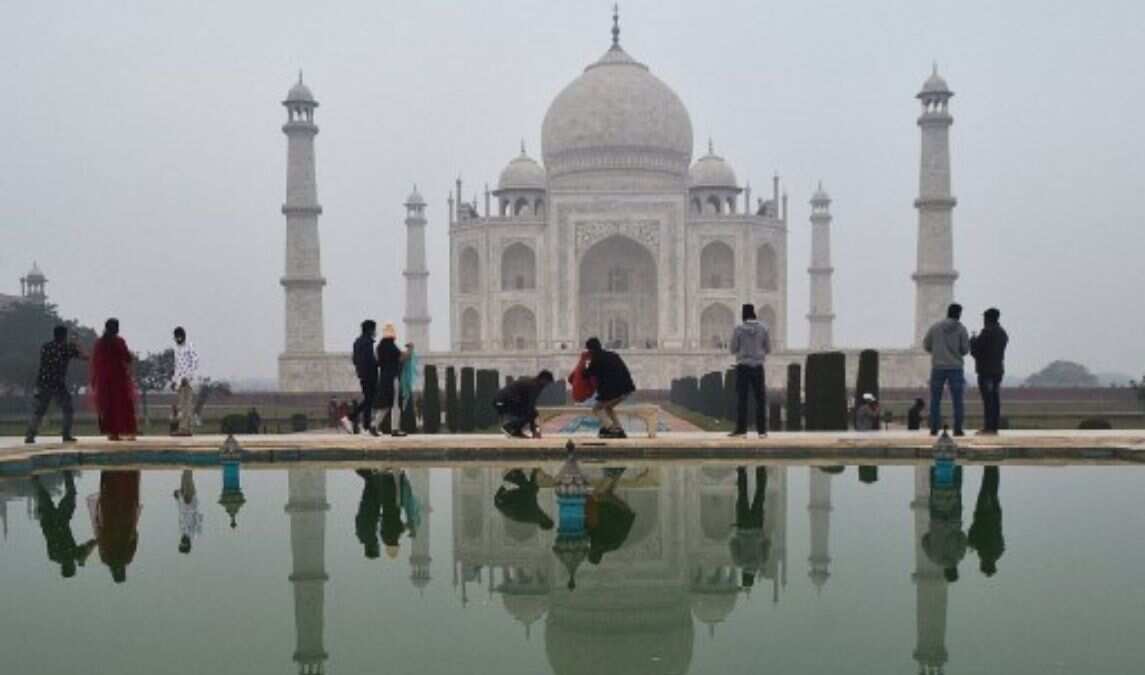
Taj Mahal
Taj Mahal was built in the memory of Mumtaz Mahal, who was the wife of Mughal emperor Shah Jahan. The mausoleum of white marble was built in Agra, a popular city in the northern state of Uttar Pradesh. It was built between 1631 and 1648.
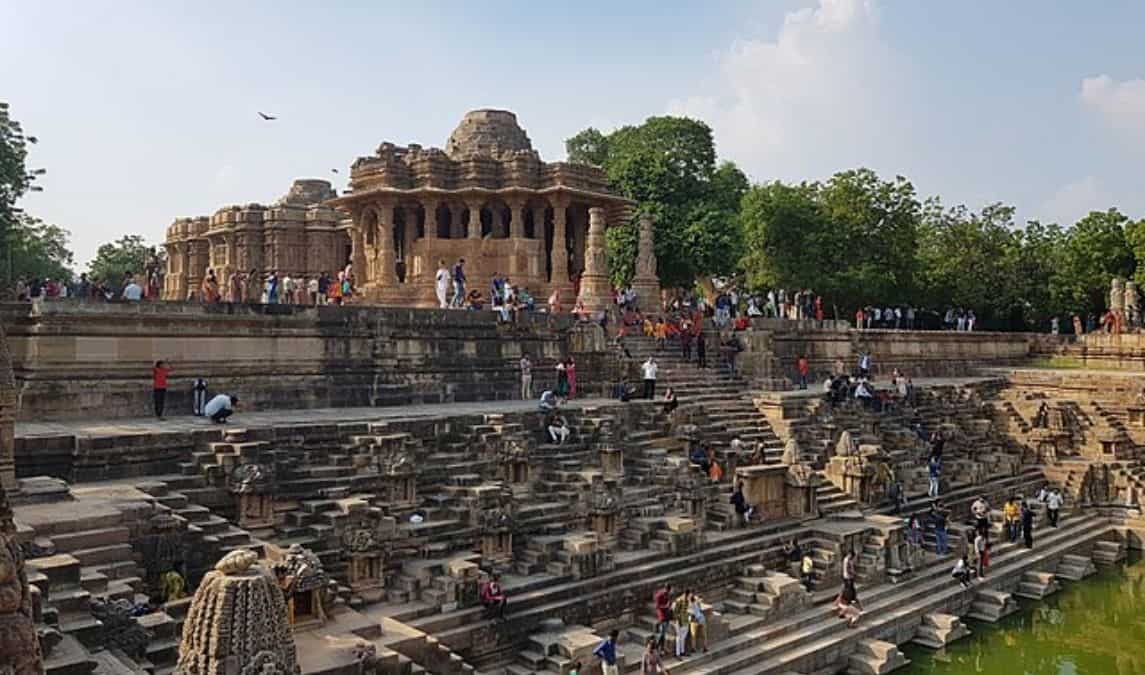
Sun Temple
The Konark Sun Temple is a 13th-century Sun Temple at Konark, in Odisha - an eastern Indian state on the Bay of Bengal. The temple is one of the most heritage visited sites. It is a monumental representation of the sun god Surya's chariot.
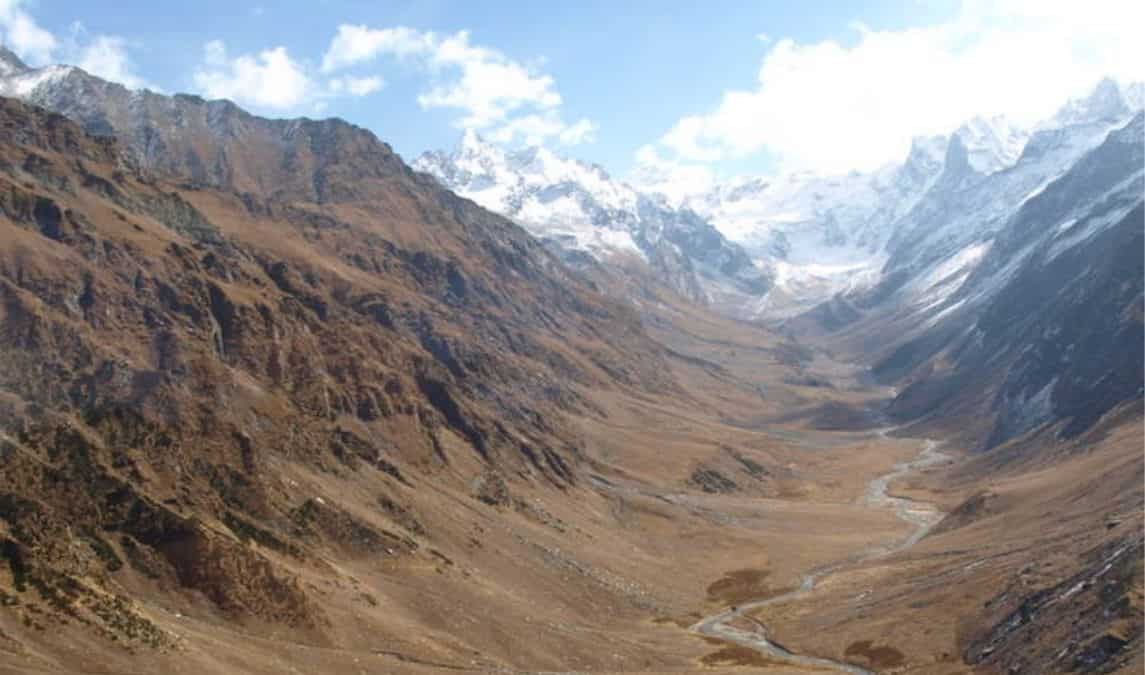
Great Himalayan National Park Conservation Area
The Great Himalayan National Park is in the western part of the Himalayan Mountains and it is located in the northern Indian state of Himachal Pradesh. The park is characterized by high alpine peaks, alpine meadows and riverine forests.
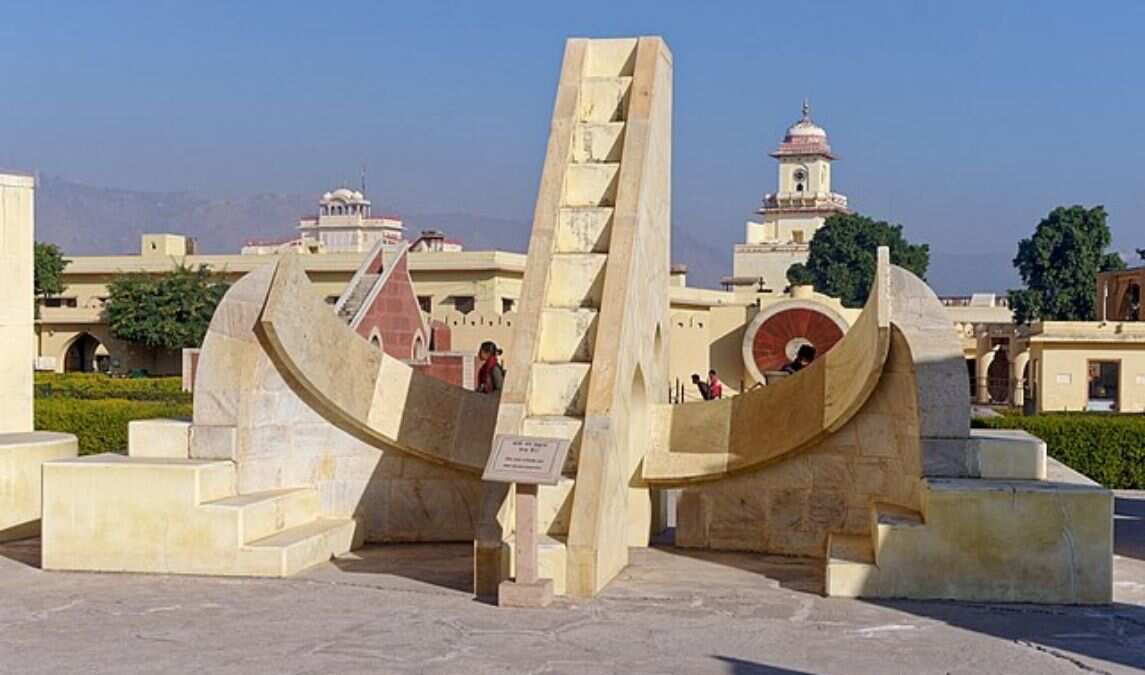
Jantar Mantar, Jaipur
The Jantar Mantar in Jaipur is an astronomical observation. It was built by Maharaja (King) Jai Singh II in the early 18th century. The complex is a collection of architectural astronomical instruments. UNESCO World Heritage List hailed this cultural property as "an expression of the astronomical skills and cosmological concepts of the court of a scholarly prince at the end of the Mughal period."
)
)
)
)
)