World Day of War Orphans 2026: Top 7 countries with the highest number of Orphans populations — Check India's rank

World Day of War Orphans Day is commemorated to highlight the struggles faced by children who lost their parents during war. It shows the physical, social, and psychological issues faced by children while growing up. Let's have a look at the top 7 nations with the highest Orphans.

1. India
India has the world’s largest orphan population, estimated at 30 million, based on data measured in 2020. The figure reflects long-standing socio-economic challenges affecting child welfare. The COVID-19 pandemic significantly worsened the situation, with 2.2 million children estimated to have lost one or both parents by 2022, highlighting the pandemic’s deep and lasting impact on Indian families, according to the data in the World Population Review.
2. Nigeria
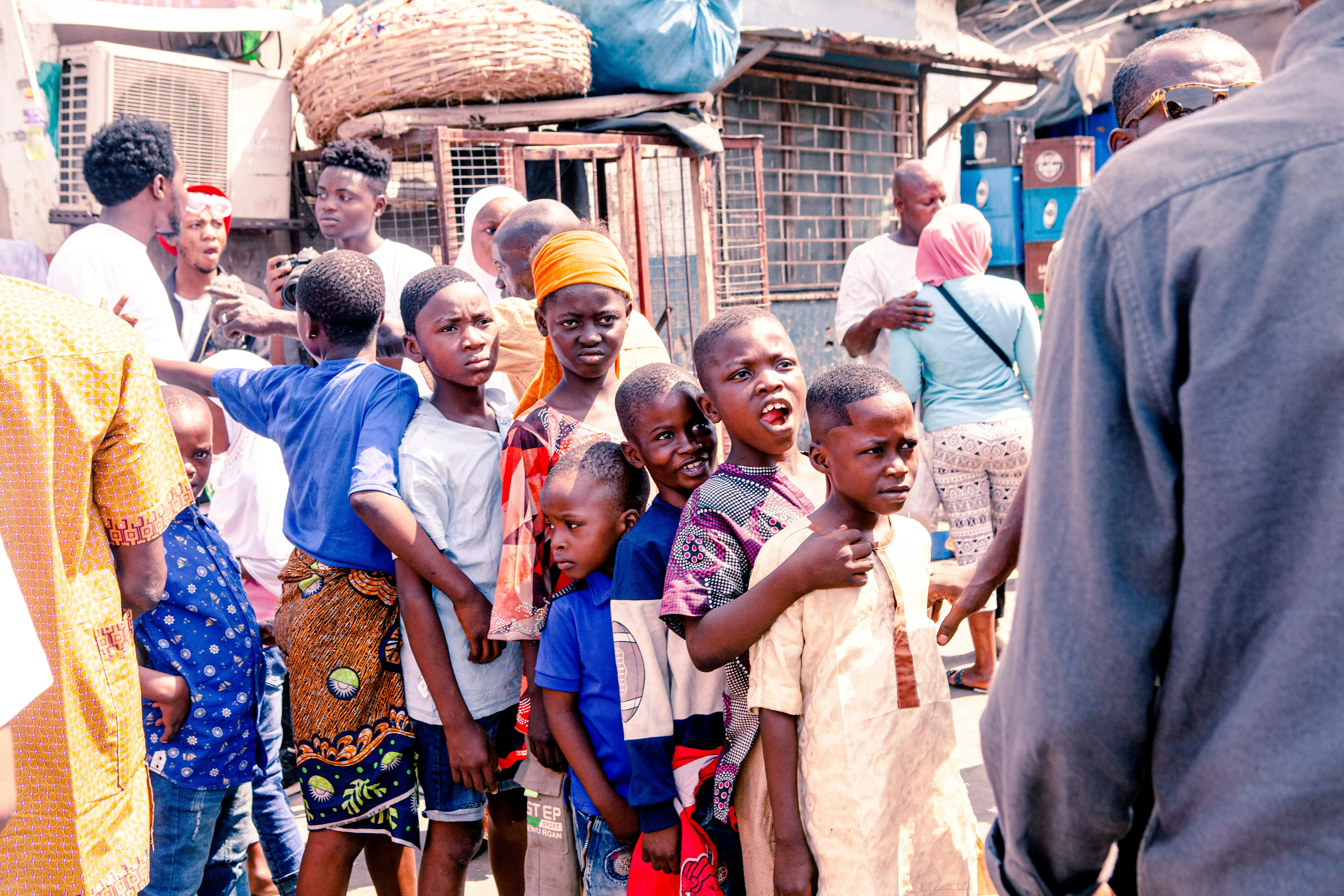
Nigeria’s orphan population stands at 17.5 million, with figures measured in 2024, making it one of the highest globally. Persistent issues such as poverty, conflict and health crises contribute to the numbers. As of 2022, about 372,502 children were orphaned due to COVID-19, underscoring how the pandemic compounded existing vulnerabilities among Nigerian children.
3. Ethiopia
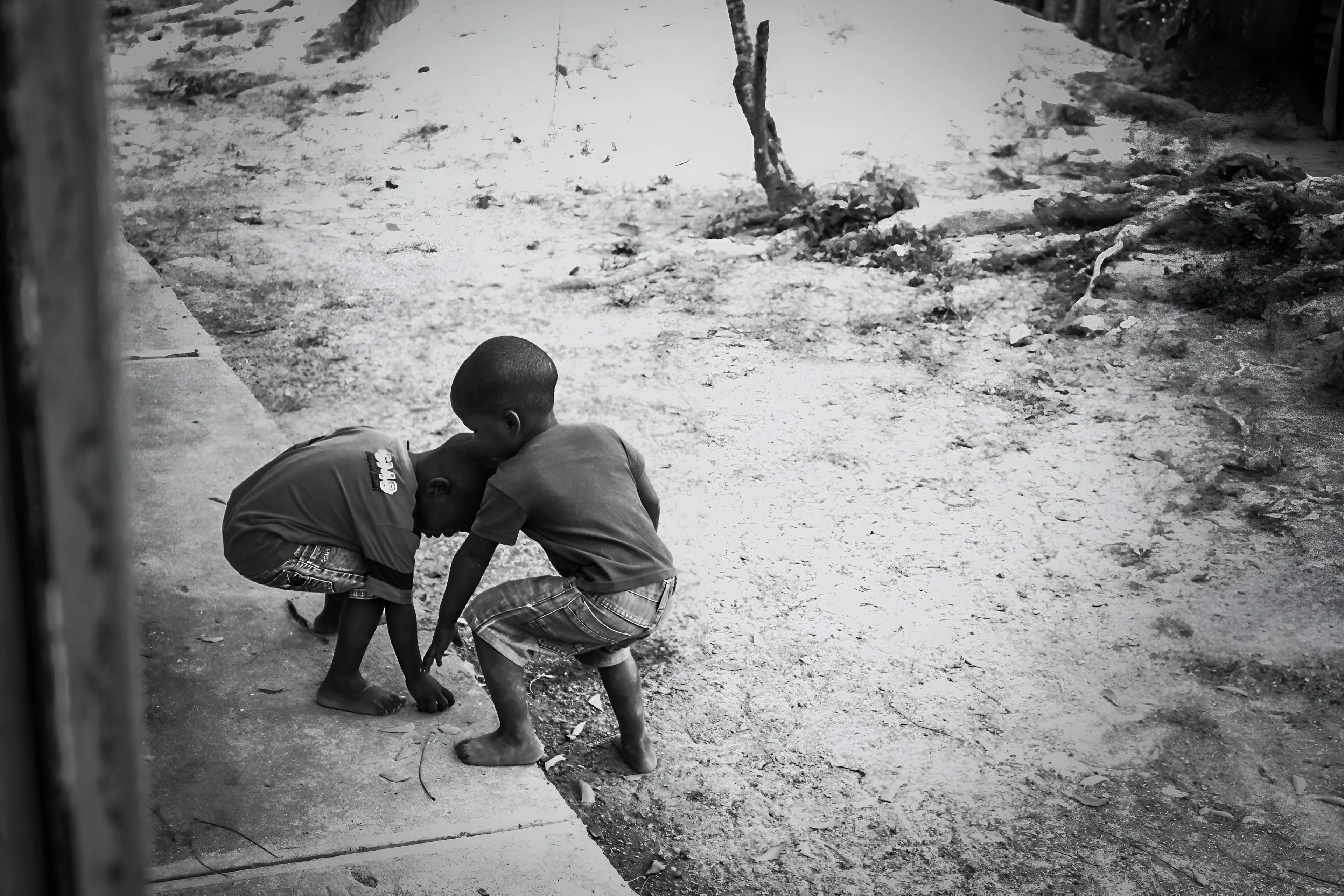
Ethiopia recorded an estimated 5.6 million orphans, according to data measured in 2024. Prolonged conflict, food insecurity and health challenges continue to affect children across the country. The COVID-19 pandemic added to this burden, with 197,410 children reported to have lost parental care by 2022, intensifying pressures on already strained social support systems.
4. Iraq
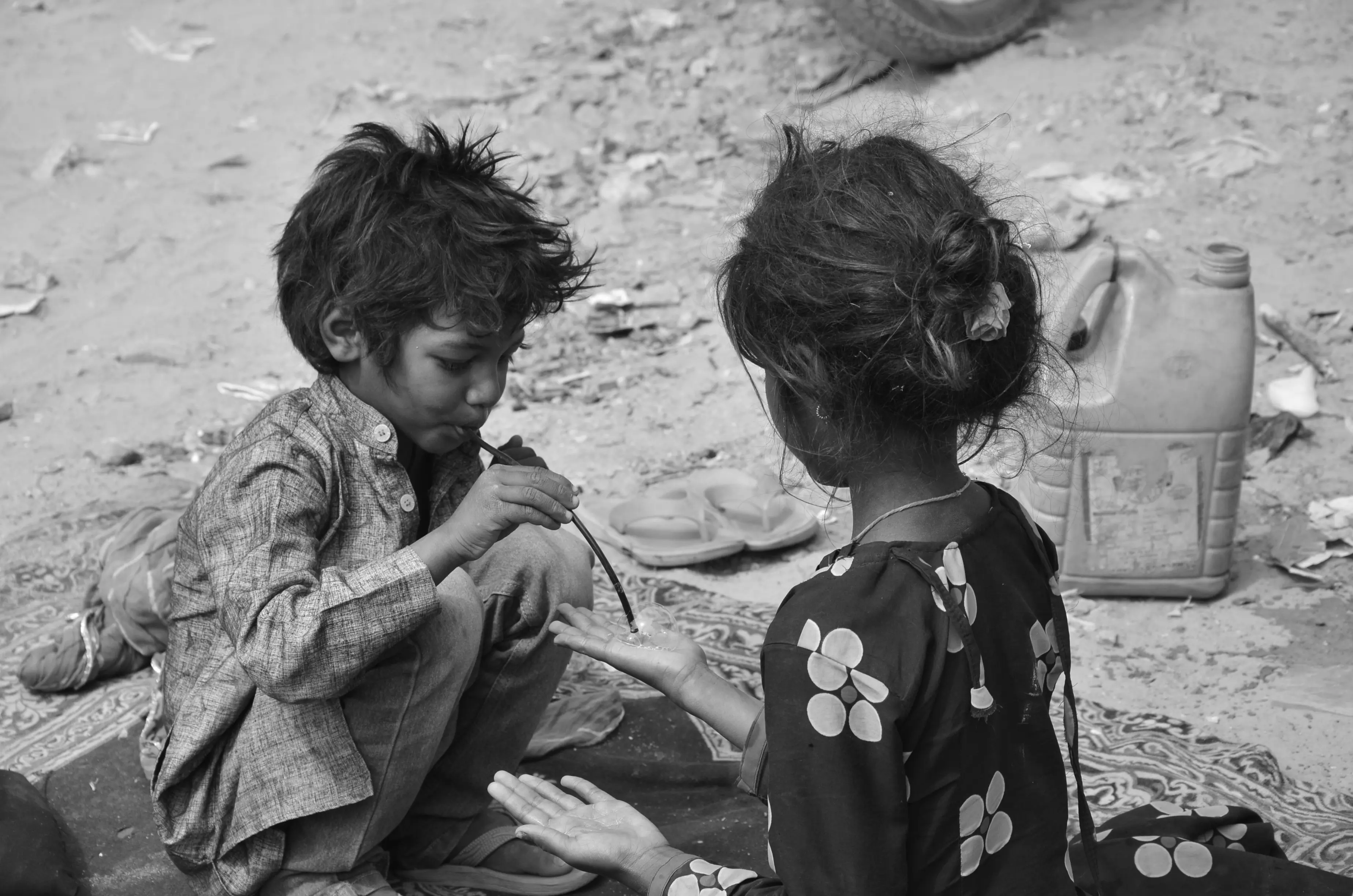
Iraq’s orphan population is estimated at 5 million, based on figures measured in 2021. Decades of conflict and instability remain key drivers of child orphanhood. The pandemic further deepened the crisis, with 113,591 children orphaned due to COVID-19 as of 2022, reflecting the compounded effects of war and public health emergencies.
5. Bangladesh
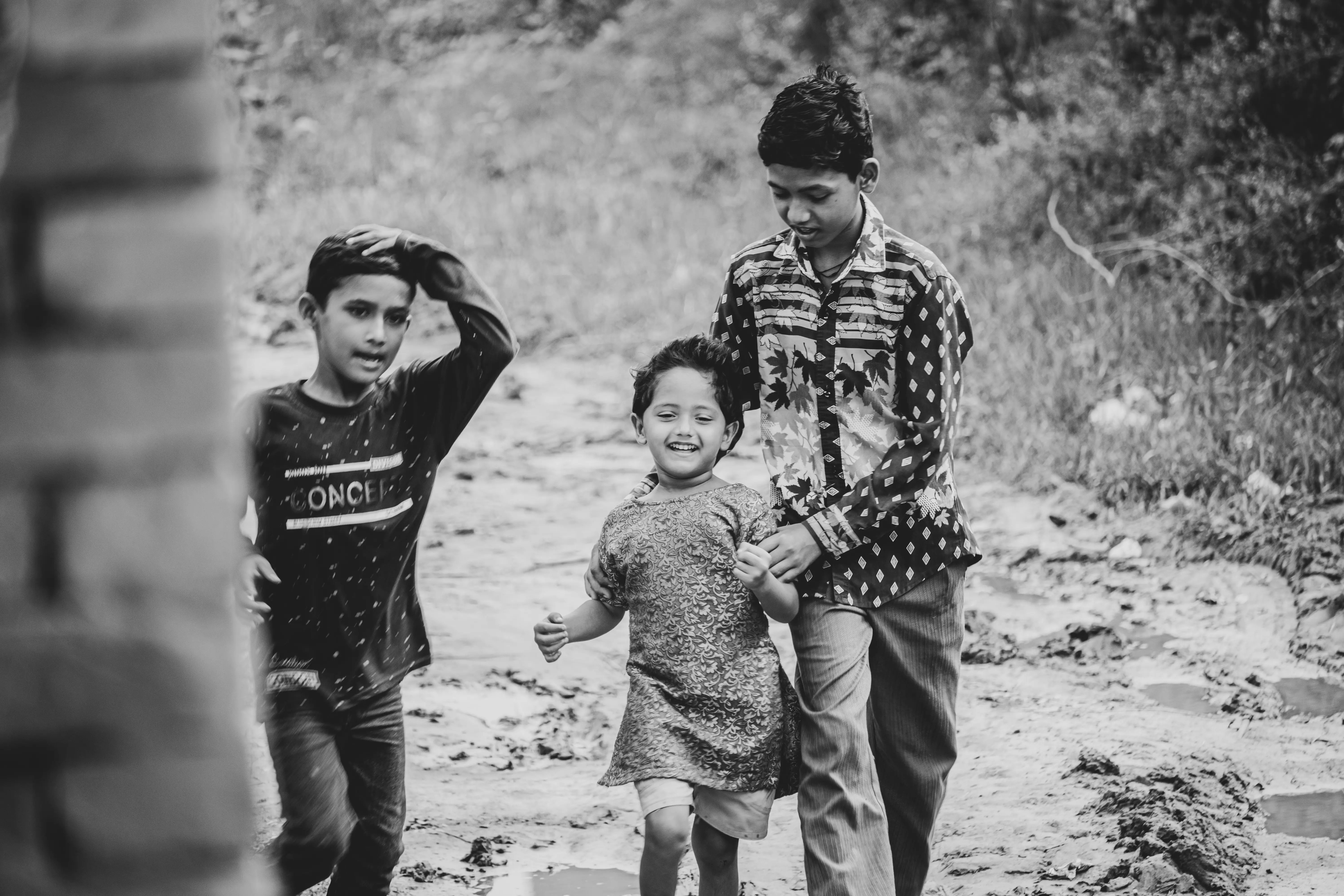
Bangladesh has around 4.8 million orphans, though the data was last measured in 2014, indicating the need for updated assessments. Despite this, the COVID-19 impact is documented, with 29,580 children orphaned by the pandemic as of 2022. The figures highlight persistent child welfare challenges in a densely populated and disaster-prone country.
6. Pakistan
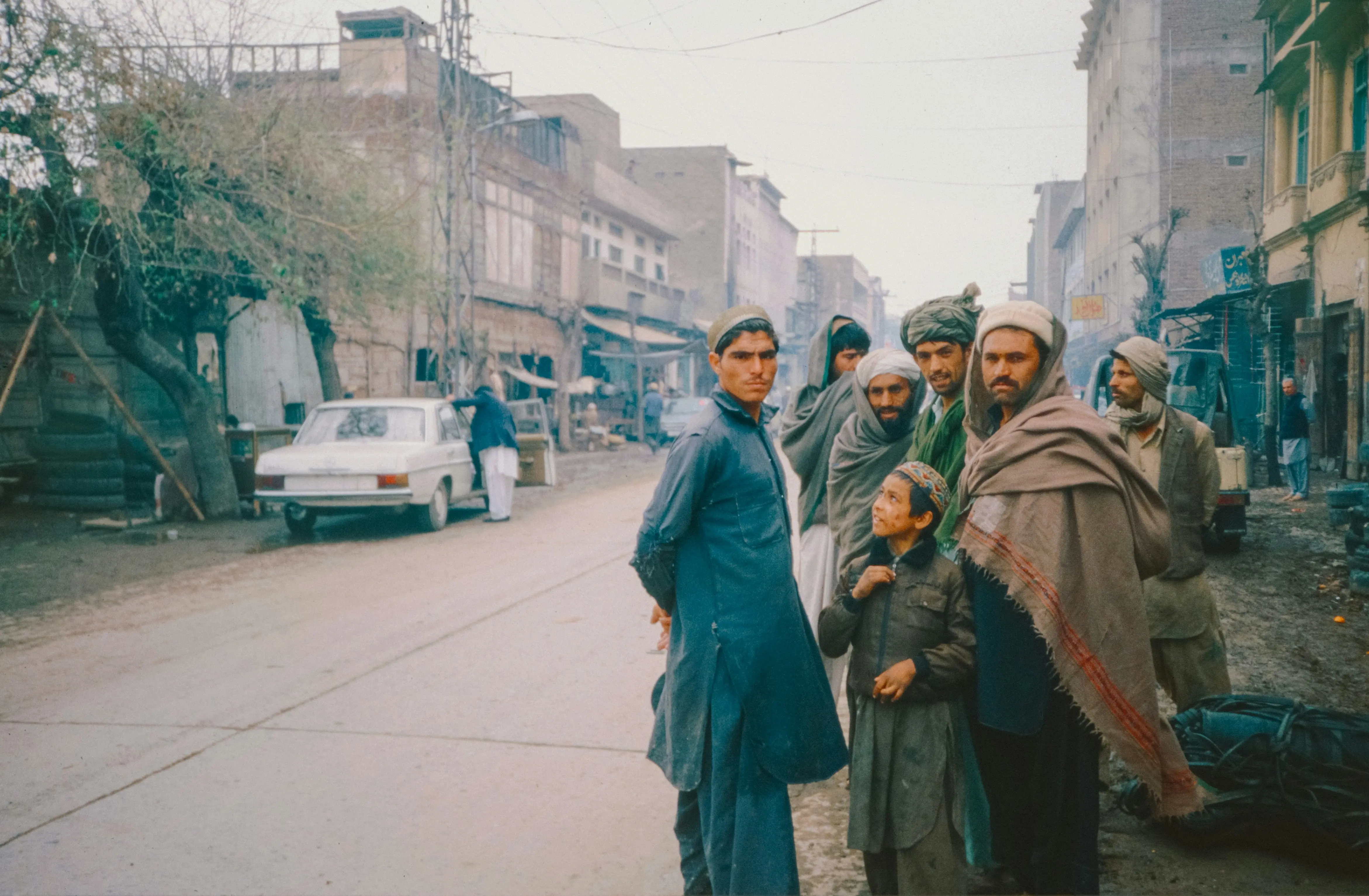
Pakistan’s orphan population is estimated at 4.5 million, with data measured in 2024. Factors such as poverty, limited healthcare access and regional instability play a role. The COVID-19 pandemic orphaned 363,947 children by 2022, revealing the scale of indirect human loss caused by the health crisis across Pakistani society.
7. Indonesia
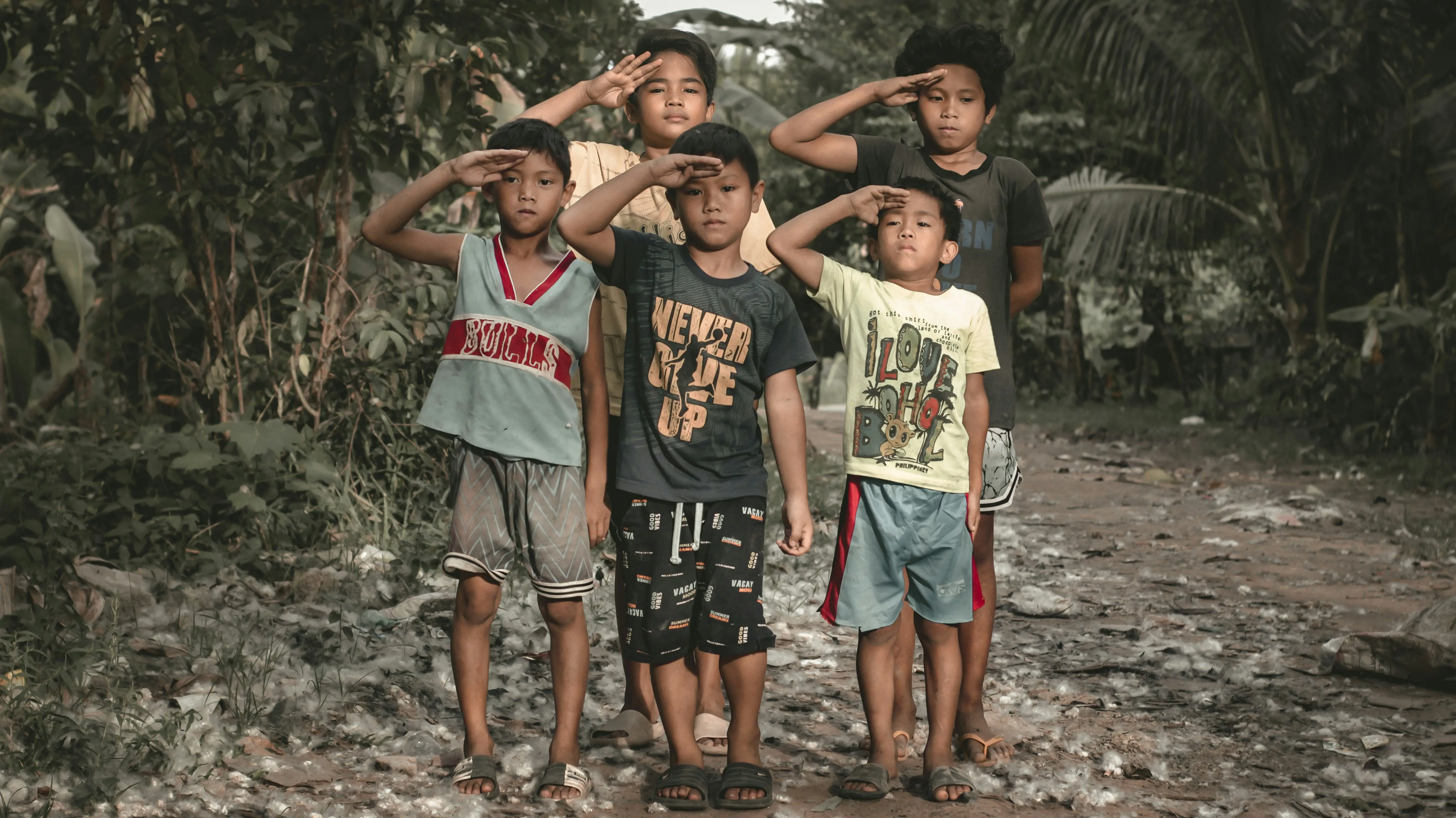
Indonesia recorded an estimated 4.4 million orphans, based on data measured in 2024. Natural disasters, economic inequality and health issues contribute to these numbers. The COVID-19 pandemic had a severe impact, with 449,517 children orphaned by 2022, one of the highest COVID-related orphan figures globally, reflecting the virus’s widespread toll.
)
)
)
)
)