Without these weapon, Bangladesh's Eurofighter Typhoon deal is useless! What are they?

These systems are effective against drones or subsonic aircraft but are largely incapable of intercepting supersonic cruise missiles or high-altitude ballistic missiles.
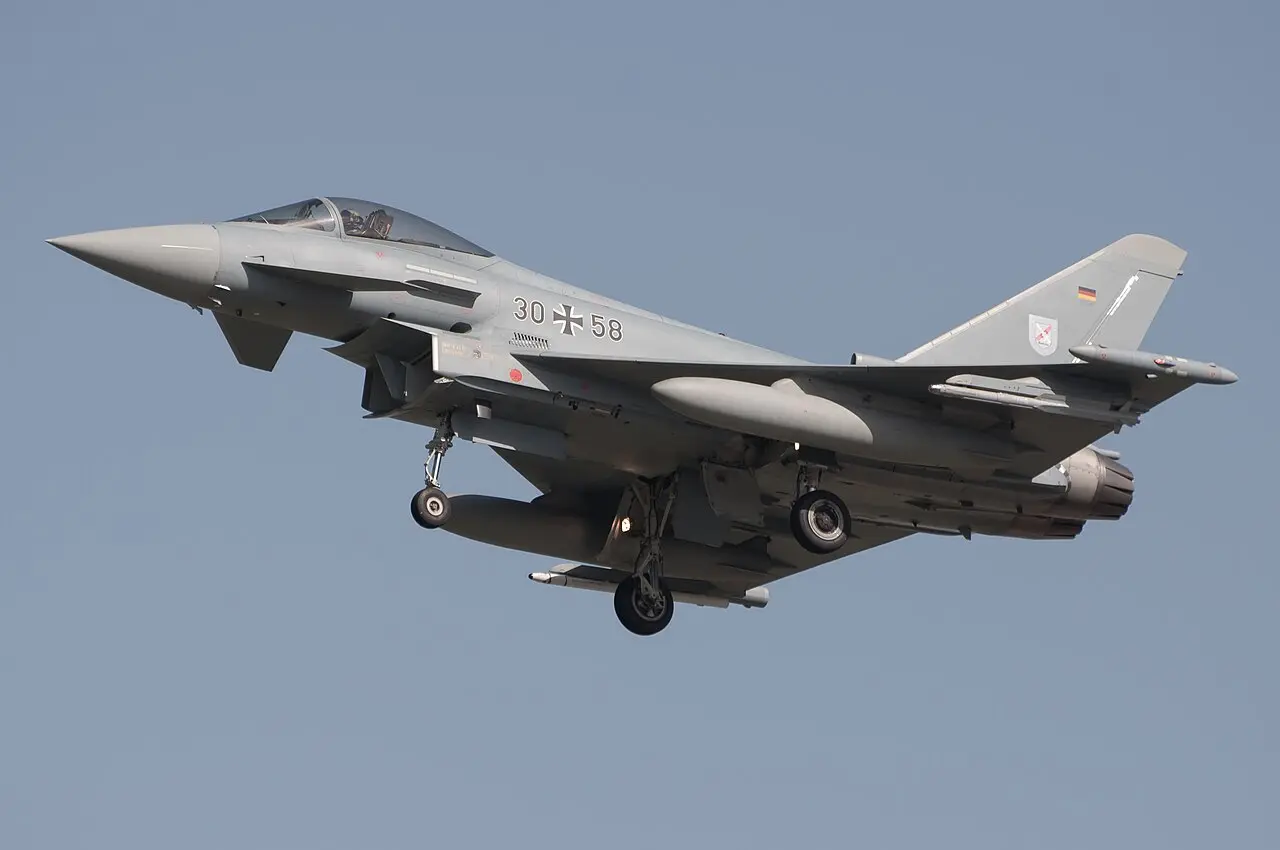
1. The "Glass Cannon" Problem
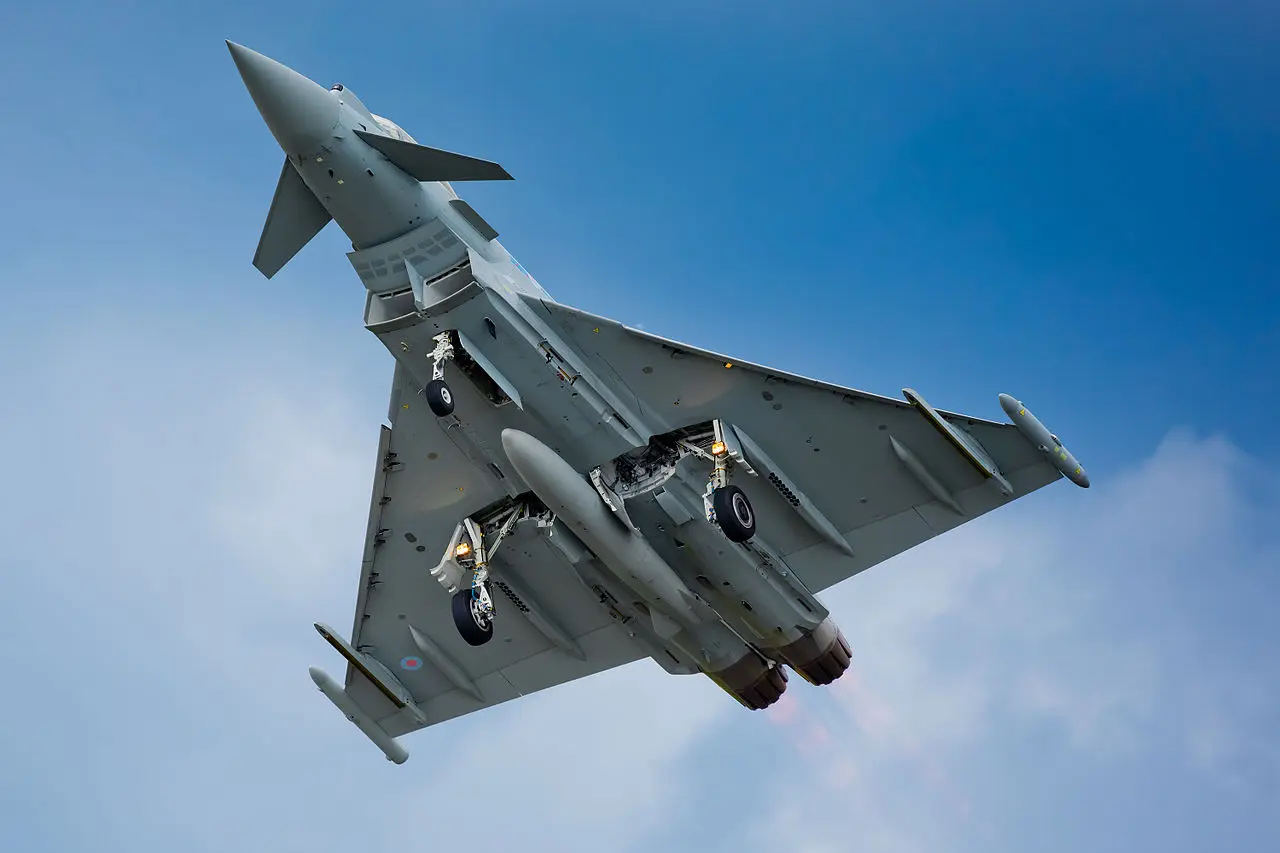
The Eurofighter Typhoon is an air-superiority beast, designed to dominate the sky. However, like all fighter jets, it is incredibly fragile on the ground. Without a formidable long-range Surface-to-Air Missile (SAM) system (like the Russian S-400 or American Patriot) to protect the airbases, the Typhoons are vulnerable to a "first strike."
The Vulnerability: Bangladesh lacks strategic depth. Its primary airbases (Kurmitola in Dhaka, Zahurul Haque in Chattogram) are within minutes of flight time from neighboring borders.
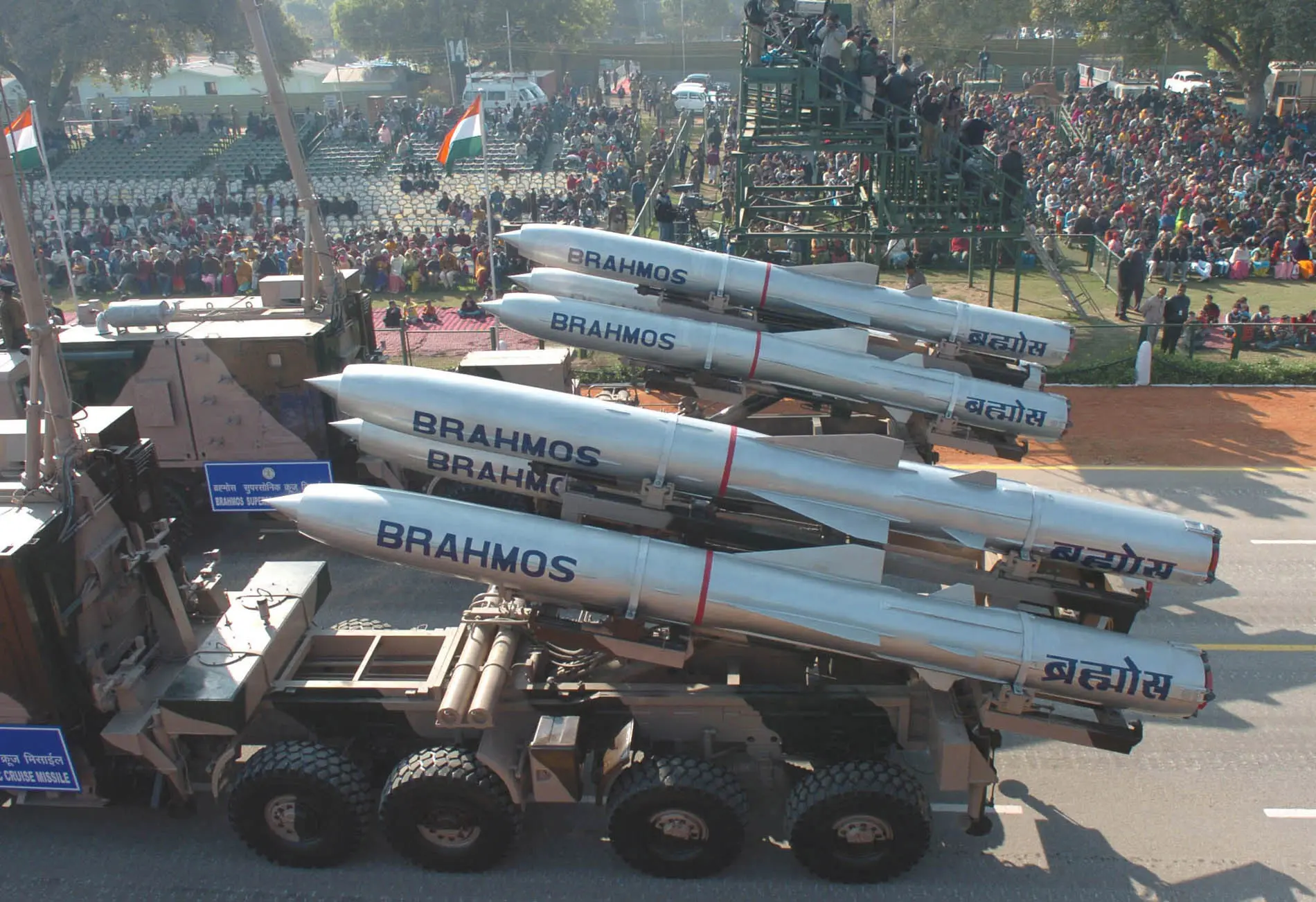
2. The "BrahMos" Nightmare Scenario
In a hypothetical conflict with a neighbour like India, the primary threat isn't an aerial dogfight; it is a cruise missile strike.
The Math: A supersonic cruise missile (like the BrahMos) can cross the border and hit Bangladeshi airbases in less than 5 minutes.
The Reality: Without a high-end interceptor system, BAF pilots cannot scramble their Typhoons fast enough. The runways would likely be cratered before the pilots could even taxi to the tarmac, turning the $3 billion fleet into grounded paperweights.
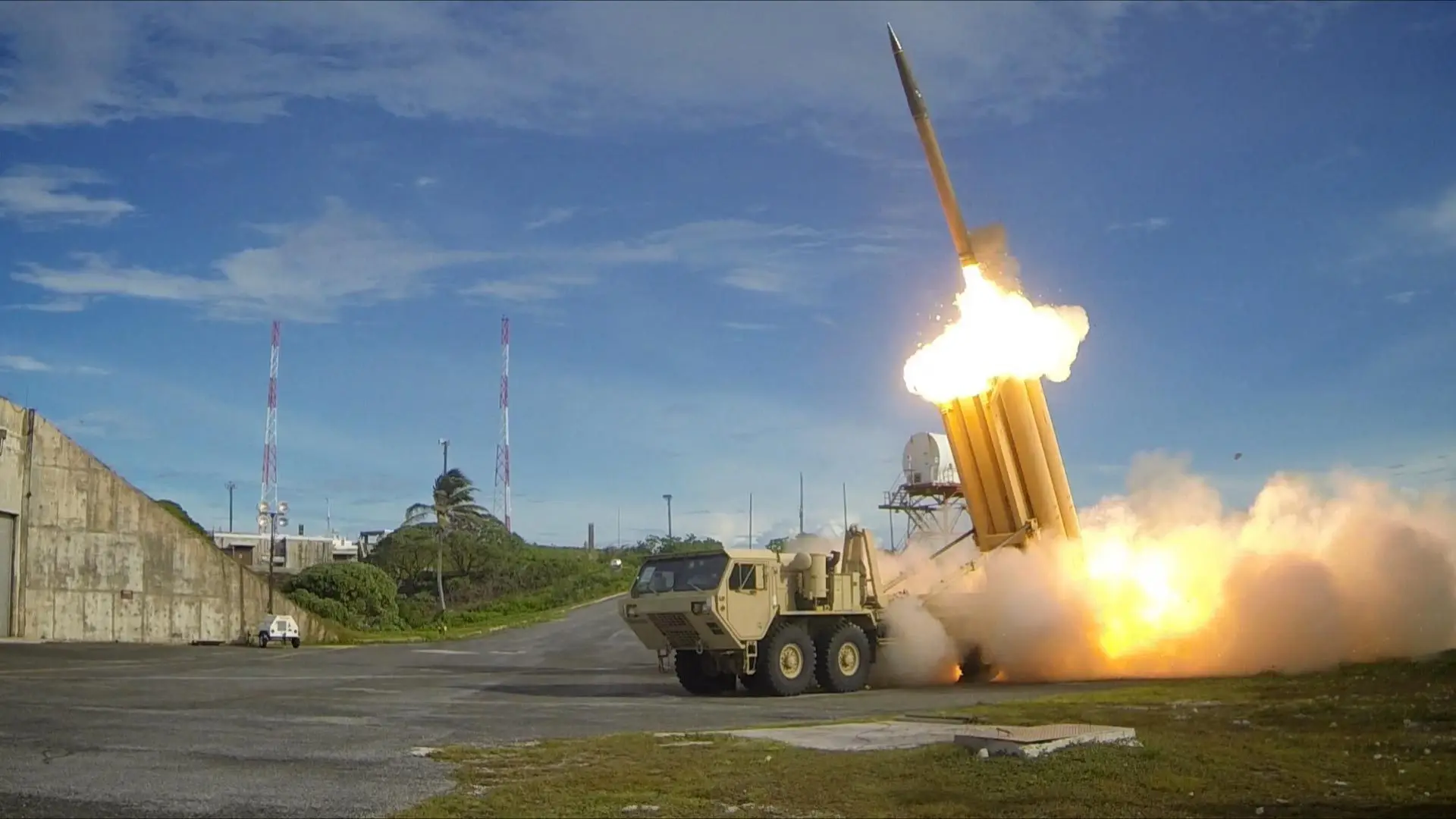
3. Current Air Defense is Inadequate
Bangladesh currently relies on short-to-medium range air defence systems, primarily the Chinese FM-90 and LY-80.
The Gap: These systems are effective against drones or subsonic aircraft but are largely incapable of intercepting supersonic cruise missiles or high-altitude ballistic missiles. They lack the "anti-access/area denial" (A2/AD) capability needed to create a safe "bubble" for the Typhoons to operate from.
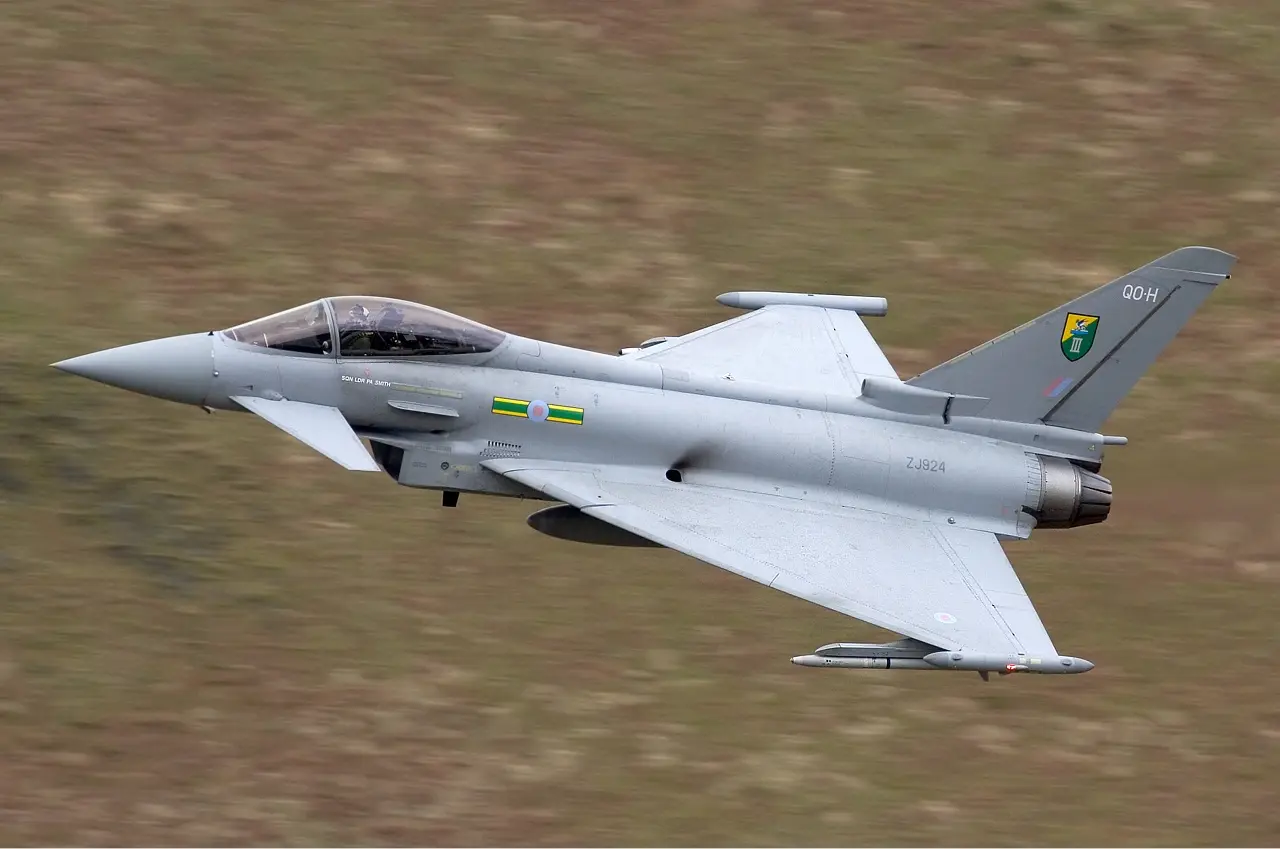
4. The "One-Way" Budget Trap
The reason Bangladesh hasn't bought an S-400 equivalent is likely financial.
The Cost: The Eurofighter deal is estimated to cost over $3 billion. An S-400 regiment costs another $2.5 billion (based on Turkey/India deals).
The Squeeze: With a defence budget of roughly $3.7 billion and ongoing IMF loan pressures, Dhaka effectively spent its entire modernisation budget on the planes, leaving zero room for the protection they need to survive.
5. The Lesson from Ukraine
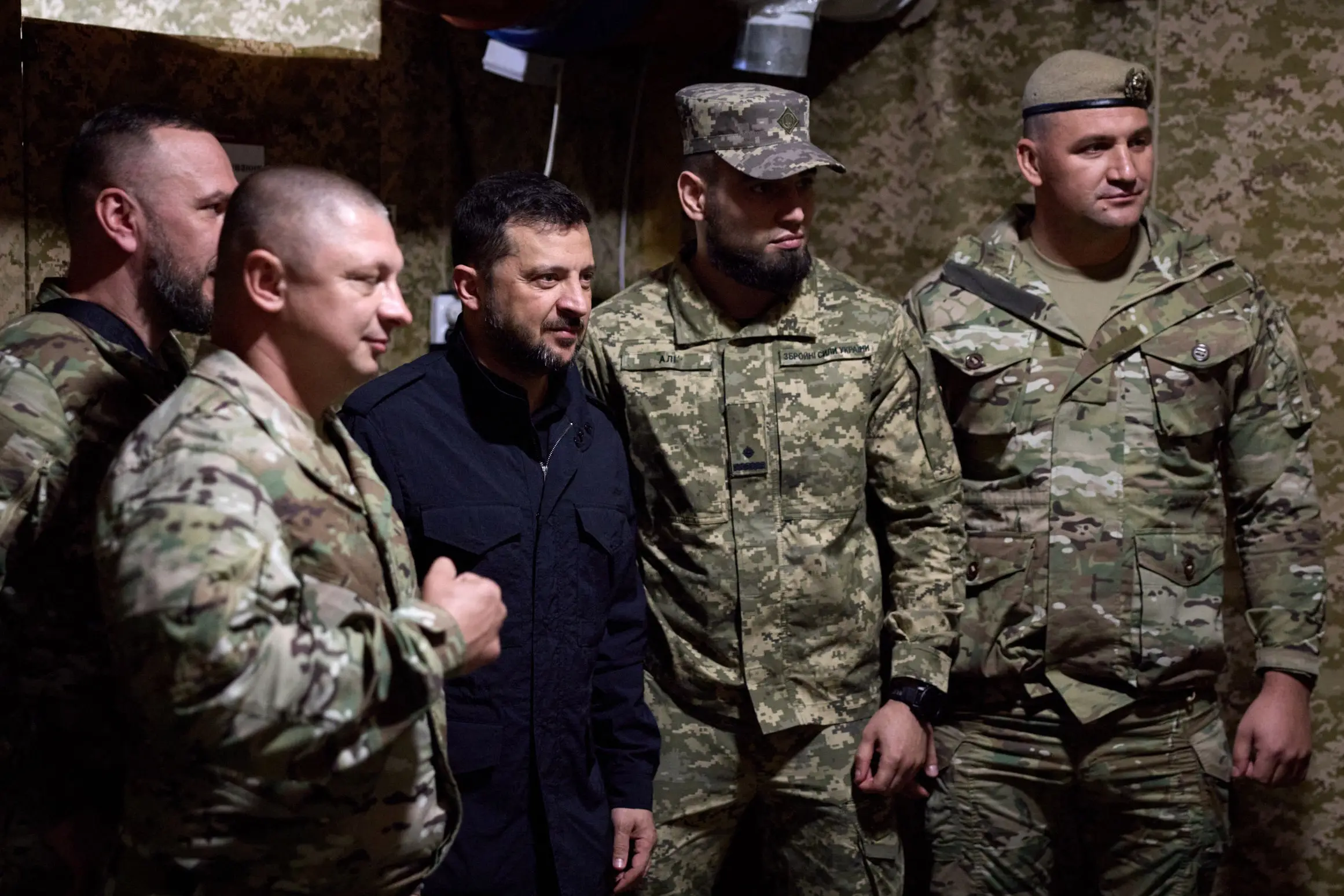
Modern warfare has proven that air forces cannot operate without a dense SAM network. Ukraine has managed to keep its jets flying only because of heavy air defence layers (S-300, Patriot, NASAMS). Bangladesh is attempting to skip this step, creating an air force that looks powerful on paper but is defenceless in practice against a near-peer adversary.
The Bottom Line:
Until Bangladesh acquires a long-range missile shield, the Eurofighter Typhoon represents a "prestige purchase" rather than a resilient military capability. In a high-intensity war, they would likely be destroyed on the ground before firing a single shot.
)
)
)
)
)