Without crossing borders: How the US can hit Iranian targets using 1,500-km standoff weapons

The US can strike Iranian targets from 1,600 km away using JASSM-XR and Tomahawk missiles. This standoff strategy keeps pilots safe from S-300 air defences while hitting hardened sites with 450 kg warheads. B-1B bombers and naval vessels provide the heavy firepower needed.
Striking from 1,600 kilometres away
The US military has perfected a strategy known as 'standoff strikes', allowing them to hit targets without crossing into enemy territory. By launching weapons from a distance of 1,600 kilometres or more, American forces stay well outside the range of Iranian surface-to-air missiles. This method prioritises the safety of pilots while delivering devastating capabilities against military infrastructure. It fundamentally shifts the balance of power by removing the risk of losing aircraft to enemy fire.
JASSM-XR range covers 1,800 kilometres
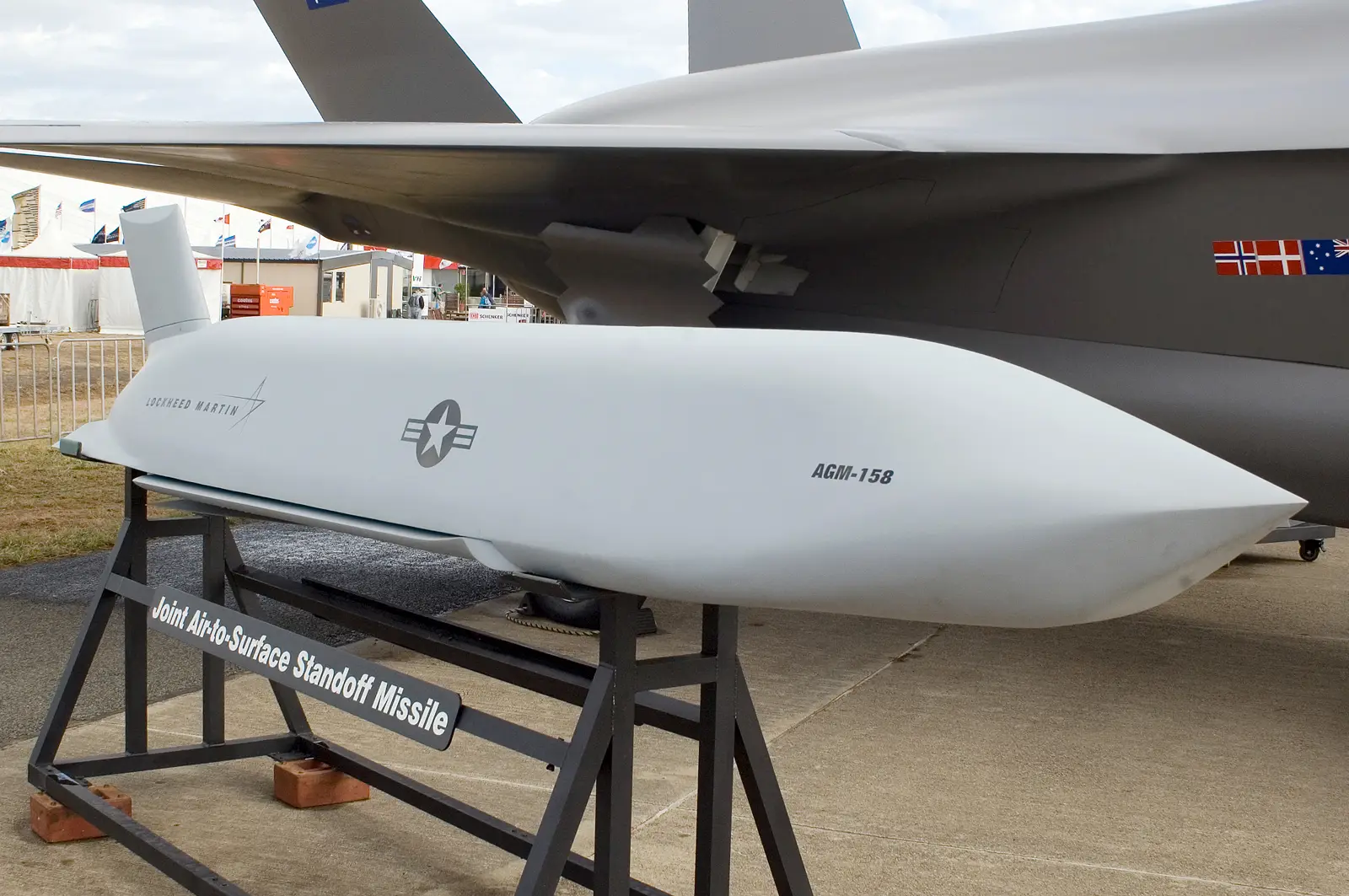
The AGM-158B-2 JASSM-XR is the cornerstone of this long-range capability, offering a massive reach of approximately 1,800 kilometres. This air-launched cruise missile allows bombers to release their payload while flying safely over friendly nations or international waters. It carries a heavy 450-kilogramme warhead designed to penetrate hardened structures with extreme precision. The missile's stealthy design makes it difficult for radar systems to detect until it is too late.
B-1B Lancer carries 24 missiles
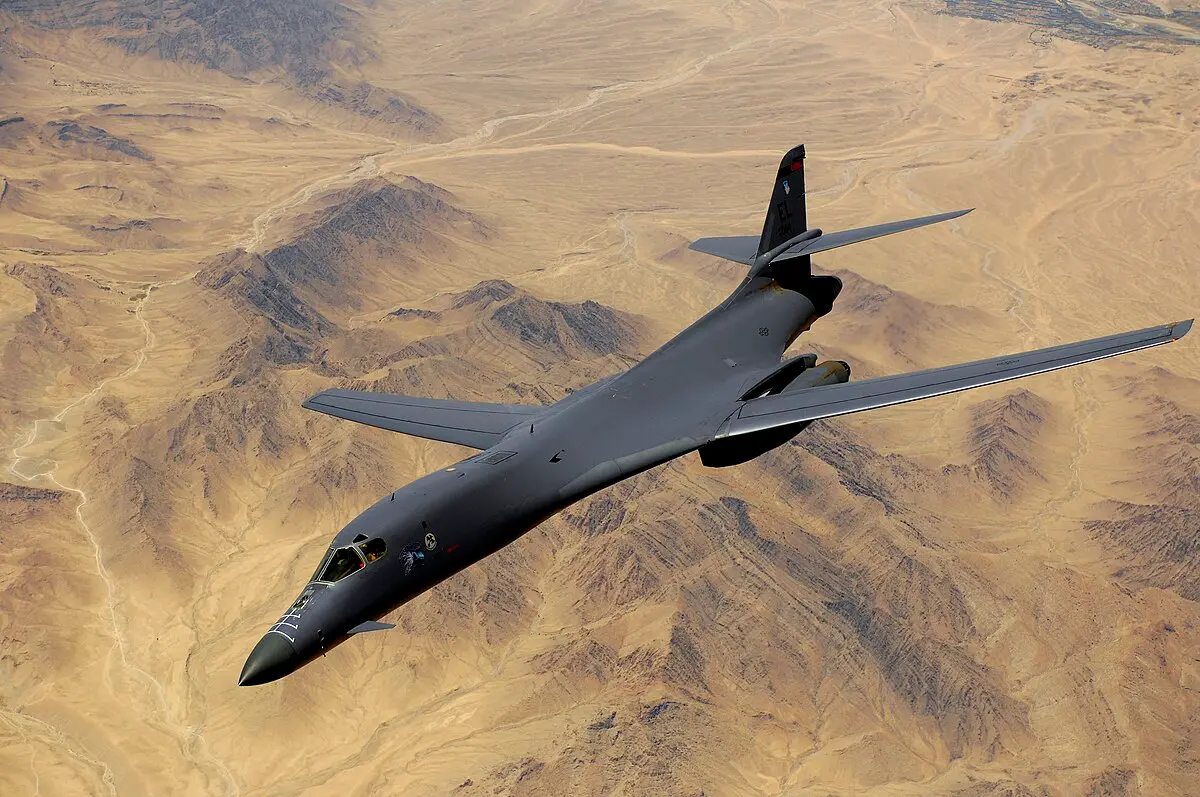
The B-1B Lancer bomber serves as a heavy truck for these missions, capable of carrying up to 24 JASSM missiles in its internal bays. A single formation of these bombers can unleash a swarm of weapons that would overwhelm any air defence network. These aircraft can take off from distant bases, fly to the launch point, and return without ever entering Iranian airspace. This high payload capacity allows the US to strike dozens of targets simultaneously.
Tomahawks hit from 1,600 kilometres
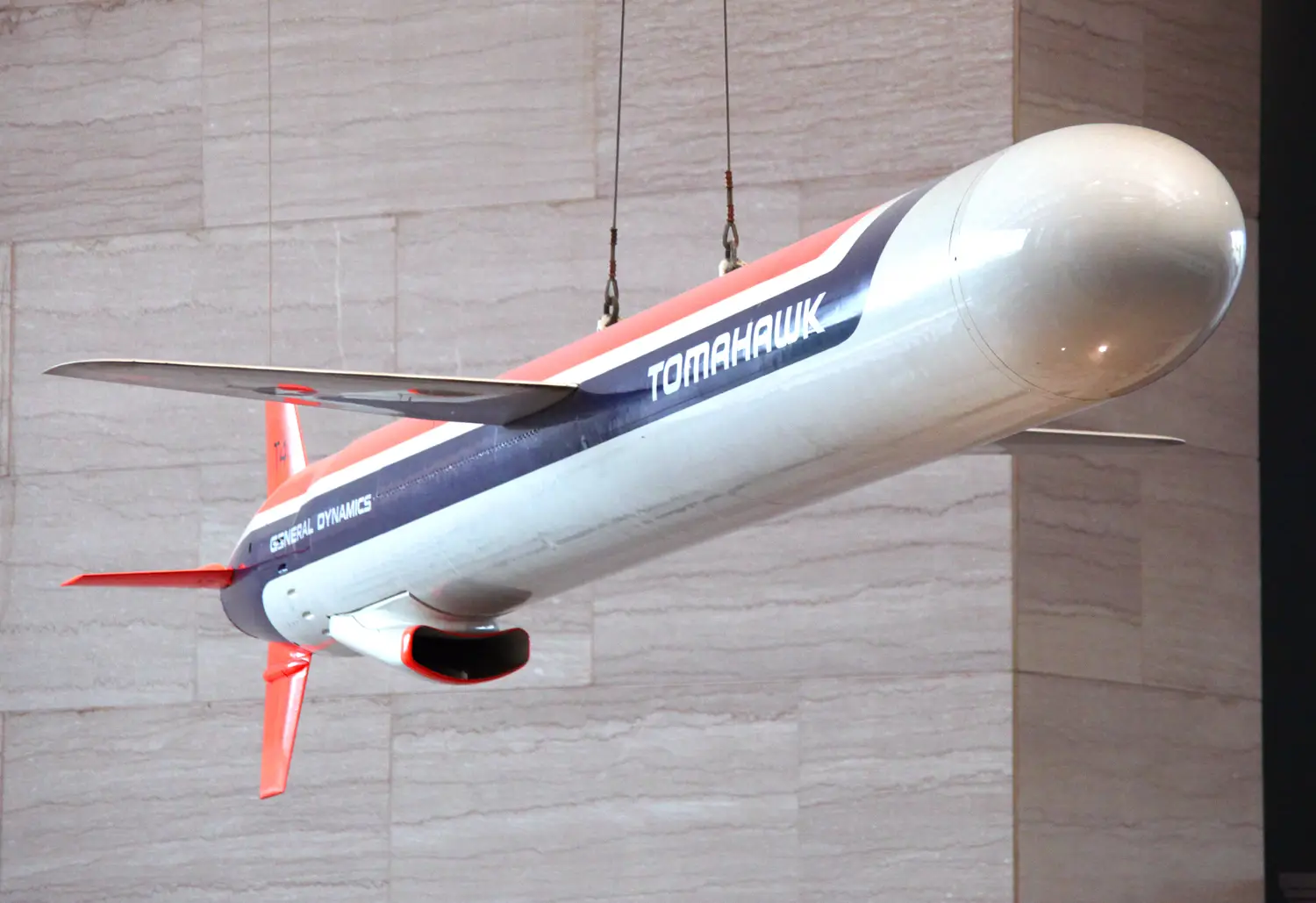
The US Navy supports this standoff capability with its fleet of destroyers and submarines armed with Tomahawk cruise missiles. These sea-launched weapons have a proven operational range of over 1,600 kilometres, allowing them to strike from the Arabian Sea or the Persian Gulf. The latest Block V variants include improved navigation systems that allow for mid-course updates. This ensures that naval forces can contribute to a large-scale strike without moving ships into dangerous coastal waters.
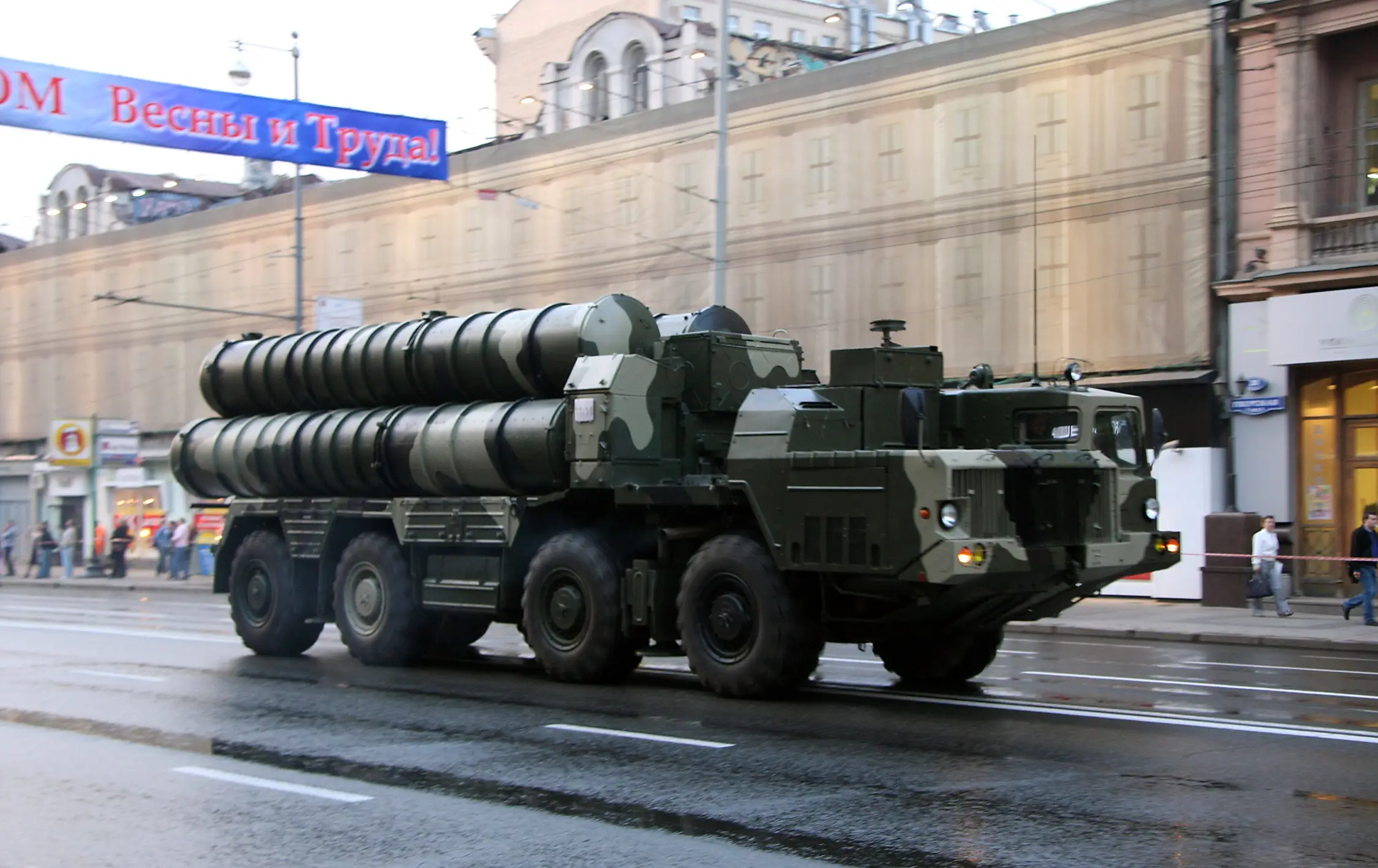
Avoiding S-300 radar range of 200 km
Iran relies heavily on air defence systems like the Russian-made S-300, which can engage aircraft up to 200 kilometres away. However, US standoff weapons are launched from distances seven or eight times greater than this defensive ring. By the time the missiles enter Iranian airspace, the launch aircraft are already turning back to safety. This renders the S-300 effective only against the missiles themselves, not the platforms launching them.

450 kg warheads penetrate reinforced concrete
Many standoff weapons are equipped with a 450-kilogramme penetrator warhead specifically designed for hardened targets. This capability is essential for destroying Iran’s underground command centres and nuclear research facilities. The warhead uses kinetic energy and delayed fuses to bury itself deep into concrete structures before exploding. This ensures that even deeply buried assets are not safe from a strike launched from thousands of kilometres away.
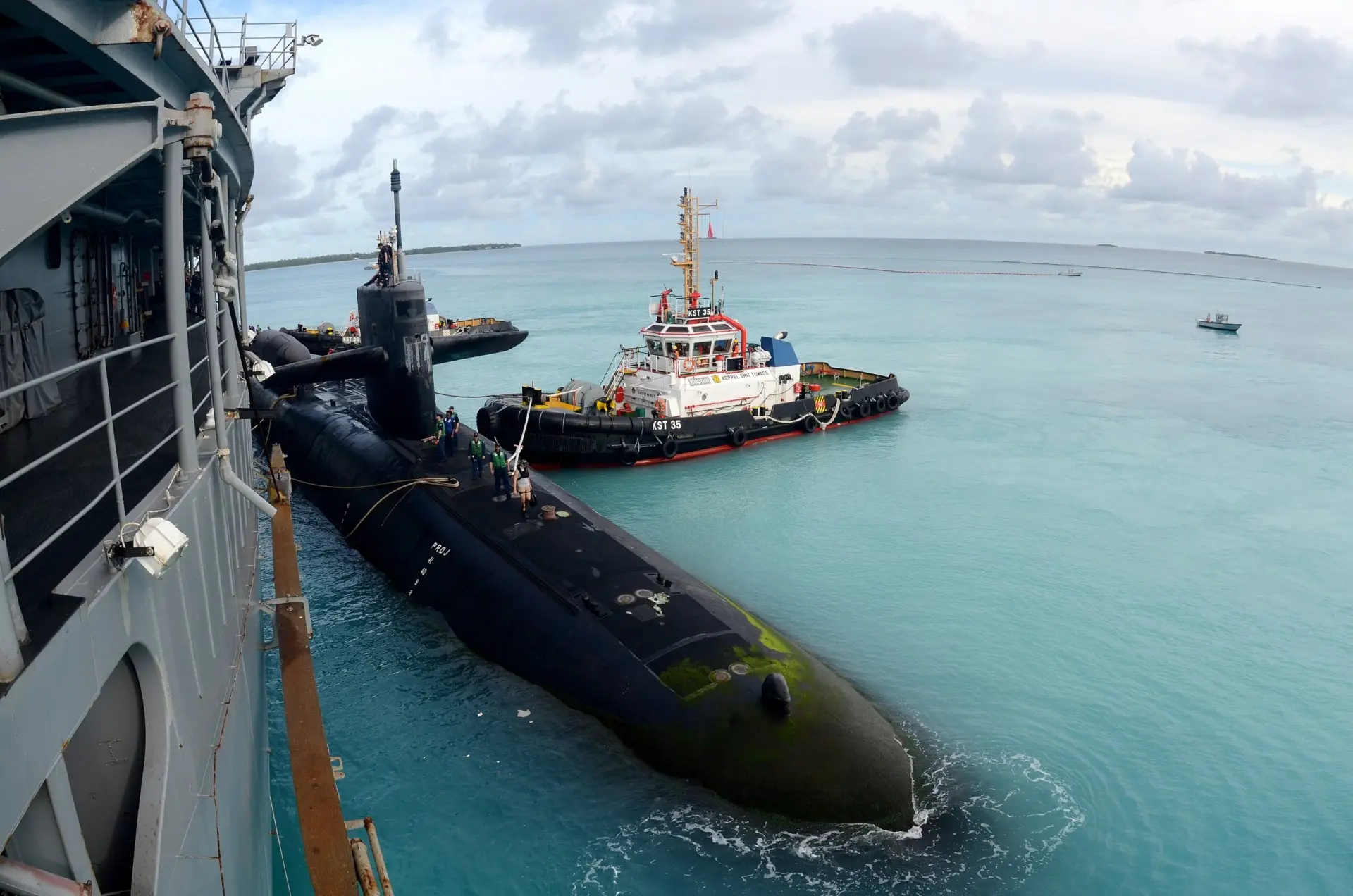
Launch points from Diego Garcia
The remote island base of Diego Garcia in the Indian Ocean provides a strategic launch point roughly 4,000 kilometres from Iran. Heavy bombers like the B-1B or B-52 can fly from this secure location, refuel mid-air, and reach their launch positions within hours. This logistical advantage allows the US to sustain a bombing campaign without relying on bases in Middle Eastern countries that might deny access. It gives operational freedom independent of regional politics.
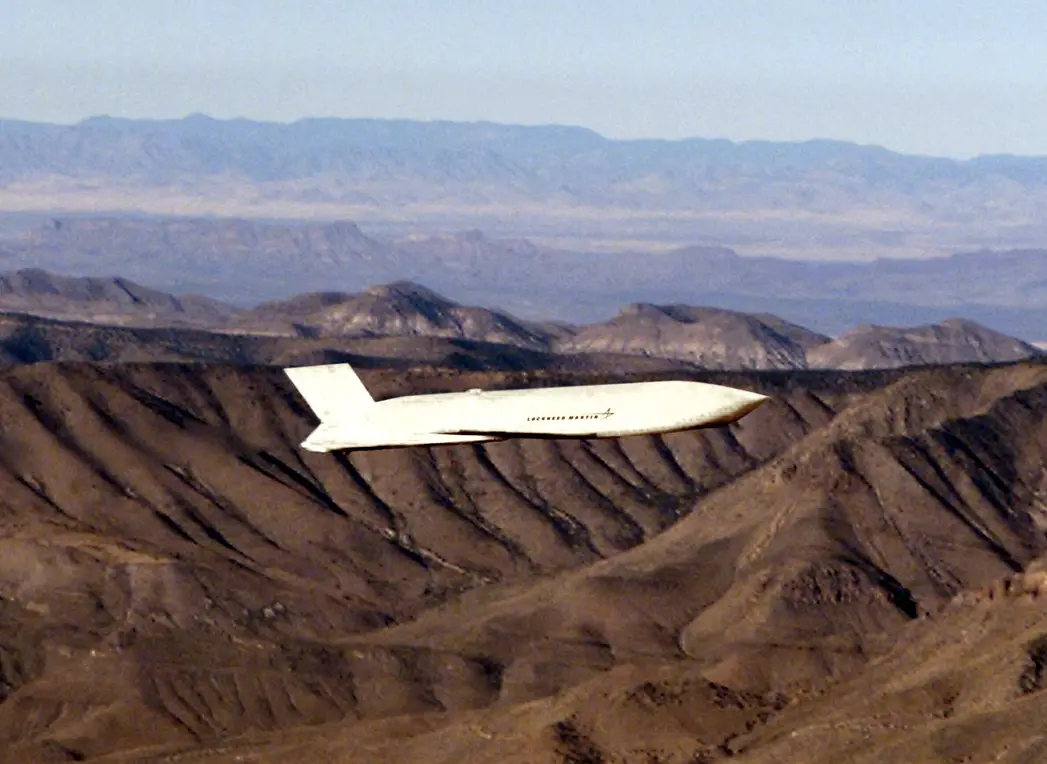
Missiles cost $1.5 million each
While the cost of a single JASSM or Tomahawk missile is approximately $1.5 million, it is significantly cheaper than losing a manned aircraft. A modern fighter jet costs nearly $100 million, not including the invaluable life of the pilot. Using disposable standoff munitions is a financially sound strategy for high-risk initial strikes. This economic trade-off allows commanders to authorise aggressive attacks on dangerous targets.
Precision accuracy of 3 metres
Modern standoff weapons utilise a combination of GPS and Inertial Navigation Systems (INS) to achieve an accuracy of within three metres. This level of precision is critical when targeting specific buildings within a larger military complex. It minimises collateral damage to surrounding civilian areas while ensuring the intended target is destroyed. The missiles can even be programmed to strike specific ventilation shafts or doors.
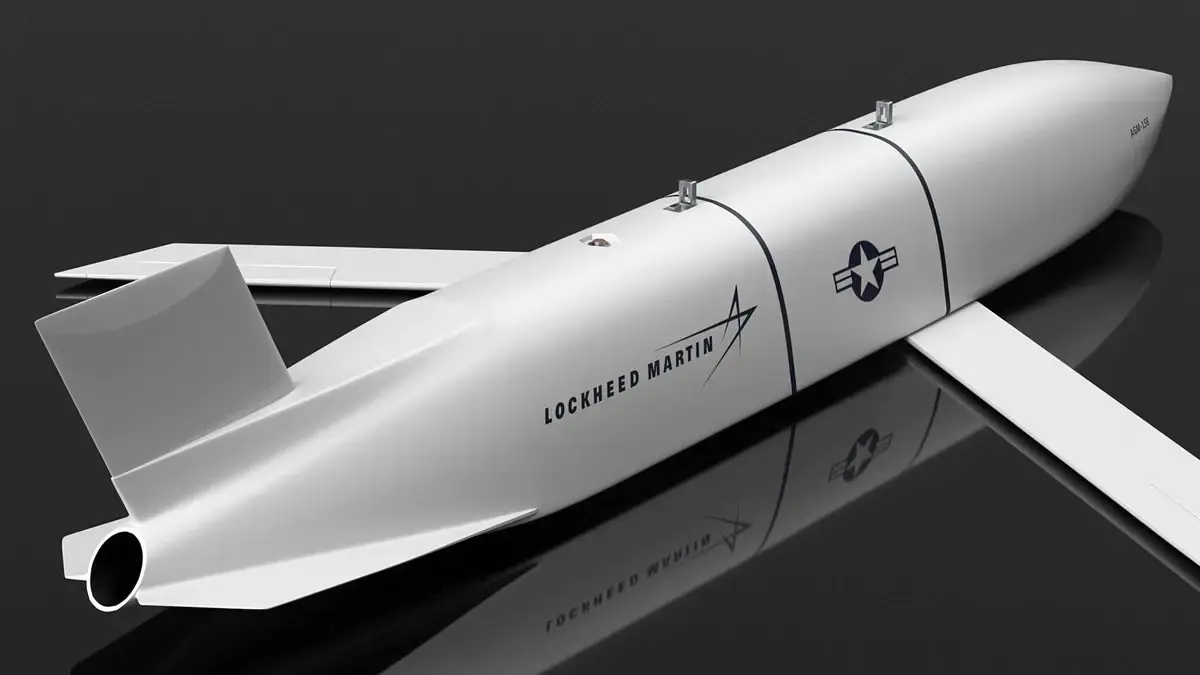
Mass production ramps up by 50 per cent
To prepare for potential conflicts, the US is increasing its production of long-range anti-ship and land-attack missiles by over 50 per cent. Stockpiles of JASSM and Tomahawk missiles are being replenished to ensure a sustained strike capability is available. This industrial ramp-up signals a shift towards preparing for high-intensity conflicts with major powers. It ensures that the military does not run out of ammunition during a prolonged campaign.
)
)
)
)
)