'War sirens': Can Yemen Houthis hijack USS Abraham Lincoln if it strikes Iran?

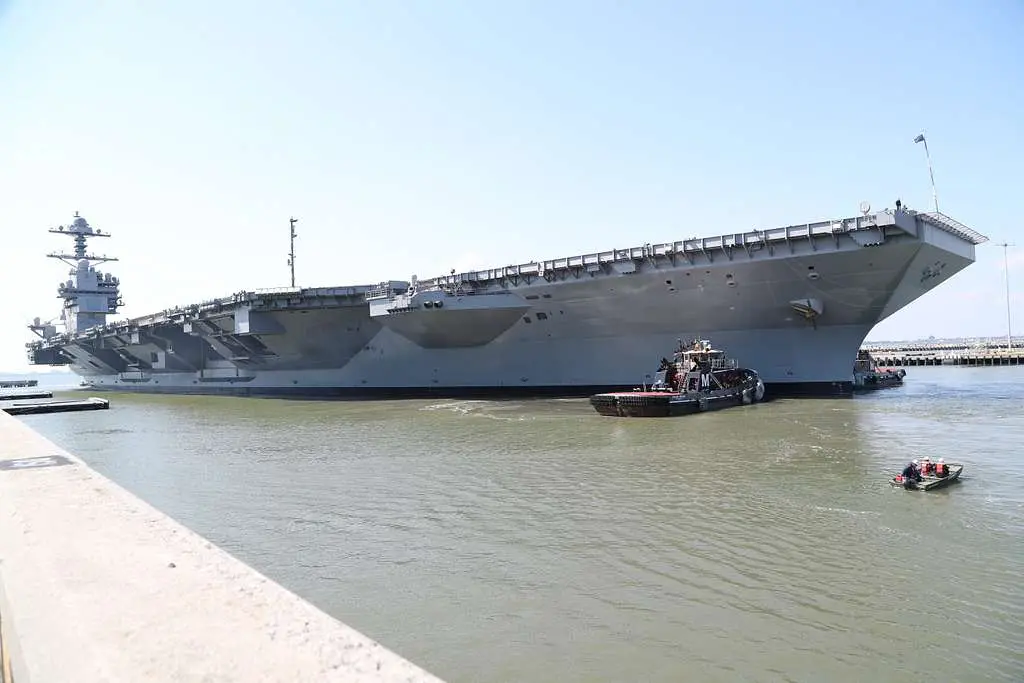
The USS Abraham Lincoln (CVN-72) is a 100,000-ton Nimitz-class nuclear-powered supercarrier. It is essentially a sovereign mobile airbase that travels at speeds exceeding 30 knots (about 35 mph).
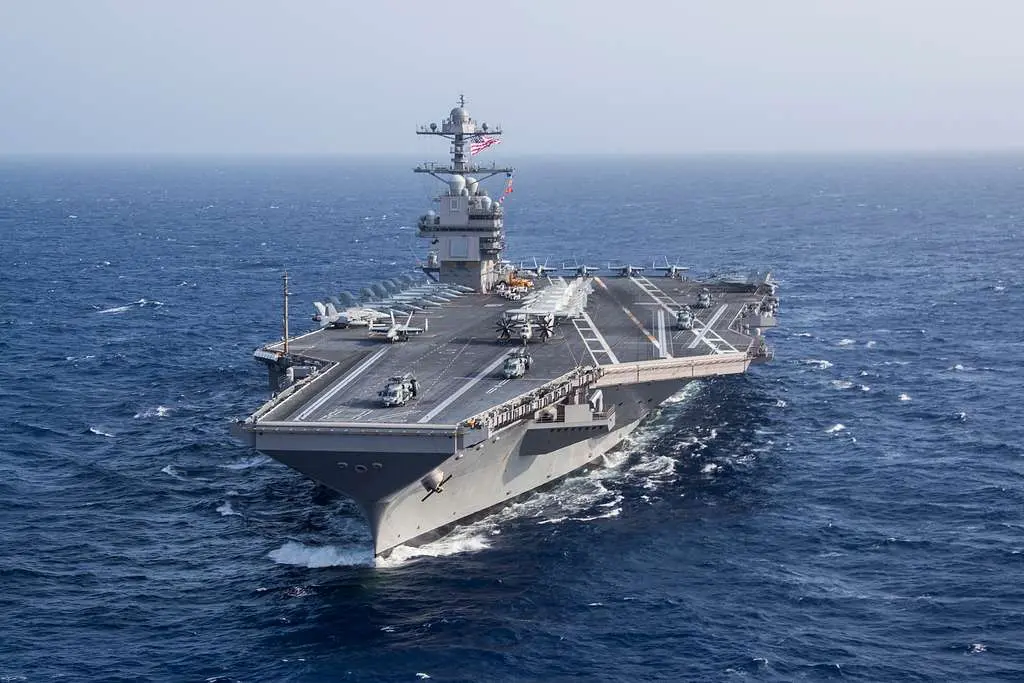
1. The Houthi Hijacking Playbook
The Houthis have a proven track record of maritime piracy, most notably the November 2023 hijacking of the Galaxy Leader. Their preferred tactic involves descending onto the decks of slow-moving, unarmed commercial vessels via helicopter or swarming them with armed skiffs. Recently, they have upgraded to complex "swarm" tactics using explosive drone boats and UAVs simultaneously. However, executing this against a civilian cargo ship is entirely different from approaching a sovereign U.S. warship.
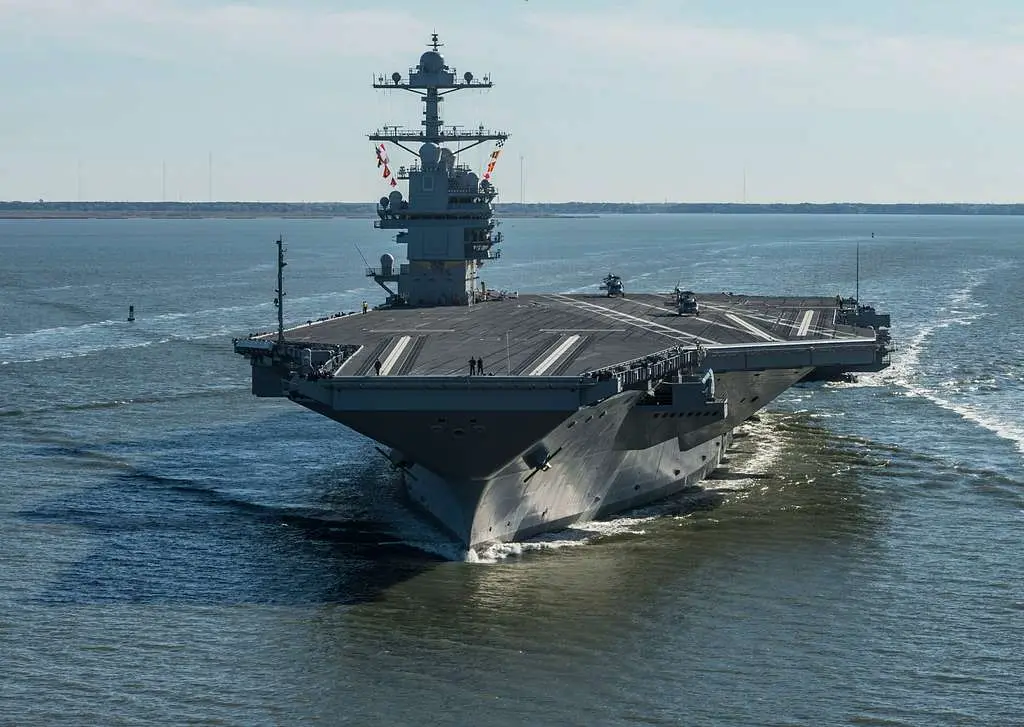
2. The Target: A Floating Fortress
The USS Abraham Lincoln (CVN-72) is a 100,000-ton Nimitz-class nuclear-powered supercarrier. It is essentially a sovereign mobile airbase that travels at speeds exceeding 30 knots (about 35 mph). Commercial ships max out at much slower speeds. The sheer velocity and massive wake of a supercarrier alone make approaching and boarding it via small skiffs incredibly dangerous, if not physically impossible.
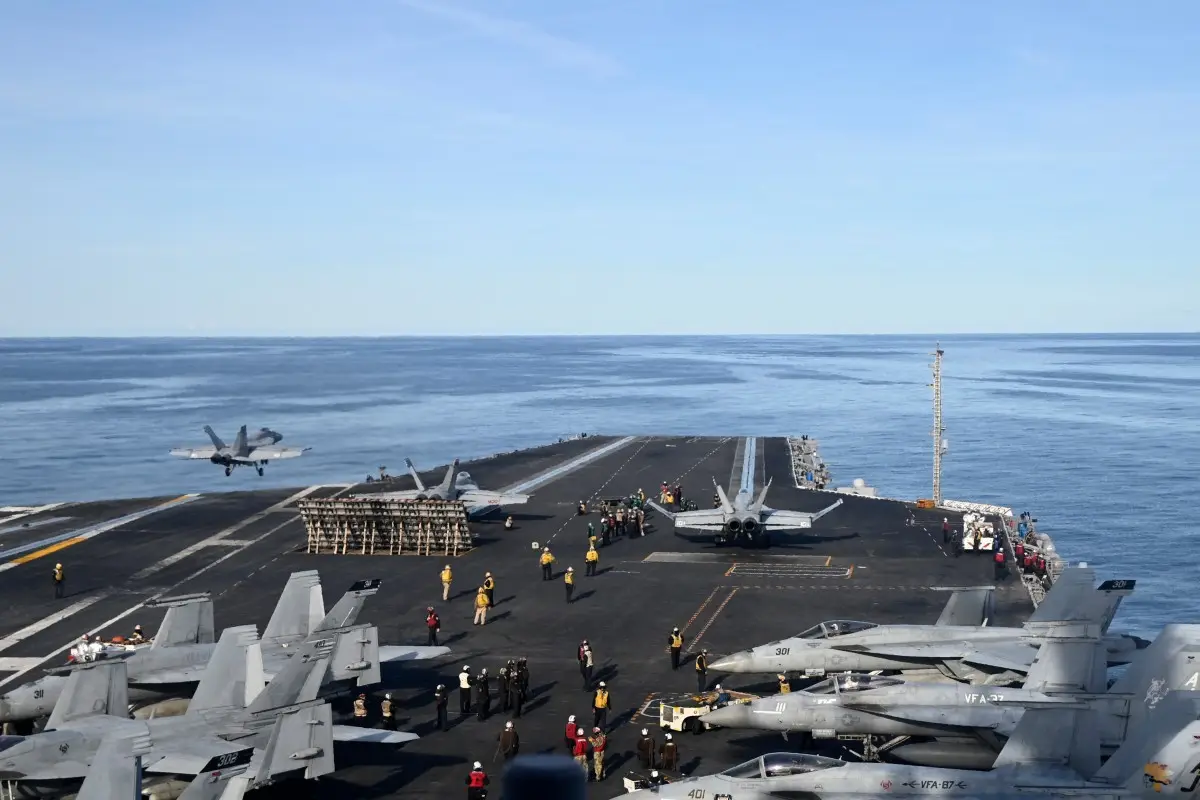
3. The "Ring of Steel" Escorts
An aircraft carrier never travels alone. The Lincoln is the centerpiece of a Carrier Strike Group (CSG), surrounded by a protective screen of Arleigh Burke-class guided-missile destroyers (like the USS Spruance and USS Michael Murphy) and Ticonderoga-class cruisers. These escort ships are equipped with the Aegis Combat System, designed specifically to detect, track, and destroy hundreds of incoming aerial and surface threats simultaneously from hundreds of miles away.
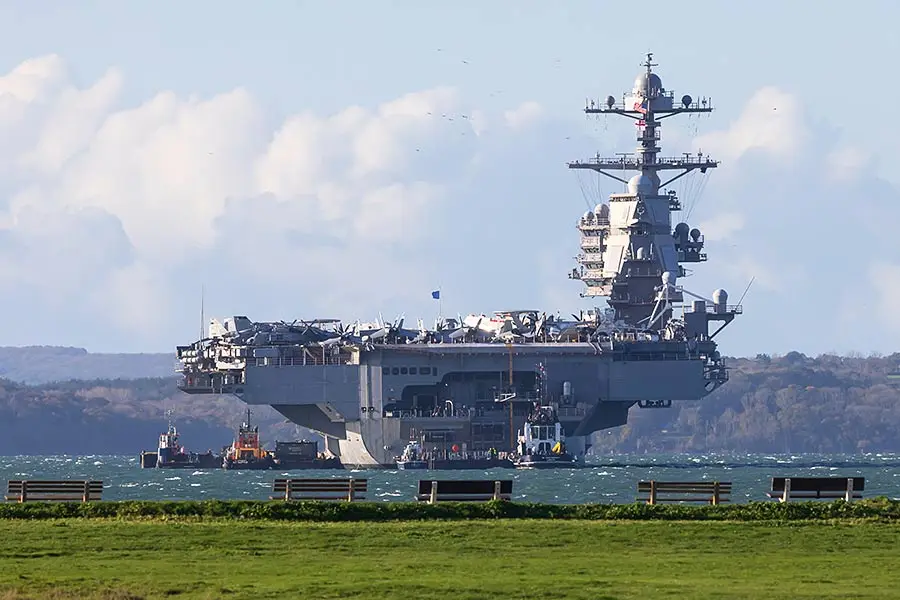
4. The "Eyes in the Sky"
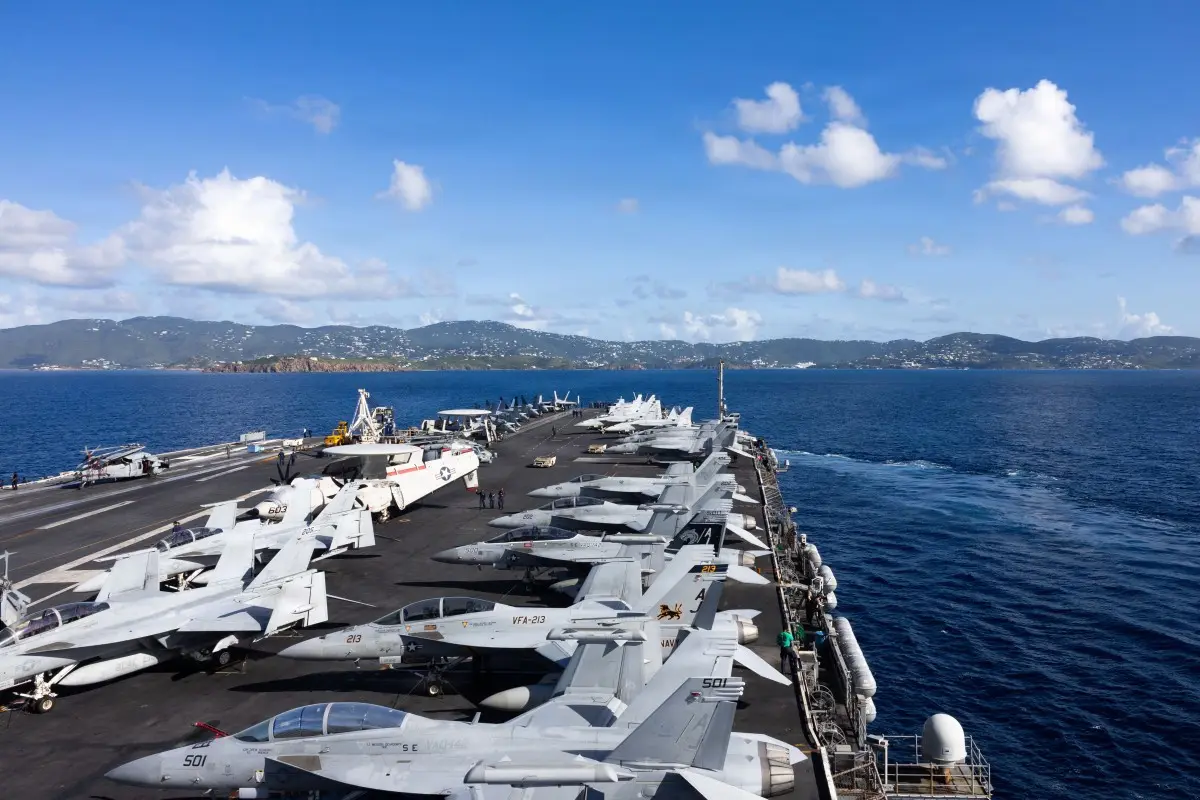
Long before a Houthi helicopter or speedboat could get within visual range, they would be detected by the strike group's aerial surveillance. The carrier’s air wing includes the E-2D Advanced Hawkeye, a highly sophisticated radar aircraft that acts as a "digital quarterback." The Hawkeye monitors the airspace and surface waters for hundreds of miles in every direction, guaranteeing zero element of surprise.
5. Combat Air Patrols (CAP)
The moment an unauthorized surface or air threat is detected approaching the strike group, the carrier would scramble its Combat Air Patrols. F/A-18 Super Hornets and F-35C Lightning II stealth fighters would intercept and vaporize any approaching Houthi helicopters or armed skiffs long before they reached the ship.
6. Last-Line Point Defenses
In the astronomically unlikely event that Houthi forces bypassed the destroyers and fighter jets, they would face the Lincoln's own point defenses. This includes the Phalanx Close-In Weapon System (CIWS), a radar-guided Gatling gun that fires 4,500 rounds of armor-piercing ammunition per minute, and the Sea Sparrow missile system. Any helicopter attempting to hover over the flight deck would be instantly shredded.

7. The Verdict: Harassment vs. Hijacking
Ultimately, the idea of the Houthis hijacking the USS Abraham Lincoln is virtually impossible. While the Houthis possess anti-ship ballistic missiles (ASBMs) and drone swarms that could theoretically harass the strike group, force it to expend expensive interceptor missiles, or potentially attempt a kinetic strike, boarding and capturing a heavily defended U.S. nuclear supercarrier is a scenario reserved for Hollywood, not reality.
)
)
)
)
)