Will Trump attack Iran in first week of March? Here's what we know

The military buildup, the diplomatic impasse, and the strategic chessboard as the Middle East braces for a looming deadline.
The 10-to-15 Day Ultimatum
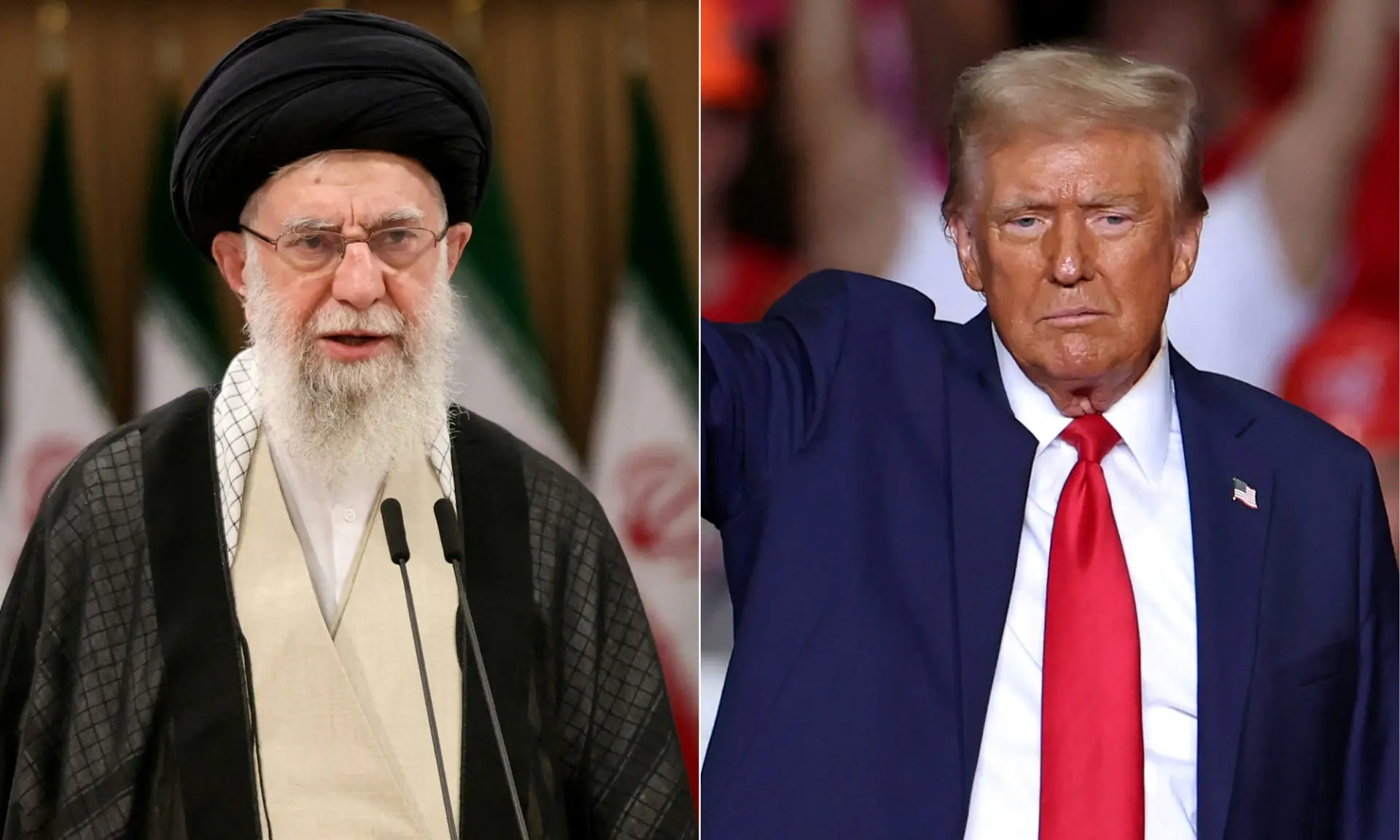
President Donald Trump issued a strict 10-to-15 day deadline on February 19 for Iran to agree to a comprehensive nuclear deal. He has explicitly warned that if a meaningful agreement is not reached by this deadline, which aligns perfectly with the first week of March, Iran will face severe consequences.
Massive U.S. Military Buildup
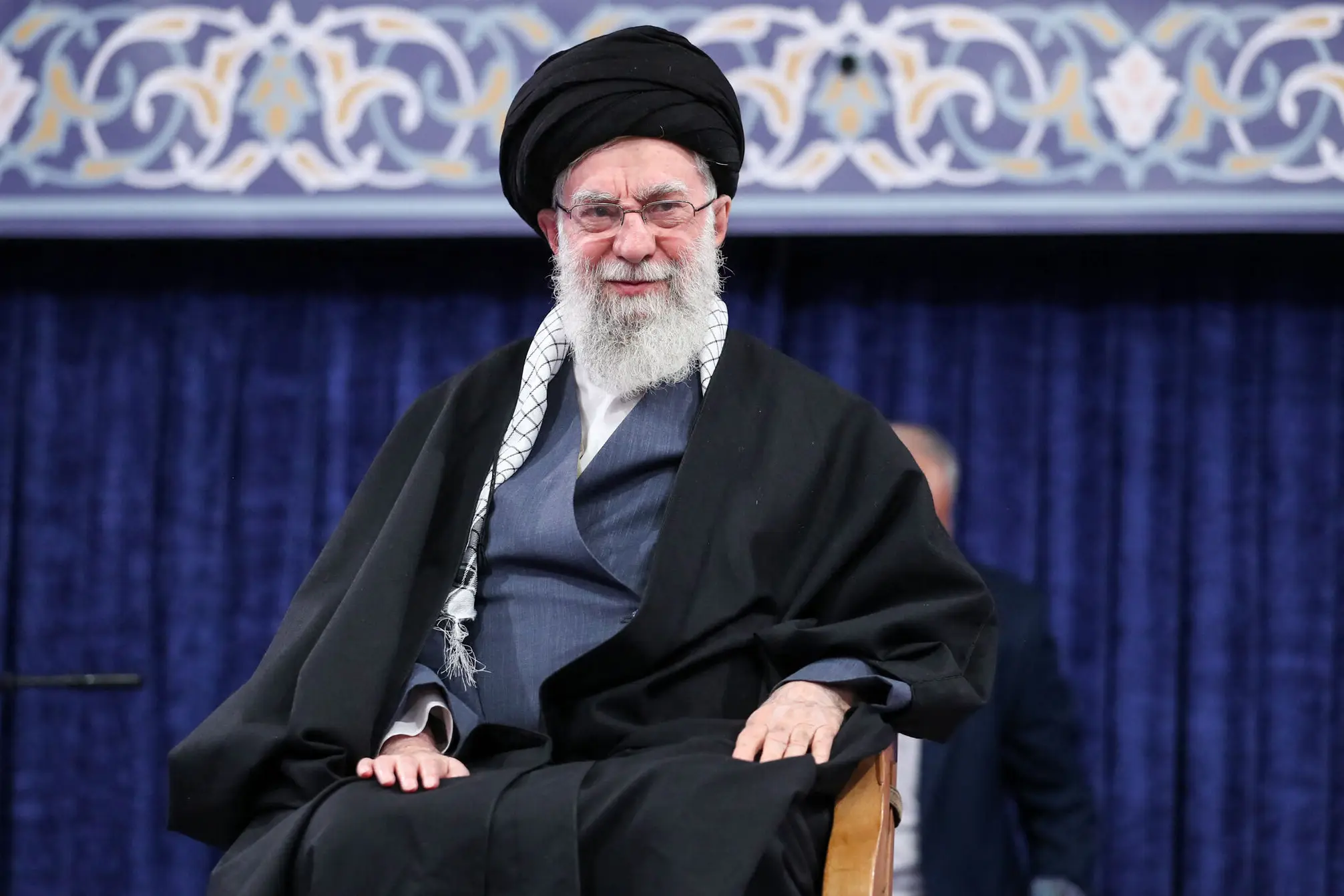
The Pentagon has orchestrated the largest convergence of military hardware in the Middle East since the 2003 invasion of Iraq. The deployment features a dual-carrier strategy, with the USS Abraham Lincoln currently operating in the Arabian Sea and the USS Gerald R. Ford en route. This naval power is backed by dozens of freshly deployed F-22 Raptors, F-35 stealth fighters, and B-52 bombers.
Consideration of "Limited Strikes"
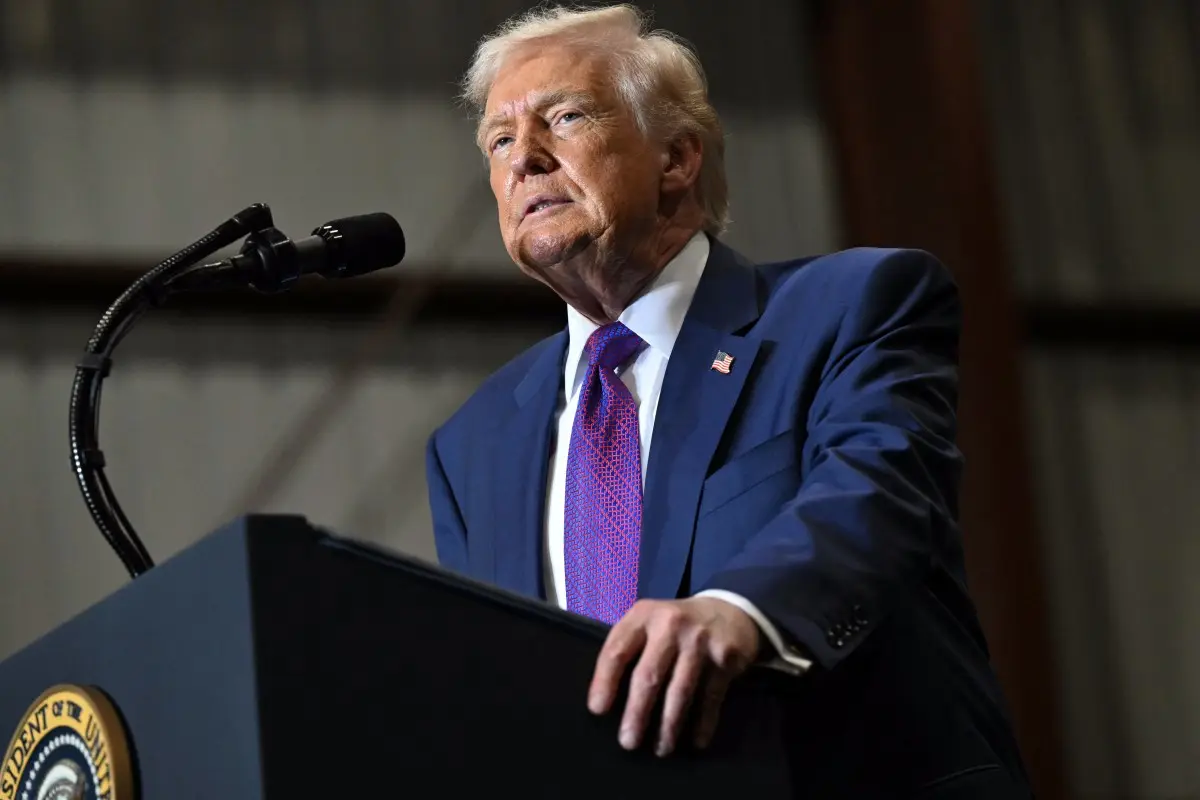
When asked recently if he was considering a limited military strike to pressure Iran into a deal, President Trump publicly confirmed it is an option on the table. Military planners are reportedly preparing for operations that could range from targeted hits on ballistic missile facilities to a multi-week bombing campaign if initial objectives are not met.
Stalled Geneva Negotiations
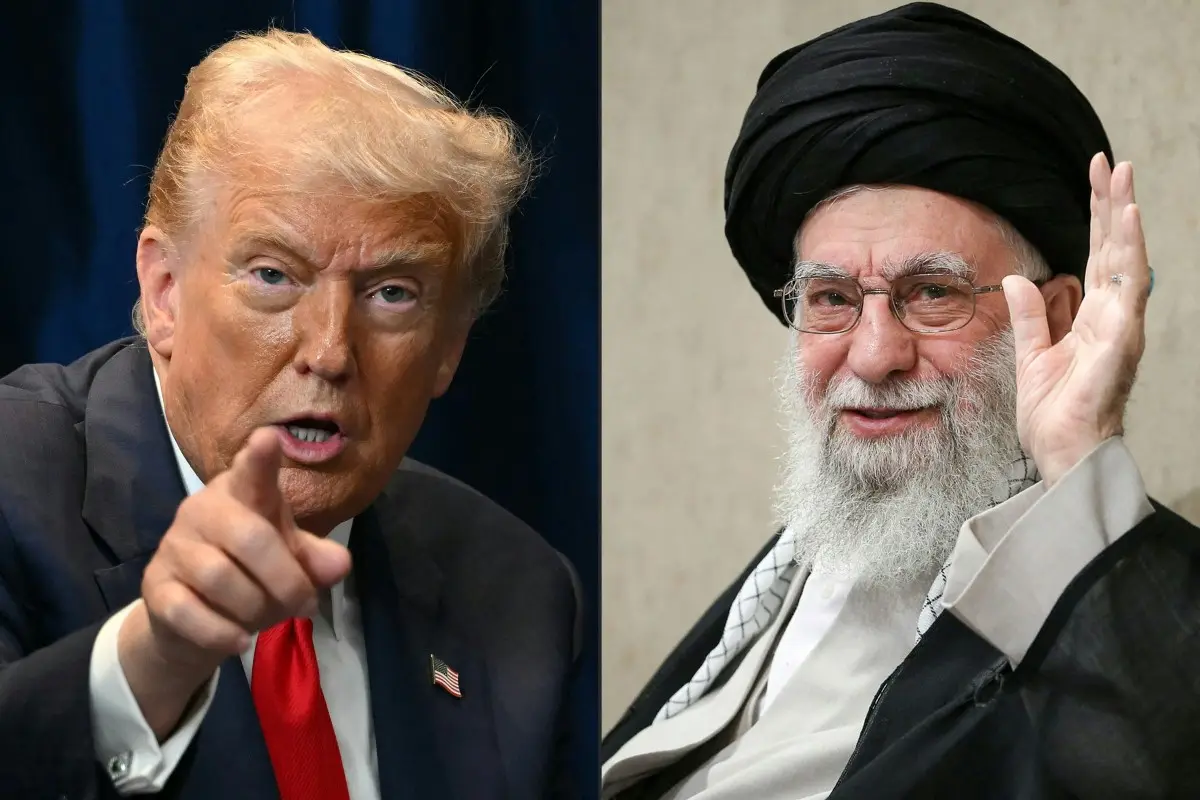
Recent indirect talks in Geneva between US envoys (including Jared Kushner) and Iranian officials concluded with an impasse. While Iran is reportedly preparing a written counterproposal, U.S. officials remain highly pessimistic that Tehran will concede to Washington's uncompromising demand for "zero uranium enrichment."
Surging Prediction Market Odds
As diplomacy falters and troops mass in the region, geopolitical prediction markets have reacted aggressively. Platforms like Polymarket recently saw the implied probability of a US military strike on Iran by the end of March 2026 spike to roughly 57%, reflecting millions of dollars wagered on the likelihood of imminent military action.

Iran's Fortification and Defiance
Iran is actively preparing for an attack rather than signaling capitulation. Recent satellite imagery confirms the regime has been burying and reinforcing tunnel entrances at key nuclear sites like Isfahan. Furthermore, Iran recently hosted joint naval drills with Russia near the Strait of Hormuz, rehearsing coordinated defensive and offensive maneuvers.
The Threat of Regional Escalation
The window for a localized conflict is incredibly narrow. Israel has already placed its northern borders on high alert, preparing for the likelihood that Hezbollah will enter the fray if the U.S. strikes. Meanwhile, U.S. bases across Qatar, Saudi Arabia, and the UAE are bracing for heavy retaliatory ballistic missile strikes from Iran's formidable arsenal.
)
)
)
)
)