Will tanks survive the AI warfare era?

The rapid proliferation of inexpensive, AI-guided drone swarms has sparked a global debate over the future of the main battle tank. To survive on modern battlefields, military engineers are fundamentally redesigning these armoured giants, shifting their focus from thick steel plating to advanced electronic warfare, digital networking, and automated defence systems.
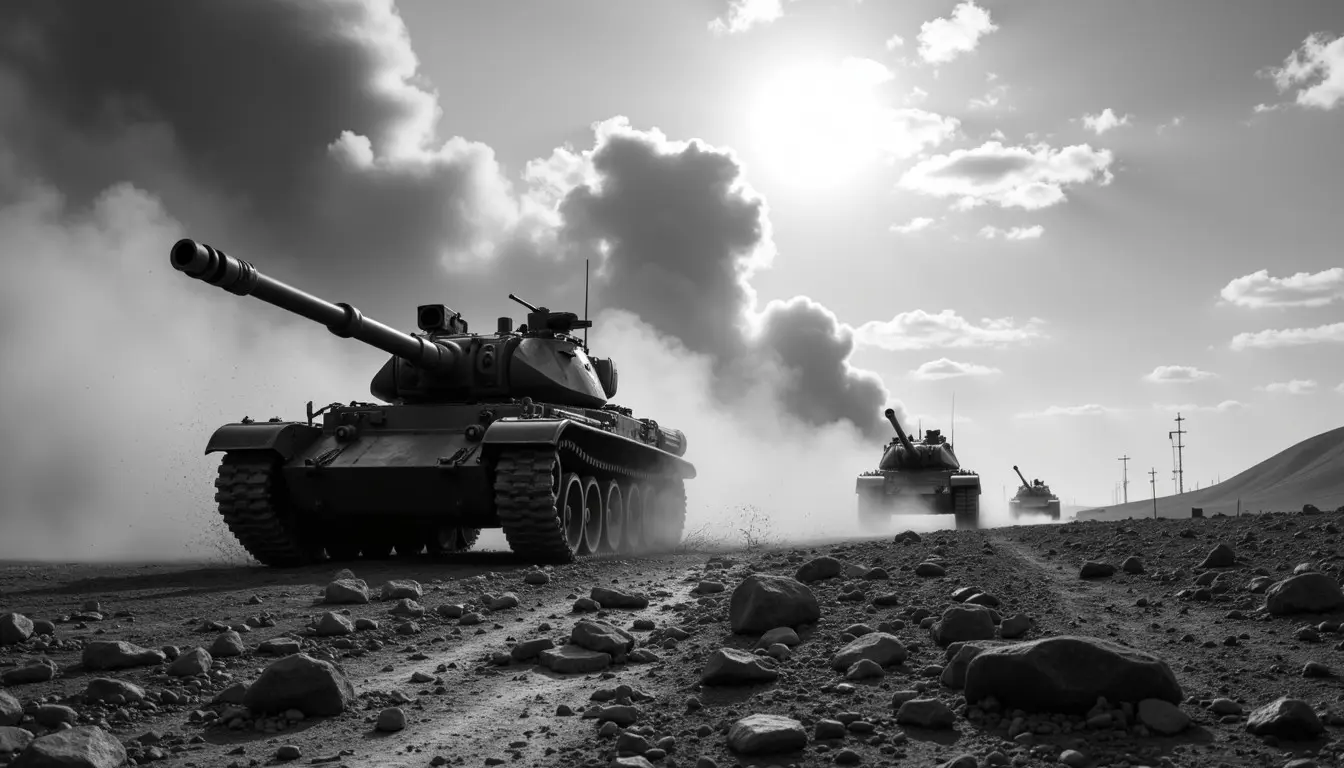
The autonomous drone threat
Inexpensive kamikaze drones equipped with artificial intelligence can now autonomously track targets, often striking multi-million-pound tanks from above where their traditional armour is the weakest.
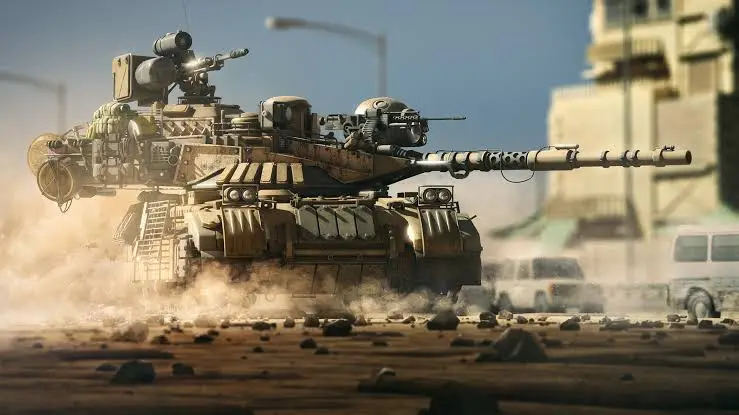
Moving away from heavy armour
Because standard 70-tonne steel armour cannot stop agile top-attack munitions, experts predict future tanks will shed massive weight, potentially dropping to 25 tonnes to improve mobility and efficiency.
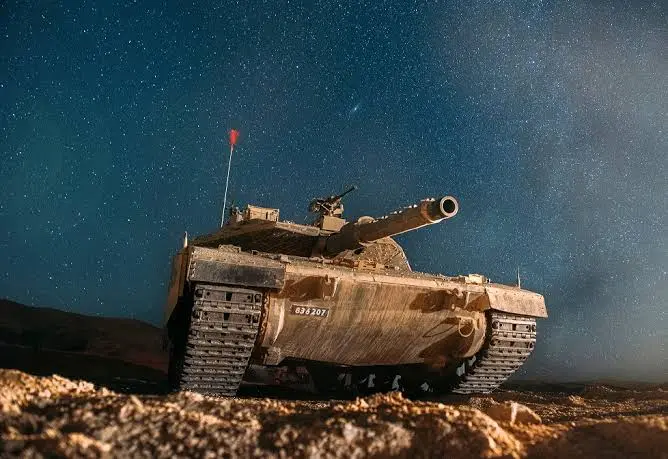
AI-powered active protection
Instead of relying on thick steel plates, next-generation tanks will use AI-driven Active Protection Systems (APS). These advanced sensors automatically detect, classify, and intercept incoming projectiles within milliseconds.
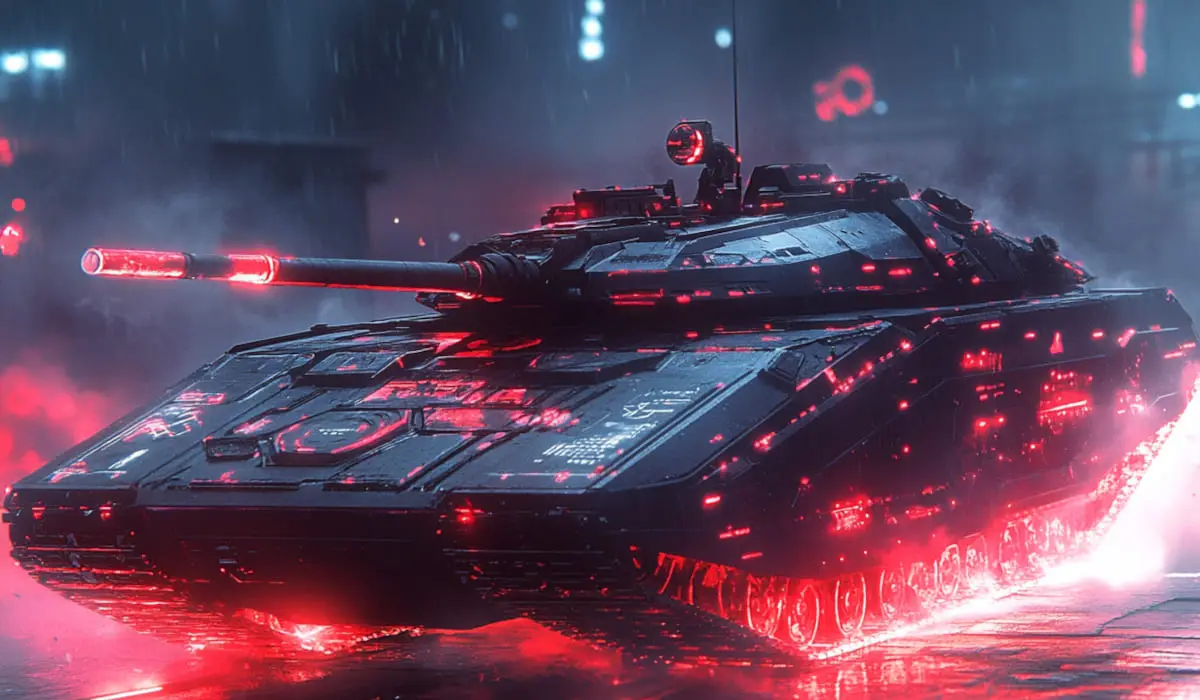
Network-centric combat hubs
Tanks of the future will no longer fight as isolated vehicles. They will serve as highly digitised command nodes, launching and coordinating their own defensive drone swarms using real-time battlefield intelligence.
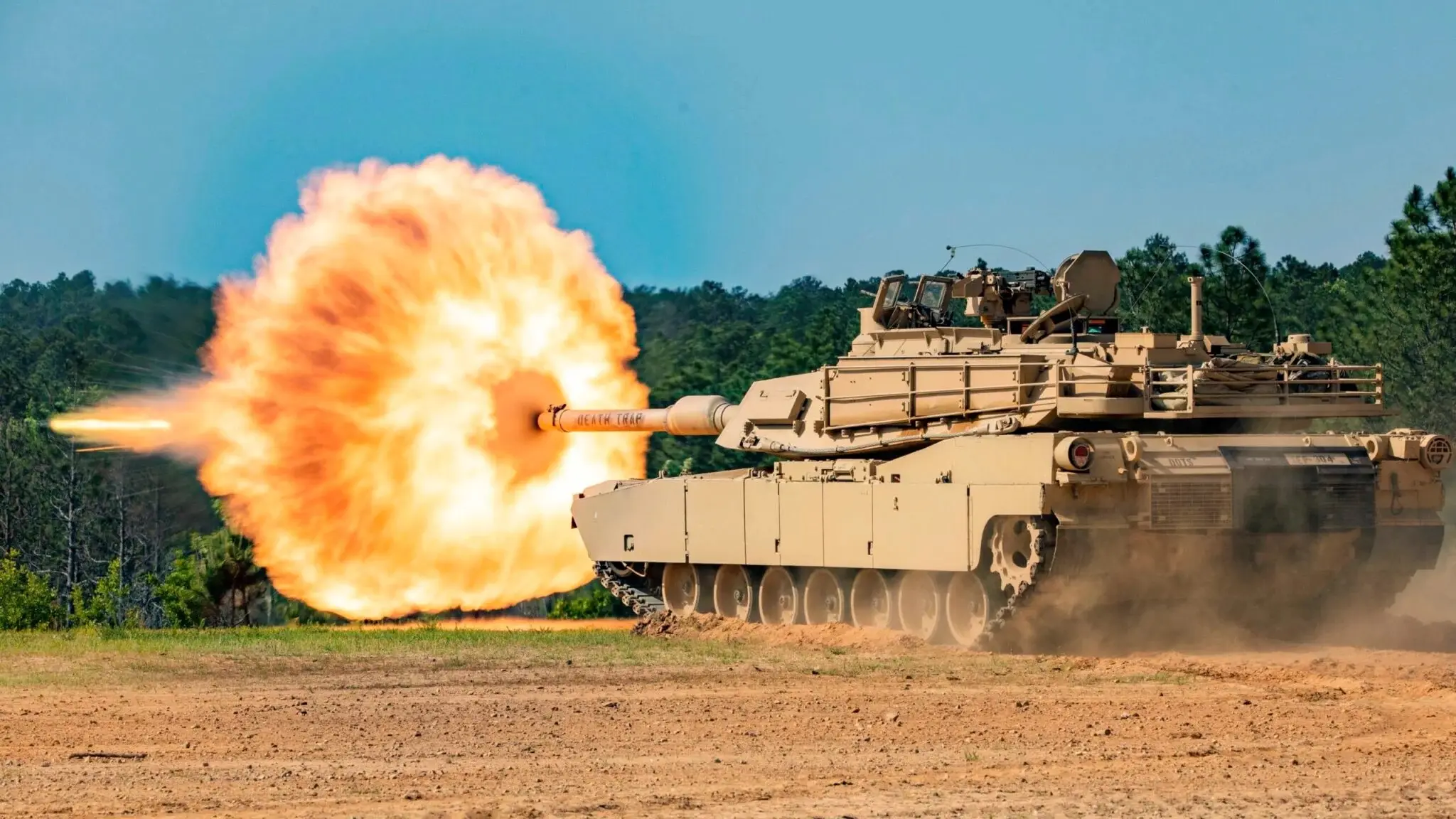
Survival through evolution
The main battle tank is not becoming obsolete, but its combat role is changing fundamentally. Its survival in the modern era depends entirely on integrating smart countermeasures, electronic warfare, and artificial intelligence.
)
)
)
)
)