Can PNG replace LPG cylinders in India? Here are the major challenges

The situation has renewed discussion over whether piped natural gas (PNG) could replace liquefied petroleum gas (LPG) cylinders. At its core, the difference between LPG and PNG lies in how the fuel reaches households.
A fuel debate amid global supply disruptions
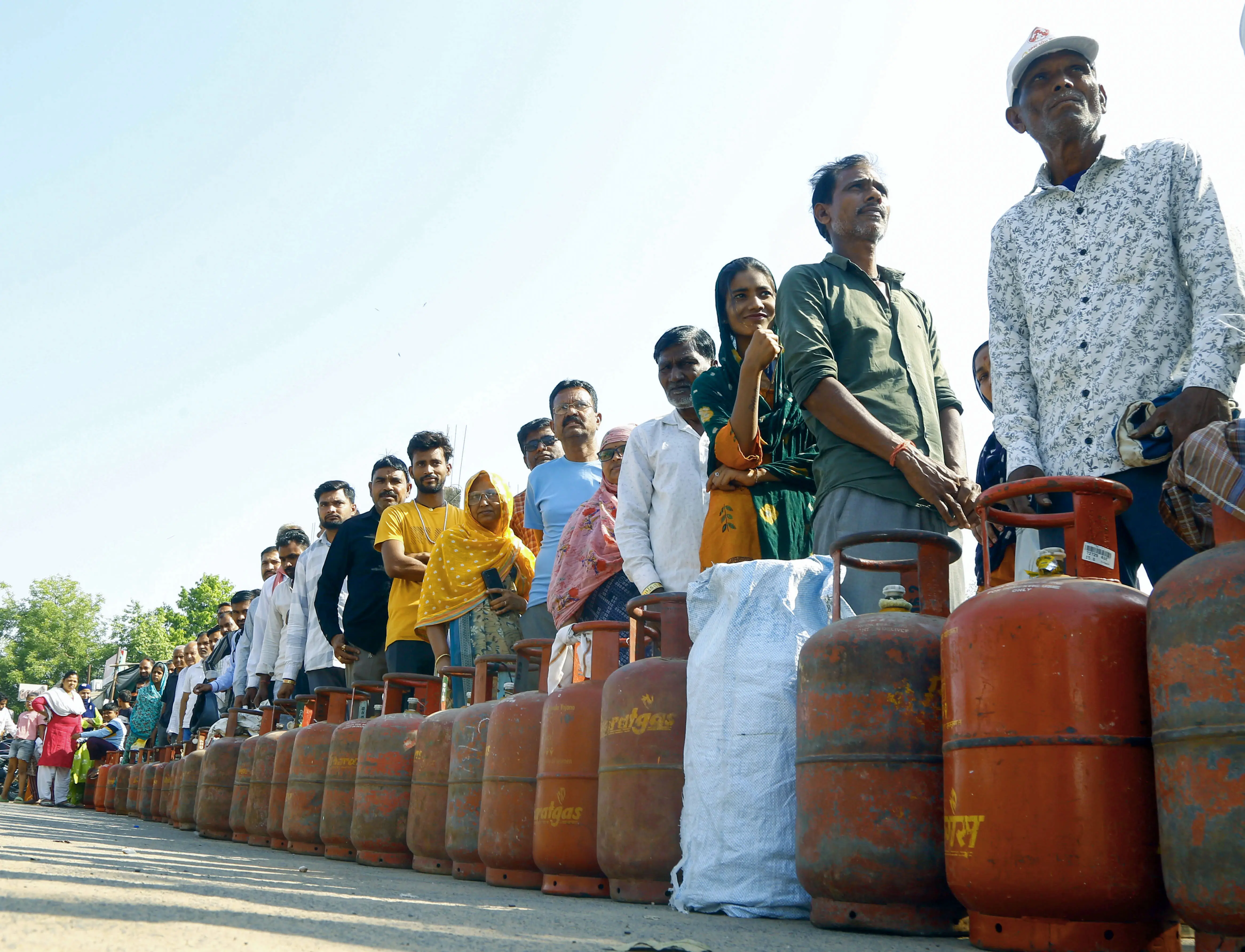
Recent disruptions in global energy supply have renewed debate about India’s cooking fuels. India imports about 60 per cent of its liquefied petroleum gas (LPG), and nearly 90 per cent of those imports typically pass through the Strait of Hormuz. With tensions in West Asia affecting shipping routes, the government has urged consumers not to panic and said measures are being taken to maintain the demand–supply balance. The situation has renewed discussion over whether piped natural gas (PNG) could replace liquefied petroleum gas (LPG) cylinders.
Two different energy delivery systems
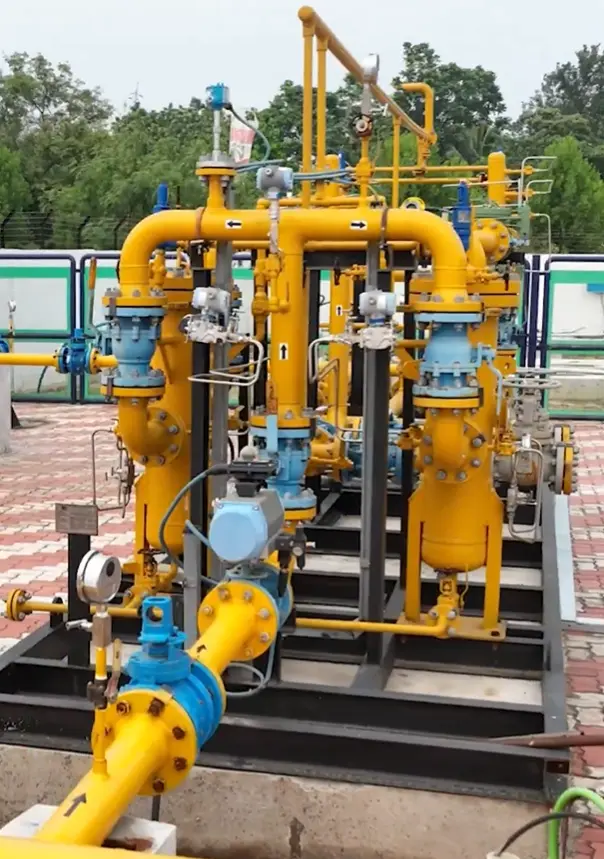
At its core, the difference between LPG and PNG lies in how the fuel reaches households. LPG is produced during crude oil refining and natural gas processing, then liquefied and stored in cylinders that are distributed through a nationwide supply chain. PNG, by contrast, is natural gas supplied continuously through underground pipelines connected to the national gas grid and city distribution networks. Analysts often describe the difference as a contrast between “physical distribution cycles” and a “continuous infrastructure flow”.
PNG growth driven by urban infrastructure
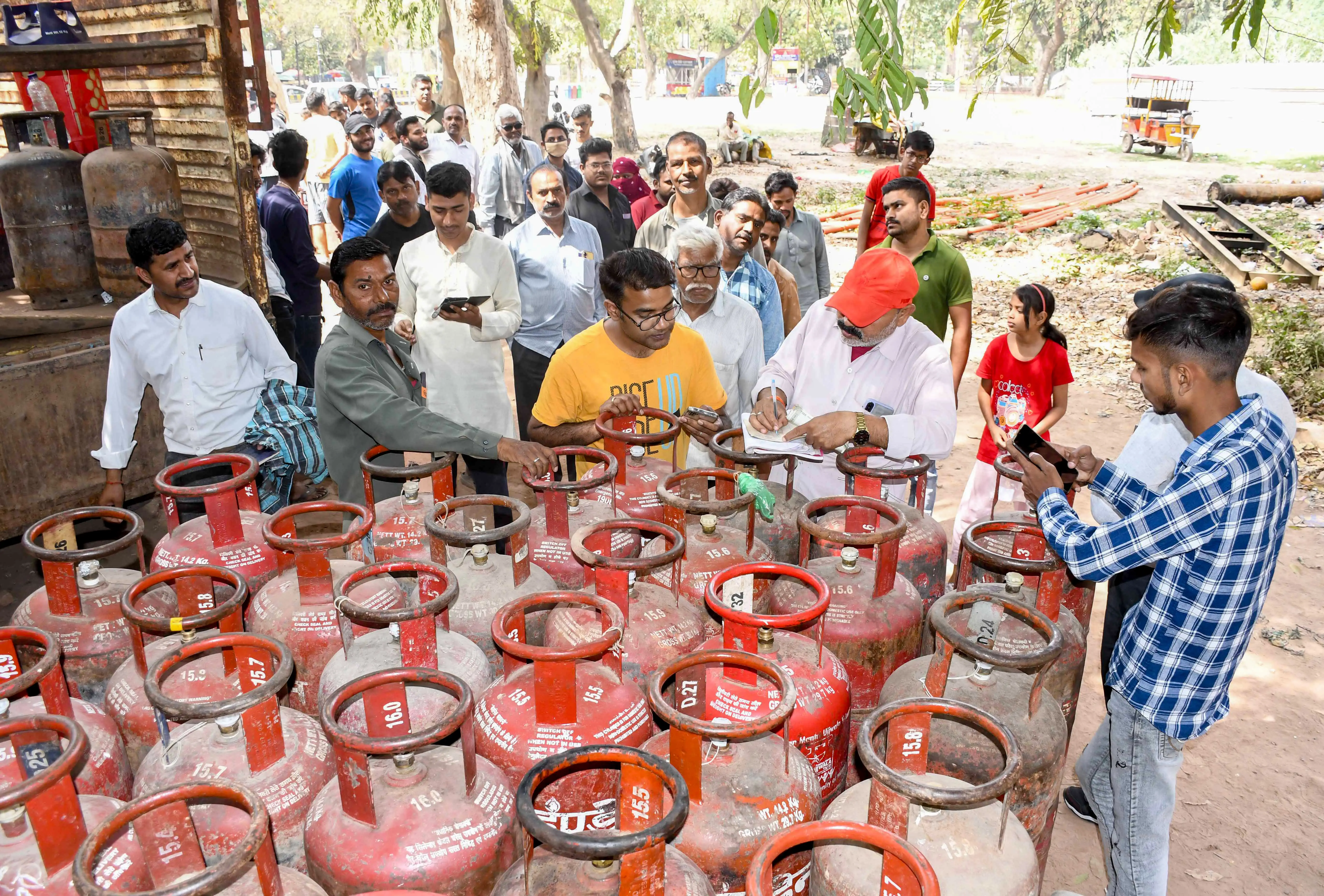
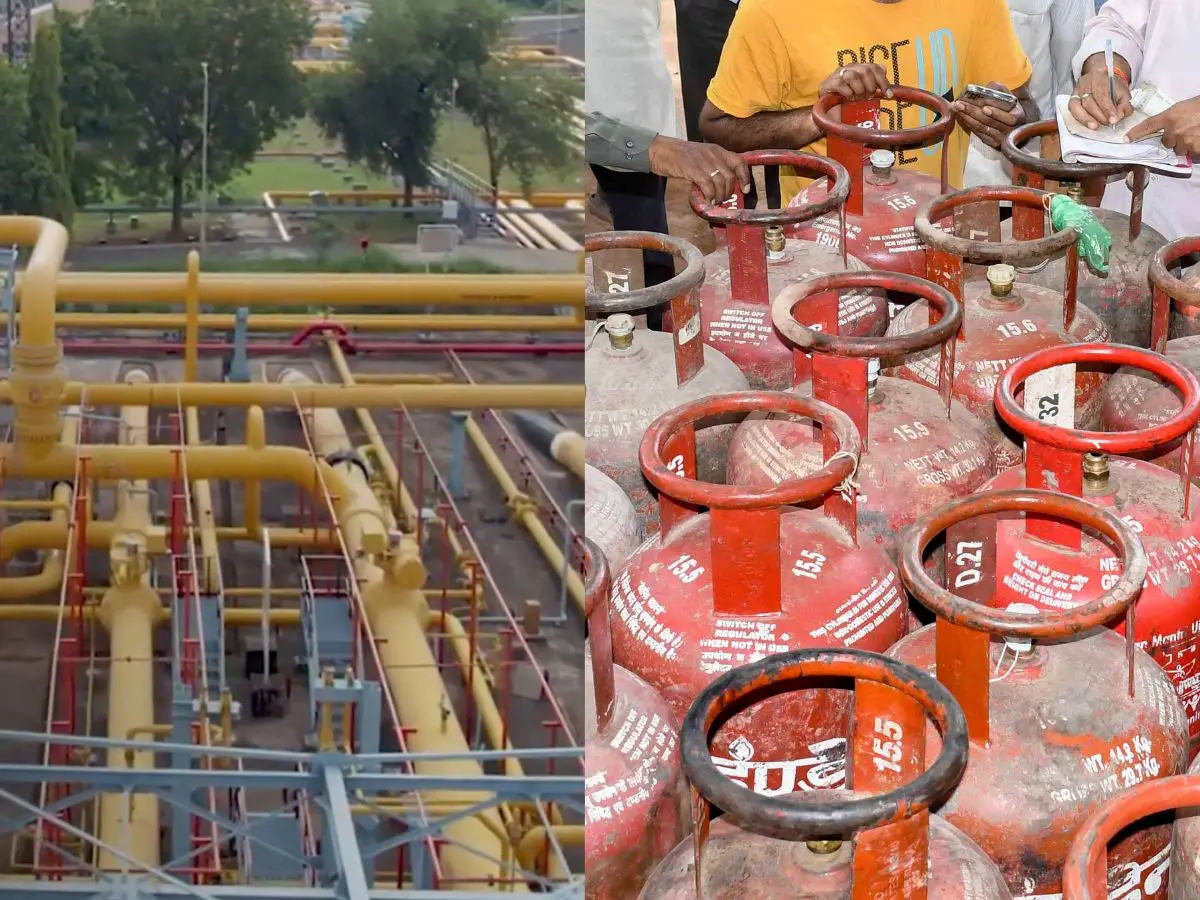
PNG use has grown steadily in Indian cities as gas pipeline networks expand. According to government data, more than 1.3 crore households have already received PNG connections. The Petroleum and Natural Gas Regulatory Board has authorised 307 geographical areas across about 733 districts to develop city gas distribution networks, with a target of around 12.63 crore PNG connections by 2032. As of March 2024, about 24,881 kilometres of natural gas pipelines were operational across the country.
Why PNG appeals to urban consumers
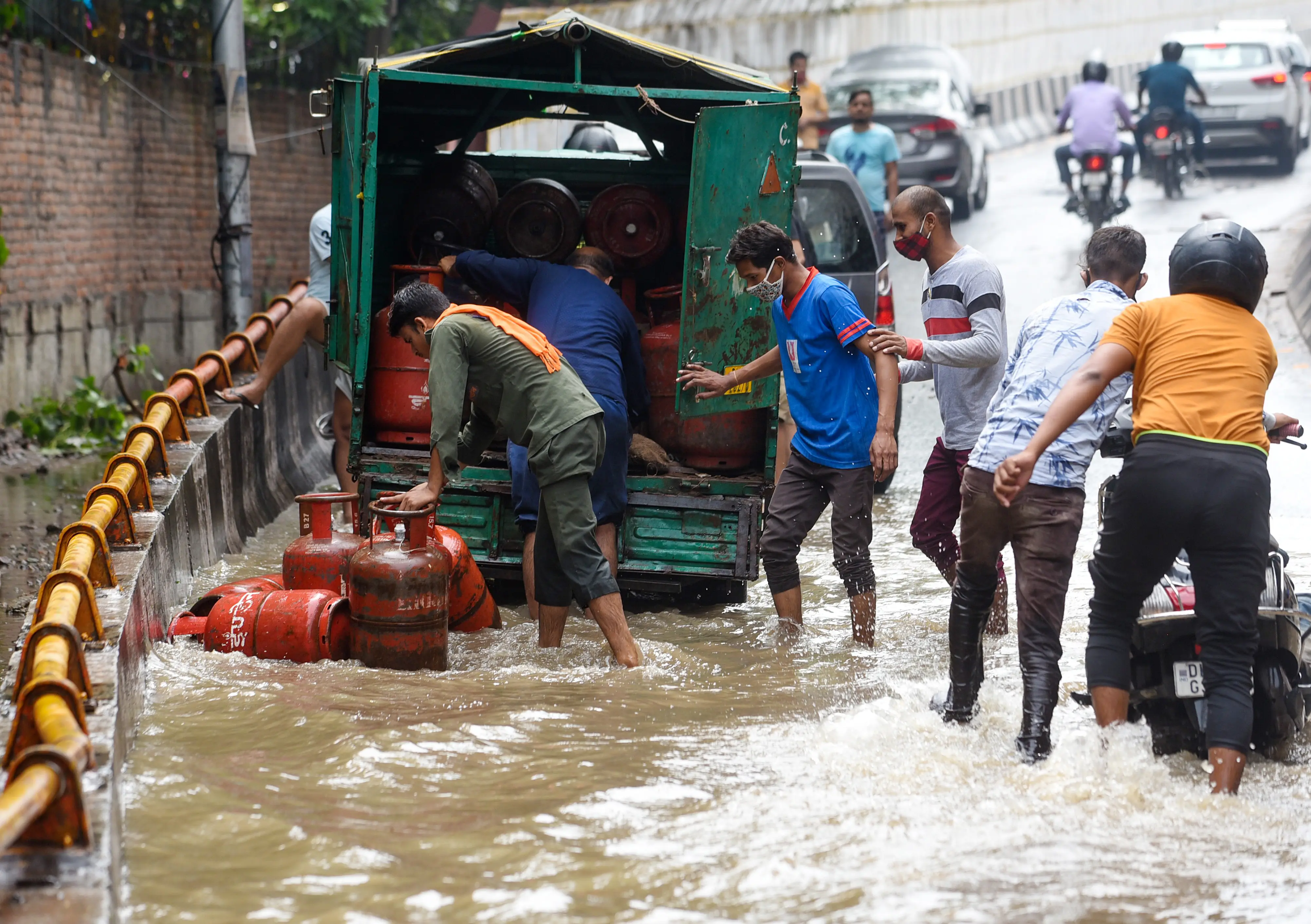
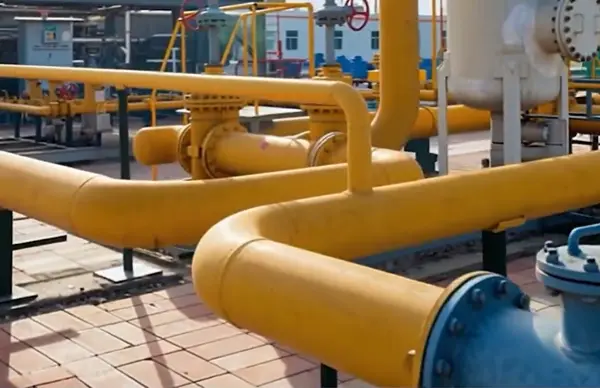
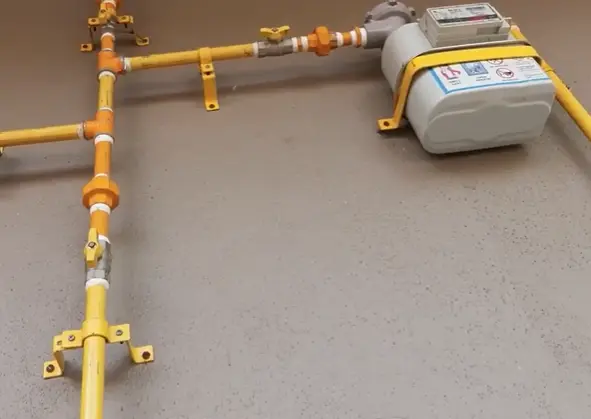
For urban households, PNG offers practical advantages. Gas flows directly to the kitchen through a meter, removing the need to book, store or replace cylinders. Government documents note that piped gas “obviates the hassles of booking, handling, storing and measuring the LPG cylinder”. Because natural gas is lighter than air, it also disperses more easily if leaked, which is often cited as a safety benefit.
Safety and physical differences between fuels
The two fuels differ chemically as well. PNG mainly contains methane, a gas that is lighter than air and disperses quickly if leaked. LPG, which consists largely of propane and butane, is heavier than air and stored in liquefied form under pressure. According to government explanations, natural gas is difficult to liquefy and requires extremely low temperatures or very high pressure, which makes storing it in household cylinders impractical.
Why LPG remains dominant nationwide
Despite the expansion of pipelines, LPG continues to dominate India’s cooking fuel landscape. The country has more than 33 crore LPG connections, including beneficiaries under welfare schemes such as the Pradhan Mantri Ujjwala Yojana. In contrast, PNG connections represent only a small share of total households, largely because pipeline infrastructure is concentrated in cities and difficult to extend to dispersed rural populations.
Government policy prioritising piped gas
To encourage cleaner fuels, the government has prioritised natural gas supply for city gas distribution networks. The domestic PNG and compressed natural gas sectors are given priority in the allocation of domestic gas, and regulators are building a national gas grid to expand pipeline coverage. However, the transition requires large-scale infrastructure development, which takes time and significant investment.
Why PNG cannot easily replace LPG
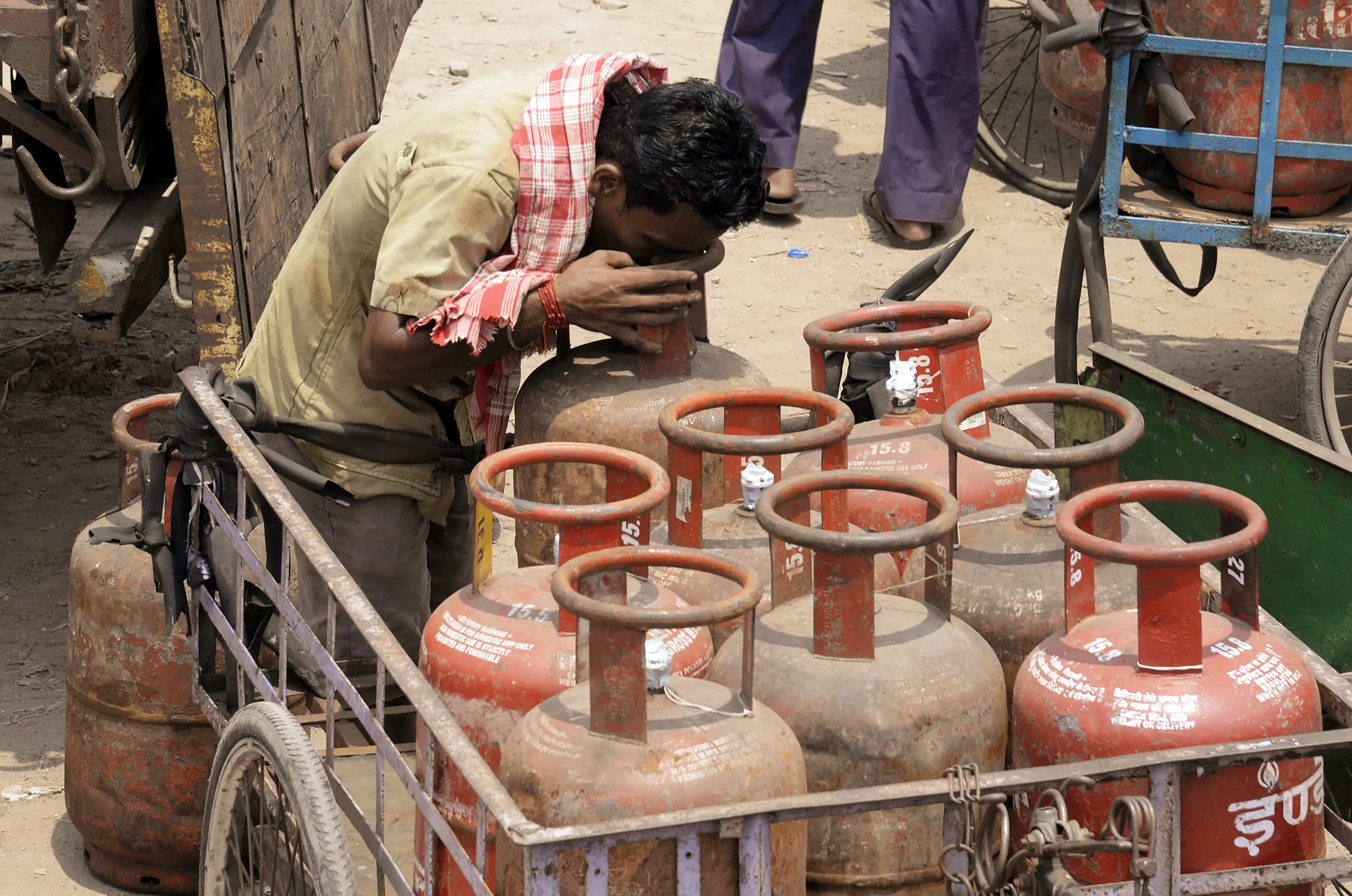
While PNG appears efficient in urban settings, replacing LPG nationwide is not straightforward. Natural gas is difficult to liquefy and cannot be easily stored in small household cylinders. As a result, it must be transported through pipelines, making widespread adoption dependent on infrastructure availability. For much of rural India, where pipelines are absent, LPG cylinders remain the most practical solution. Until pipeline coverage expands significantly, LPG cylinders will remain essential for millions of Indian households, even as PNG continues to grow in cities.
)
)
)
)
)