Will oil prices rise in India if US starts a war against Venezuela?

The drums of war are beating in the Caribbean. With President Trump ordering a "total blockade" on Venezuela, Indian commuters worry: will this trigger a petrol price hike? The answer lies in a mix of Russian imports and a massive global oil surplus.
1. The Caribbean Standoff
The conflict has moved from diplomatic threats to physical action. Following President Trump’s order for a "total and complete blockade" of Venezuelan oil, US forces have seized a tanker off the coast. This escalation has spooked global energy markets, pushing Brent crude prices up from $59 to over $60 a barrel overnight. For India, which imports over 85% of its oil, any disruption in global supply chains is a cause for immediate alarm.
2. India’s "Heavy" Reliance
Venezuela is not just another supplier; it is a critical source of "heavy" crude oil. India’s complex refineries, such as Reliance’s massive Jamnagar facility, are specifically calibrated to process this dense, cheaper crude into high-value fuels like diesel and petrol. A blockade effectively chokes off roughly 600,000 barrels per day of this specific grade, forcing Indian refiners to scramble for more expensive alternatives from the Middle East or Canada.

3. The "War Premium" Effect
History shows that the mere fear of war drives prices up. Markets are currently pricing in a "risk premium," anticipating that the blockade could turn into a shooting war that damages infrastructure. If insurance premiums for tankers skyrocket, global crude could breach the $70-$80 mark. For the Indian consumer, a sustained global rise usually translates to higher pump prices roughly a fortnight later due to the dynamic pricing mechanism used by Oil Marketing Companies (OMCs).
4. The "Surplus Shield"
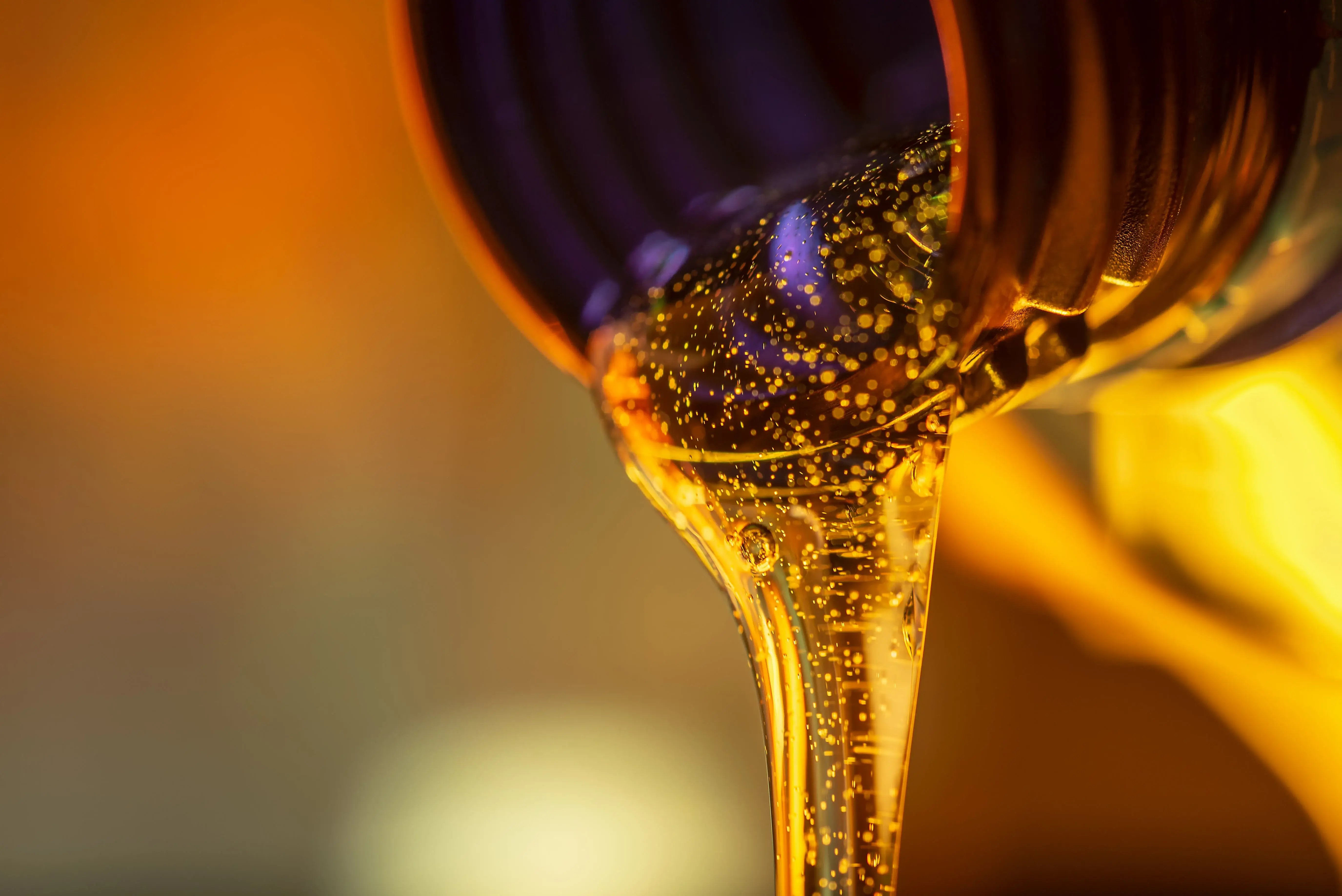
Despite the tension, a massive safety net exists. The world is currently sitting on a "historic glut" of oil. Data shows a staggering 1.3 billion barrels of oil are currently "on water" (stored in ships), the highest level since the demand collapse of 2020. This massive inventory acts as a buffer. Even if Venezuelan supplies vanish overnight, the world has enough floating oil to feed refineries for months, preventing an immediate 1970s-style price shock.
5. The Russian Pivot
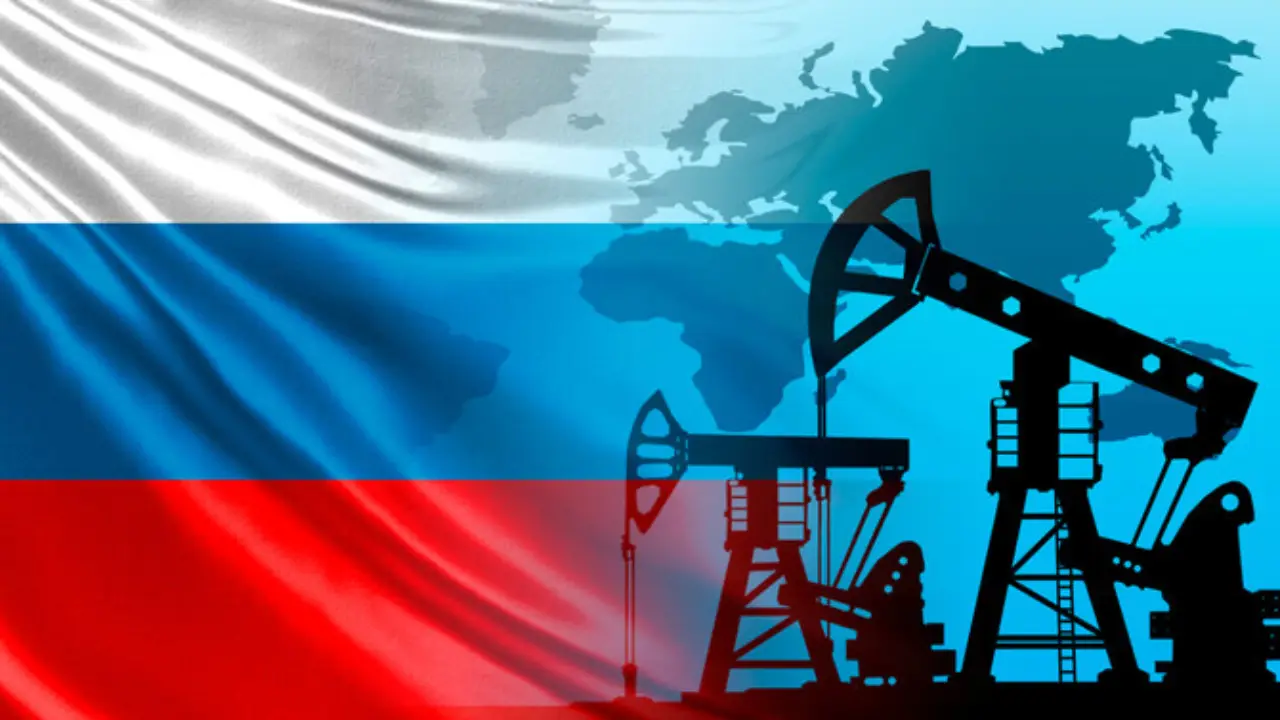
India’s energy strategy has shifted drastically since 2022. By late 2025, discounted Russian crude accounts for nearly 50 per cent of India's total imports. This strategic pivot provides a massive cushion against shocks in the Americas. As long as supplies from Moscow remain steady and affordable, India is far less vulnerable to a Venezuelan crisis than it would have been a decade ago, isolating the domestic economy from the worst of the volatility.
6. The "Lag" in Pump Prices
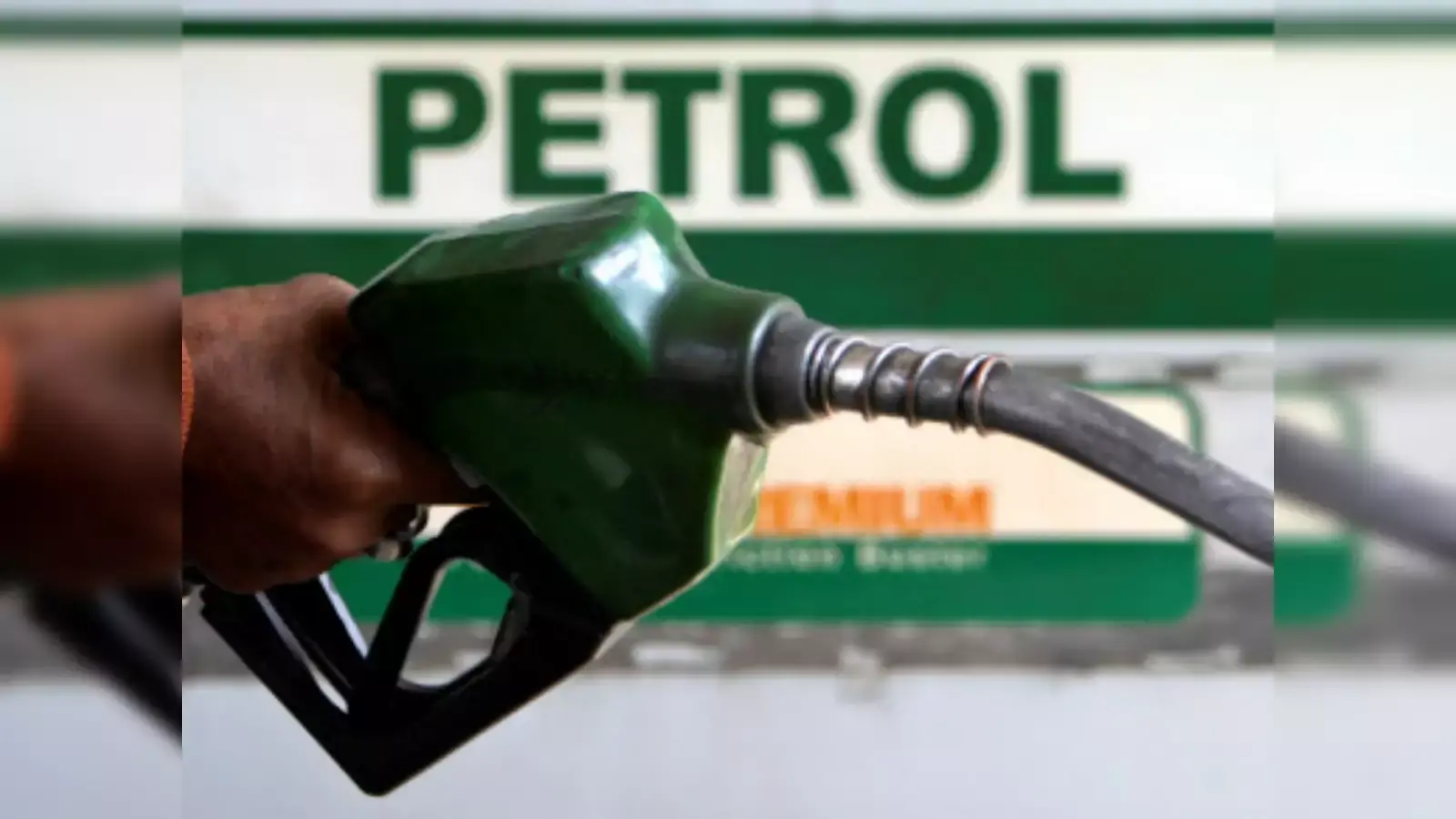
Indian petrol and diesel prices do not change instantly with global news. OMCs like IOCL, BPCL, and HPCL typically average out the cost of crude over a 15-day cycle before adjusting retail rates. This means that even if global prices spike today due to the blockade, the Indian commuter won't feel the pinch immediately. If the conflict is resolved quickly or if the "surplus shield" keeps prices stable, the hike might never reach the consumer at all.
7. The Escalation Risk
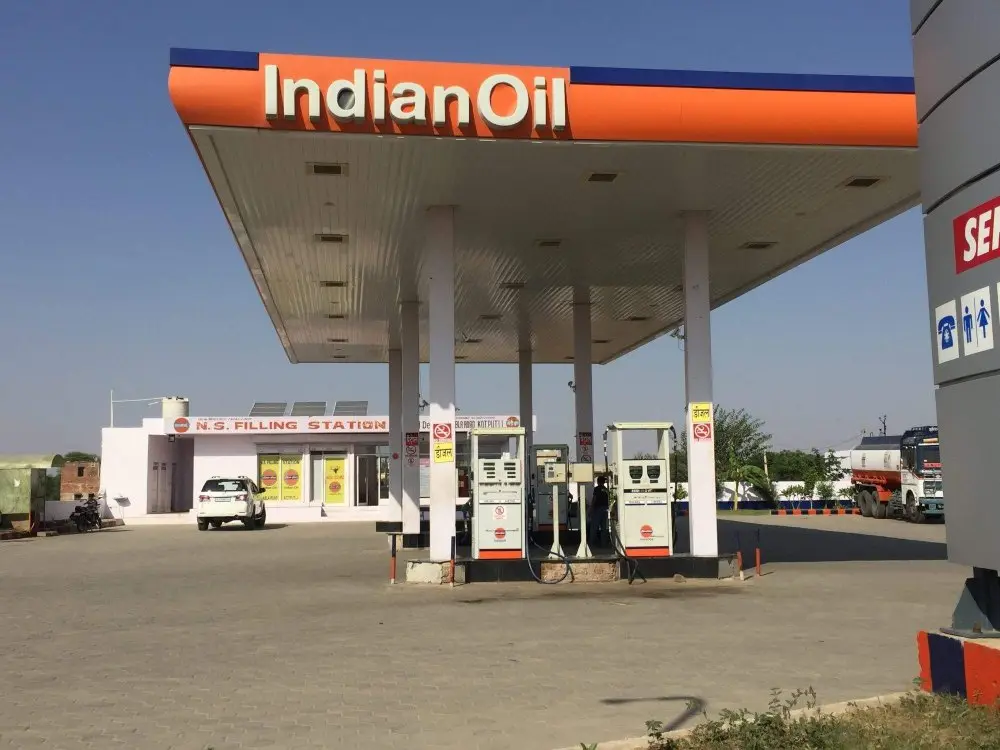
The real danger lies in prolonged conflict. If the US blockade drags on for months or expands to include secondary sanctions on ships carrying any oil in the region, the global surplus will eventually evaporate. Once that buffer is gone, prices will have nowhere to go but up. While India is safe for now, a long-term war in the Caribbean remains a credible threat to the rupee and the nation's import bill heading into 2026.
)
)

)
)