Will nuclear-powered rockets take us to Mars faster?

NASA say nuclear-powered rockets may cut travel time to Mars by half. making deep space missions safer and faster. NASA and DARPA plan tests by 2027, with crewed missions possible in the 2030s. Here's how nuclear propulsion may reshape interplanetary travel.
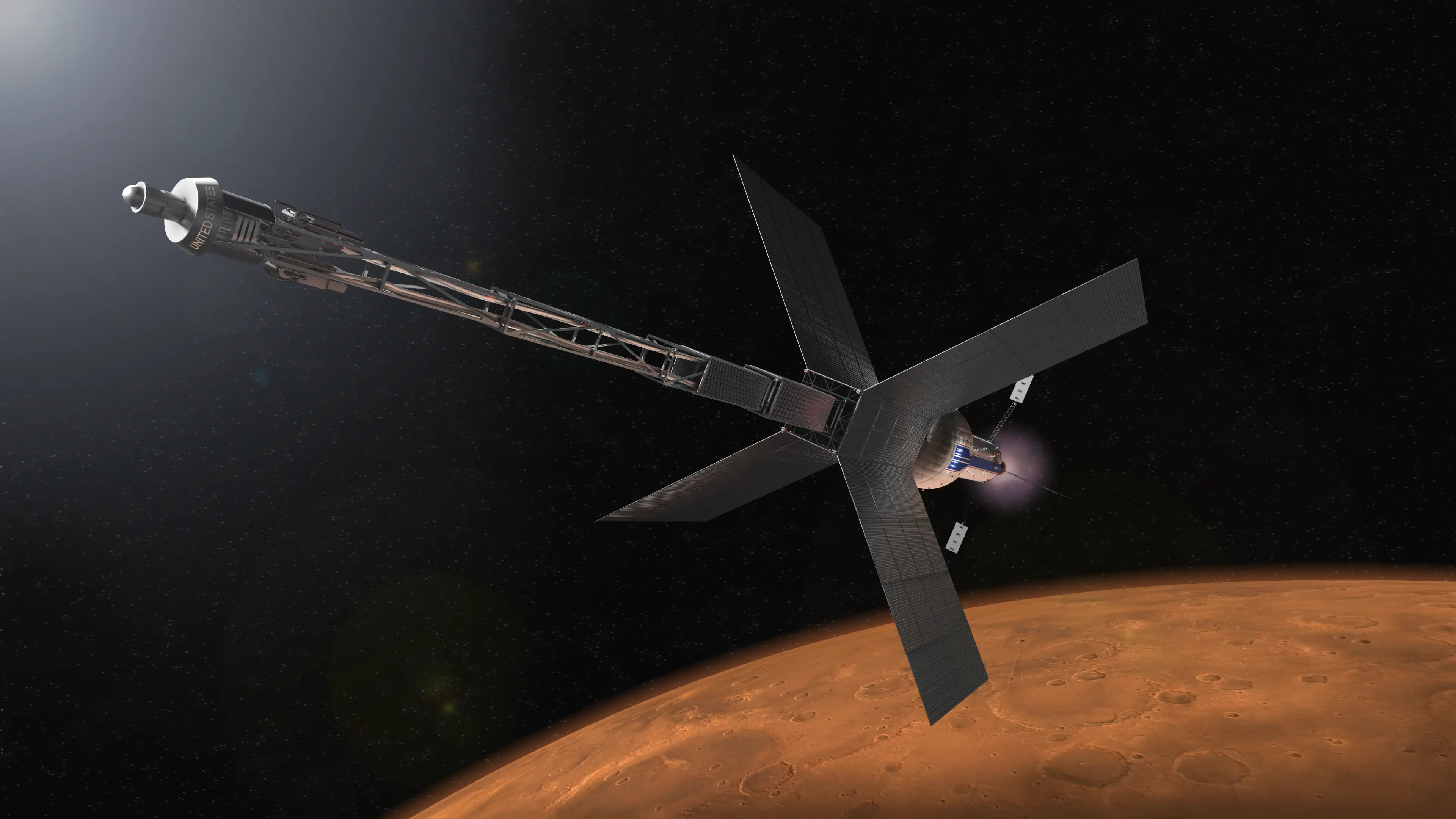
What is nuclear rocket power?
Nuclear rockets get energy from splitting atoms in a reactor. This energy heats fuel (often hydrogen), turning it into gas that blasts out the rocket nozzle, making the rocket move. This is more efficient than chemical rockets.
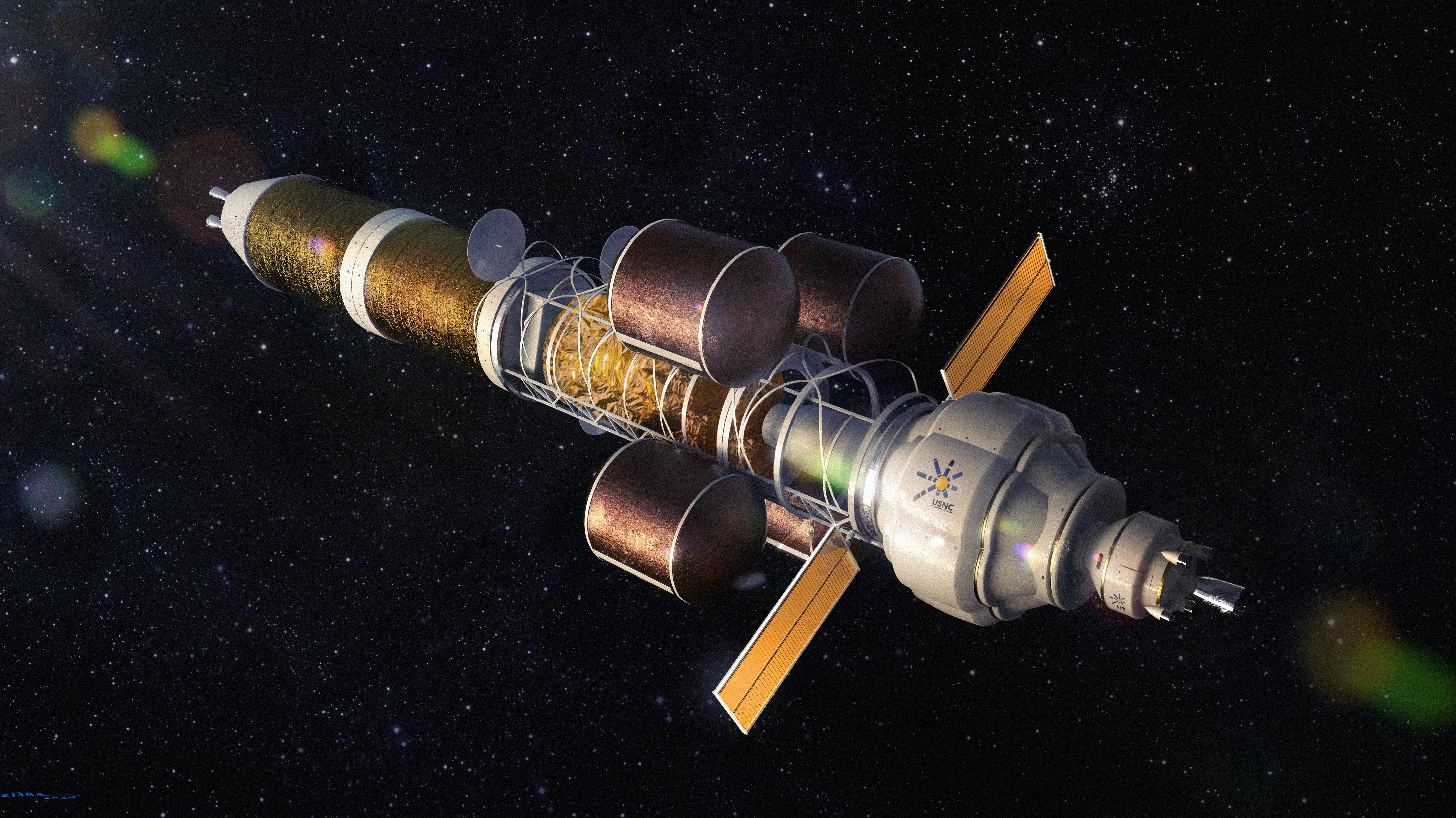
Why go nuclear for Mars?
Chemical rockets take at least 6-9 months for a Mars trip. Nuclear-powered rockets promise to cut that time by up to 50 per cent, getting crews there in around 3-4 months. The biggest benefit: less time in deep-space radiation and microgravity.
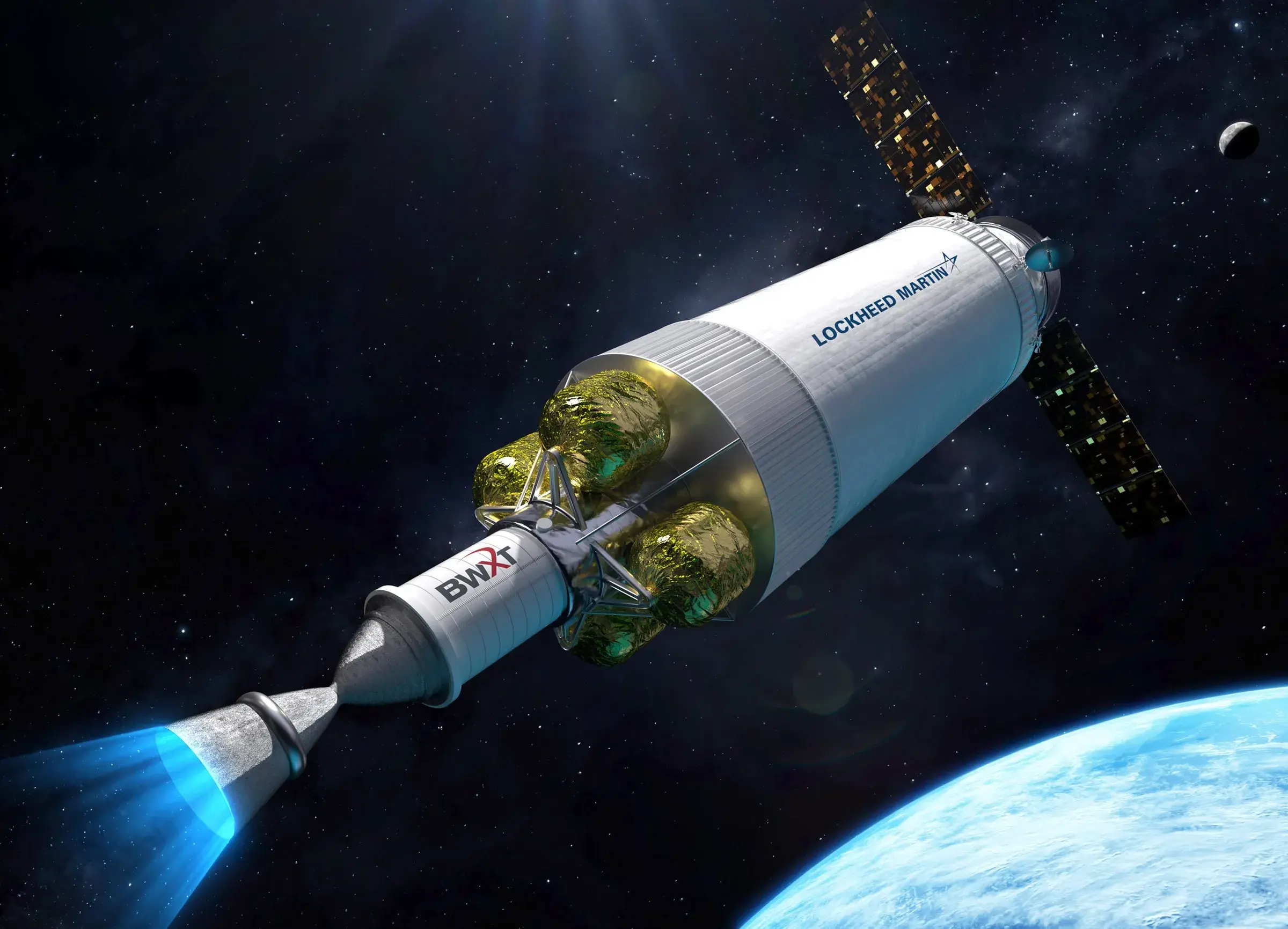
Nuclear thermal vs electric propulsion
NASA is testing two main types for Mars. Nuclear thermal rockets use a reactor to heat hydrogen for fast, powerful thrust. Nuclear electric systems use the reactor to make electricity, turning special gas into plasma for slow but very efficient pushes.

Current Mars rocket projects
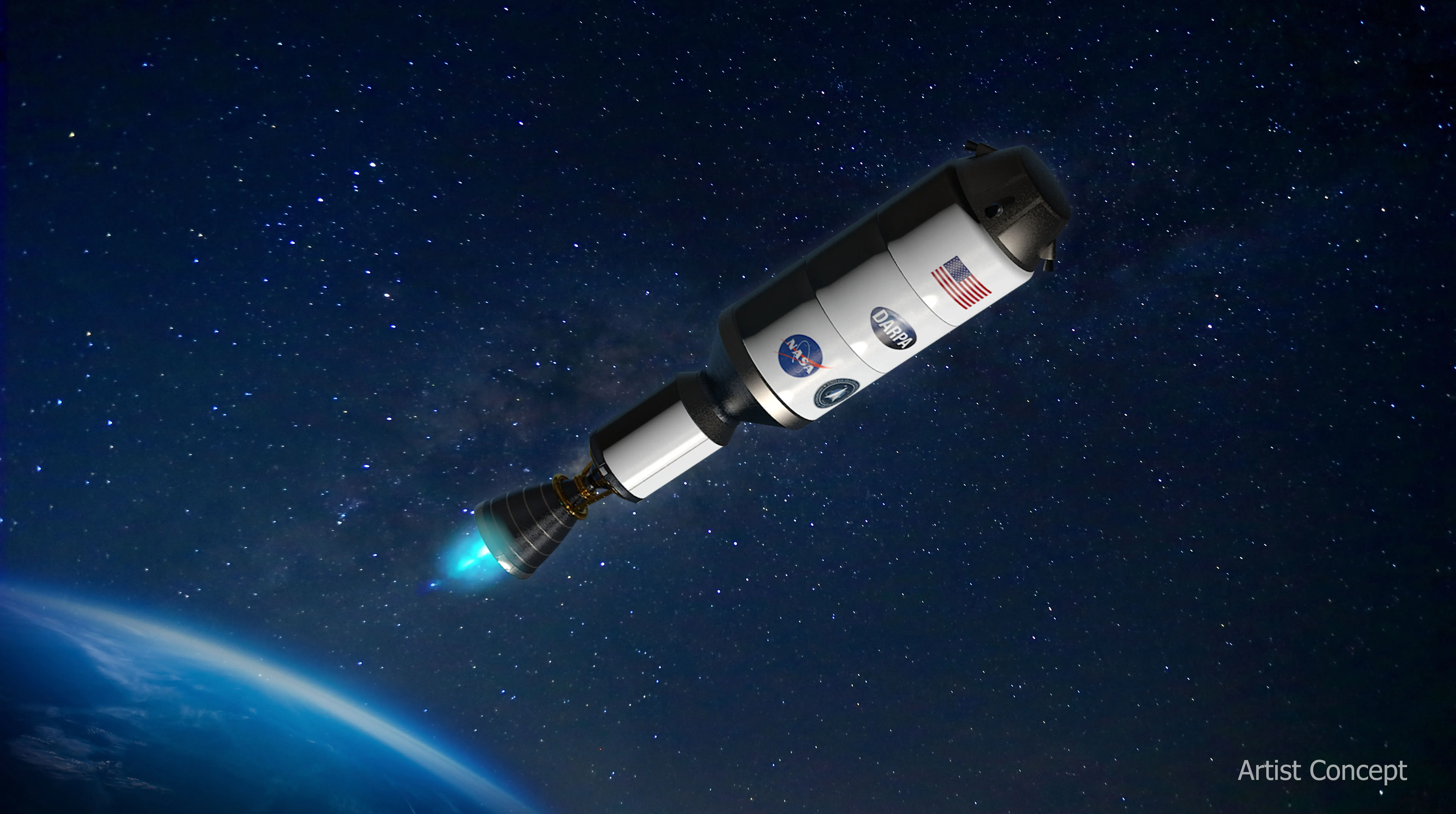
NASA and DARPA want to test a nuclear-powered rocket engine in space by 2027. Engineers at Rosatom in Russia claim plasma engines could reach Mars in 30-60 days, but most Western experts say practical designs will do the trip in about 3-4 months.
Safety and design challenges
Building a nuclear rocket means safely controlling atomic reactions in space, shielding humans, and keeping the system light and reliable. Engineers are still working on safe test reactors, fuel handling, and emergency plans for launch.
Will it happen soon?
NASA and partners aim for a crewed Mars trip in the 2030s using nuclear thermal propulsion. Prototype flights are set for late this decade, and more countries are now racing to develop their own advanced engines.
What’s next for interplanetary travel?
If tests succeed, nuclear-powered rockets could be the new normal for trips beyond the Moon making Mars a quicker, safer goal, and opening the door for missions to even more distant planets in our solar system.
)
)
)
)
)