Will Iran war finally end? What we know and don’t know about fragile US-Iran deal still facing key disputes

Even as negotiations continue, military activity has not entirely stopped. On Tuesday, the US Central Command confirmed fresh strikes aimed “to protect our troops from threats posed by Iranian forces”.
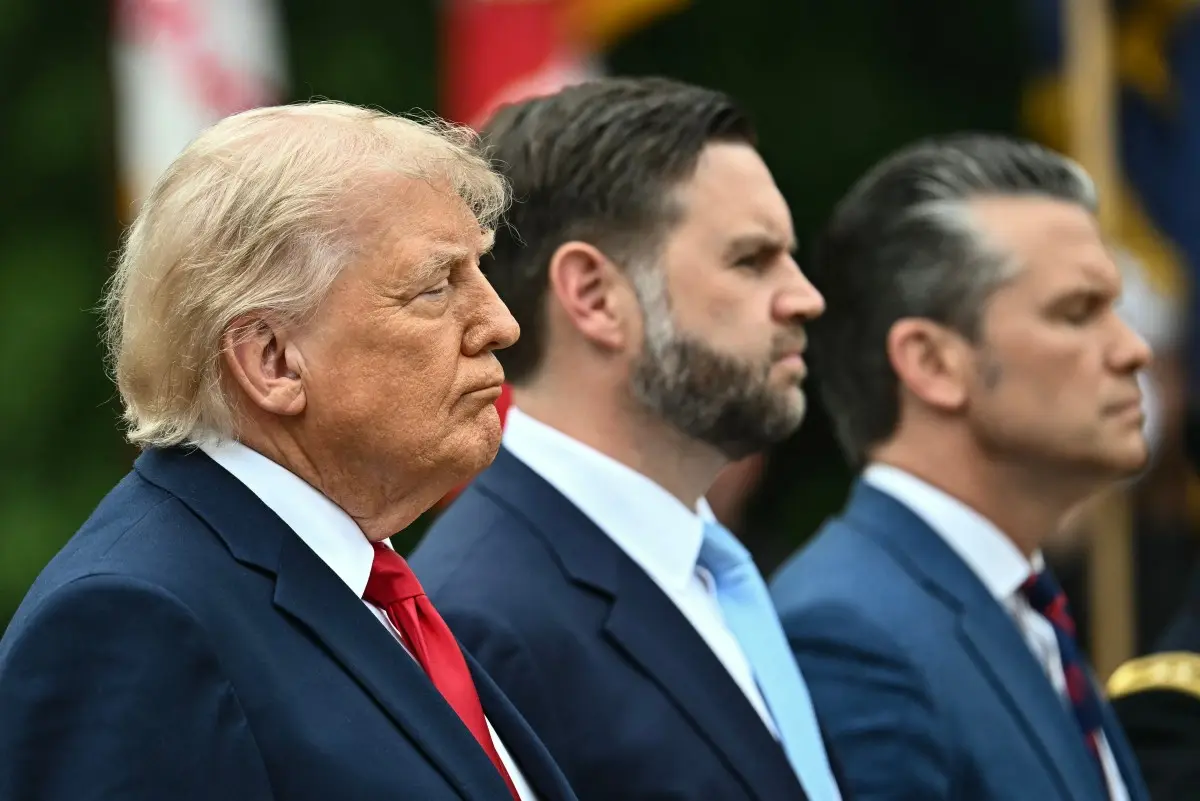
A Fragile Opening After Months Of Conflict
After nearly three months of conflict across the Middle East, the United States and Iran appear to be cautiously moving towards a possible agreement to halt the war and reopen the strategically vital Strait of Hormuz. Yet even as negotiations continue, military tensions remain high. On Tuesday, the US Central Command confirmed fresh strikes aimed “to protect our troops from threats posed by Iranian forces”, while Iran claimed it had shot down a “hostile” stealth drone using a newly deployed air defence system. The fragility of the talks was highlighted by US Secretary of State Marco Rubio, who said negotiations were being delayed by disagreements over the wording of the proposed deal. “It’s going to take a couple of days to settle … down to the disagreements over a word, a sentence,” Rubio said during his visit to India. Meanwhile, Donald Trump, on Monday, insisted talks with Tehran were progressing “nicely”, but warned that failure would mean a return “to the battlefront and shooting, but bigger and stronger than ever before”.
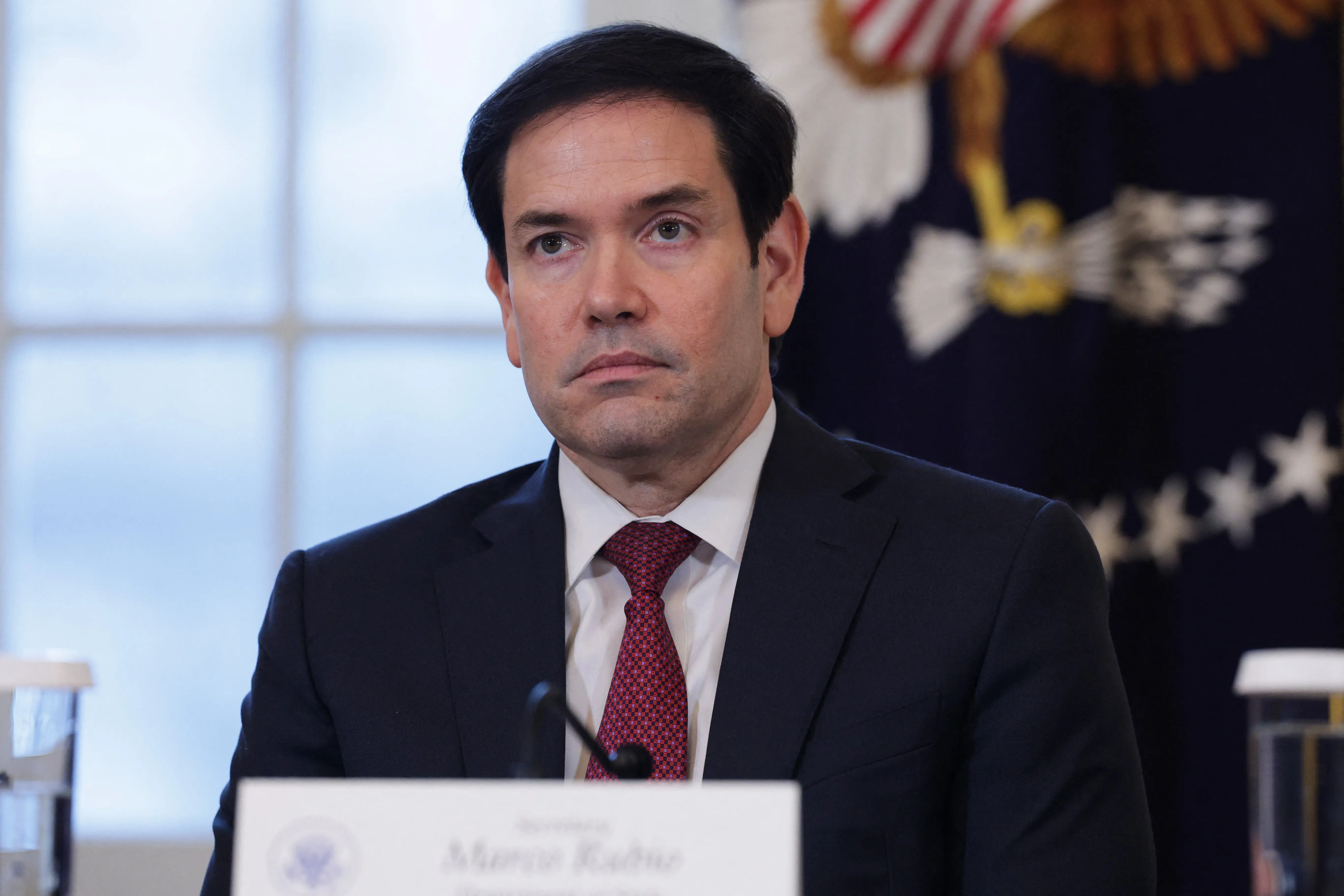
Peace Talks Stall Over Final Wording
US Secretary of State Marco Rubio said negotiations were now being delayed by disputes over specific wording within the proposed deal. “We’re going to have to work through that.” His remarks highlighted how fragile the negotiations remain, even as both sides publicly signal progress. The comments came only hours after the US military carried out what it described as “self-defence strikes” targeting Iranian missile launch sites and boats near the Strait of Hormuz.
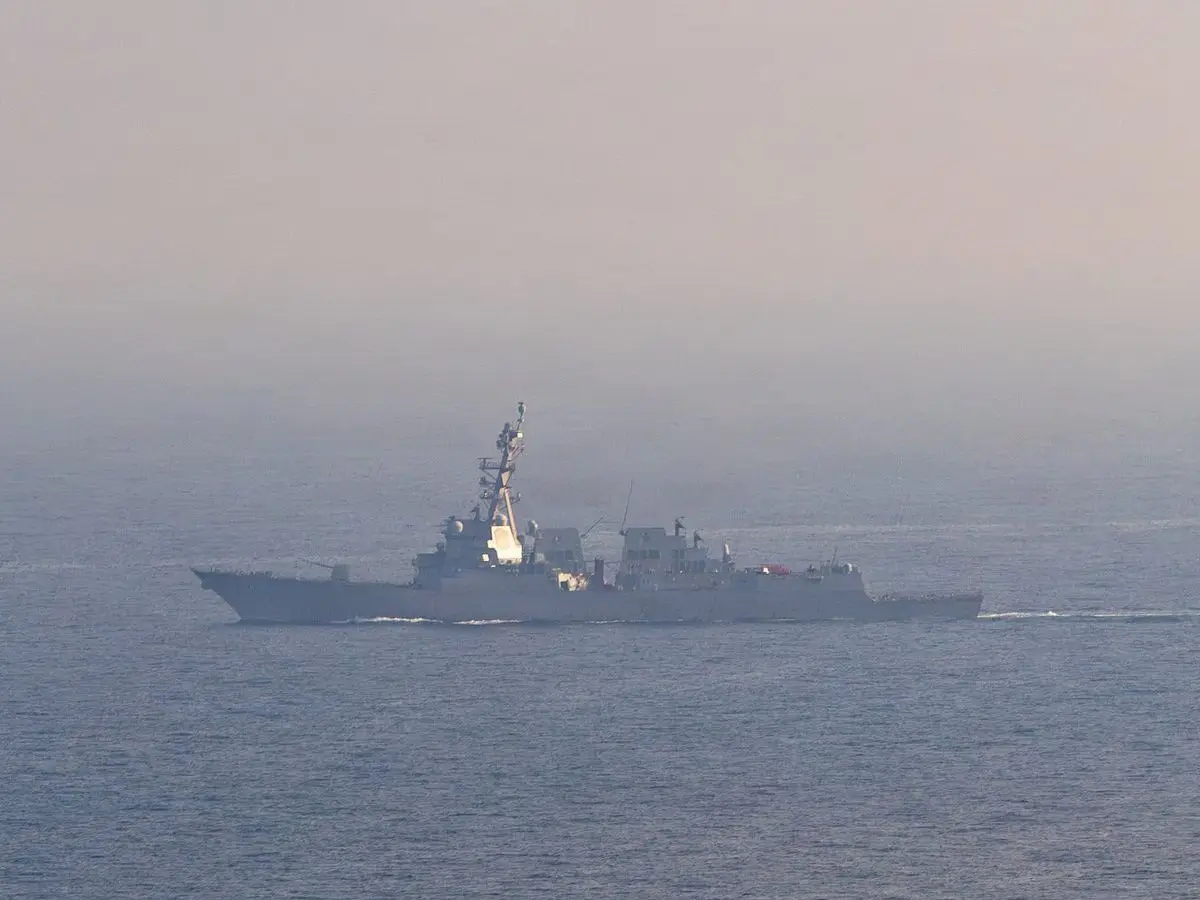
Ending The War And Reopening Hormuz
Even as both sides continue to exchange fire, the possibility of a diplomatic breakthrough has not been entirely ruled out. According to regional and US officials involved in the negotiations, the draft agreement centres first on ending hostilities across multiple fronts. That includes a ceasefire between Israel and Hezbollah, alongside commitments against interference in regional states through proxy groups. A fragile truce has technically held since April 7, despite intermittent missile and drone attacks and exchanges near the Strait of Hormuz. The waterway carries roughly 20 per cent of the world’s oil supply, making its closure one of the most serious economic consequences of the war. According to the Associated Press, under the emerging arrangement, the Strait of Hormuz would reopen gradually while Washington simultaneously lifts its blockade on Iranian ports imposed in April. Iran would also receive limited sanctions waivers allowing oil exports to resume, offering relief to its battered economy.
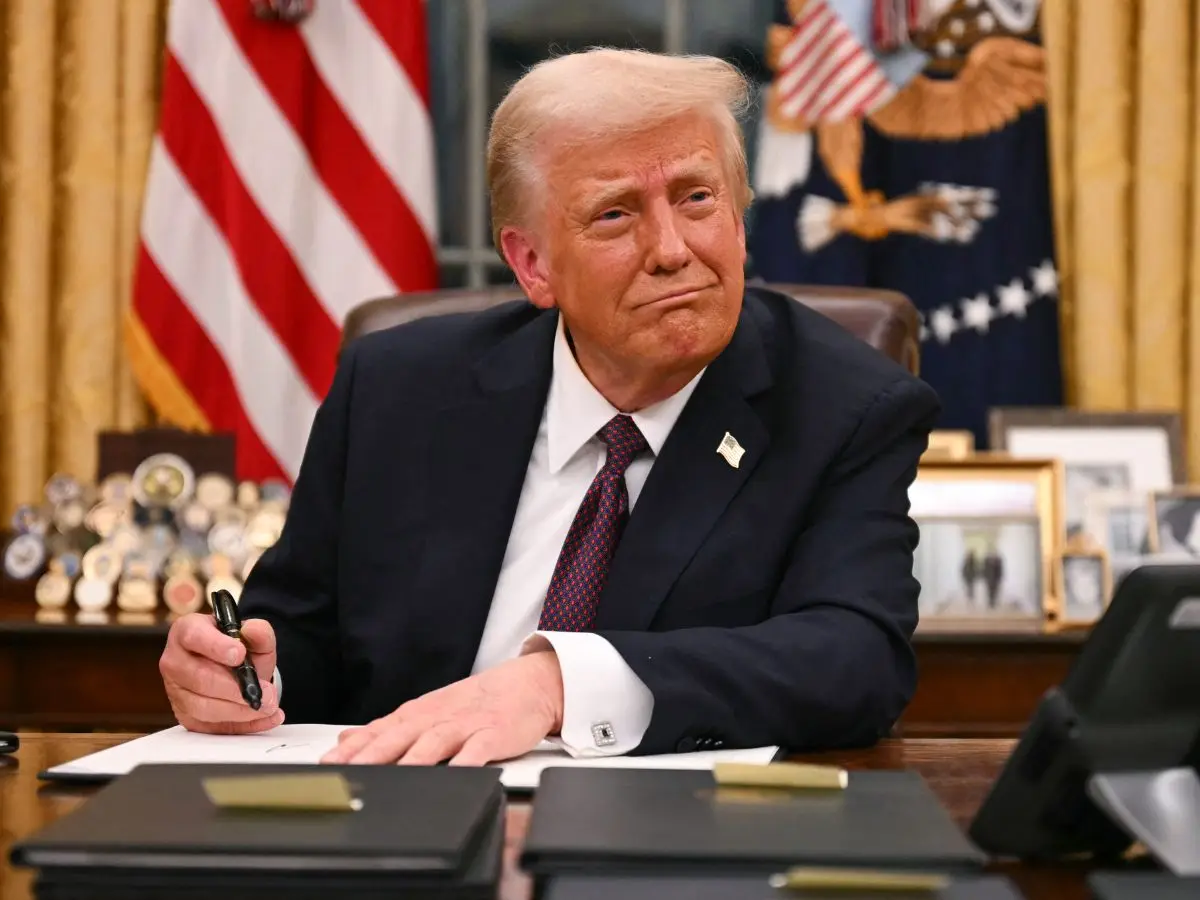
The Nuclear Question Remains Central
The most sensitive issue remains Iran’s nuclear programme. Quoting the regional officials familiar with the talks, AP wrote, that Tehran may agree to surrender its stockpile of highly enriched uranium during a 60-day negotiation period. According to the International Atomic Energy Agency, Iran currently possesses 440.9 kilograms of uranium enriched to 60 per cent purity, technically close to weapons-grade levels. One proposal reportedly under discussion involves diluting part of the stockpile and transferring the remainder to a third country, with Russia offering to receive it. Iran, however, continues to insist its programme is peaceful. President Masoud Pezeshkian said Tehran was prepared “to assure the world that we are not after a nuclear weapon”.
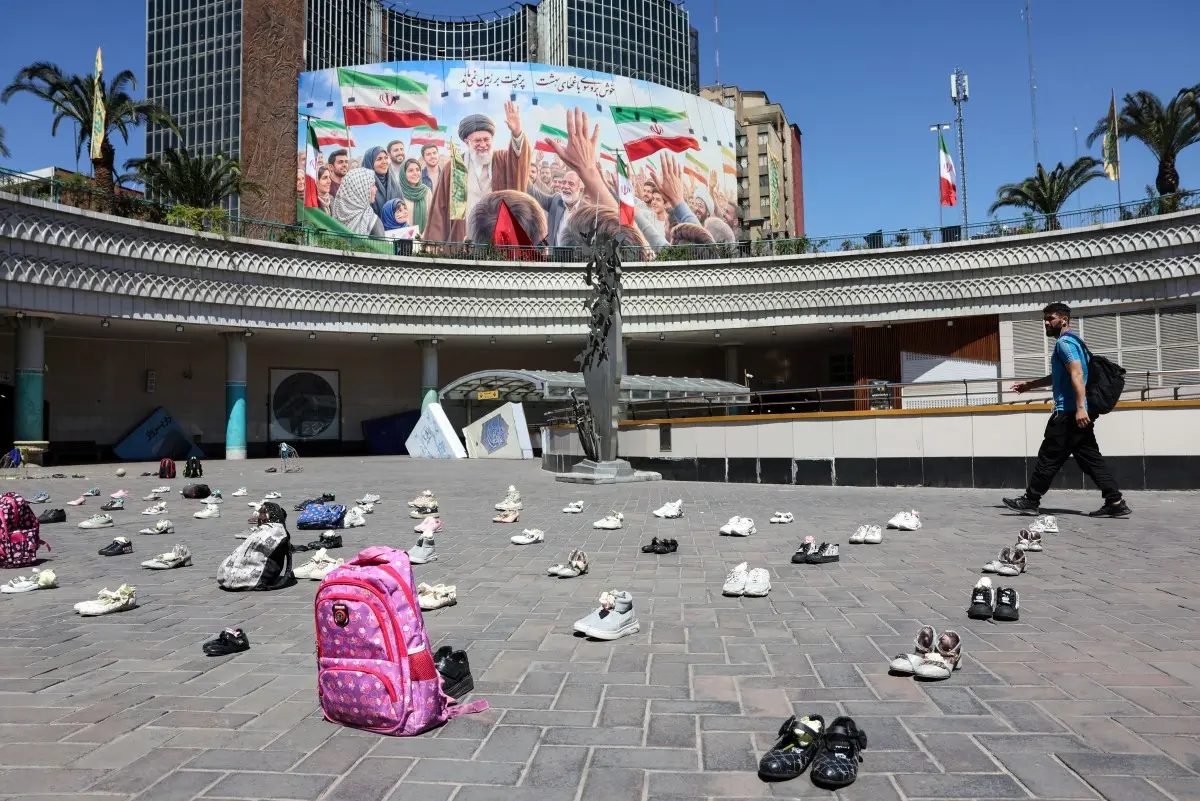
What Still Has Not Been Agreed
Despite signs of progress, major questions remain unresolved. Iranian Foreign Ministry spokesman Esmail Baghaei cautioned that “a large portion of the issues” had been understood, but added: “To say that this means an agreement is on the verge of being signed is not something anyone can claim.” Crucially, negotiators have not publicly settled whether Iran will retain any uranium enrichment capability or how its missile programme would be restricted. Israel continues to view Iran’s missile arsenal as a direct security threat.
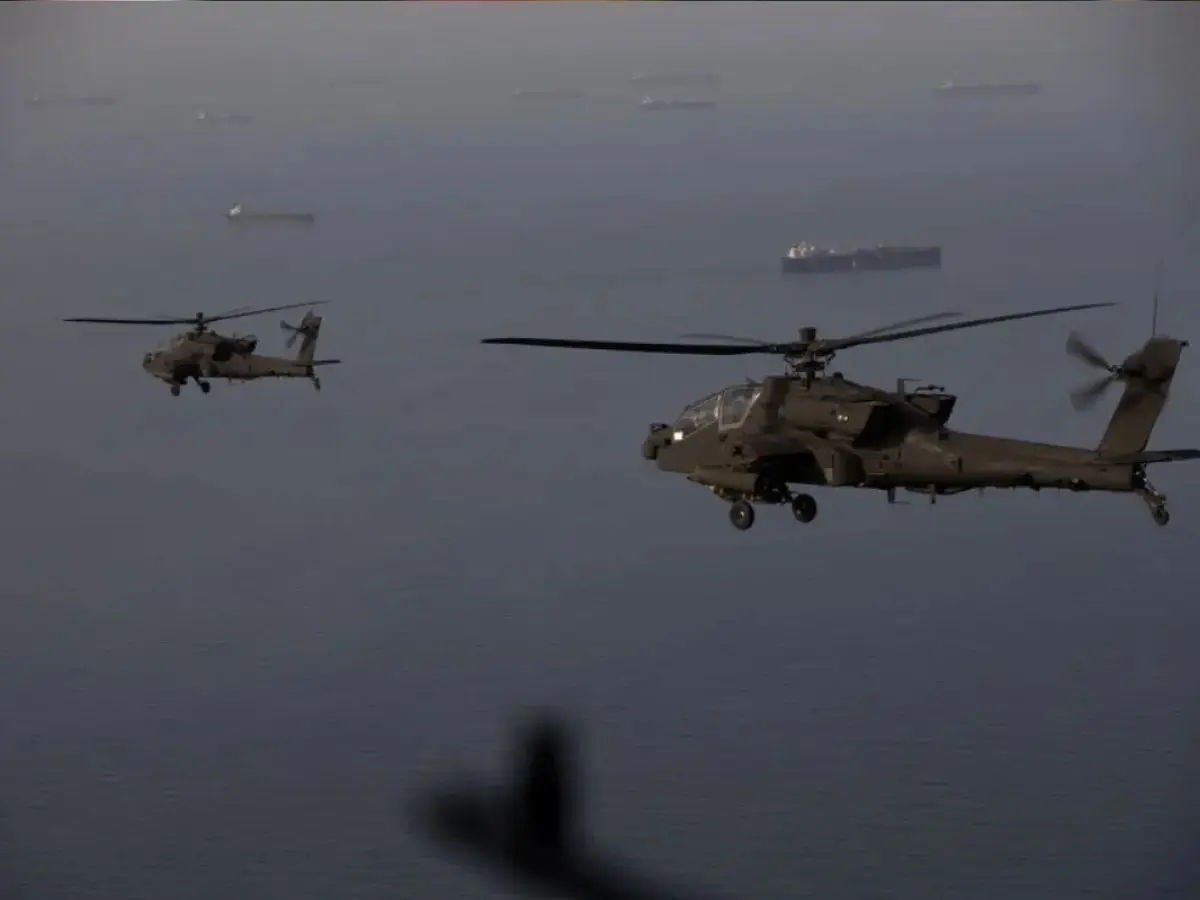
A Deal With Regional Consequences
The negotiations also reflect a notable shift in political priorities. Earlier discussions about regime change in Tehran appear absent from the current framework, as do Iranian demands for US troop withdrawals or compensation for wartime damage. Instead, the focus has narrowed to containment: ending the war, stabilising energy routes and preventing a wider regional escalation. Whether that proves durable will depend not only on diplomacy, but on whether both sides accept compromises they have long publicly rejected.
)
)
)
)
)