Will hypersonic fighter jets make traditional air combat obsolete by 2035?

Nations across the world are investing heavily in hypersonic technologies to secure strategic advantages in an increasingly competitive defense landscape.
Introduction: The Rise of Hypersonic Aviation
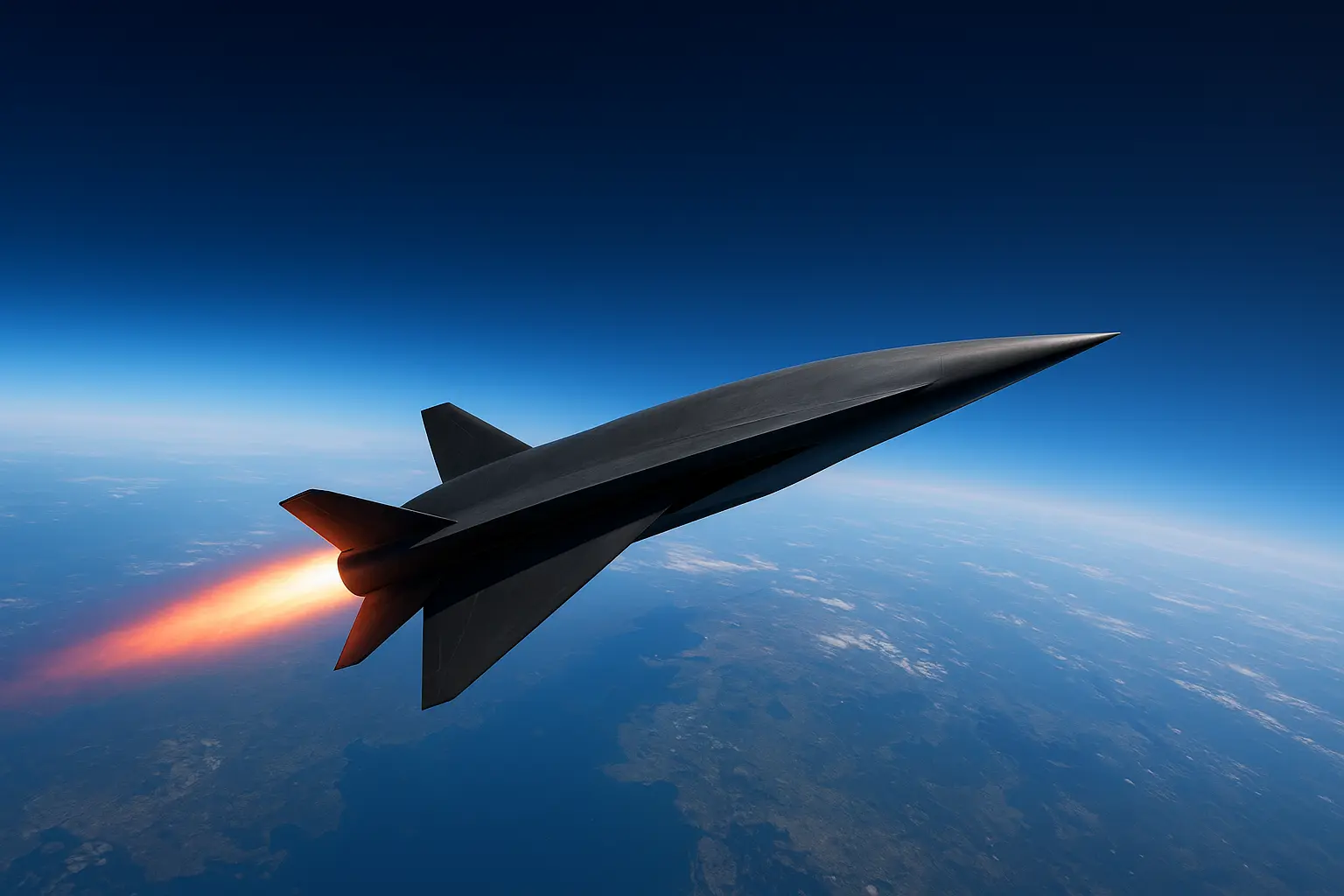
The development of hypersonic fighter jets, aircraft capable of sustained flight at speeds exceeding Mach 5, has become a focal point for global military innovation. These advanced platforms promise to revolutionize air combat, offering unparalleled speed, agility, and survivability. Nations across the world are investing heavily in hypersonic technologies to secure strategic advantages in an increasingly competitive defense landscape.
1. The Strategic Advantage of Hypersonic Speed
Hypersonic aircraft can drastically reduce response times, enabling rapid deployment and interception of threats. This capability challenges traditional air defense systems, which are designed to counter subsonic and transonic threats. The speed of hypersonic jets complicates the enemy's ability to track, target, and engage, potentially rendering existing air combat tactics obsolete.
2. Technological Challenges and Development Efforts
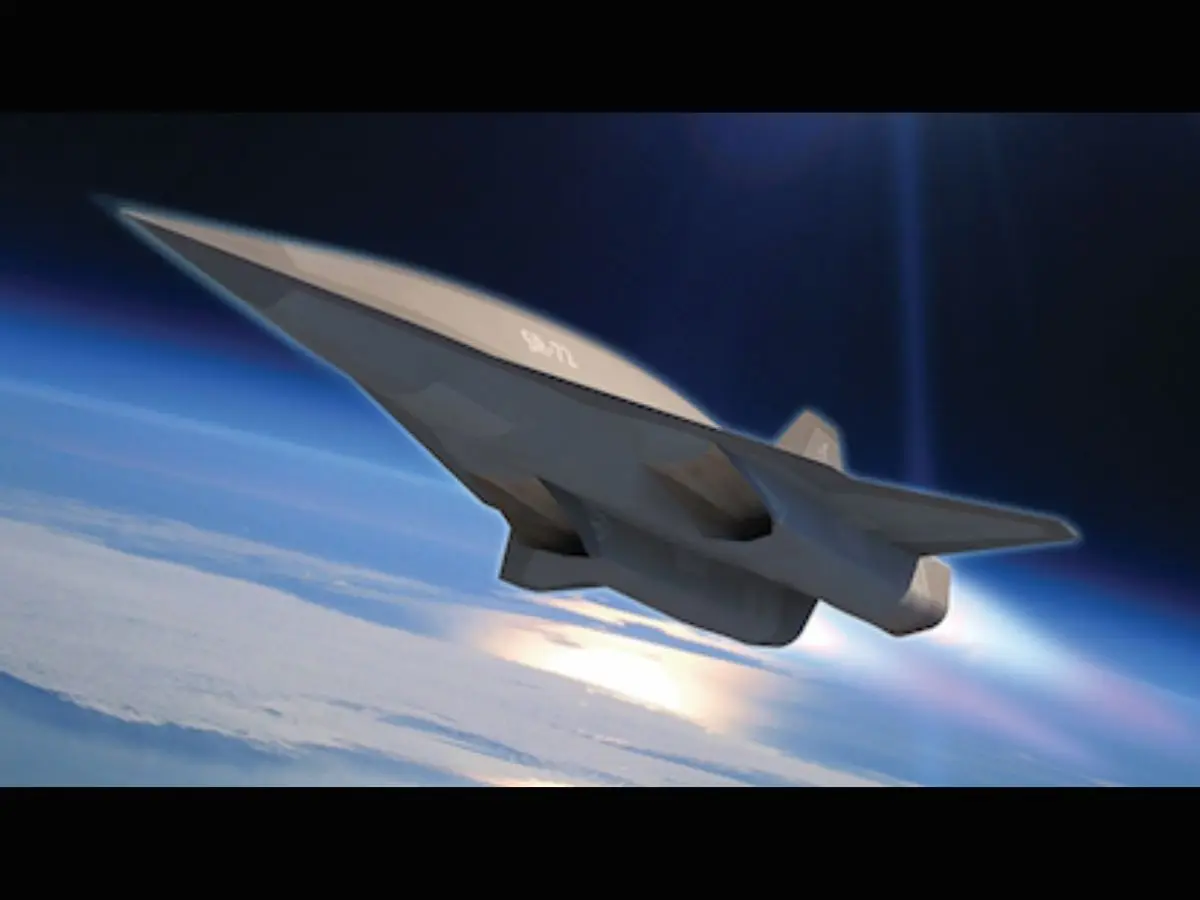
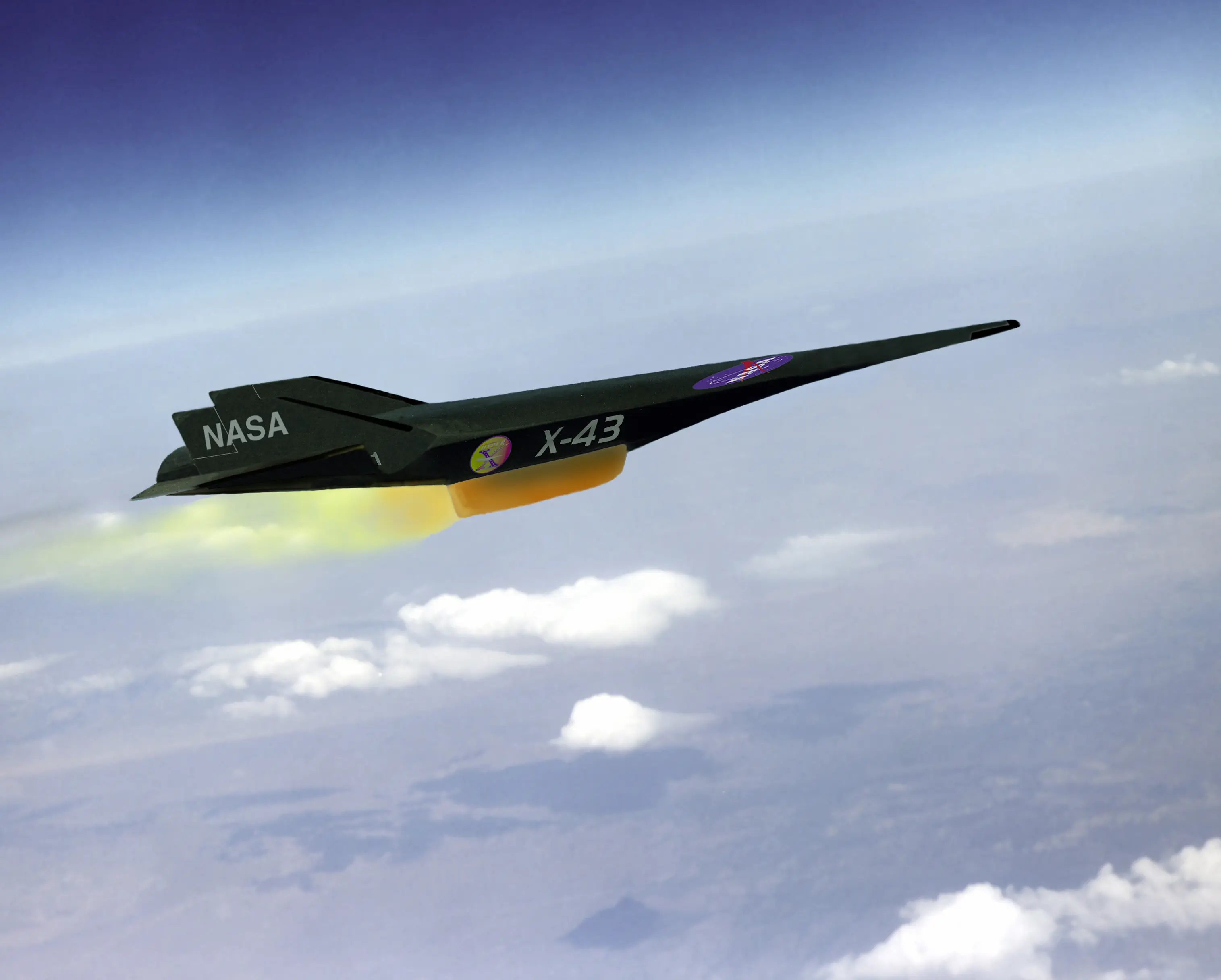
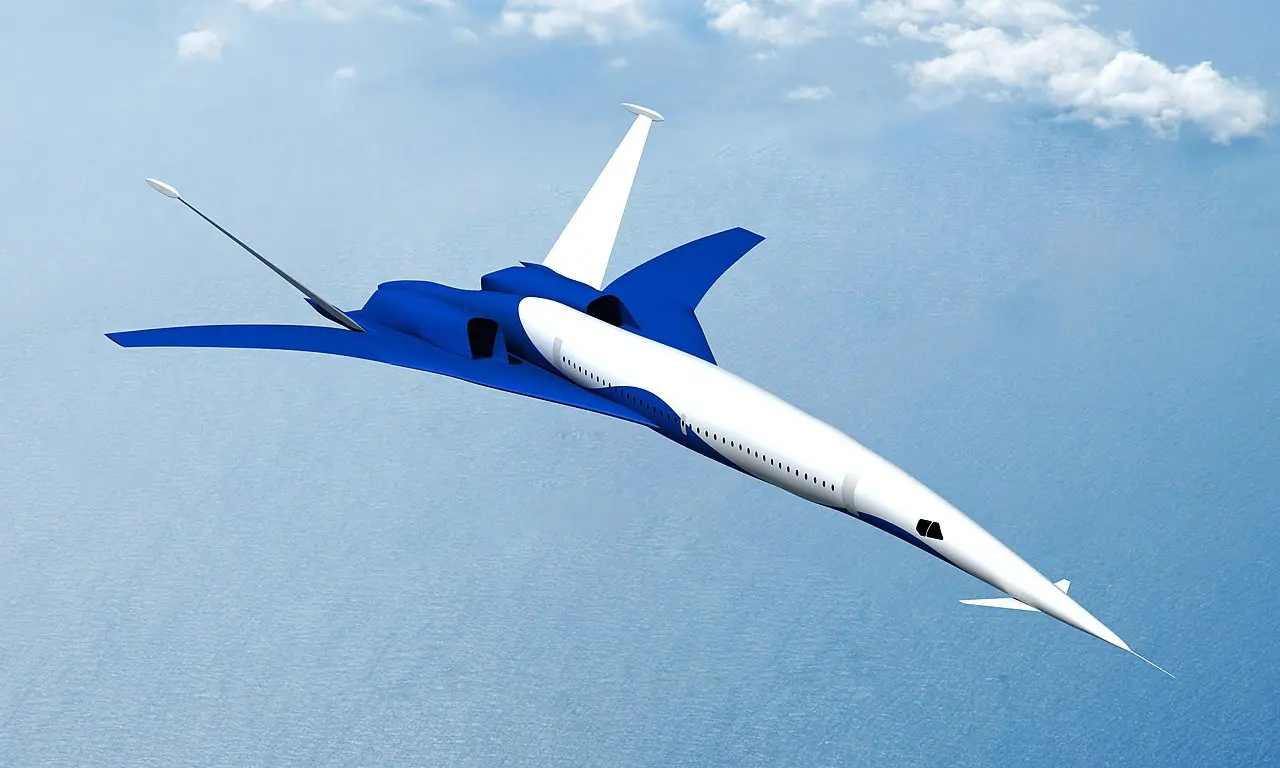
Developing hypersonic fighter jets involves overcoming significant technological hurdles, including advanced propulsion systems, heat management, and materials science. Countries like the United States, China, and Russia are at the forefront of this development. For instance, the US is working on the SR-72, a sixth-generation aircraft designed to reach speeds up to Mach 6. China has unveiled the Nanqiang No. 1, a hypersonic passenger jet capable of reaching speeds six times faster than the Concorde. Russia's Ayaks program aims to produce a waverider aircraft capable of sustained hypersonic flight.
3. Impact on Traditional Air Combat
The introduction of hypersonic fighter jets could significantly alter traditional air combat strategies. Their unprecedented speed and maneuverability may outpace current radar and missile defense systems, necessitating a reevaluation of existing combat doctrines. This shift could lead to the obsolescence of current fighter aircraft and air defense systems, as they may be unable to effectively counter hypersonic threats.
4. The Role of Artificial Intelligence and Autonomous Systems
Integrating artificial intelligence (AI) and autonomous systems into hypersonic fighter jets can enhance their operational effectiveness. AI can assist in real-time decision-making, target identification, and mission planning, enabling hypersonic jets to operate with greater precision and efficiency. This integration could further challenge traditional piloted aircraft, as AI-driven systems may outperform human operators in high-speed combat scenarios.
5. Global Arms Race and Strategic Implications
The development of hypersonic fighter jets has intensified the global arms race, with nations striving to achieve technological superiority. This competition raises concerns about the potential for an arms race in hypersonic weapons, leading to increased geopolitical tensions. The strategic implications are profound, as countries with advanced hypersonic capabilities could gain a significant advantage in both defense and deterrence.
6. India's Position in Hypersonic Development
India is actively pursuing hypersonic technology through various initiatives. The Defence Research and Development Organisation (DRDO) is developing the Advanced Hypersonic Test Vehicle (AHTV), designed to test critical technologies for future hypersonic vehicles. Additionally, India is collaborating with France to develop advanced jet engines for its fifth-generation stealth fighter aircraft, which may incorporate hypersonic technologies in the future. These efforts align with India's broader strategy to enhance its defense capabilities and technological self-reliance.
)
)
)
)
)