Will fusion engines make hypersonic fighter jets outrun missiles in the future?

Imagine fighter jets that go faster than anything seen today, with no need to refuel for months. Fusion engines could let hypersonic fighter jets fly faster, farther, and longer could redefine military aviation with clean, powerful energy.
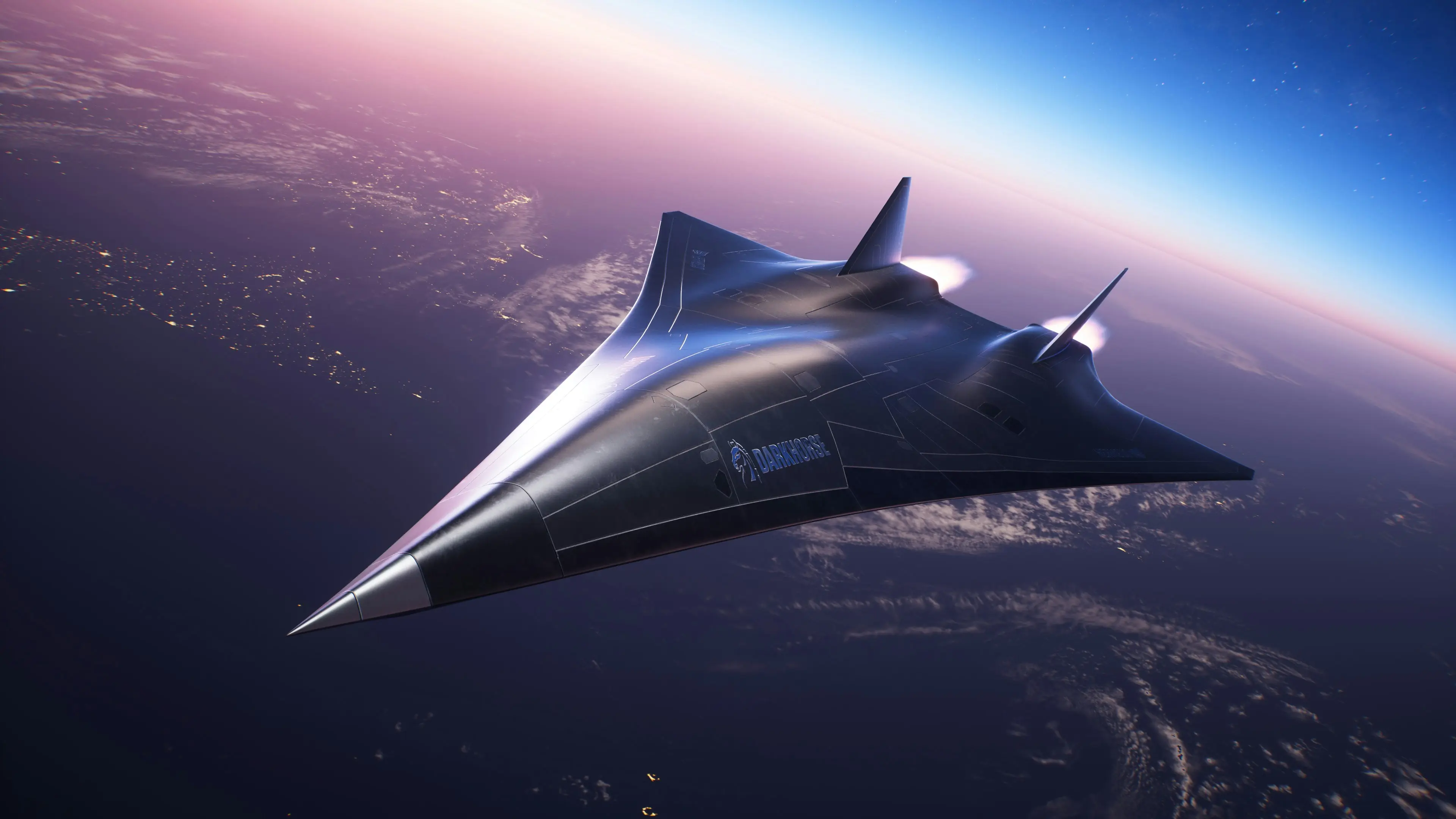
Hypersonic jets
Expert say Hypersonic jets can fly above Mach 5, but using current tech engines will use lots of fuel and face high heat that limits their range and speed. The concept of fusion engines promises higher efficiency and nearly unlimited power, opening doors to speeds that chemical engines can't match.
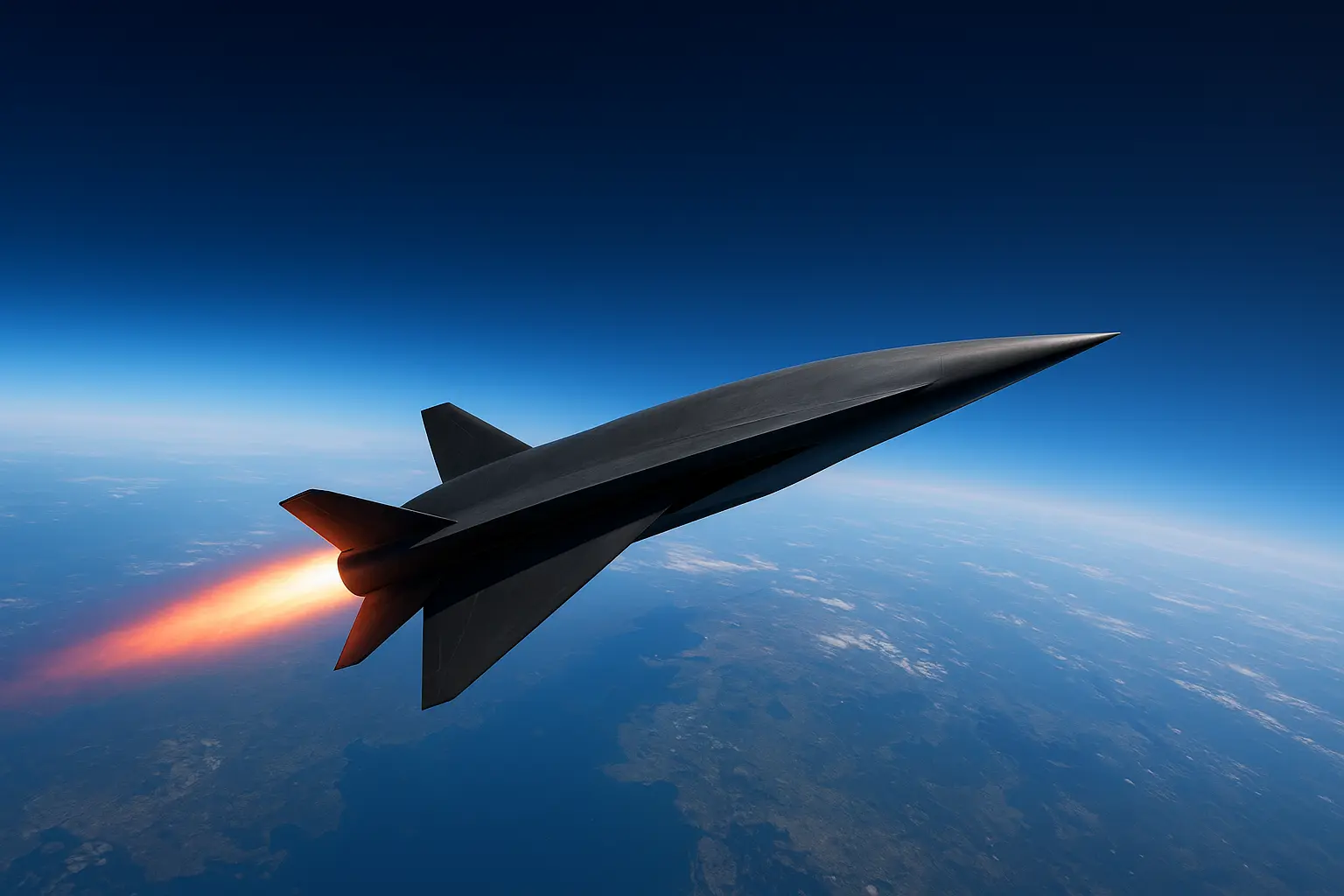
What Makes Fusion Special?
Fusion engines release energy by fusing atomic nuclei just like what powers the sun. Even small amounts of fusion fuel could deliver energy a million times greater than burning jet fuel, with far less waste.
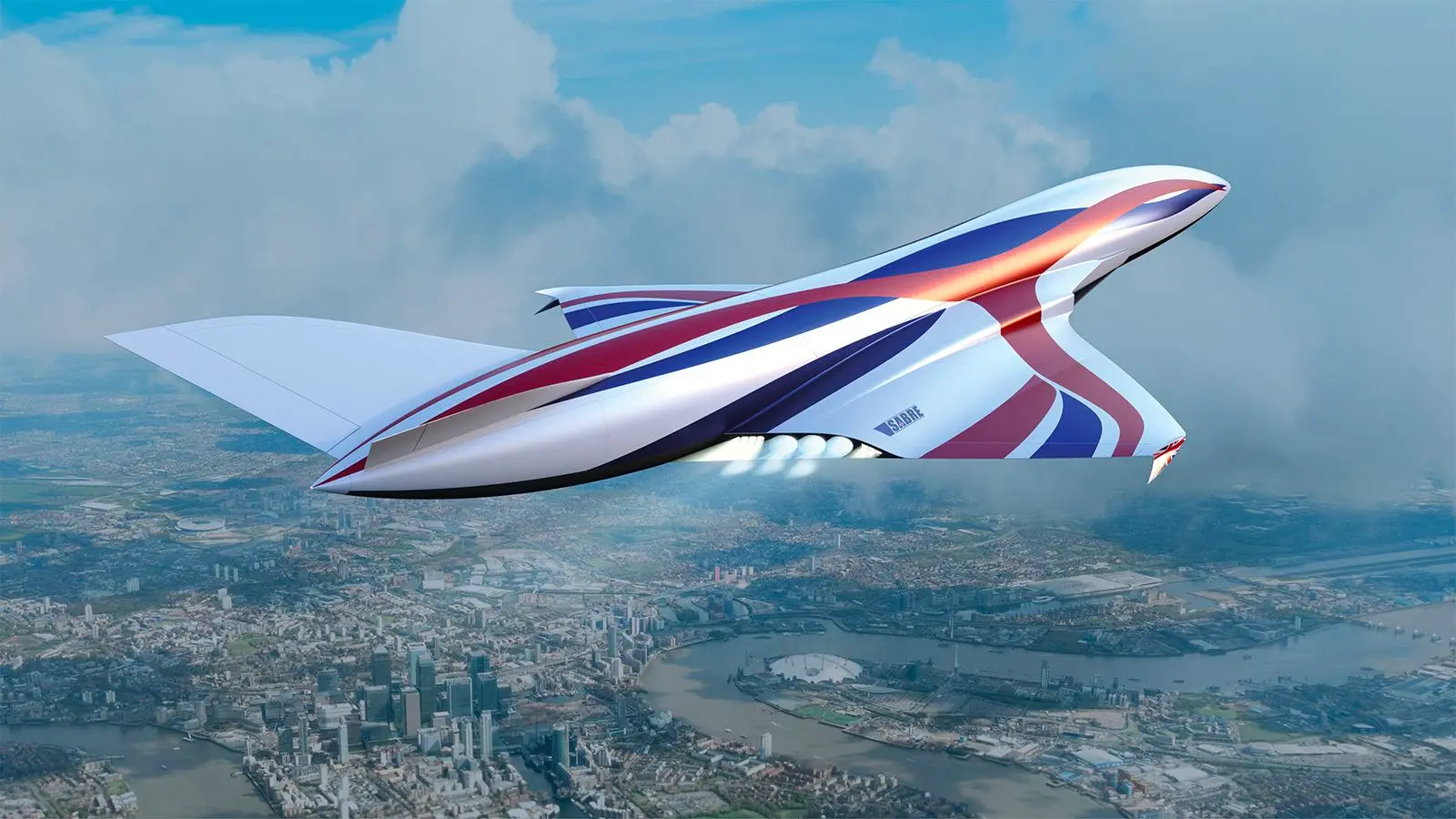
Unlimited Range, Super High Speeds
With fusion engines, jets may fly at Mach 6 or even up to Mach 17 (over 13,000 miles per hour). Because fusion uses so little fuel, jets could stay aloft for days or weeks without landing, (which is not easy) but it can change how air defence, surveillance, and even travel are done.
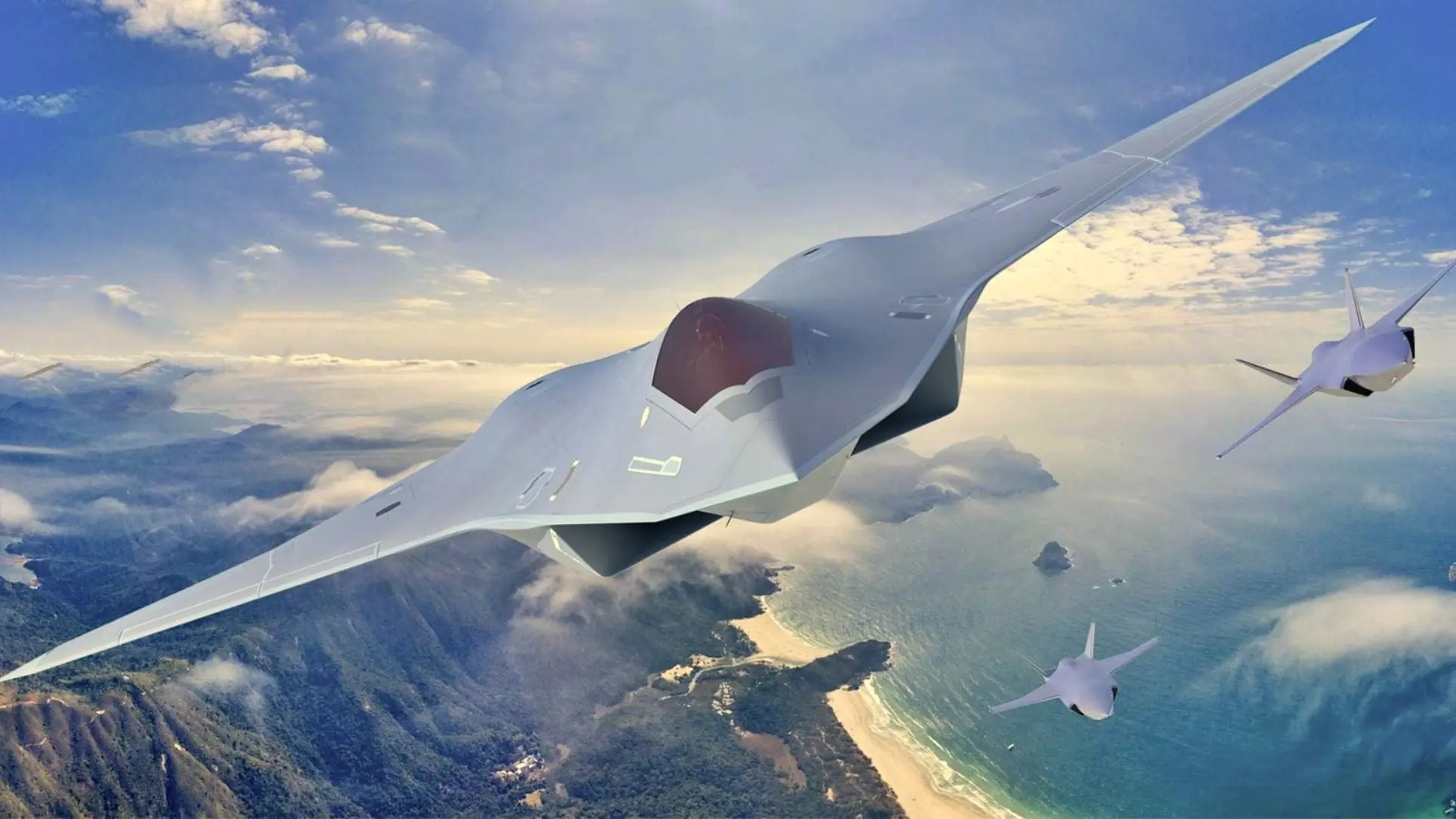
Hypersonic heat
Fusion engines could supply so much excess electricity onboard that fighters could use high-power radars, directed-energy weapons, or advanced electronic defences. Extra power can also be be used for active cooling of parts of jet to protect jets from hypersonic heat.
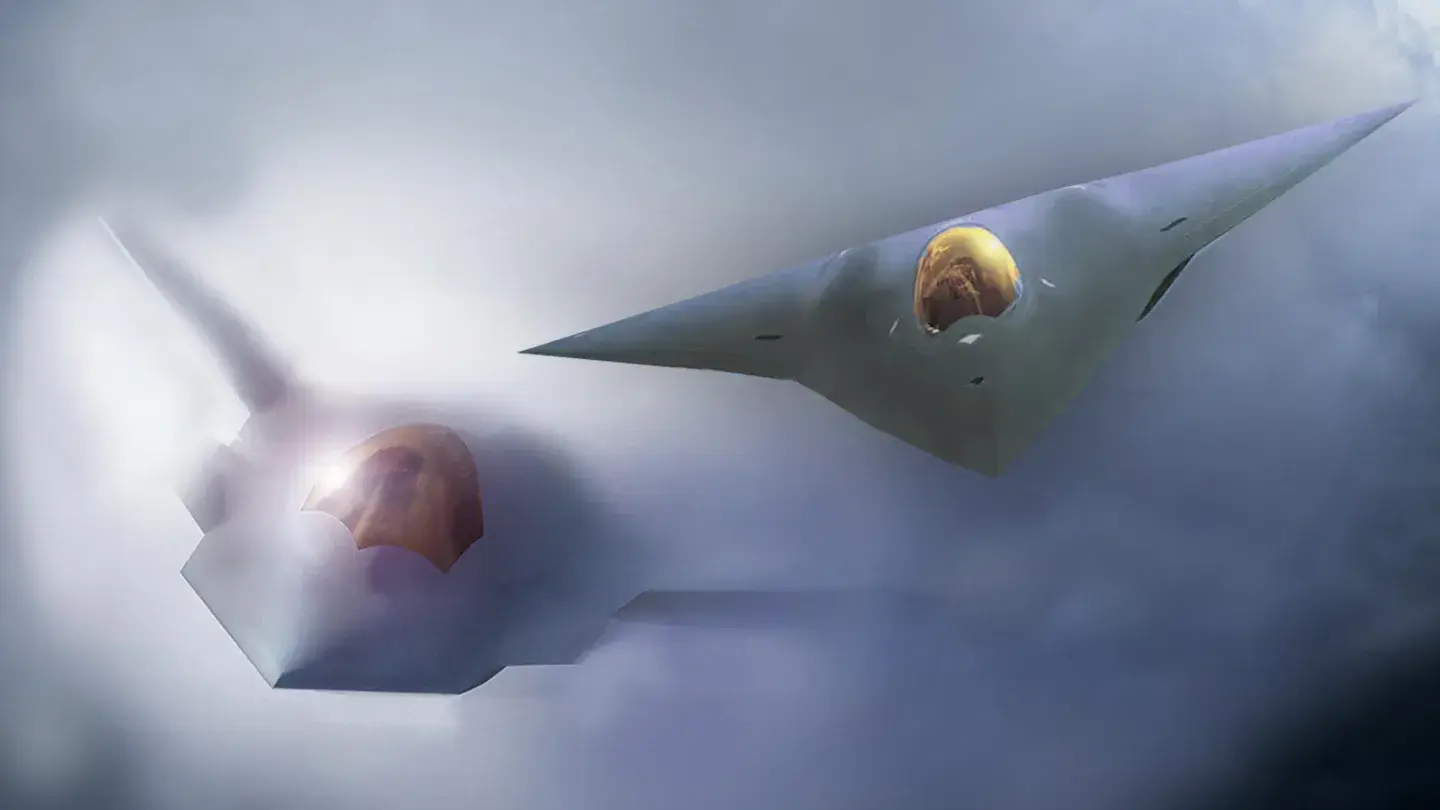
The Technology Gap
Building a fusion engine small and light enough for a jet is difficult. Recent breakthroughs, like super-strong magnetic plasma traps and compact fusion reactors, point to possible real fighter jet integration in the coming decades.
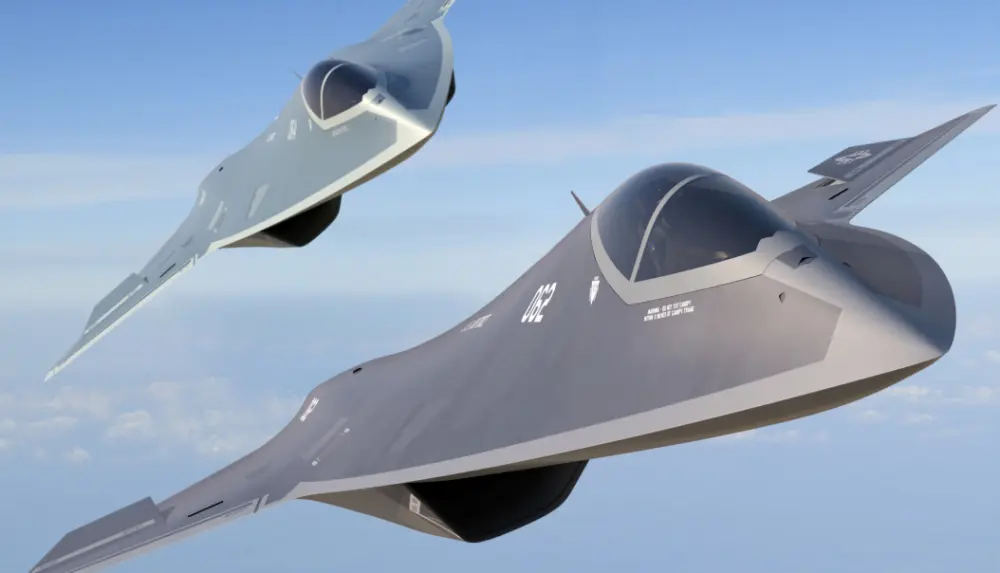
Fusion power engine
Fusion power means almost no carbon or radioactive emissions. A single jet could run for a year on a few dozen pounds of fuel, making military flight cleaner and less reliant on fuel tankers or large global supply chains.
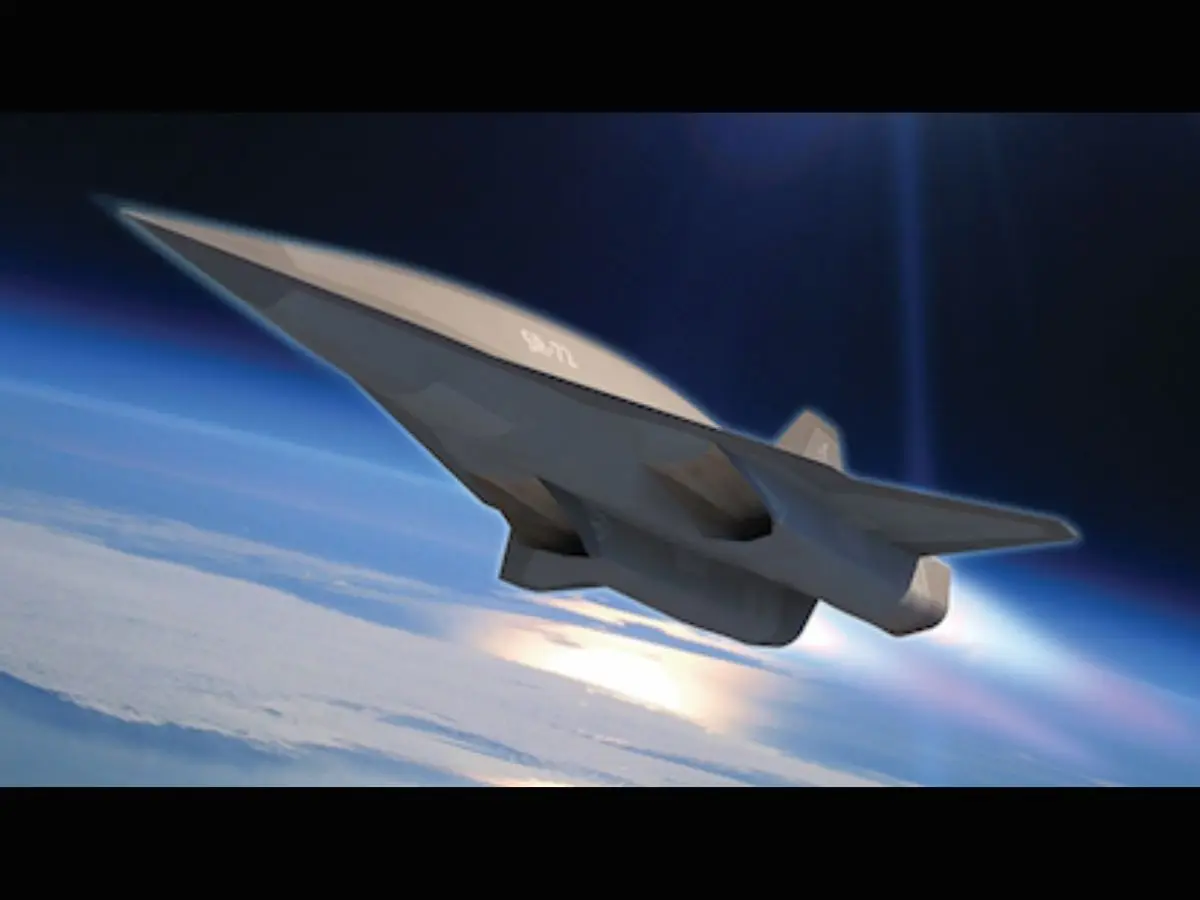
The Hypersonic Future
Fusion-powered hypersonic jets could outpace current air defence, can carry massive payloads, and change global power balances. Many hurdles remain.
)
)
)
)
)