Will Astronomers detect echos of NASA's Voyager 1 and 2 in the year 3025?

Looking forward a thousand years, one might ask: could an “echo” of Voyager still be detectable? Here are seven grounded scenarios.
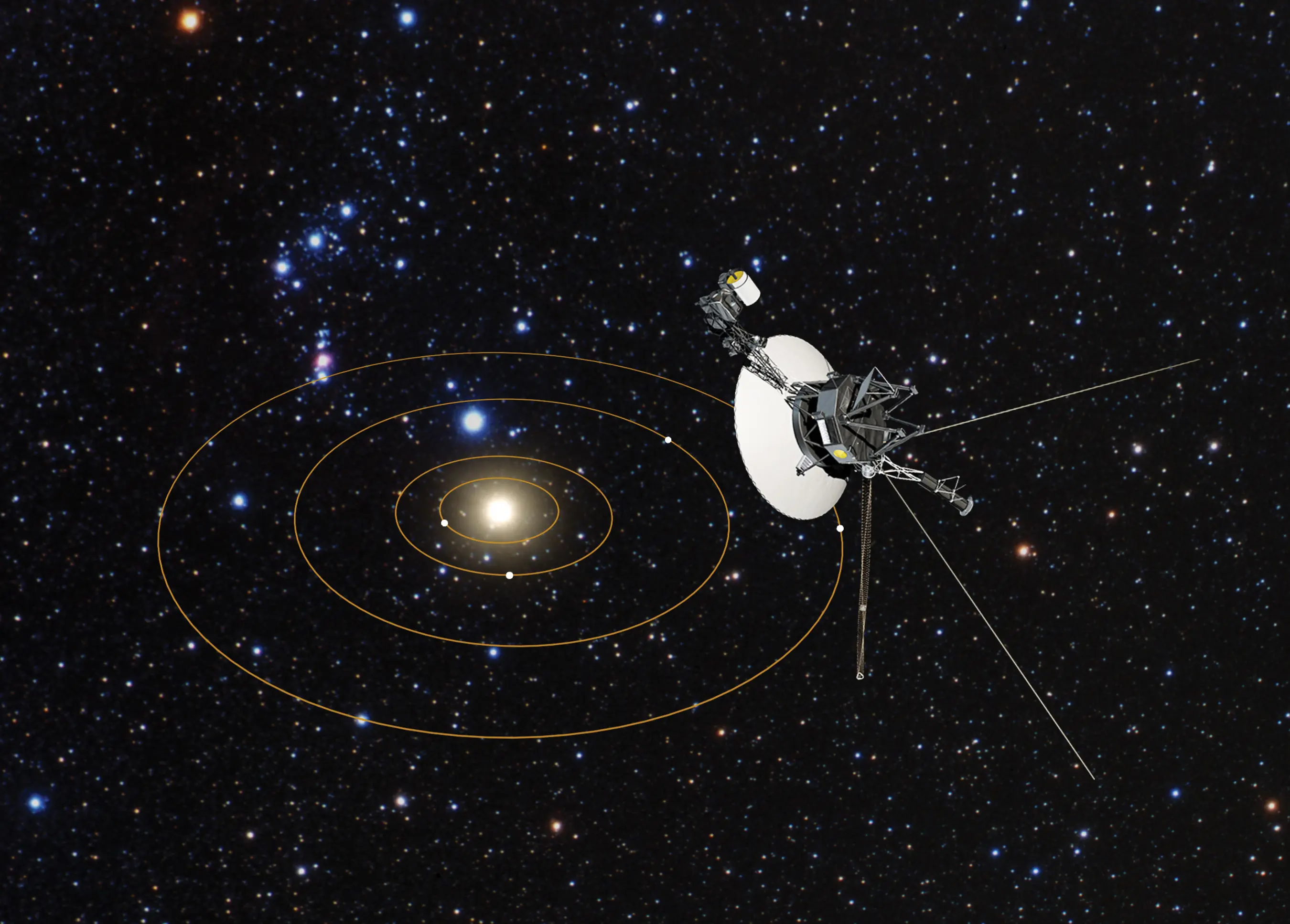
The Decay of the Power Source
Both spacecraft rely on radioisotope thermoelectric generators (RTGs). These lose output steadily. By the late 2020s, the instruments will no longer run. By 3025, no electrical power will remain to generate intentional signals.
Passive Radio Reflections
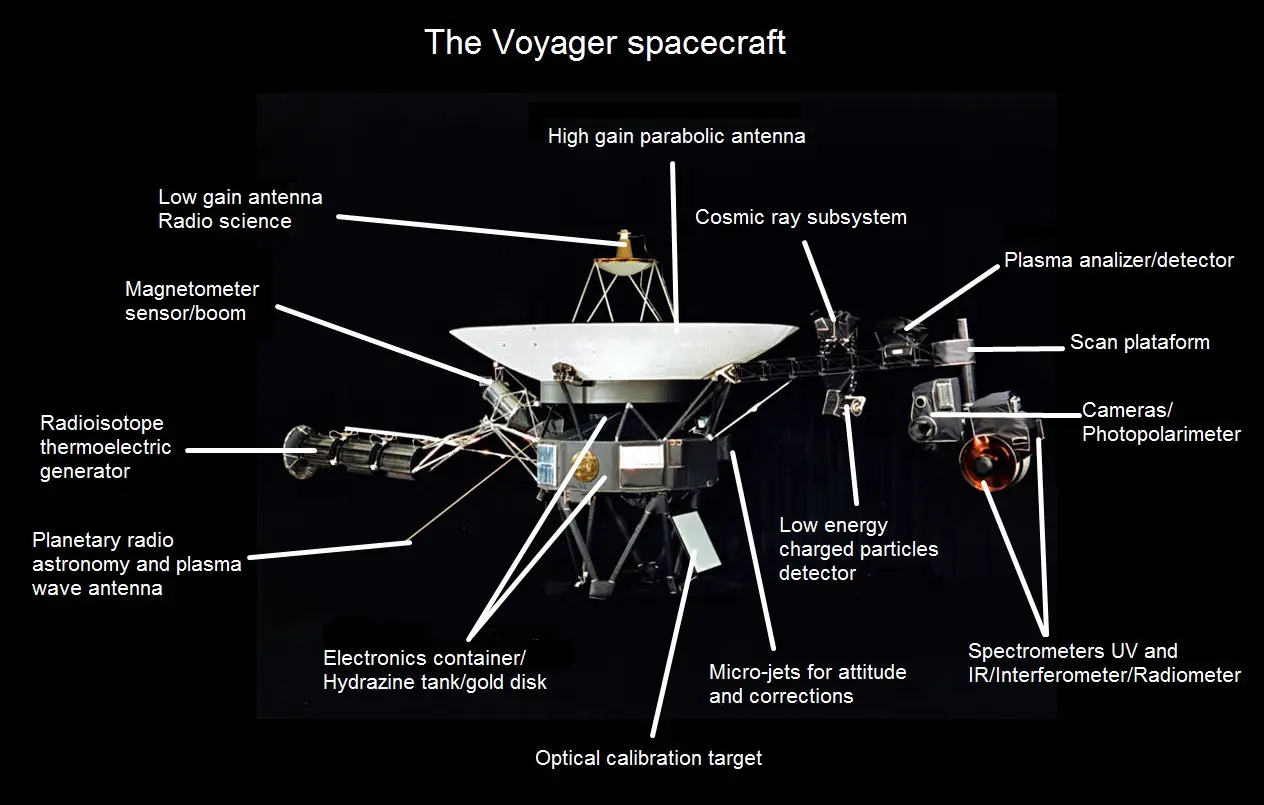
Even without power, Voyager’s structure could reflect background radio emissions, such as galactic noise or signals from Earth. Future telescopes with far greater sensitivity might detect Voyager as a reflective point of “space junk” in interstellar space.
Residual Hardware Emissions
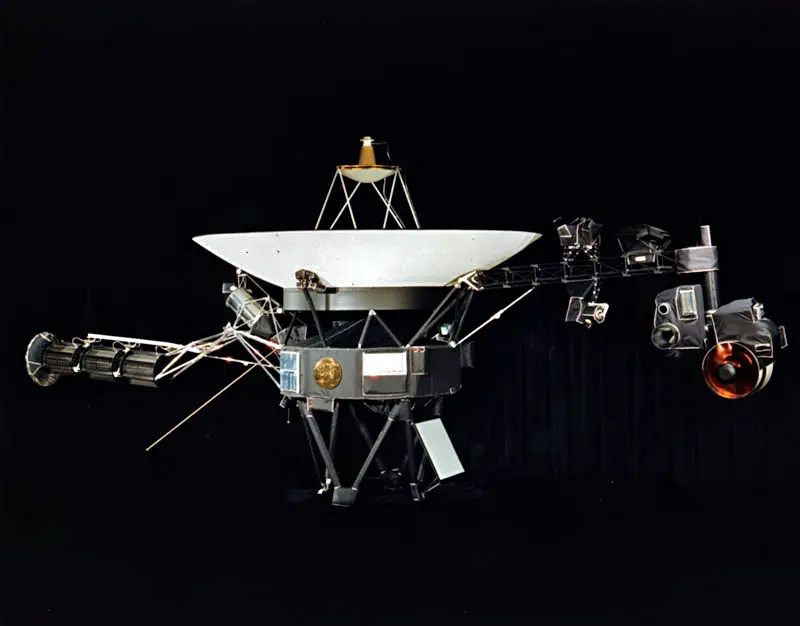
Certain spacecraft components, particularly the RTGs, emit faint radiation. Though negligible today, a highly advanced observatory might detect these emissions centuries from now.
Signal Traces in the Deep Space Network Archive
If no live signal exists in 3025, archived transmissions stored from the 20th and 21st centuries may serve as the only “echo” of Voyager, preserved for future astronomers to study.
Gravitational Tracking Possibility
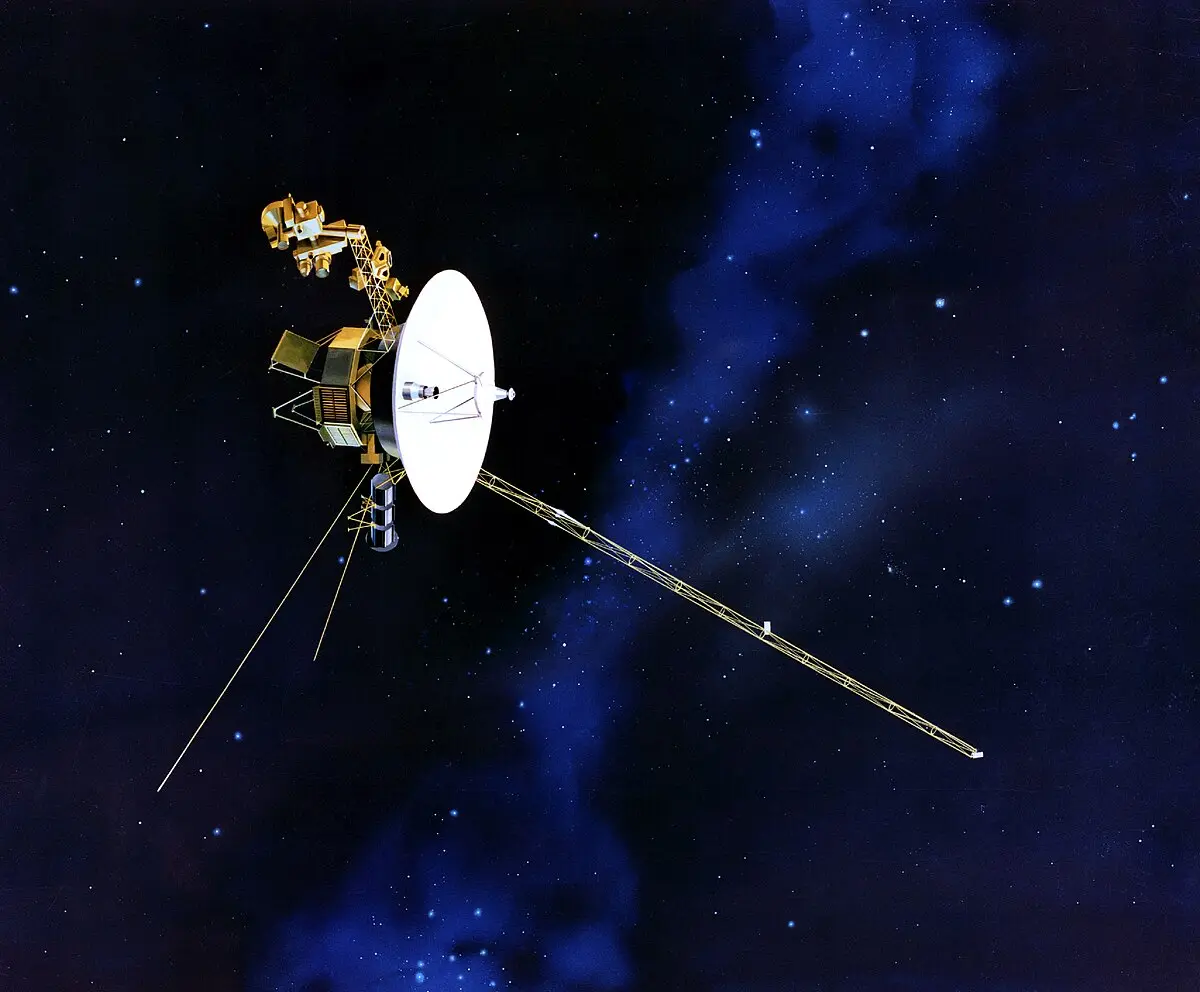
Even if the craft is silent, its precise location might be inferred through gravitational mapping of the solar system and beyond. The spacecraft itself could serve as a passive marker of human exploration.
Interstellar Medium Interactions
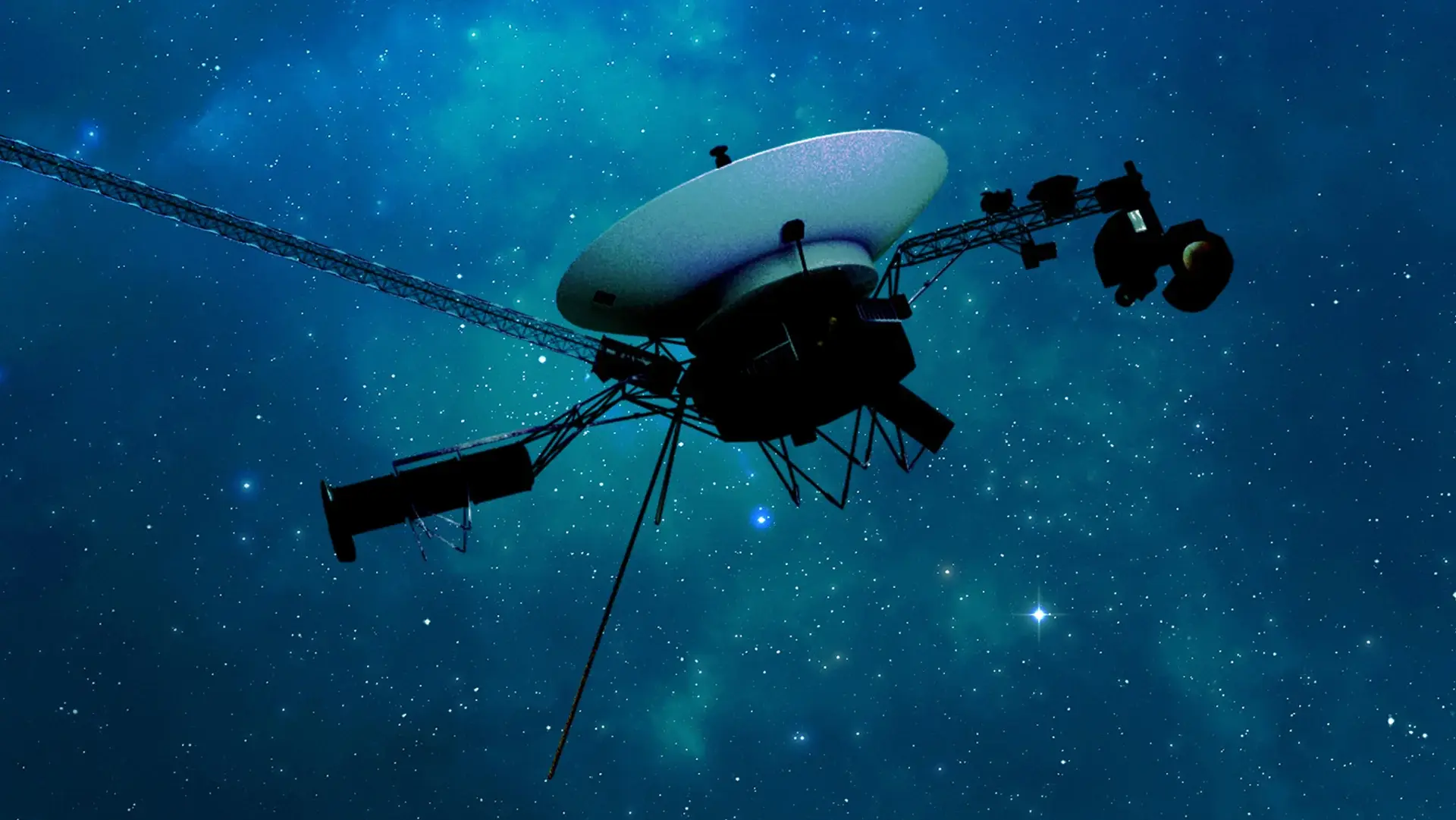
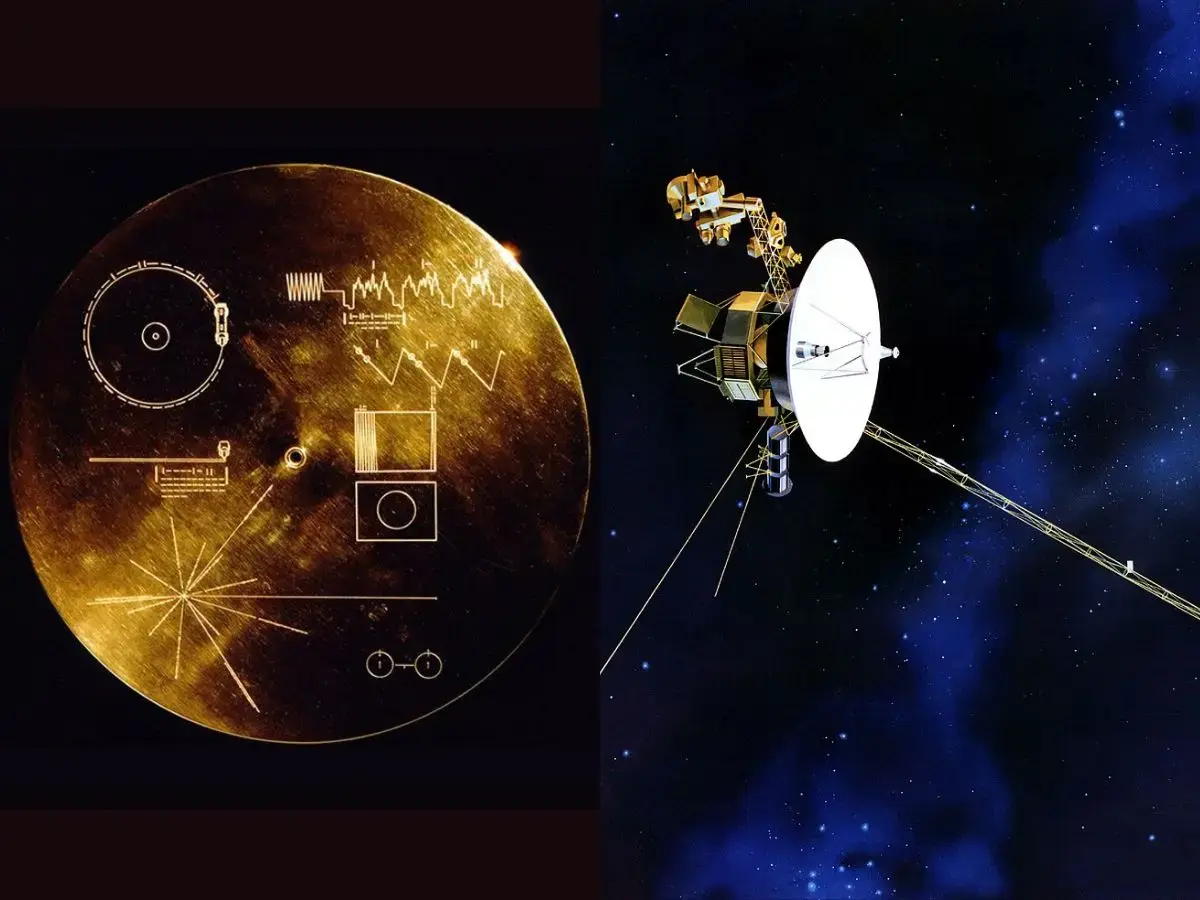
Voyager will continue moving through varying densities of interstellar plasma. Although not transmitting, its physical passage may generate detectable signatures if it disturbs charged particles, potentially observed by advanced instruments.
The Cultural Echo
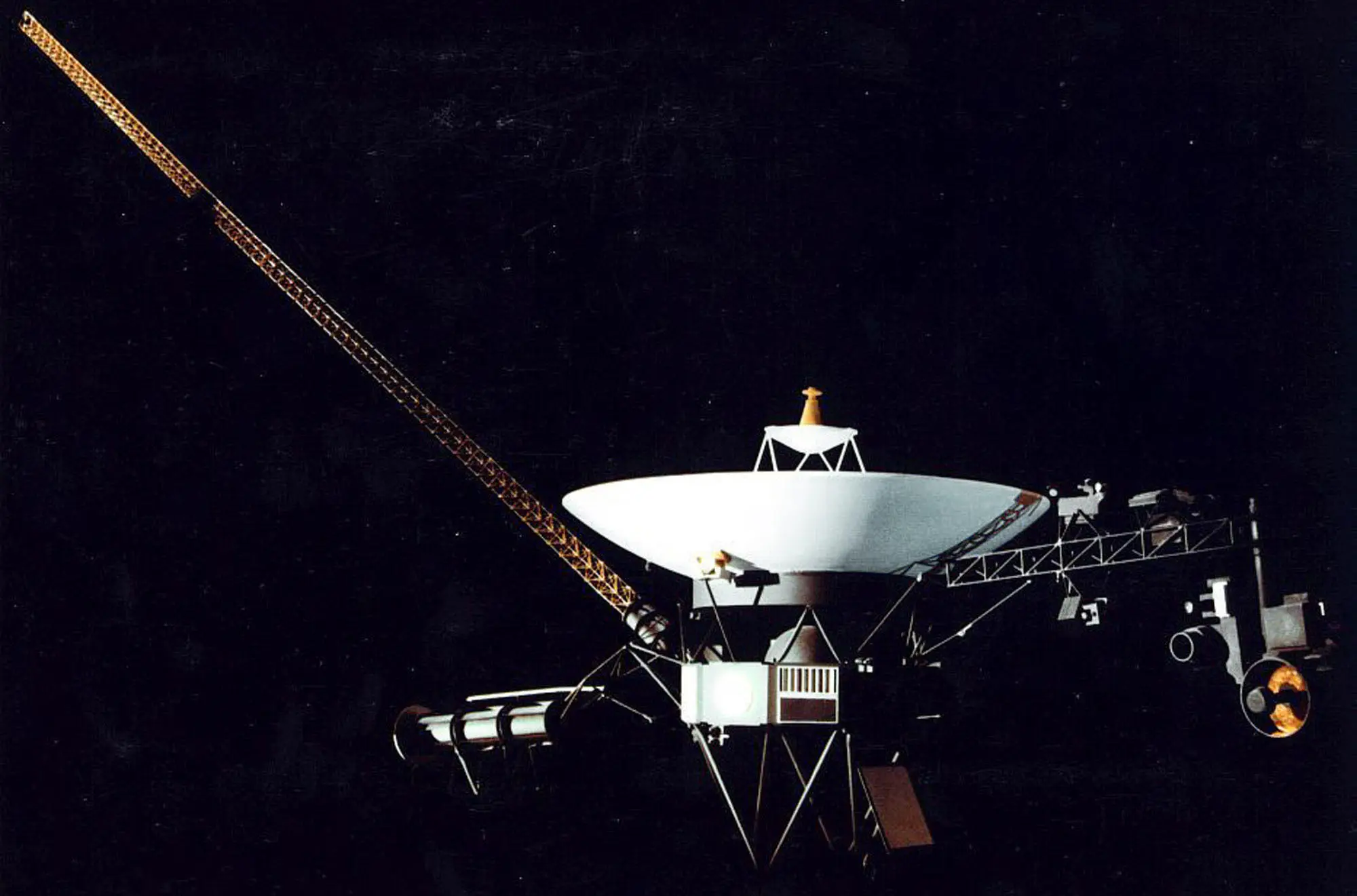
Beyond physics, an “echo” of Voyager in 3025 may survive in human culture. The data, signals, and recordings collected during its operational years could still inform future science, long after the spacecraft itself falls silent.
)
)
)
)
)