Will aliens invade Earth on October 29? Here’s what scientists are saying about 3I/ATLAS

Speculation about alien origins intensified because 3I/ATLAS, like ‘Oumuamua, follows a hyperbolic orbit, meaning it isn’t bound to our Sun.

The Viral Rumour: Alien Invasion on October 29
Social media has been buzzing with claims that an “alien object” named 3I/ATLAS will reach Earth on October 29, sparking panic and sensational headlines. Some posts falsely suggest that the object is a spacecraft or “alien mothership” heading toward Earth. These rumours stem from misunderstandings of astronomical data and have been amplified by viral TikTok videos and conspiracy websites.

2. What Exactly Is 3I/ATLAS?
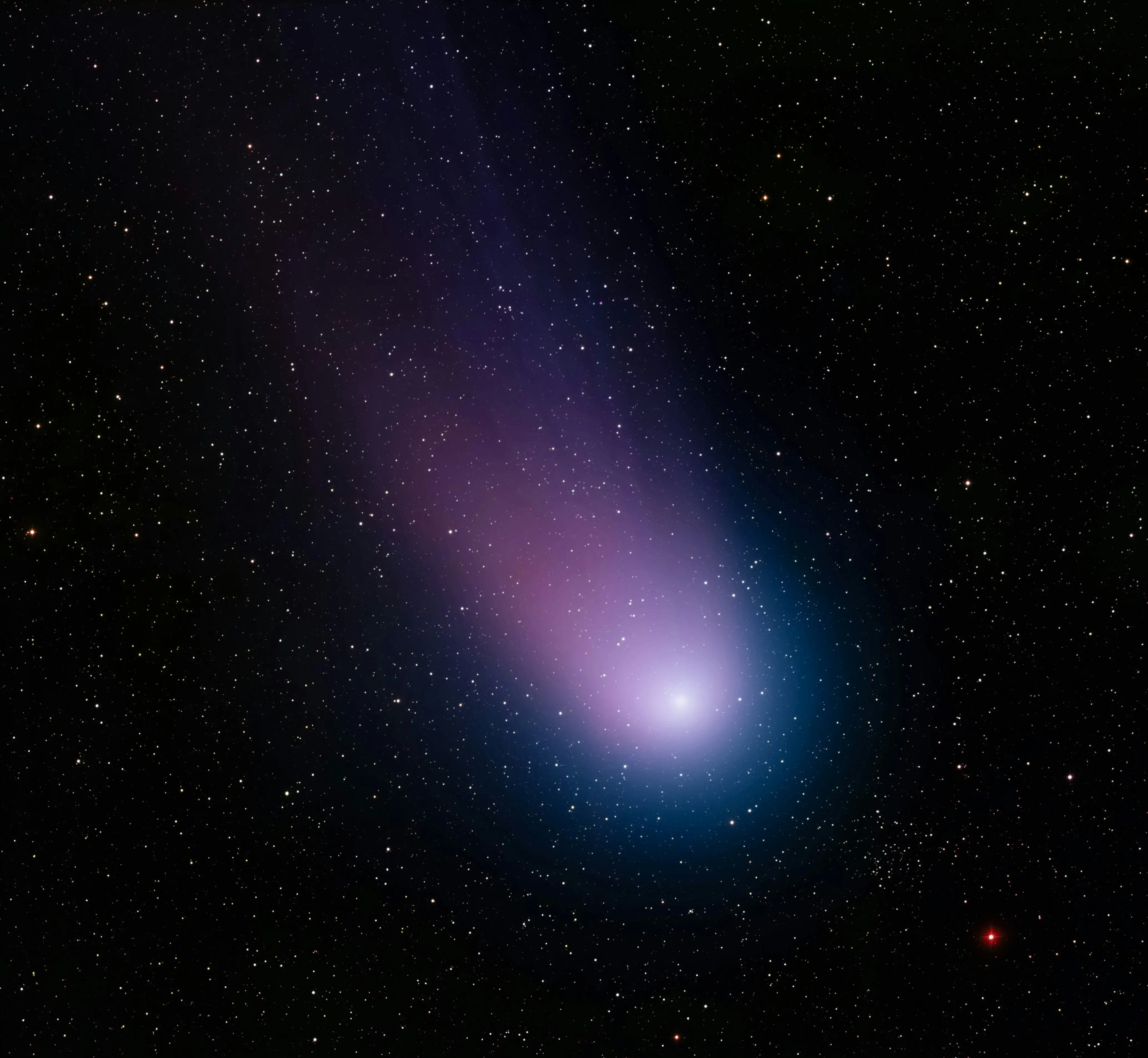
3I/ATLAS is not a UFO, but a hyperbolic interstellar object, meaning it originated outside our solar system and is merely passing through. It was first detected by the ATLAS survey (Asteroid Terrestrial-impact Last Alert System), which scans the skies for near-Earth objects. The “3I” designation makes it the third confirmed interstellar object after ‘Oumuamua (2017) and Borisov (2019). Astronomers classify it as a small icy or rocky body, likely resembling a comet, with no signs of artificial structure or propulsion.
3. Its Trajectory: Close, But Not Dangerous
NASA’s Center for Near-Earth Object Studies (CNEOS) has tracked 3I/ATLAS’s trajectory precisely. According to their data, it will pass Earth’s orbit safely, at a distance far greater than the Moon. There is zero probability of collision with Earth or any major planetary body. The October 29 date corresponds to its perihelion (closest approach to the Sun), not an Earth impact. Scientists say it will not even be visible to the naked eye without strong telescopes.
4. Why People Think It’s an Alien Ship
Speculation about alien origins intensified because 3I/ATLAS, like ‘Oumuamua, follows a hyperbolic orbit, meaning it isn’t bound to our Sun. When ‘Oumuamua was discovered in 2017, its unusual shape and acceleration patterns led to theories (popularised by Harvard astronomer Avi Loeb) that it might be an artificial object. Some internet users have recycled those claims for 3I/ATLAS, despite no evidence of non-natural behaviour. NASA and SETI researchers have found no radio signals, lights, or anomalies associated with it.
5. What Scientists Are Actually Excited About
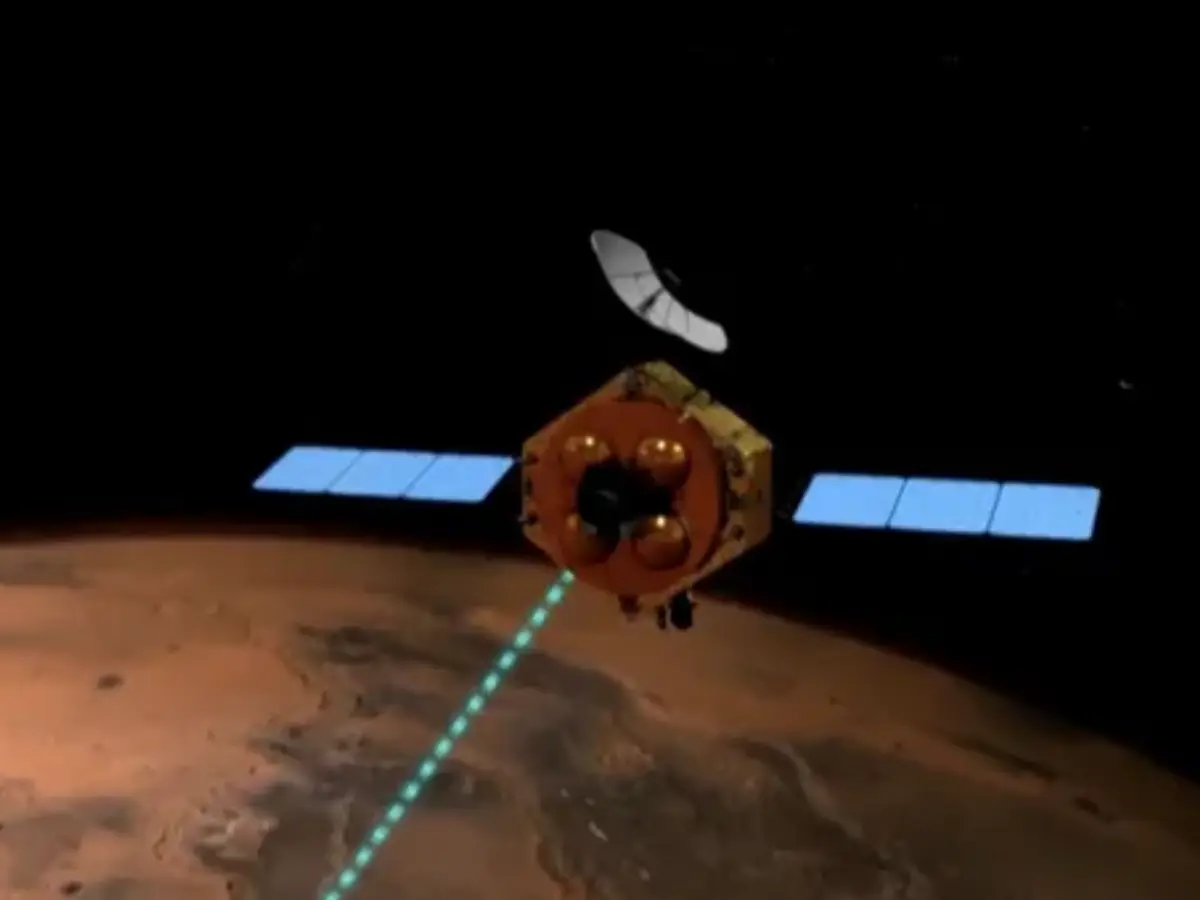
While there’s no invasion coming, astronomers are genuinely excited to study 3I/ATLAS because interstellar objects are extremely rare. They carry chemical and structural signatures from other star systems, acting as cosmic messengers. By observing its light spectrum and orbit, scientists can learn about planet formation beyond our solar system, and how debris travels between stars. The object’s speed and angle give valuable data for future interstellar detection missions.
6. Space Agencies’ Official Response
NASA, ESA, and other astronomical institutions have debunked the alien invasion claims. Their public statements emphasize that there’s no threat and no evidence of extraterrestrial intent. SETI (Search for Extraterrestrial Intelligence) has also confirmed that no unusual signals have been detected from 3I/ATLAS. The situation is being closely monitored, as is standard practice for any interstellar visitor.

7. The Bigger Picture: Why Rumours Like This Spread
Astronomers note that every time a large or unusual space object is discovered, misinformation spreads faster than data. Social media tends to amplify “alien” narratives because they’re more exciting than orbital mechanics. Similar panic surrounded ‘Oumuamua, Comet Elenin, and asteroid 2002 NT7 in past years. Scientists urge people to rely on verified space agency updates rather than viral posts.

Bottom Line:
No, aliens are not invading Earth on October 29. 3I/ATLAS is a fascinating interstellar object, but it poses no threat to our planet. Instead of panic, astronomers see this as a rare scientific opportunity to study something that originated light-years away.
)
)
)
)
)