Why your brain feels foggy even after a good night’s sleep

Morning brain fog (mental haziness) comes from sleep inertia, poor sleep quality, dehydration, stress and misaligned routines. These hidden factors quietly affect focus and energy, and understanding them can help you wake up clearer and sharper.

Sleep Inertia - The Morning Brain Lag
Your brain takes 10-20 minutes to fully activate after waking. Research shows performance on tasks is worse right after deep sleep compared to REM sleep (Rapid Eye Movement).

Quality Trumps Quantity
A 2025 Frontiers study found sleep quality matters more than hours. Eight hours of poor-quality sleep leaves you foggier than six hours of quality sleep.

Overnight Dehydration Kills Clarity
Your brain loses 250 ml of water overnight. Just 2 per cent dehydration impairs cognitive function and attention, so drinking water after waking is very crucial.

Blood Sugar Crashes During Night
Heavy dinners trigger overnight hypoglycaemia, releasing stress hormones that disrupt sleep quality and leave you groggy despite sleeping.

Routine Rhythm Misalignment
Waking at the wrong routine causes exaggerated sleep inertia. Screen exposure and irregular schedules misalign your natural cycle.

Neuroinflammation From Poor Sleep
Even one night of poor sleep triggers neuroinflammation. Studies link poor sleep quality directly to reduced brain cognitive performance.

Cortisol Rhythm Broken
A healthy cortisol surge 30 minutes after waking gives energy. Flattened cortisol rhythm from stress keeps you in sleep mode despite waking.
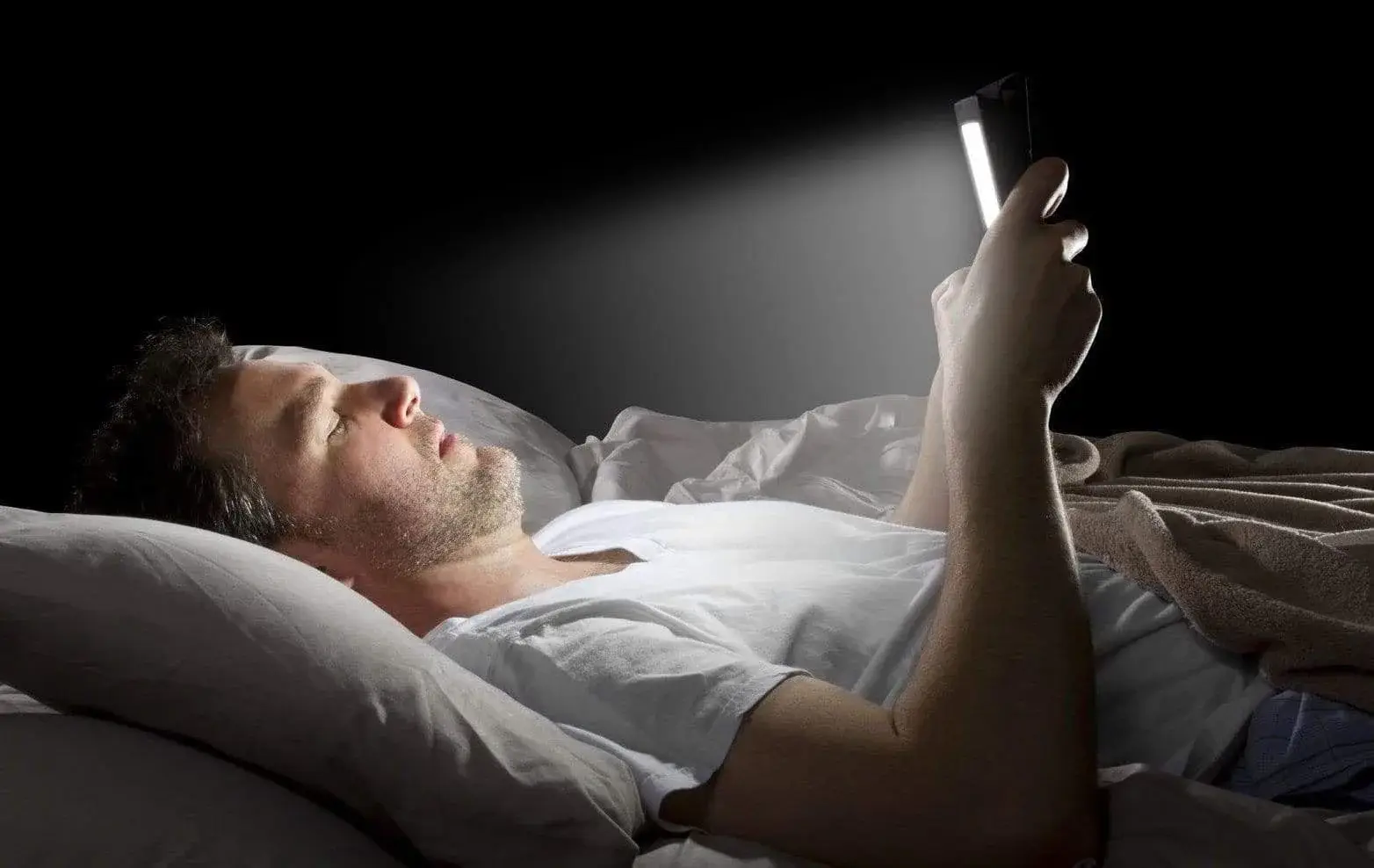
Blue Light Destroys Sleep Depth
Phone use before bed reduces deep sleep percentage. Electromagnetic radiation from devices disrupts memory consolidation and toxin clearance.

Chronic Stress Blocks Sleep Restoration
High cortisol during sleep prevents restoration and reduces blood flow to your decision-making brain areas. Stress management before bed matters.

What You Believe About Sleep Affects Your Performance
A Nature study showed people told they slept well performed better cognitively, even with identical sleep. Psychology influences how foggy you feel.
)
)
)
)
)