Why you should never touch the red ribbons on a parked fighter jet

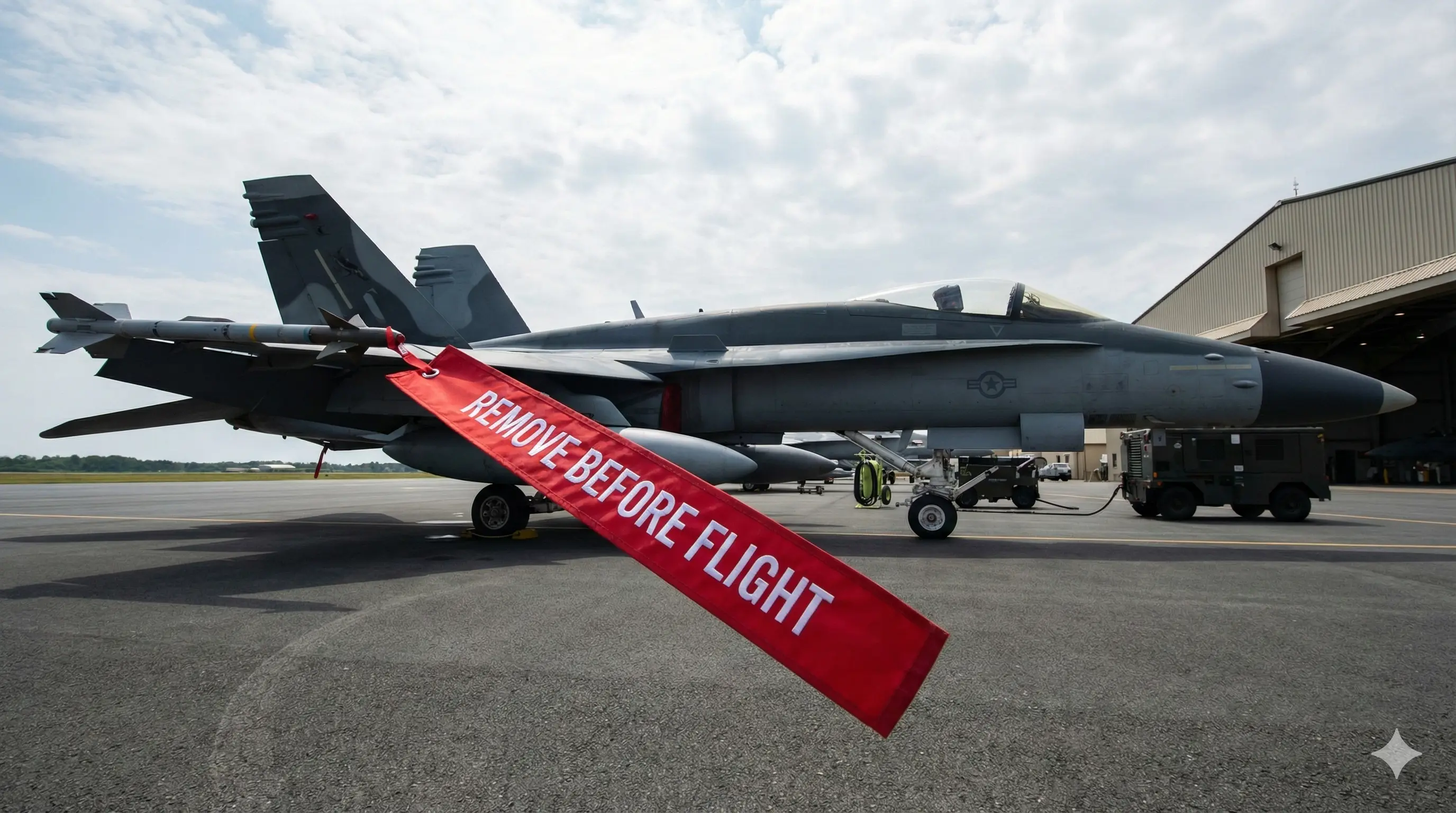
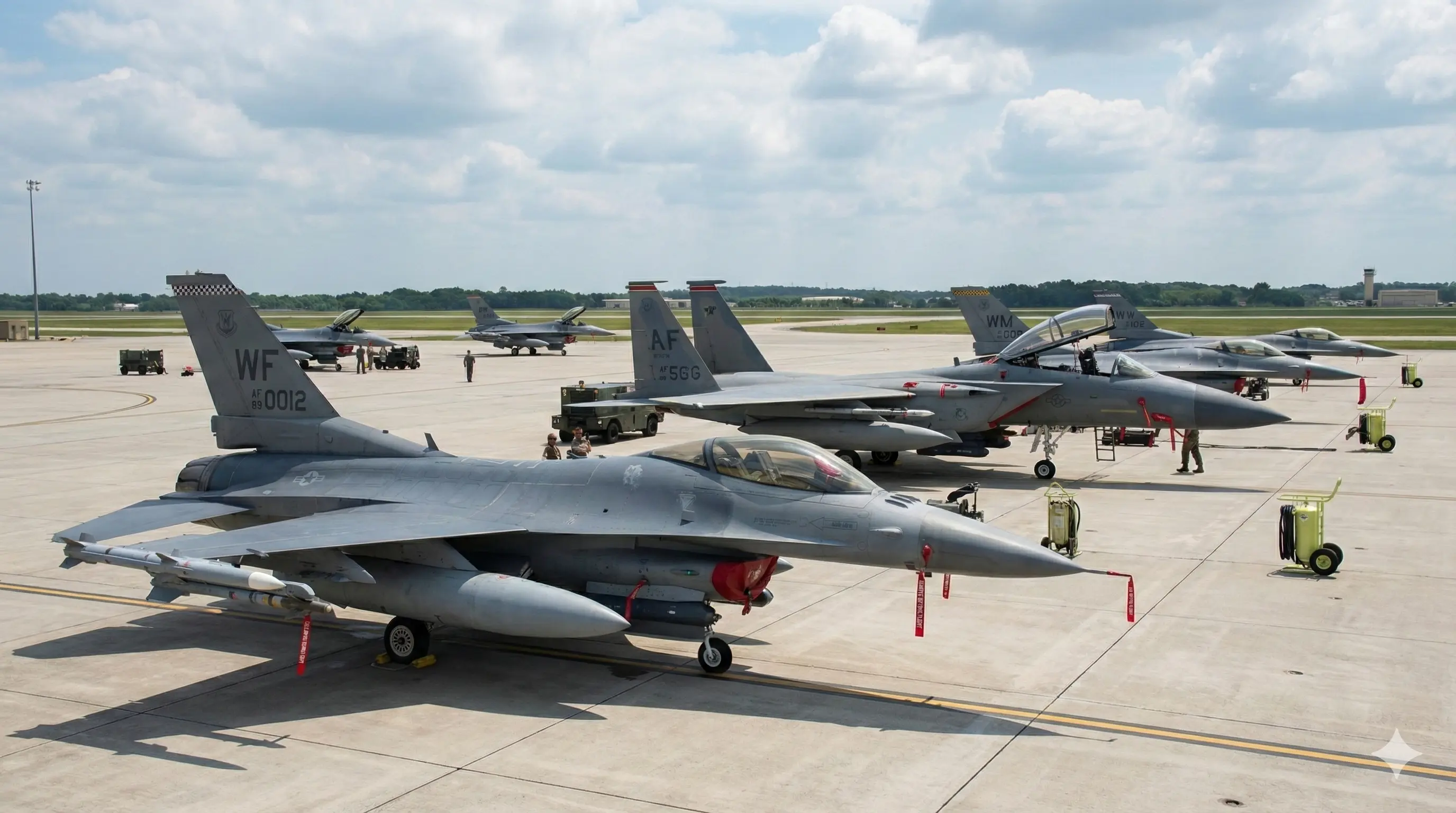
Red ribbons on parked fighter jets mark critical safety pins preventing accidental ejection seat deployment and mechanical failures. Only trained military personnel should remove these devices before flight operations.
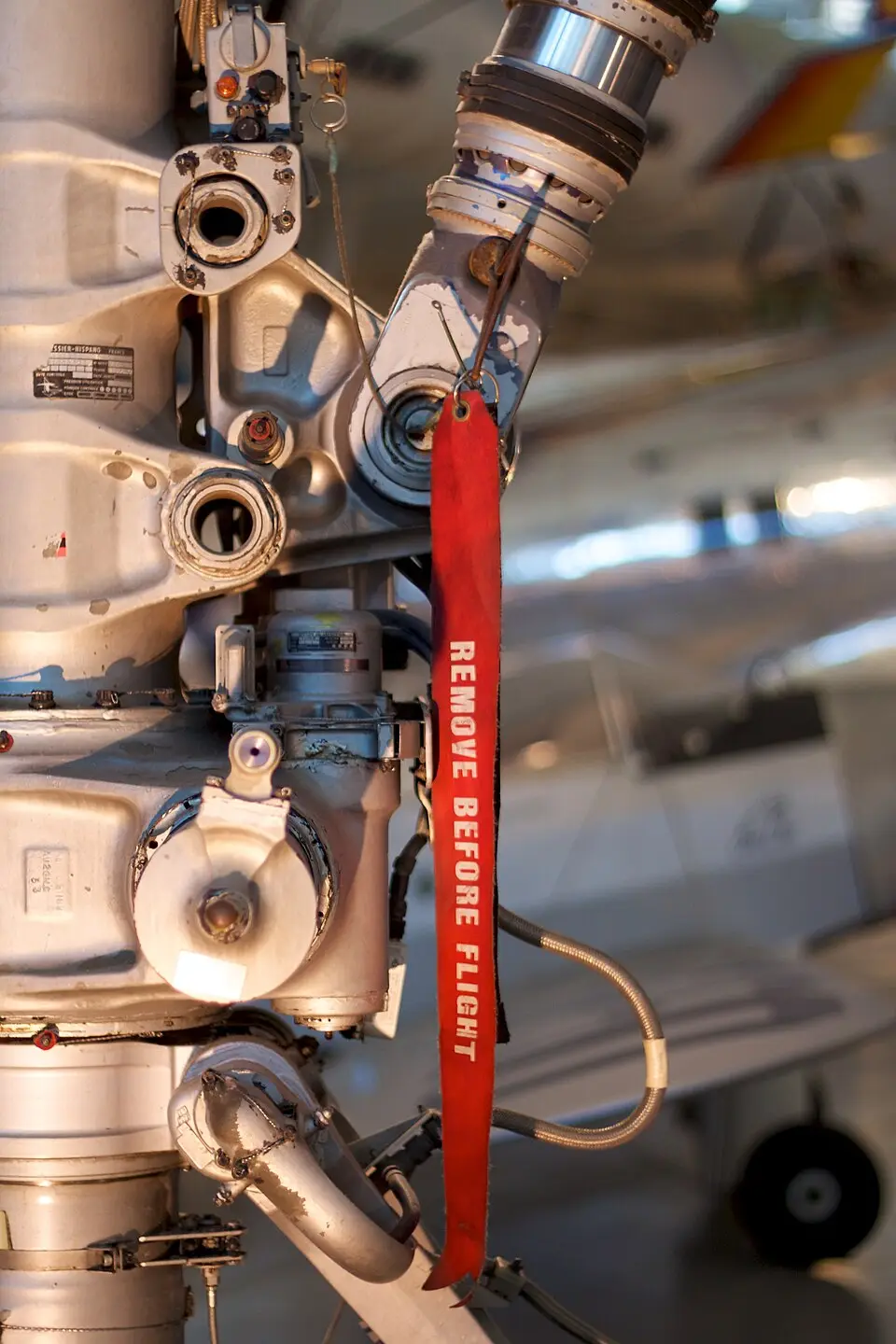
What are Red Ribbons on Fighter Jets?
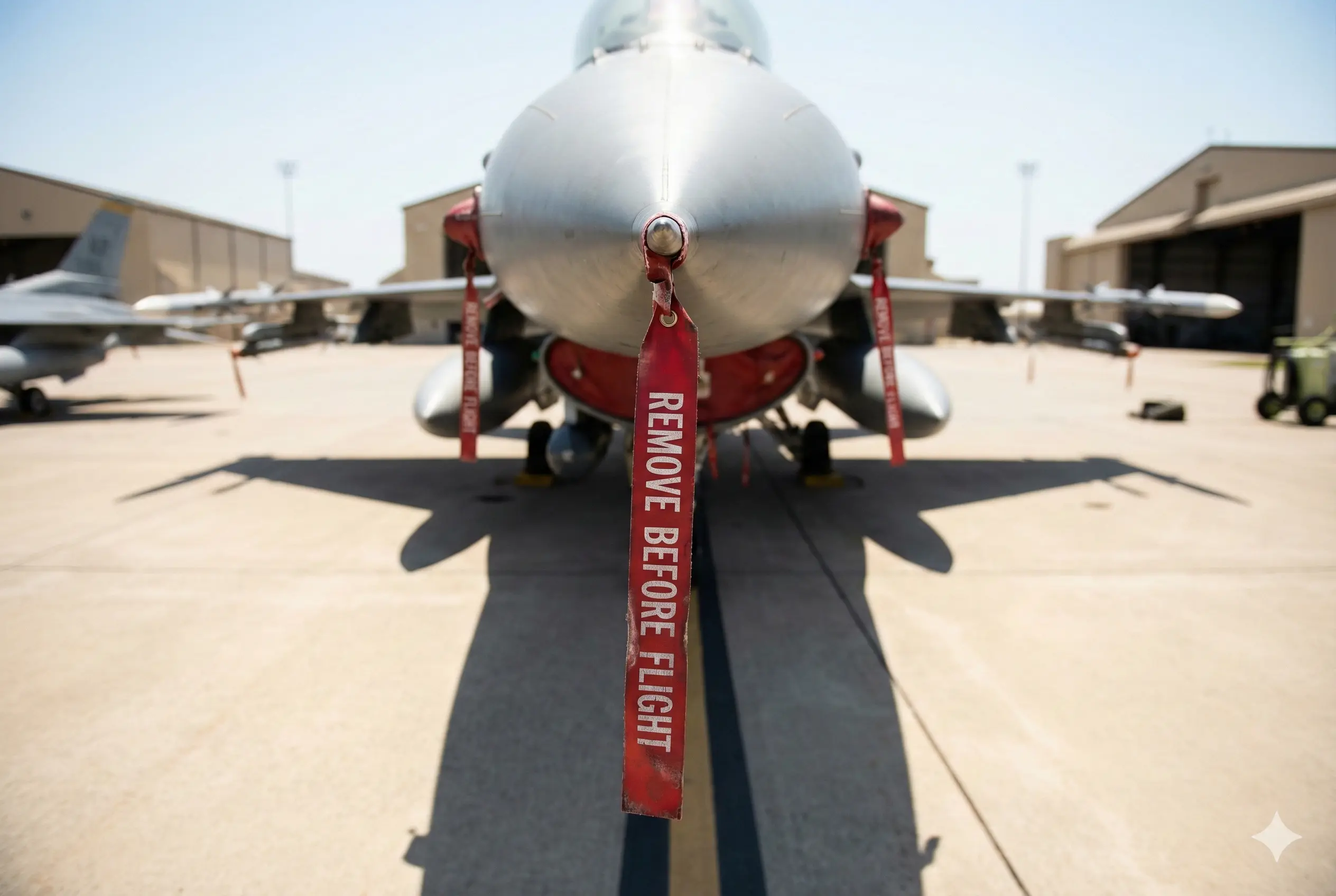
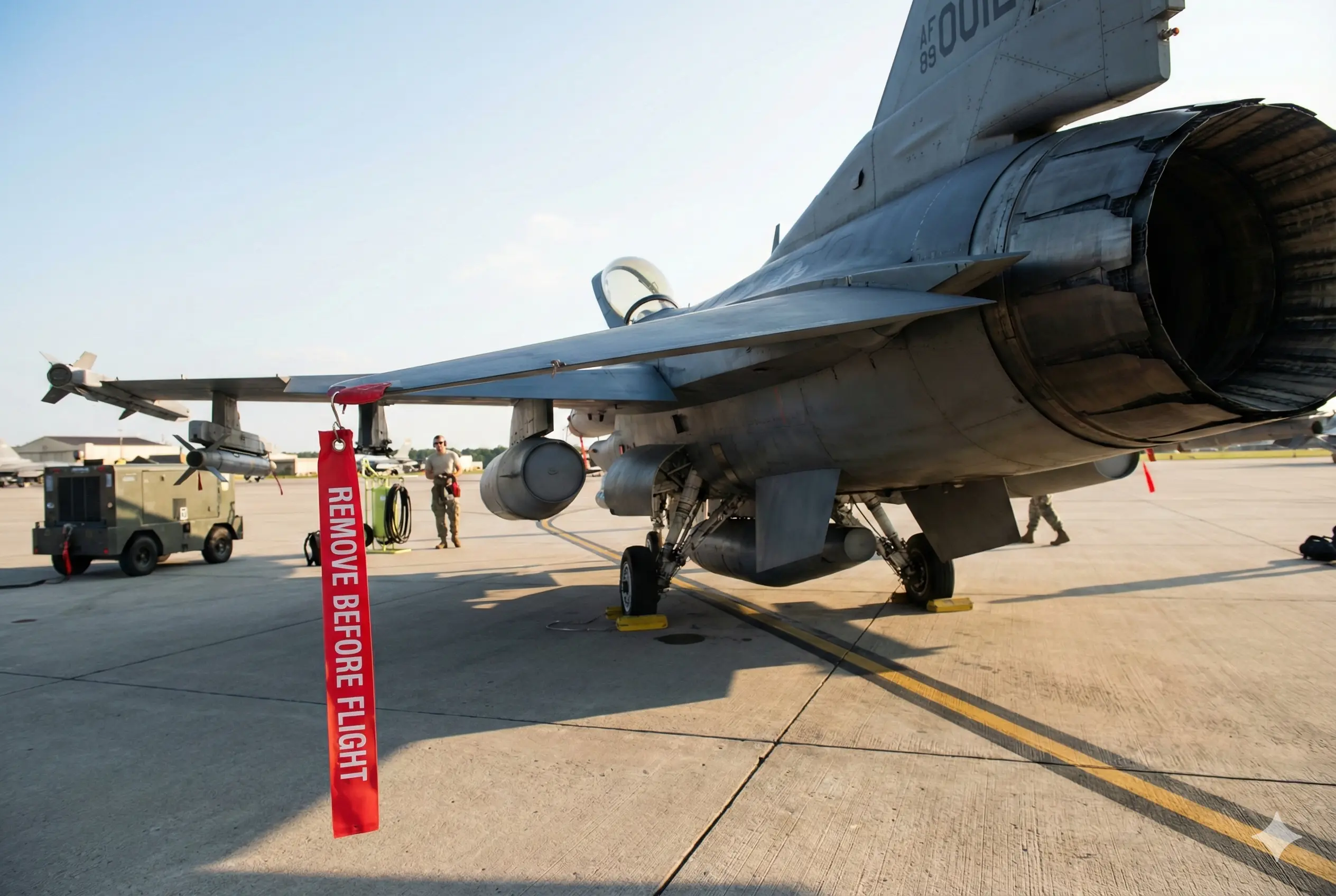
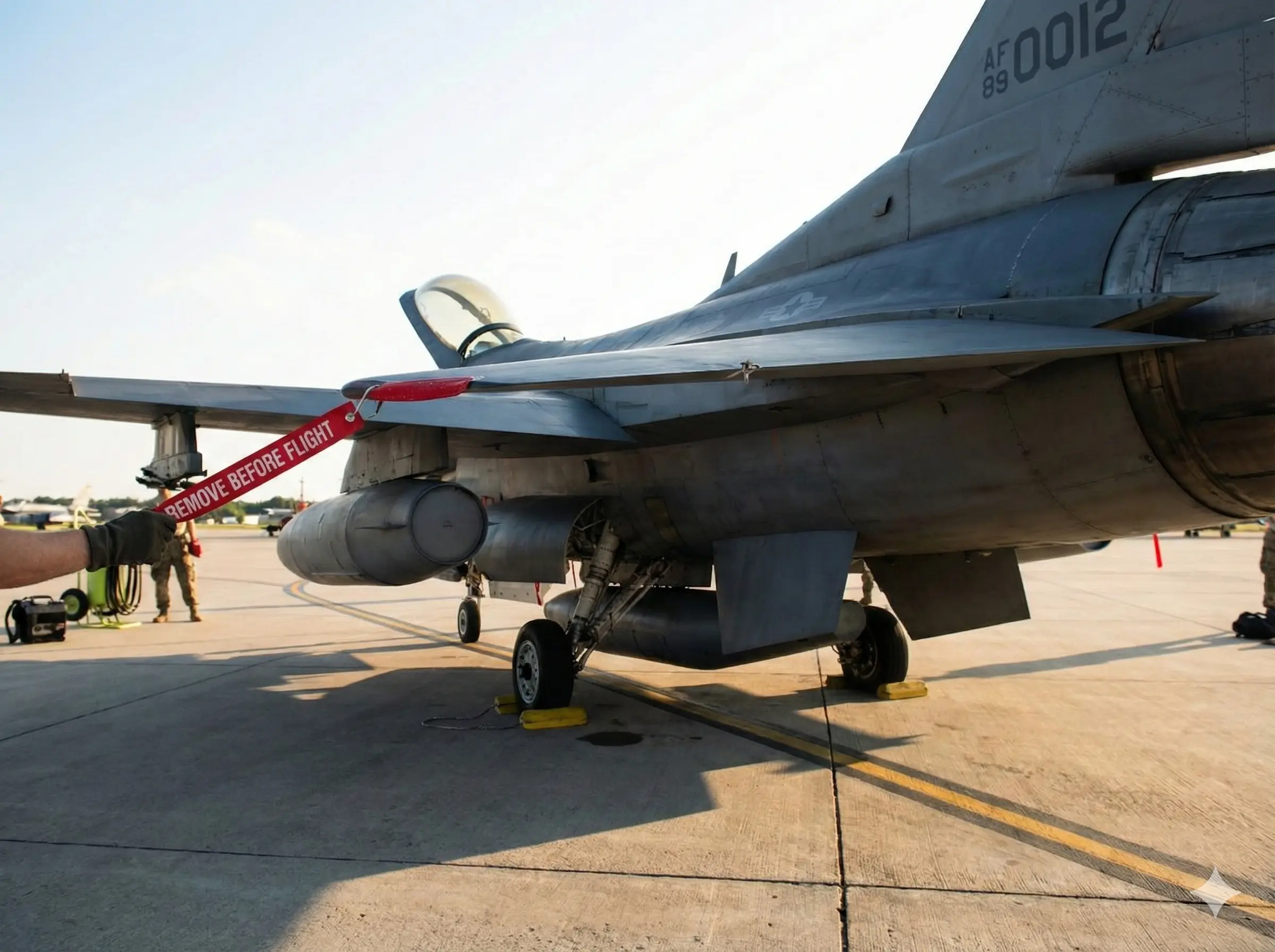
Red ribbons marked "Remove Before Flight" are safety warnings attached to removable aircraft components and safety pins. They indicate protective devices used only when the aircraft is on the ground. These bright streamers remind all personnel that certain mechanical systems must be secured before flight.
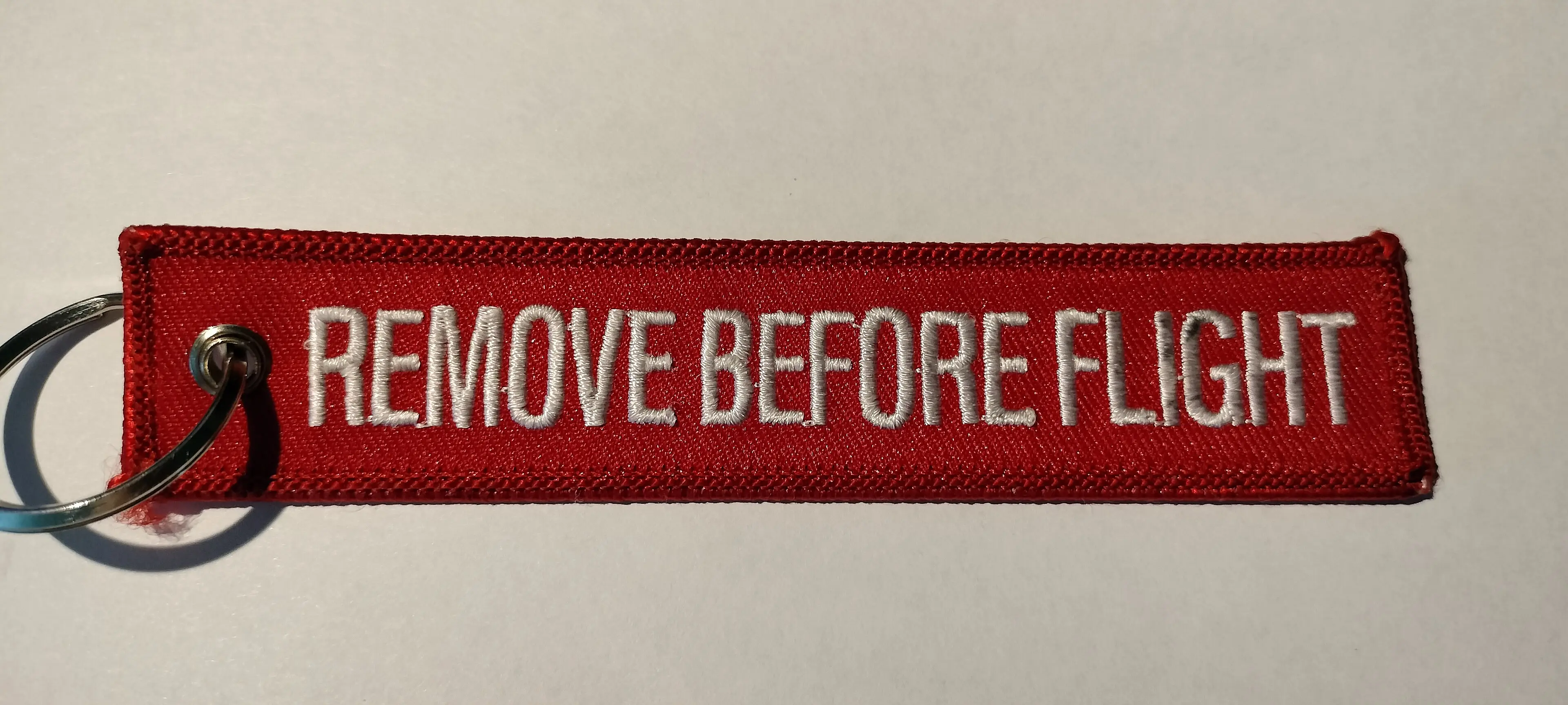
Ejection Seat Safety Pins
Fighter jets have multiple safety pins securing the ejection seat firing mechanism on the ground. These pins prevent accidental ejection during maintenance, refueling or parking. Red ribbons attached to these pins clearly mark their location and remind crews they must be removed before the pilot enters the cockpit.
Pitot Tube Protection
Many fighter jets have red-tagged covers protecting the pitot tubes that measure aircraft airspeed. If these covers remain attached during flight, they block critical airflow and cause instrument errors. The red ribbon serves as a visual reminder for pilots and ground crews to remove the cover before takeoff.
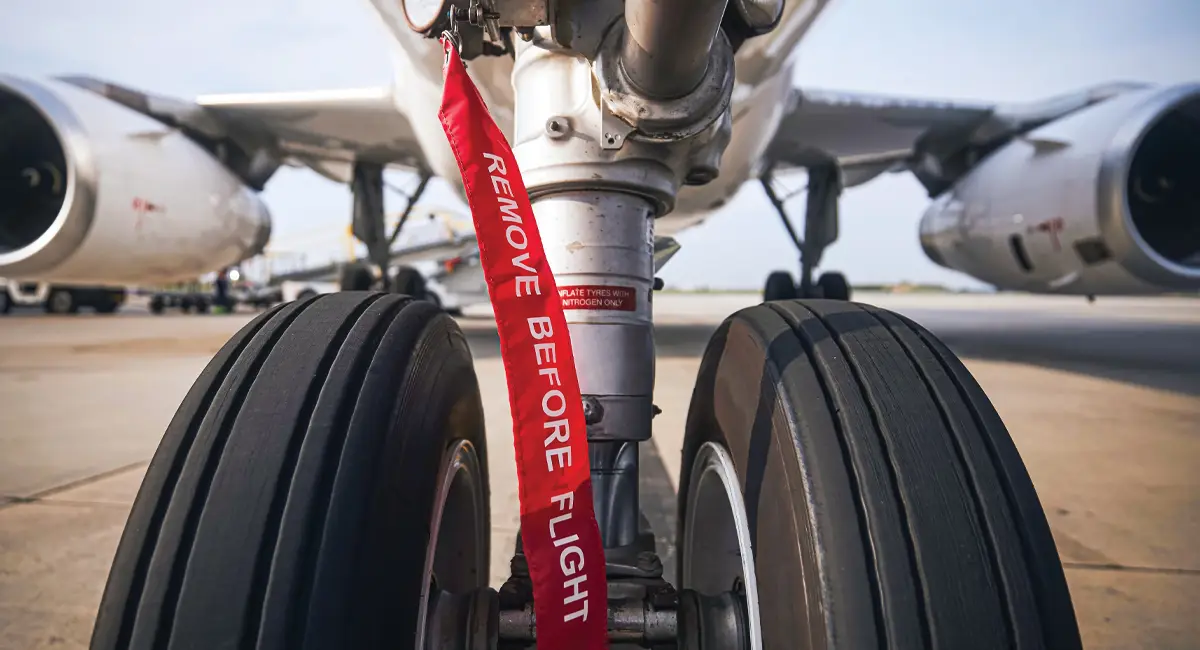
Landing Gear Locking Systems
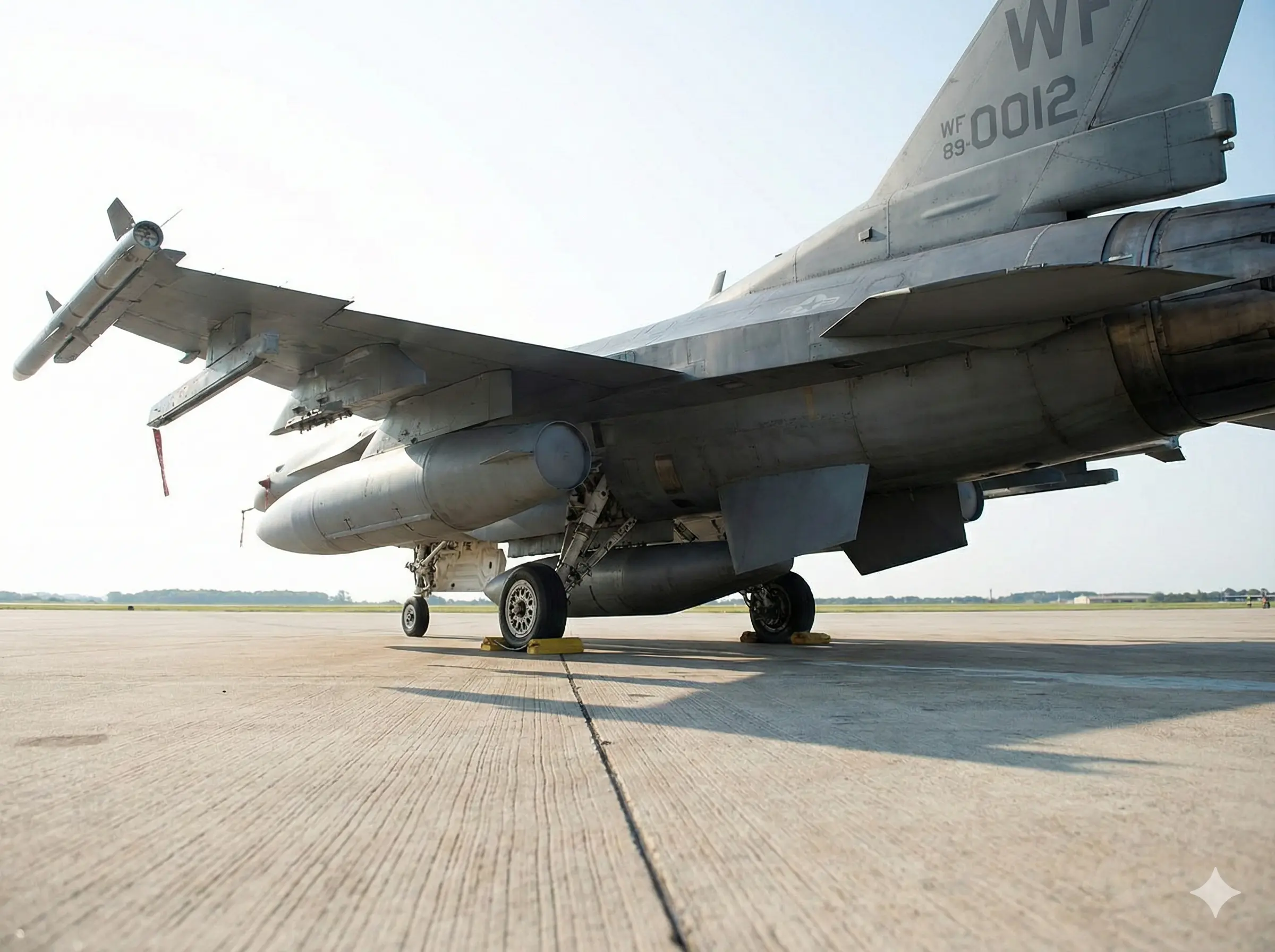
Red ribbons attach to safety pins that lock landing gear in the up or down position during ground maintenance. These pins prevent accidental gear movement when technicians service hydraulic systems. Removing these pins before flight is essential for proper landing gear operation.
Throttle and Control Locks
Engine intake and exhaust plugs carry red-tagged safety pins preventing foreign object damage during maintenance. Throttle grip covers and control locks also feature red ribbons indicating they must be removed before flight operations. These simple devices protect expensive engines from debris and dust.
Engine Blade Containment Zones
Some fighter jets display red stripes around engine areas to warn of turbine blade ejection hazards. If a blade breaks during operation, it can shoot out with extreme force along a predictable path. The red markings help ground personnel understand where not to stand during engine runs.
Why Touching Them is Dangerous
Removing or tampering with red-tagged safety pins without authorisation can activate critical systems unexpectedly. Ejection seats could fire, landing gear could collapse or control surfaces might move suddenly. Only trained military personnel should ever handle these devices.
Military Protocol and Procedures
Strict military protocols govern when and how safety pins are removed from fighter jets. Checklist procedures require pilots and ground crews to verify all red-tagged devices are gone before flight. Failure to follow these procedures has caused serious accidents and fatalities.
International Aviation Standards
Civil and military aircraft use the same "Remove Before Flight" warning system worldwide. Aviation authorities require these safety devices on all military and some civilian aircraft. The red ribbon has become the universal symbol for critical ground-only equipment.
Lessons from Aviation History
Accidents have occurred when safety pins were forgotten or removed prematurely during flight operations. These incidents shaped modern aviation safety standards and military procedures. Today's rigorous checklists and visible red ribbons represent lessons learned from past tragedies.
)
)
)
)
)