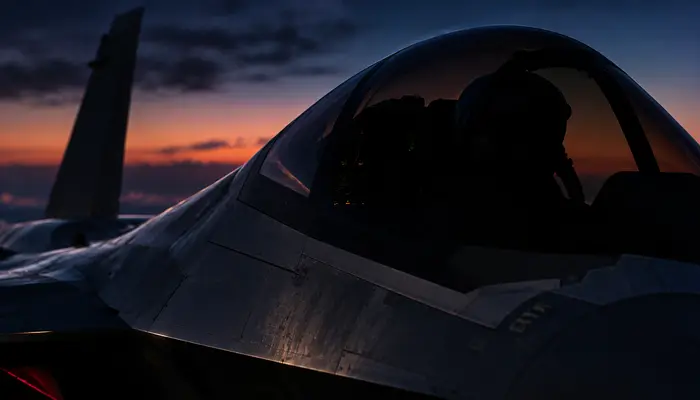
Why do fighter jets sometimes fly with their cockpit lights almost completely off?

Fighter pilots fly with darkened cockpits to preserve natural dark adaptation and ensure compatibility with Night Vision Goggles. Dimming lights prevents screen bloom, eliminates canopy reflections, and hides the aircraft's visual signature from enemy forces during combat.
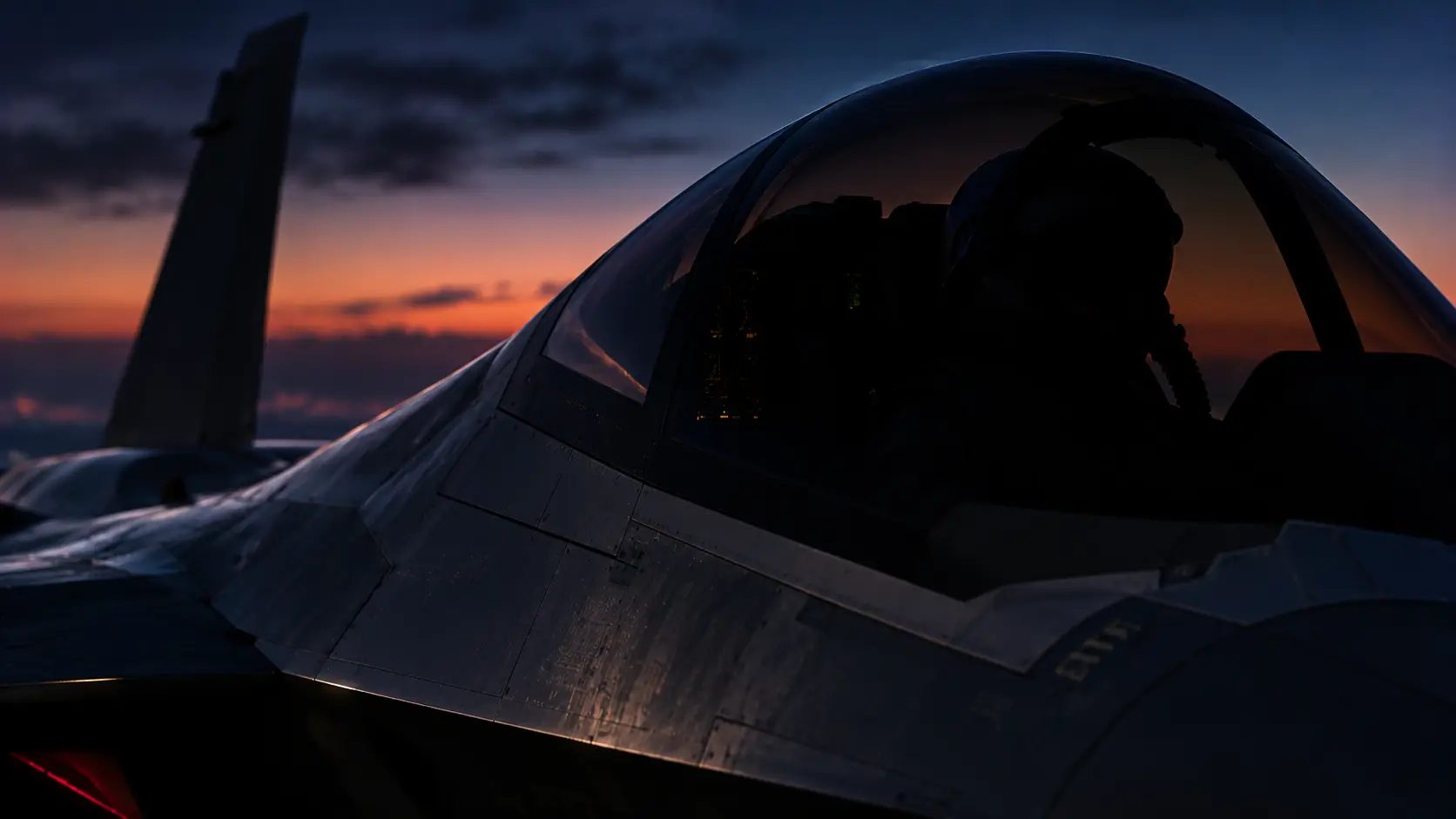
Preserving Human Vision
It takes the human eye up to 30 minutes to fully adapt to total darkness. Turning on a standard white light instantly destroys this biological adjustment, blinding the pilot to the outside world.
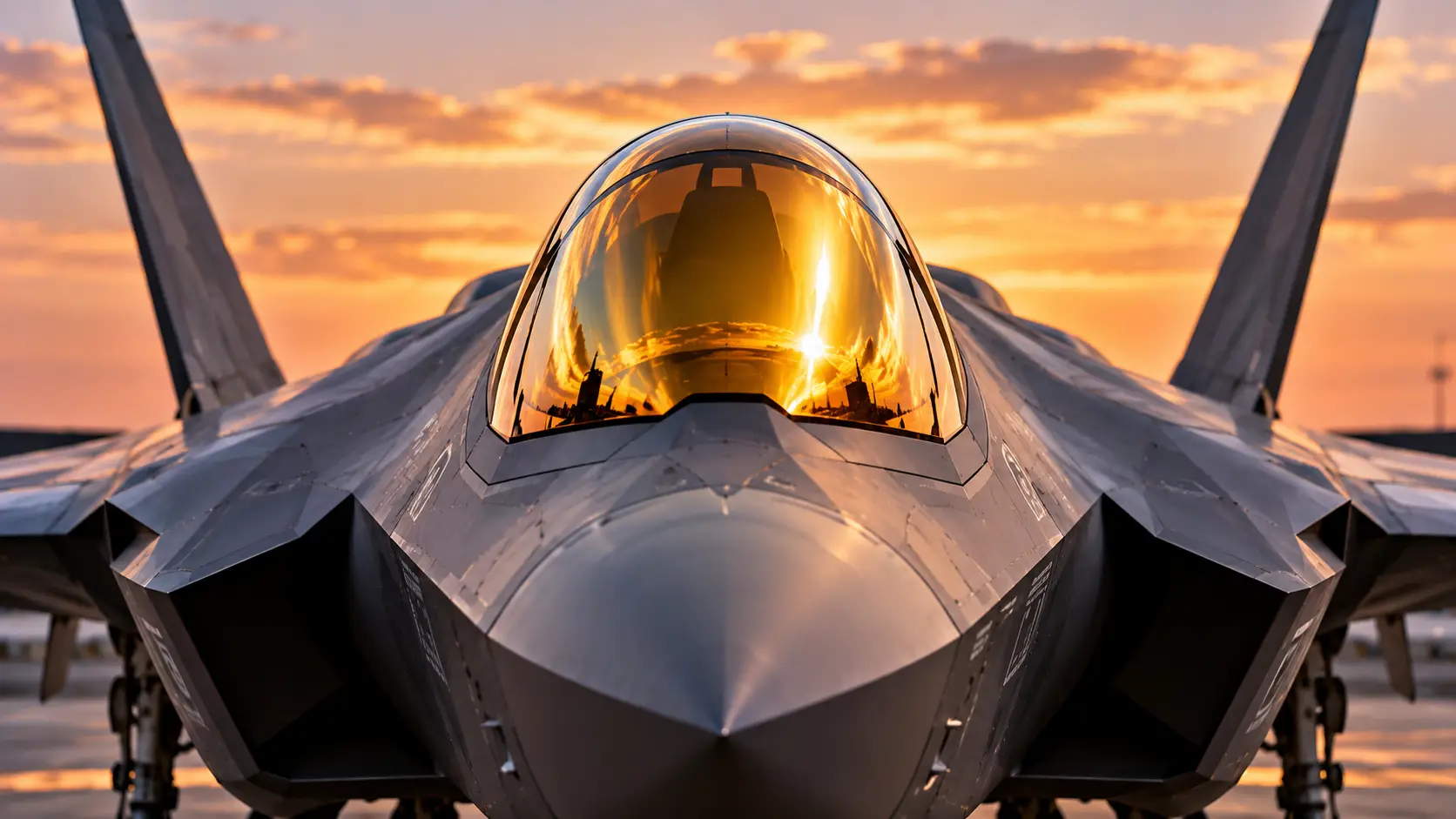
The Goggle Problem
Modern combat pilots rely heavily on advanced Night Vision Goggles to navigate dark environments. These sensitive optics amplify ambient energy so intensely that even a tiny incandescent warning light can wash out the entire image.
Eliminating Glare
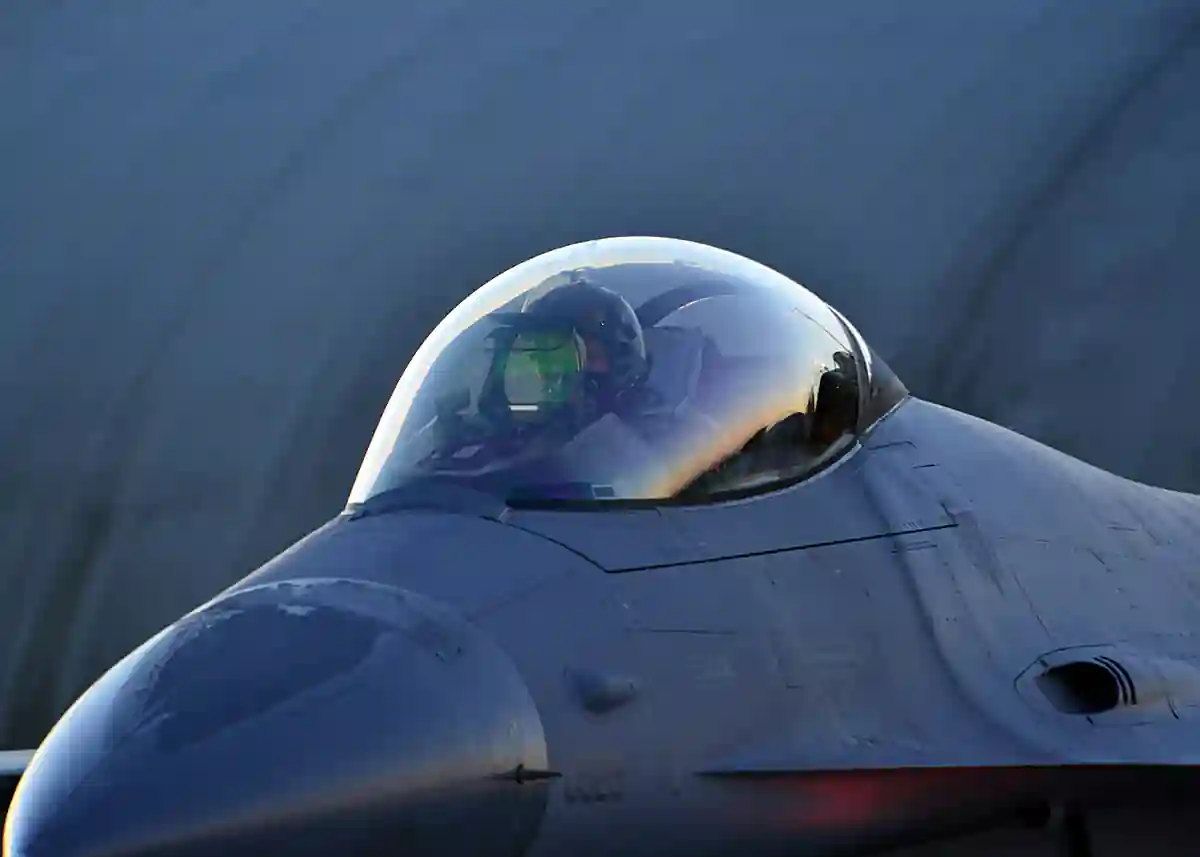
Fighter jets feature curved bubble canopies that easily reflect interior illumination directly back into the pilot's eyes. Keeping the cockpit exceptionally dark eliminates these internal reflections and allows the crew to seamlessly spot external threats.
The Red Light Solution
When interior illumination is absolutely necessary, military aviators have historically relied on dim red lighting. Red wavelengths do not bleach the eye's highly sensitive rod cells, allowing pilots to read instruments without destroying their dark adaptation.
Preventing Screen Bloom
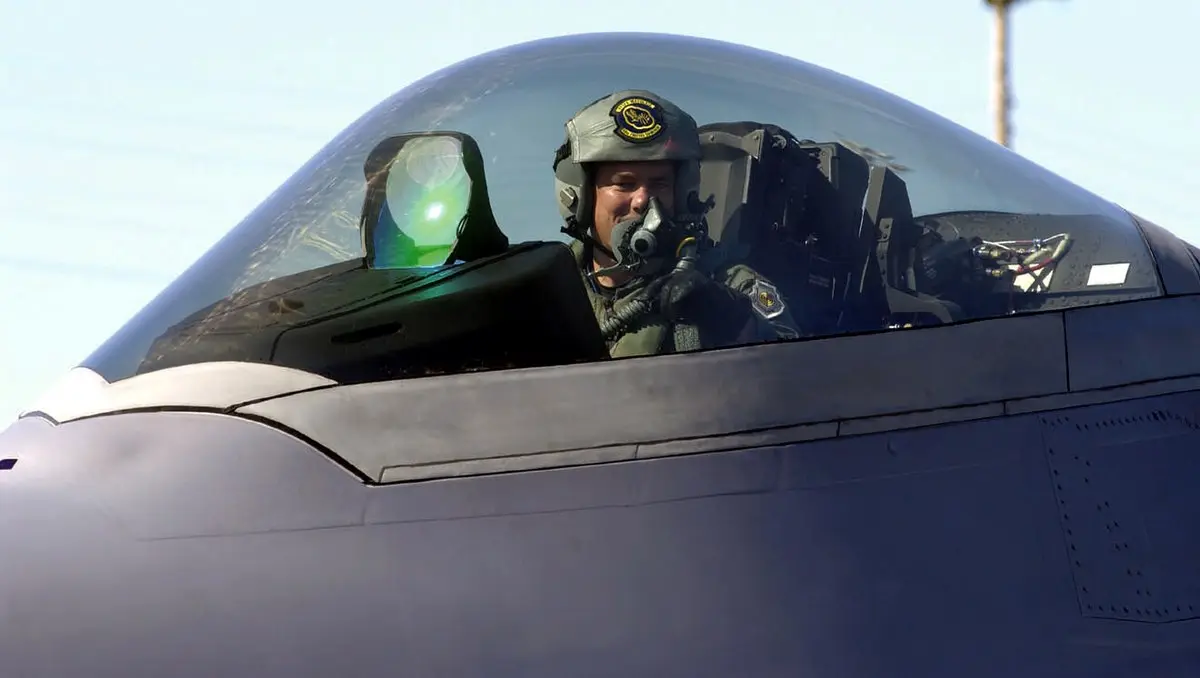
Modern aircraft are filled with massive digital displays that can easily overpower specialised night vision equipment. Crews must drastically lower monitor brightness and use specific optical filters to prevent the screens from blooming inside their goggles.

Hiding From the Enemy
Flying with a brightly lit interior creates a glowing beacon in the dark sky. Militaries mandate darkened cockpits to significantly reduce the aircraft's visual signature, making it much harder for adversaries to spot them during combat missions.

A Dangerous Balance
Aviation engineers must carefully calibrate every single switch and cabin lamp to emit very specific optical wavelengths. This precise engineering ensures critical flight instruments remain completely readable without overpowering the pilot's night vision capabilities.