Why US cannot carry out a swift strike on Iran like it did in Venezuela

Iran's military capabilities, regional networks and internal dynamics mean that any attempt at a swift, low-cost strike would be far more complex and risky than operations conducted in Venezuela.
Rising tensions and contrasting precedents
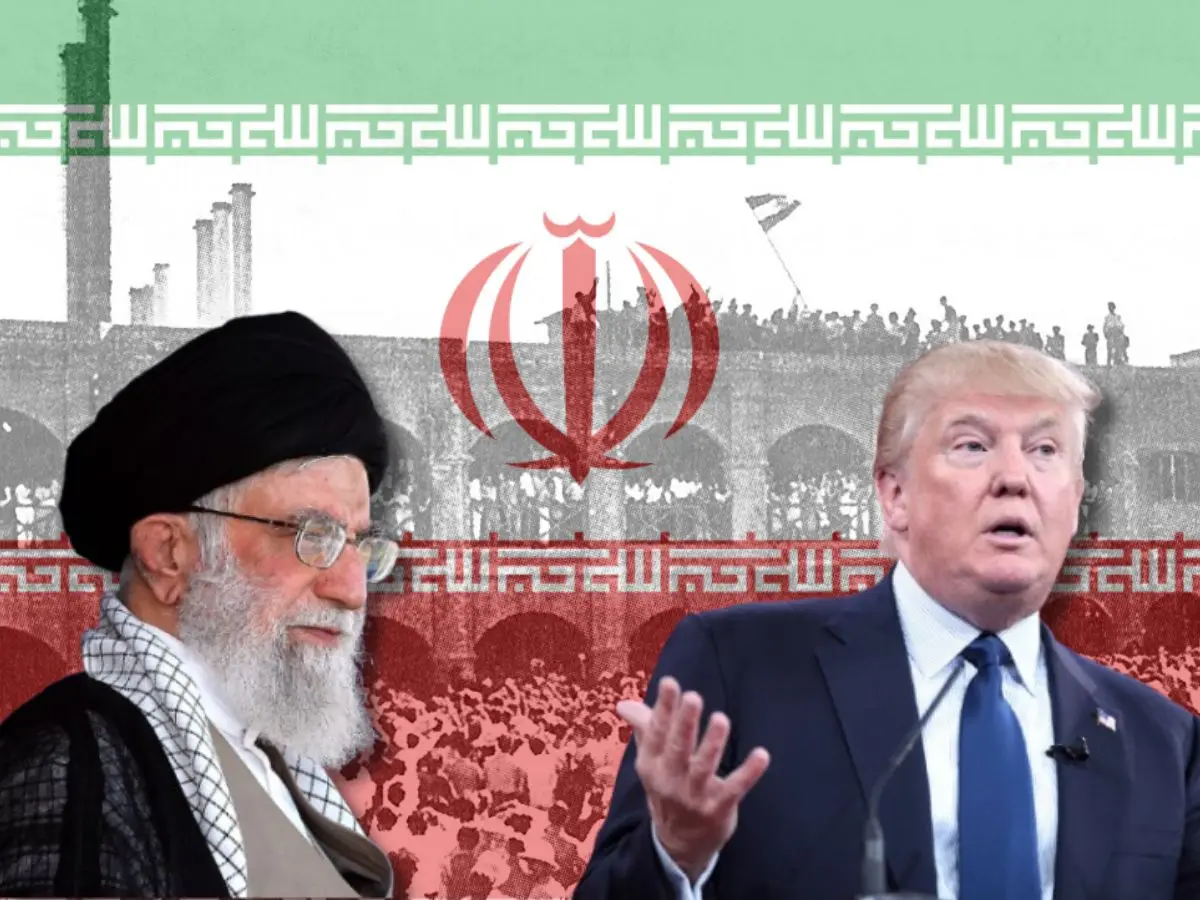
Tensions between Iran and the United States have intensified amid widespread protests in Iran triggered by economic pressure and governance grievances. At the same time, Washington’s recent willingness to use force elsewhere has prompted comparisons. On January 3, the United States carried out a military operation in Venezuela targeting key state assets, underscoring its readiness to act against adversarial governments. However, Iran presents a fundamentally different challenge. Its military capabilities, regional networks and internal dynamics mean that any attempt at a swift, low-cost strike would be far more complex and risky than operations conducted in Venezuela.
Domestic unrest complicates calculations
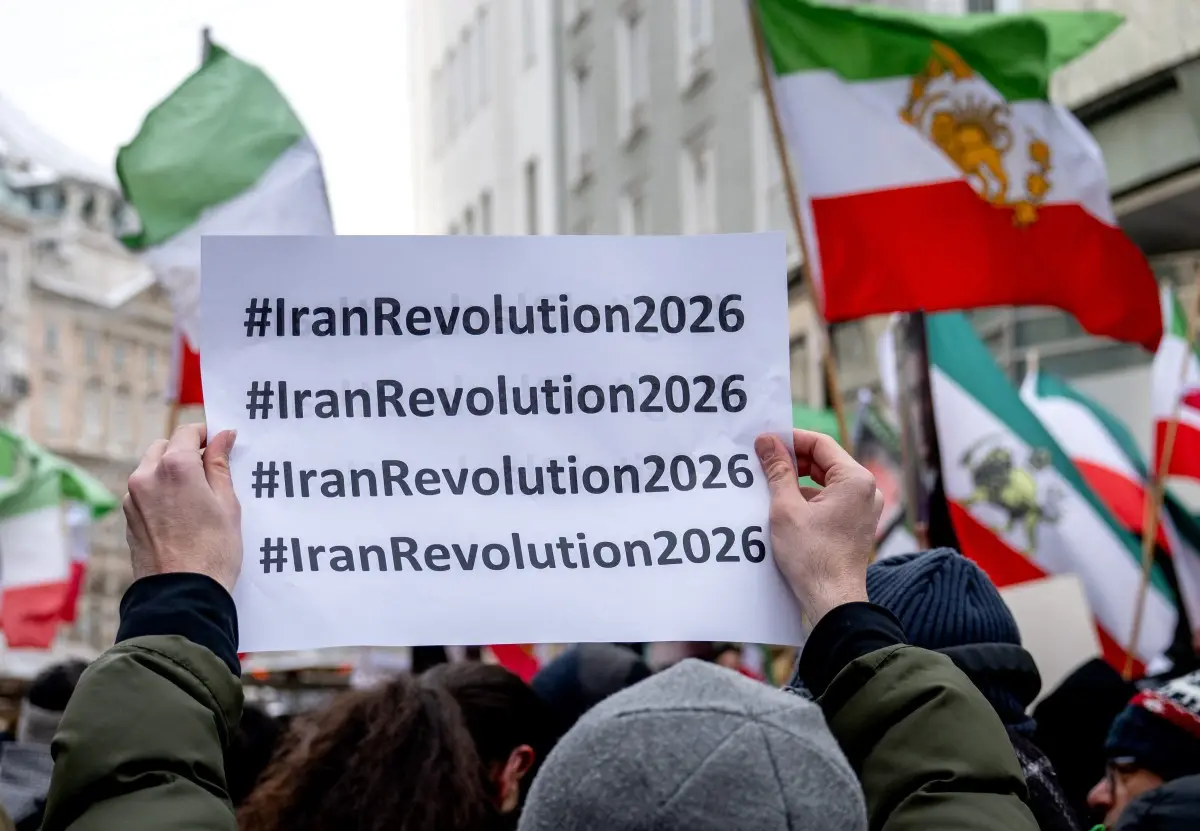
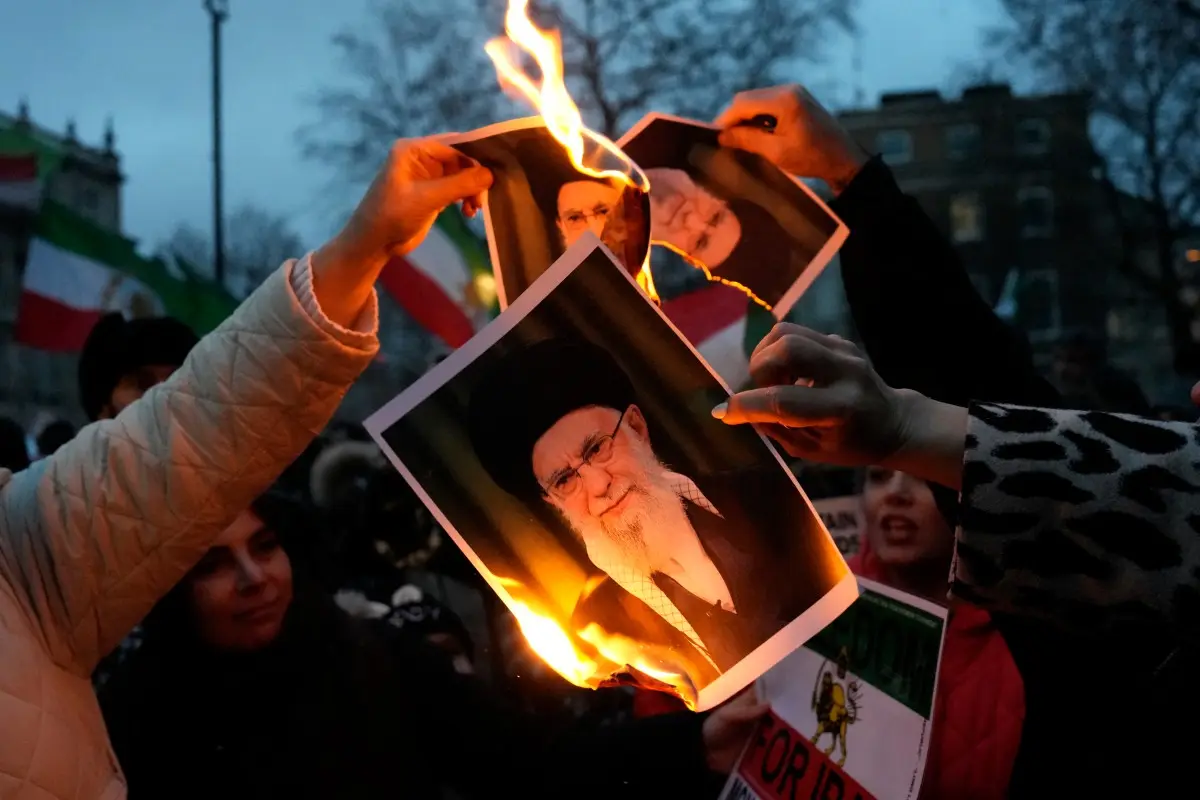
The protests across Iran have led to significant casualties and an extensive security crackdown. Iranian authorities have accused the United States and its allies of fuelling unrest, reinforcing a siege mentality within the leadership. For Washington, this instability creates uncertainty. Military action might not weaken the state; it could instead enable Tehran to frame unrest as foreign-backed aggression, complicating any attempt at external pressure. This narrative was reiterated on Saturday by Supreme Leader Ayatollah Ali Khamenei, who again described the protests as 'an American conspiracy' and claimed that Washington’s objective was to ‘swallow Iran’ and place it back under military, political and economic domination.

Why Venezuela was a simpler target
The US operation in Venezuela was limited in scope and geographically contained, with little risk of escalation involving major powers. Despite international criticism, the relatively weaker defence infrastructure and limited regional alliances of Venezuela, allowed Washington to act without facing immediate retaliation or a wider conflict. Iran presents the opposite scenario.
Iran’s military depth and ranking
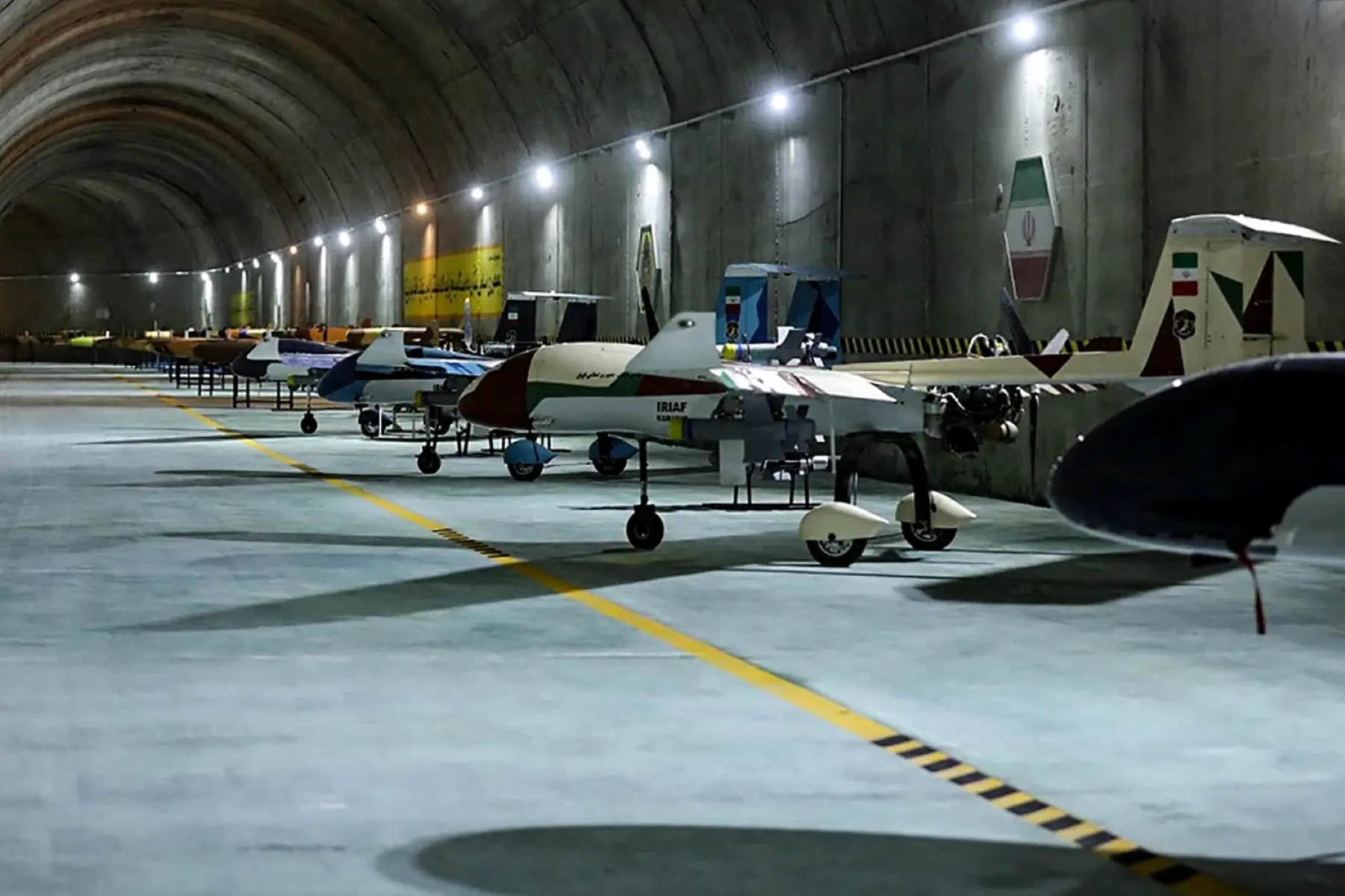
Iran’s armed forces are far more capable. Ranked 14th globally by the Global Firepower Index, Iran fields a large missile and drone arsenal, extensive air-defence systems and a dispersed military infrastructure. These assets are integrated with regional militia networks and regional proxies, allowing Tehran to respond asymmetrically across multiple theatres.
Rebuilt and layered air defences
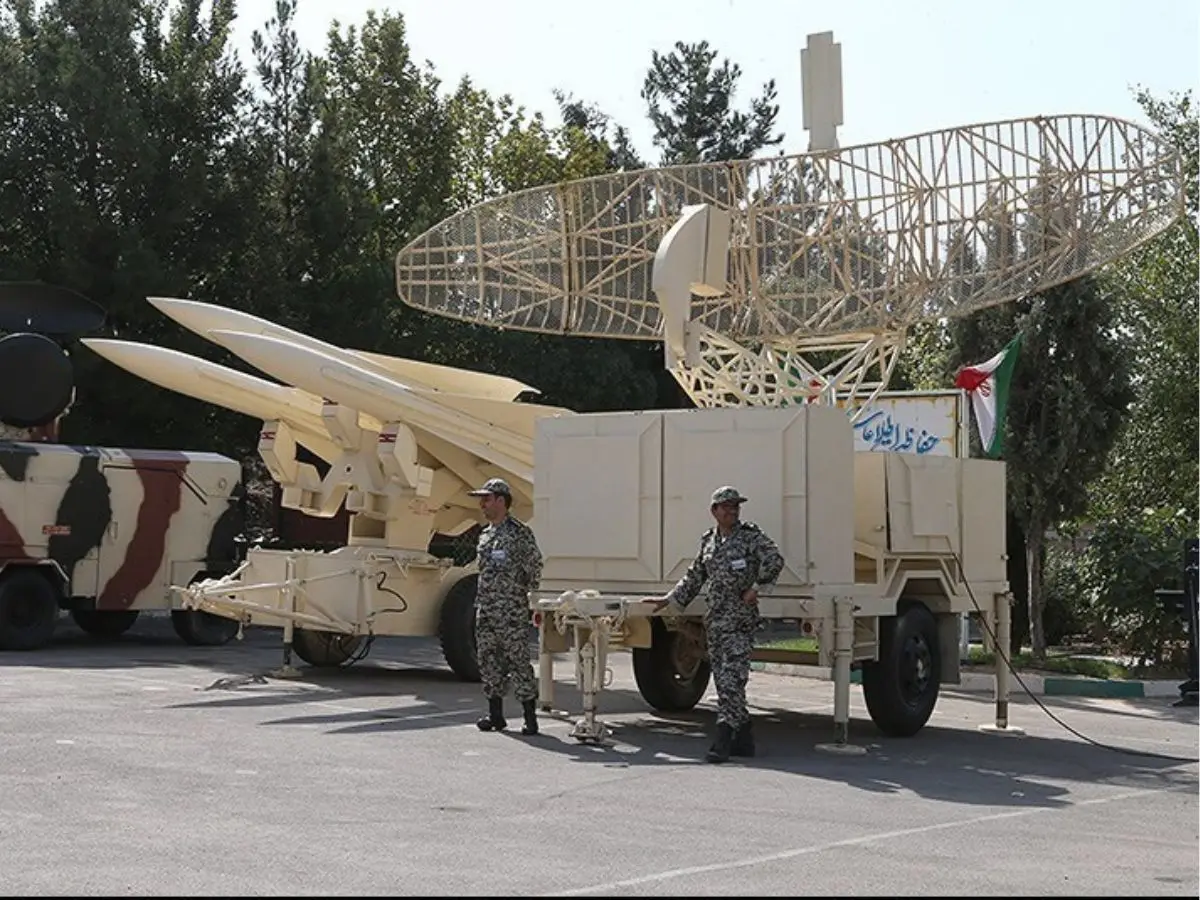
Although Israel’s 12-day air campaign in June 2025 damaged several parts of Iran’s air-defence network, Tehran has since rebuilt and upgraded its systems. Iran now reportedly operates a layered mix of Russian S-300 and reportedly S-400 systems, China’s HQ-9B missiles and indigenous platforms such as the Bavar-373. These defences are mobile, networked and designed to survive sustained attack, unlike Venezuela’s largely static systems.
Force posture and escalation risks
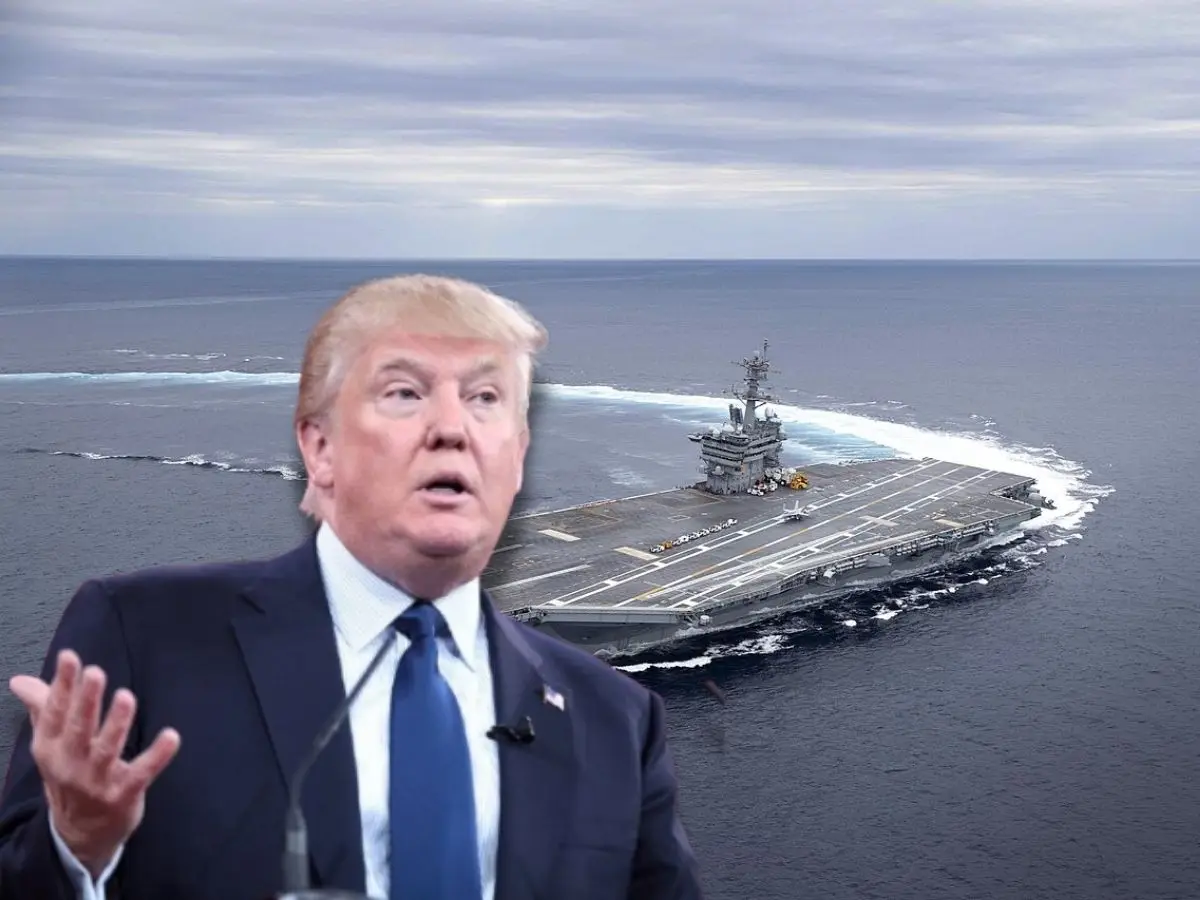
US military assets are stretched across multiple theatres, including the Indo-Pacific. With no American aircraft carriers currently deployed in the Middle East, although the USS Abraham Lincoln is reportedly moving towards US Central Command, any strike on Iran would still have to rely heavily on regional air bases in Qatar, Bahrain, Iraq, the UAE or Saudi Arabia, all of which would immediately become potential Iranian targets. Notably, four Middle Eastern states have urged Washington to avoid military action, with Saudi Arabia signalling that it would not permit the use of its territory for US strikes on Iran despite its historically strained relationship with Tehran. This reflects the complex regional dynamics surrounding Iran. While long-range bombers remain an option, strikes near urban or political centres would carry significant risks of civilian casualties and diplomatic fallout.
Why diplomacy still matters
There is no single target whose destruction would decisively alter Iran’s internal dynamics. Protests are dispersed across cities, not centred on one command node. Bombing military or intelligence facilities could instead consolidate domestic support for the regime.
)
)
)
)
)