Why USS Abraham Lincoln crews mostly depend on frozen food

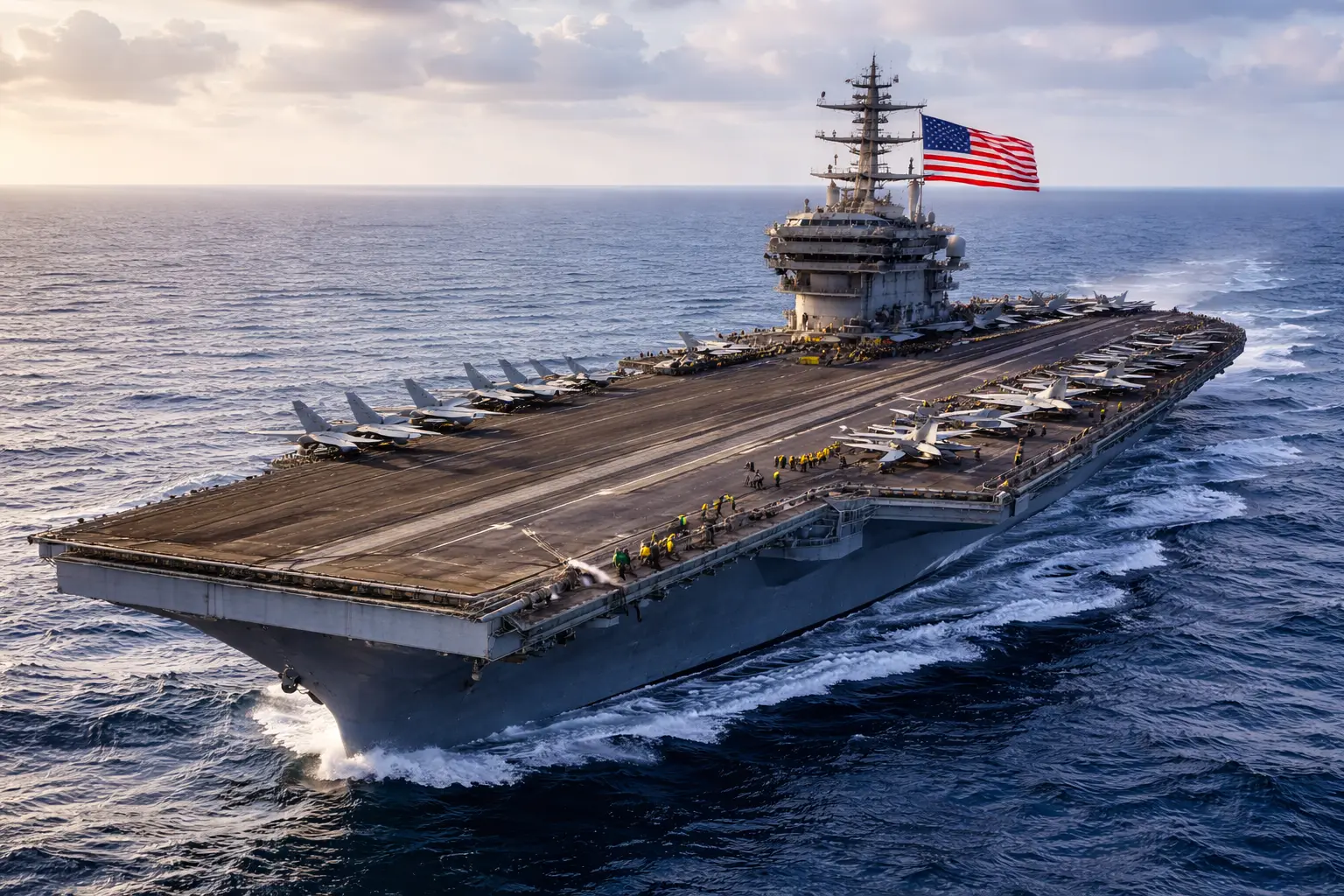
The USS Abraham Lincoln feeds 5,000 sailors by serving 17,000 meals daily. Because fresh produce rots quickly, the carrier relies on deep freezers, 21-day menu cycles, and at-sea replenishments to sustain the crew during long combat deployments.
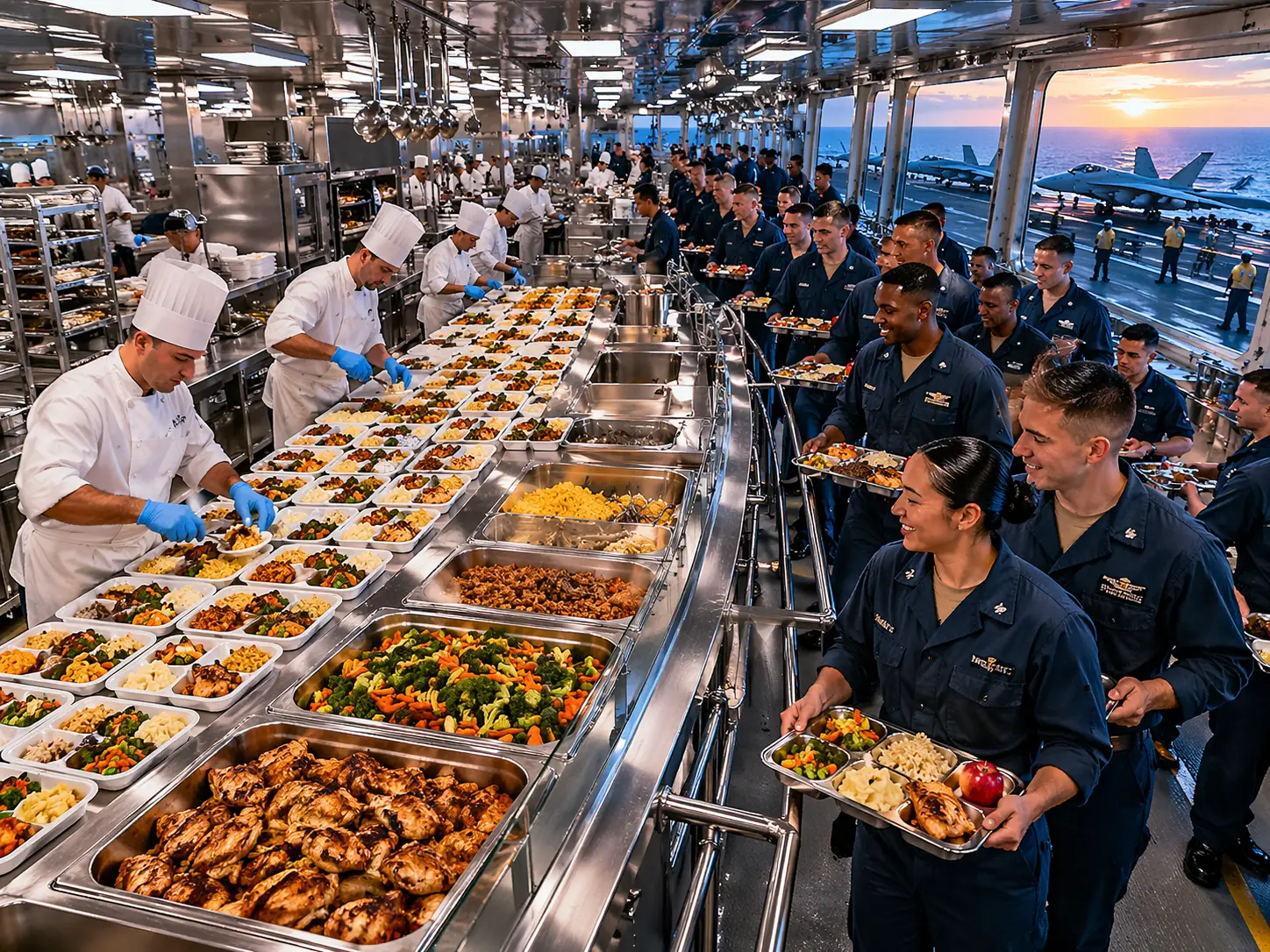
17,000 Meals a Day
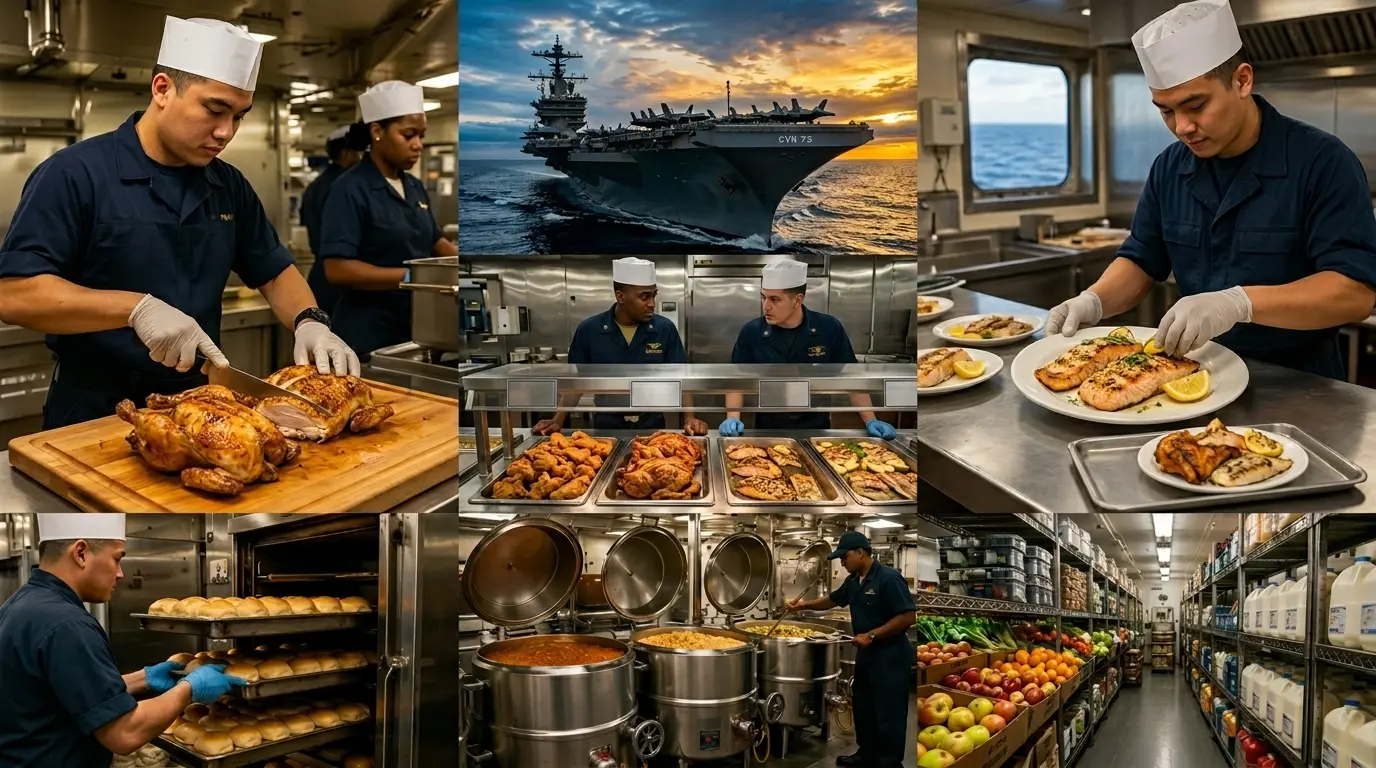
Operating a Nimitz-class supercarrier requires feeding an immense floating city of approximately 5,100 sailors and aviators. The ship's massive industrial galleys operate 24 hours a day, preparing over 17,000 individual meals daily to keep the crew physically fuelled for combat operations.
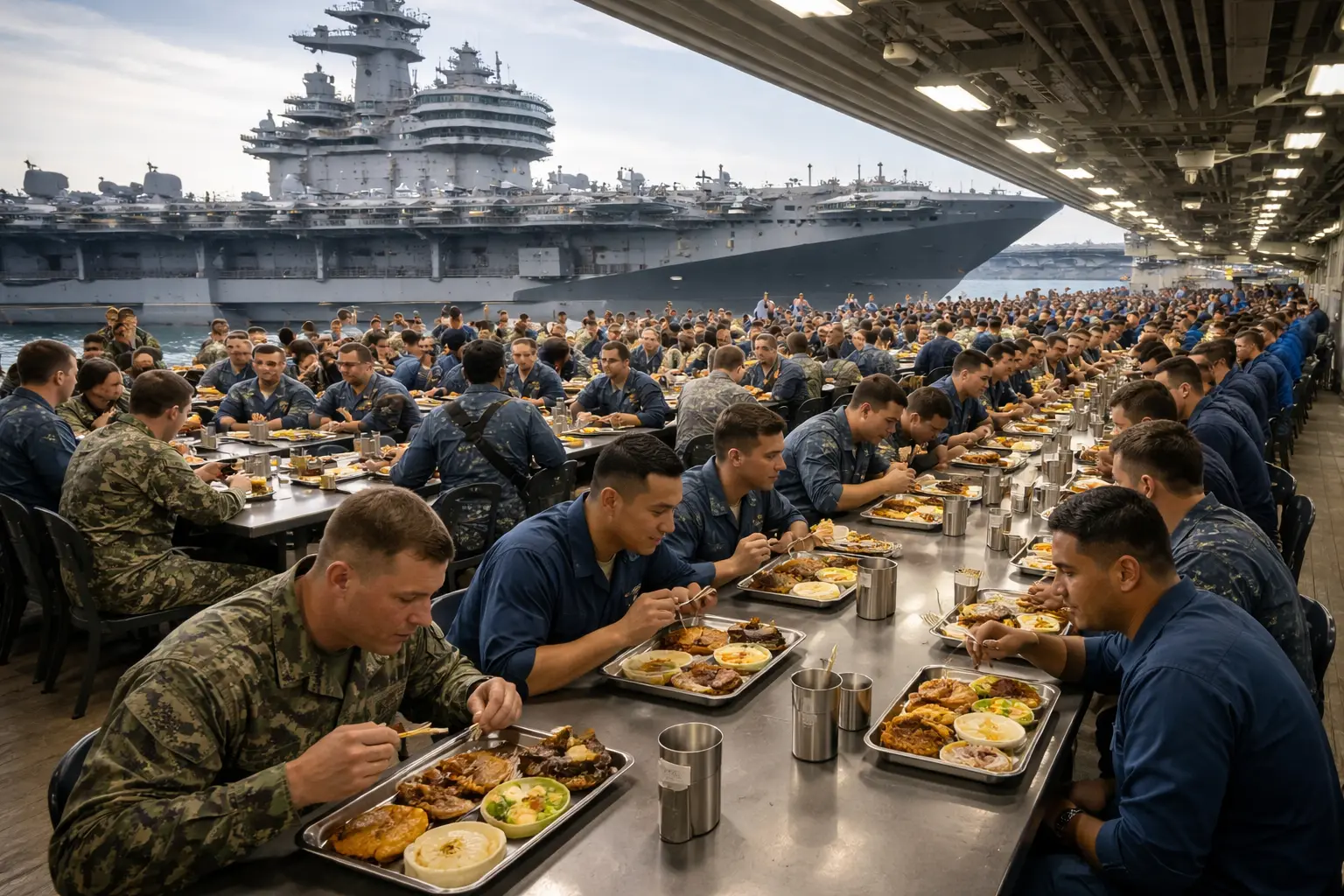
The Fresh Produce Problem
While fresh fruits and vegetables are highly preferred, they simply cannot survive long maritime deployments. Produce deteriorates incredibly quickly in a saltwater environment, meaning fresh ingredients usually run out entirely within the first two weeks of a ship leaving port.
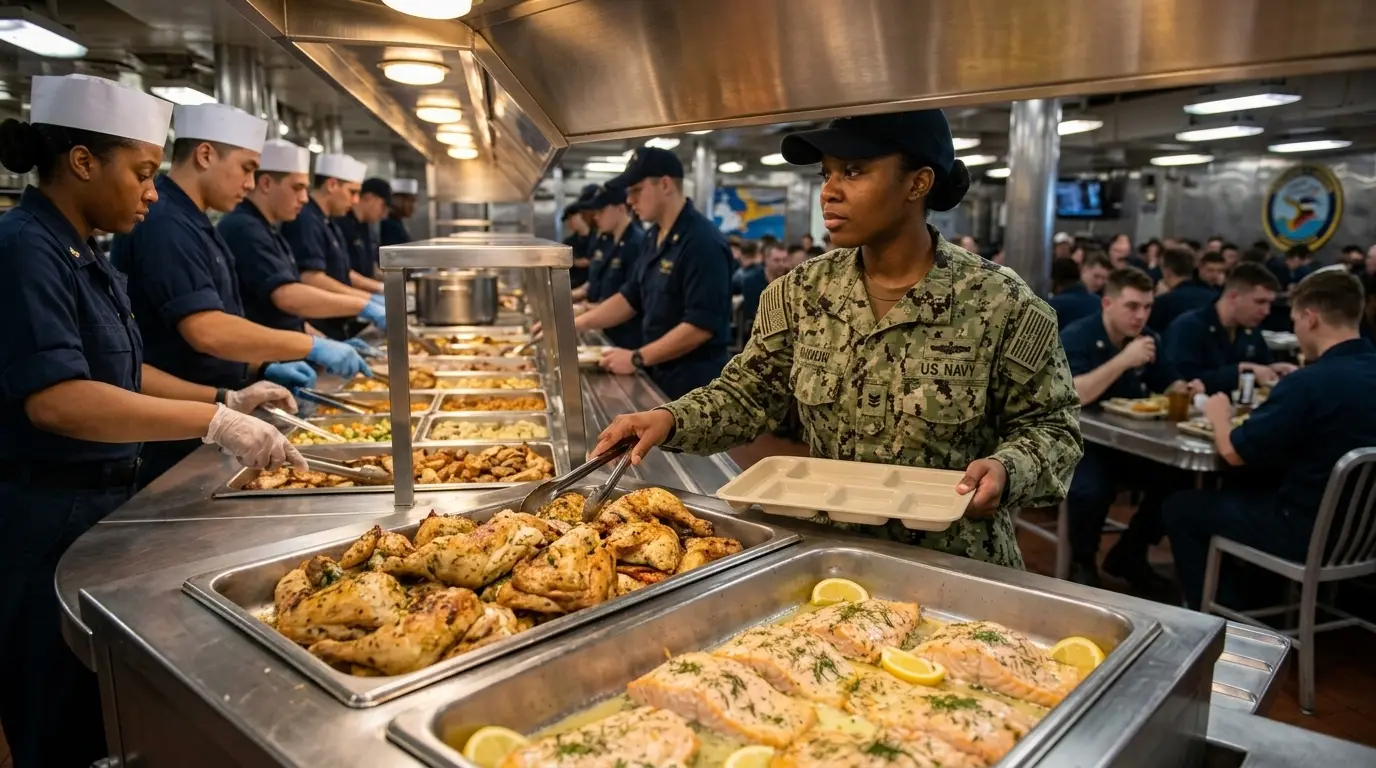
The 21-Day Menu Cycle
To maximise efficiency and prevent severe food waste, the US Navy utilises a strict 21-day repeating menu. By standardising the meals, military logisticians know exactly how many thousands of kilograms of frozen meat and vegetables must be loaded before a deployment begins.
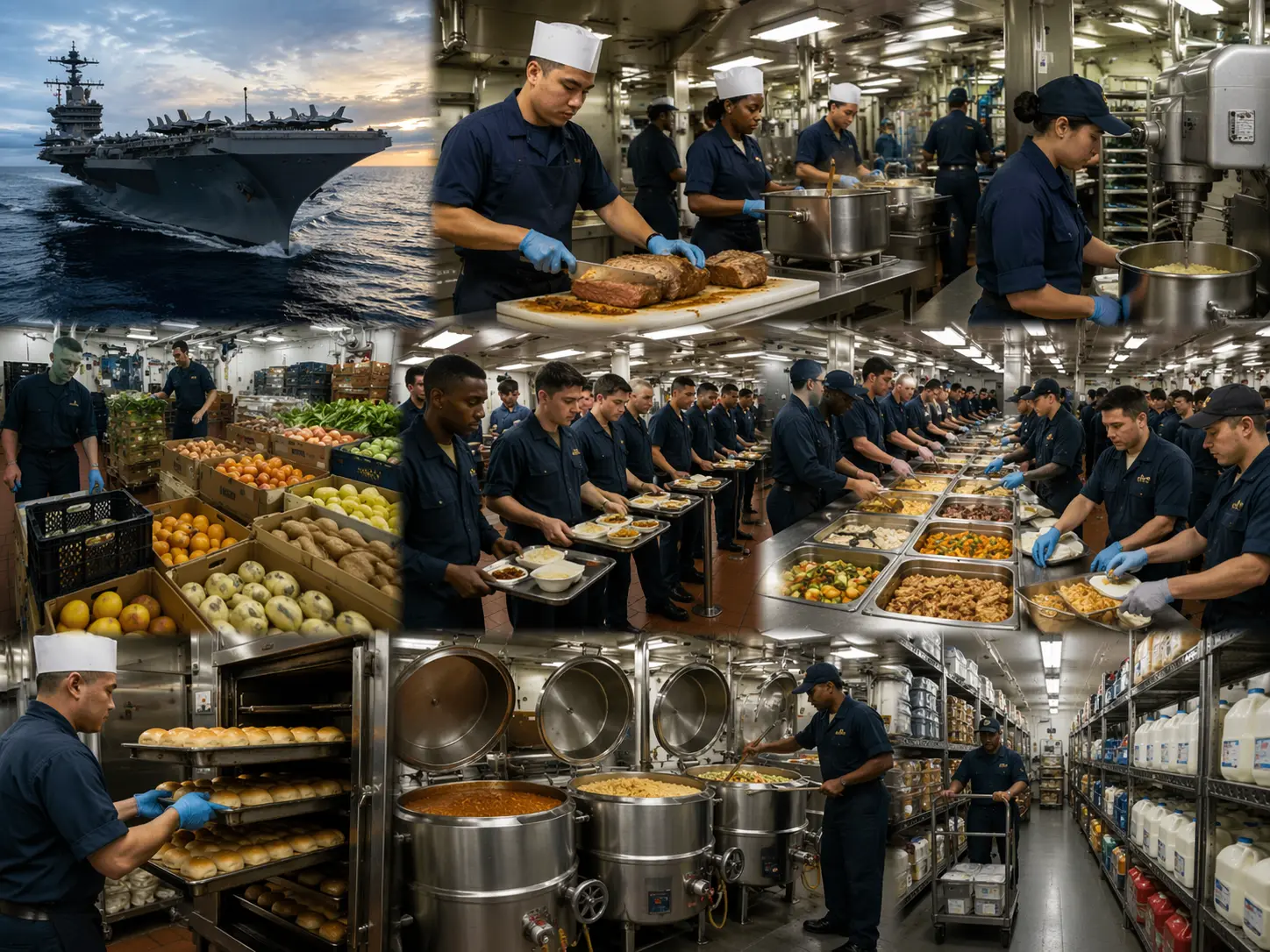
Massive Deep Freezers
Because fresh food perishes, the carrier's survival relies entirely on massive, multi-deck freezing facilities. Each day at sea demands thousands of kilograms of frozen food, allowing the culinary specialists to continuously cook high-calorie meals even months into a naval blockade.
At-Sea Replenishment
When the massive freezers begin to empty, the carrier relies on Military Sealift Command replenishment ships. These logistics vessels pull alongside the moving aircraft carrier to transfer pallets of frozen goods via helicopter or high-tension cables, allowing the warship to remain deployed indefinitely.
Feeding the Night Shift
Carrier flight operations never stop, requiring galleys to serve a fourth daily meal known as 'midrats' (midnight rations). Because this meal serves the crucial late-night watchstanders, cooks heavily depend on easy-to-prepare frozen staples like processed meats and pre-cooked carbohydrates.
Vulnerable Supply Lines
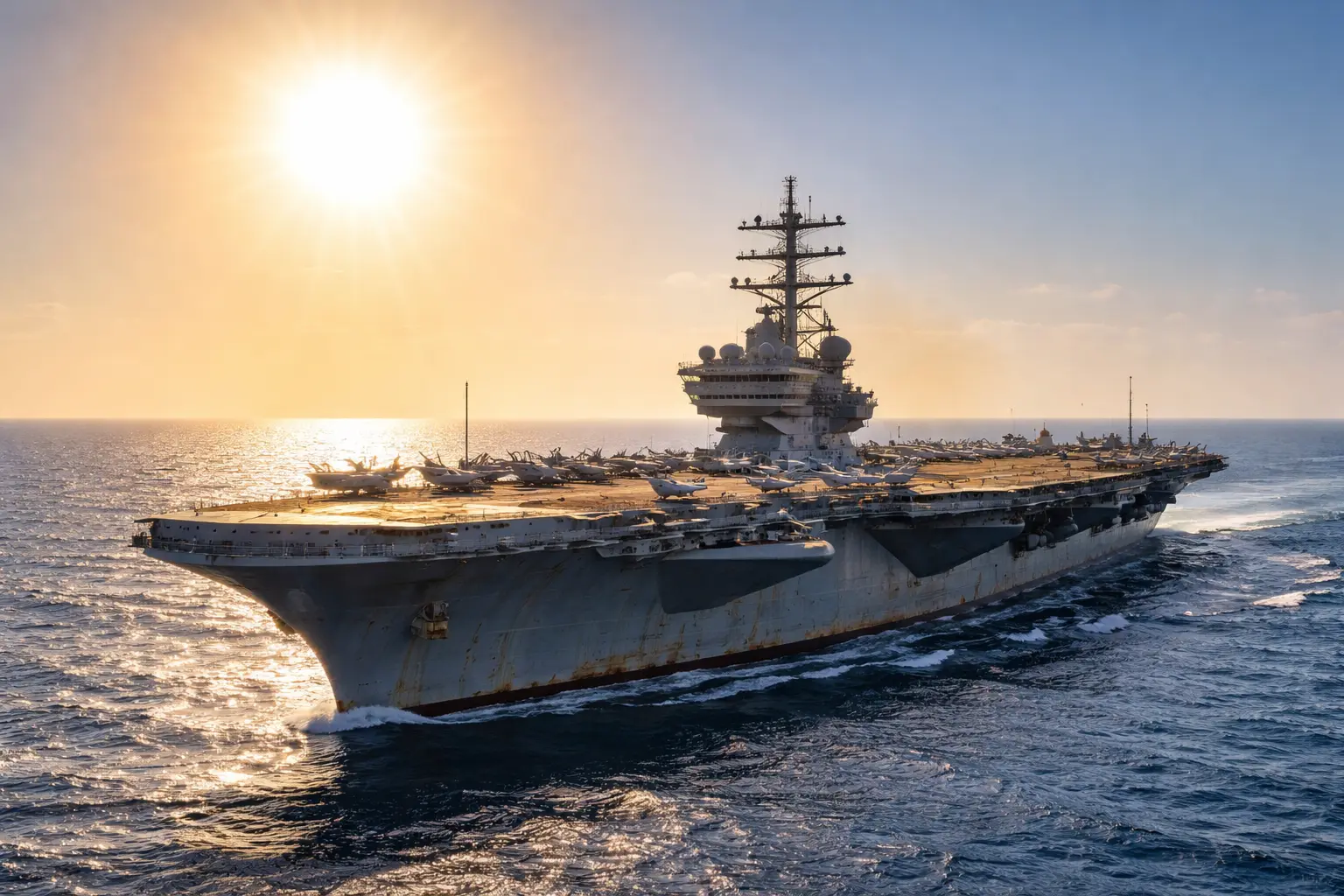
Relying so heavily on frozen logistics creates significant strategic vulnerabilities. Recently, US warships enforcing the Iranian blockade experienced severe logistical delays, leading to viral 'USS Hunger Games' photographs of heavily rationed meals as crews attempted to stretch their dwindling frozen supplies.
)
)
)
)
)