Why US-Iran peace deal is stuck - 5 prime reasons | WION Decodes

Despite US Donald Trump claiming a breakthrough, a US-Iran peace deal remains unsigned due to deep disputes over the Strait of Hormuz, uranium enrichment, sanctions relief, and Israel’s opposition.
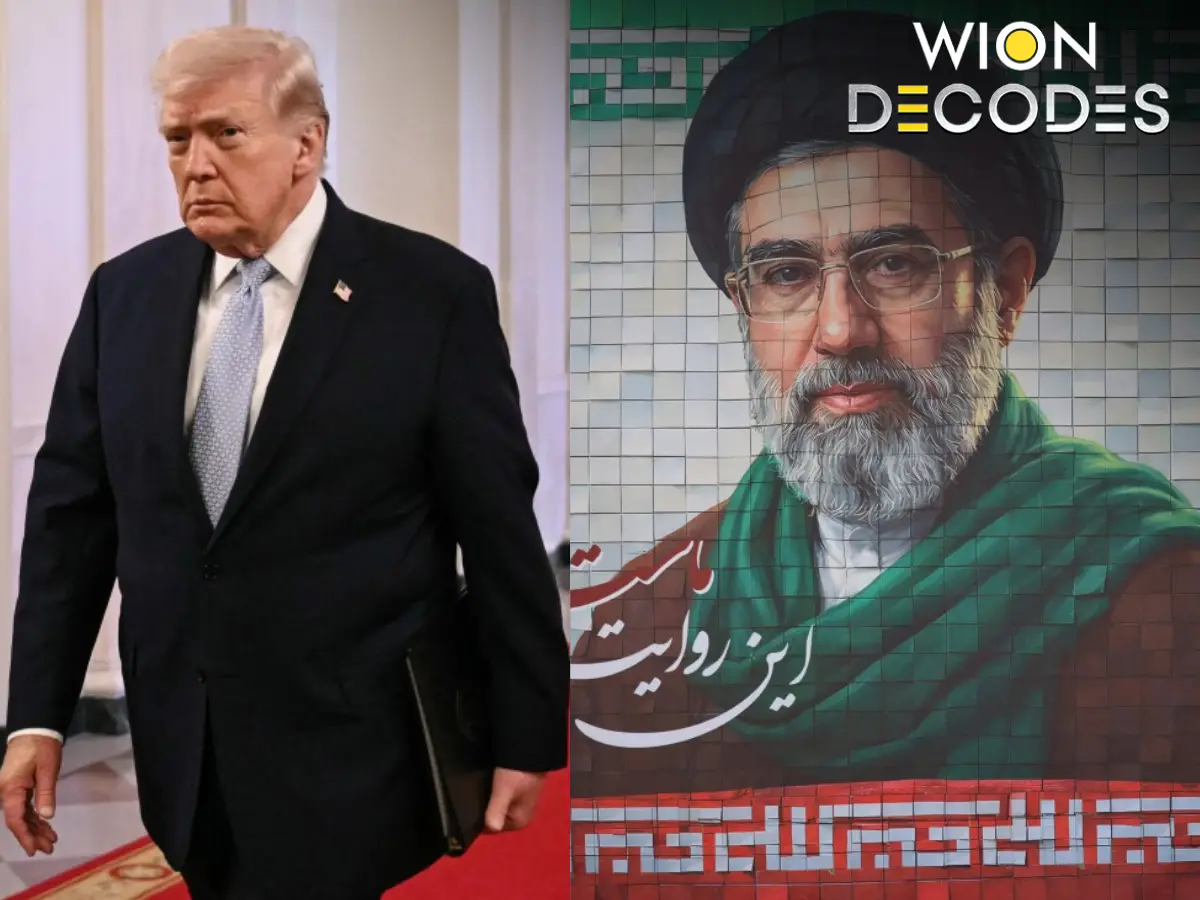
What's hindering a deal?
After weeks of claiming a breakthrough in the ongoing US-Iran war, the peace deal between the two nations remains unsigned. Earlier, US President Donald Trump said a framework was “largely negotiated”, and discussions are underway with countries including Saudi Arabia, Qatar, the United Arab Emirates and Pakistan. But, Iran said there are multiple disputes that are hindering the deal between the countries.
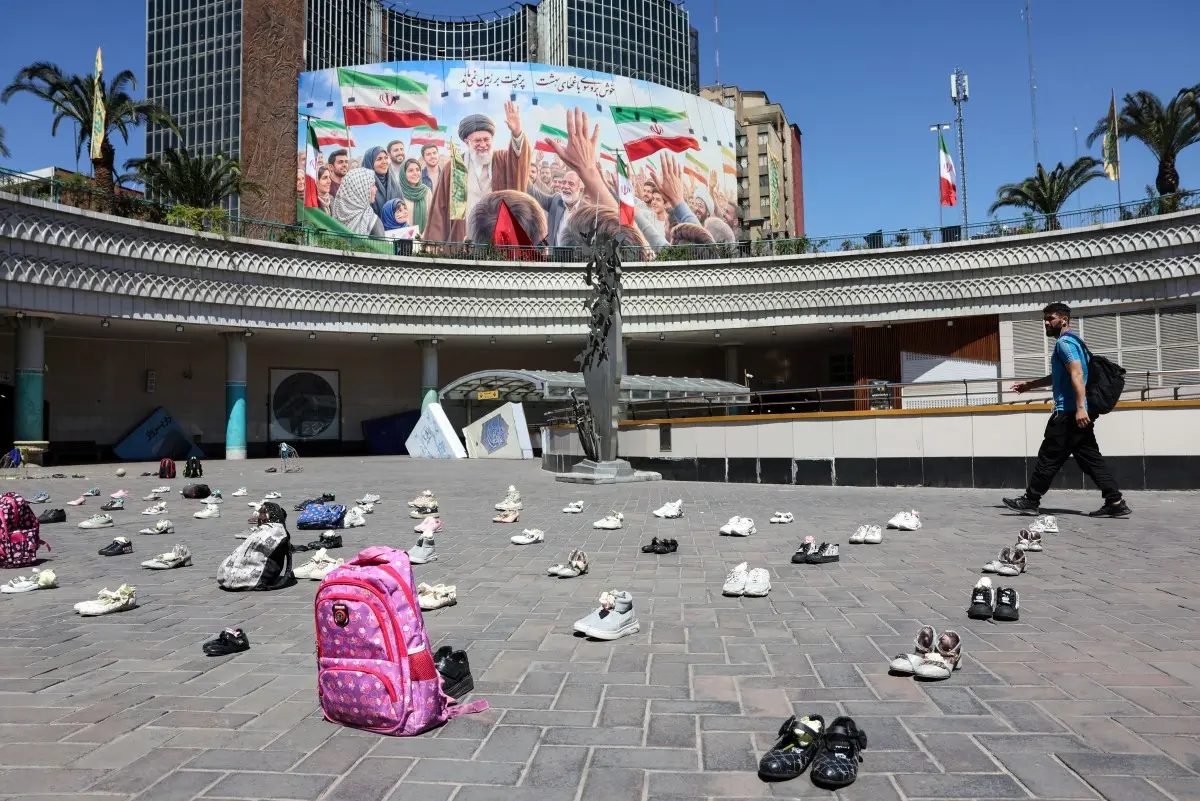
Disagreement over the Strait of Hormuz
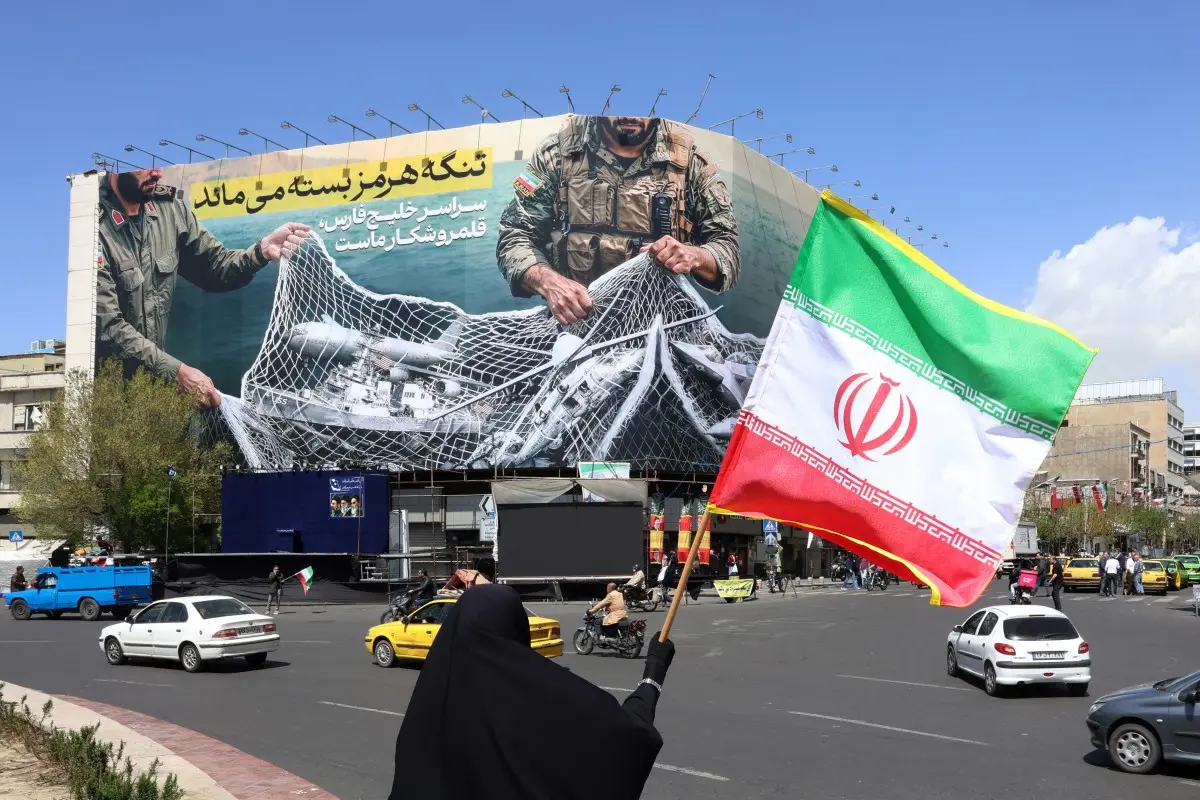
Iran insists it will maintain control over the Strait of Hormuz and supervise maritime activity in the region. The United States, however, wants unrestricted international shipping access, arguing that global trade and energy supplies should move freely without interference or regional oversight.
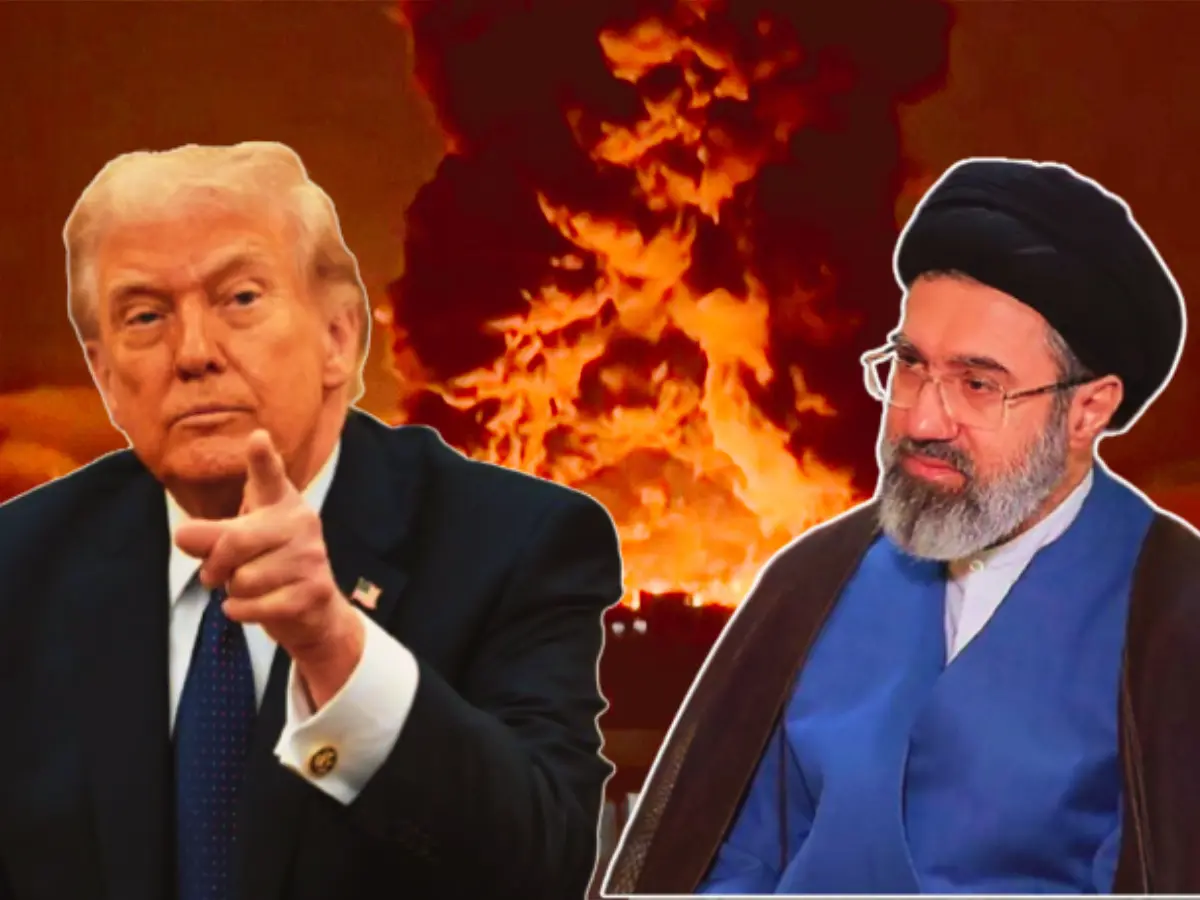
Iran's nuclear programme - a major clashing point
The United States and Israel continue to demand that Iran halt uranium enrichment and surrender its stockpile of highly enriched uranium. Tehran has refused to comply, maintaining that its nuclear programme is for peaceful purposes and rejecting conditions imposed during negotiations.
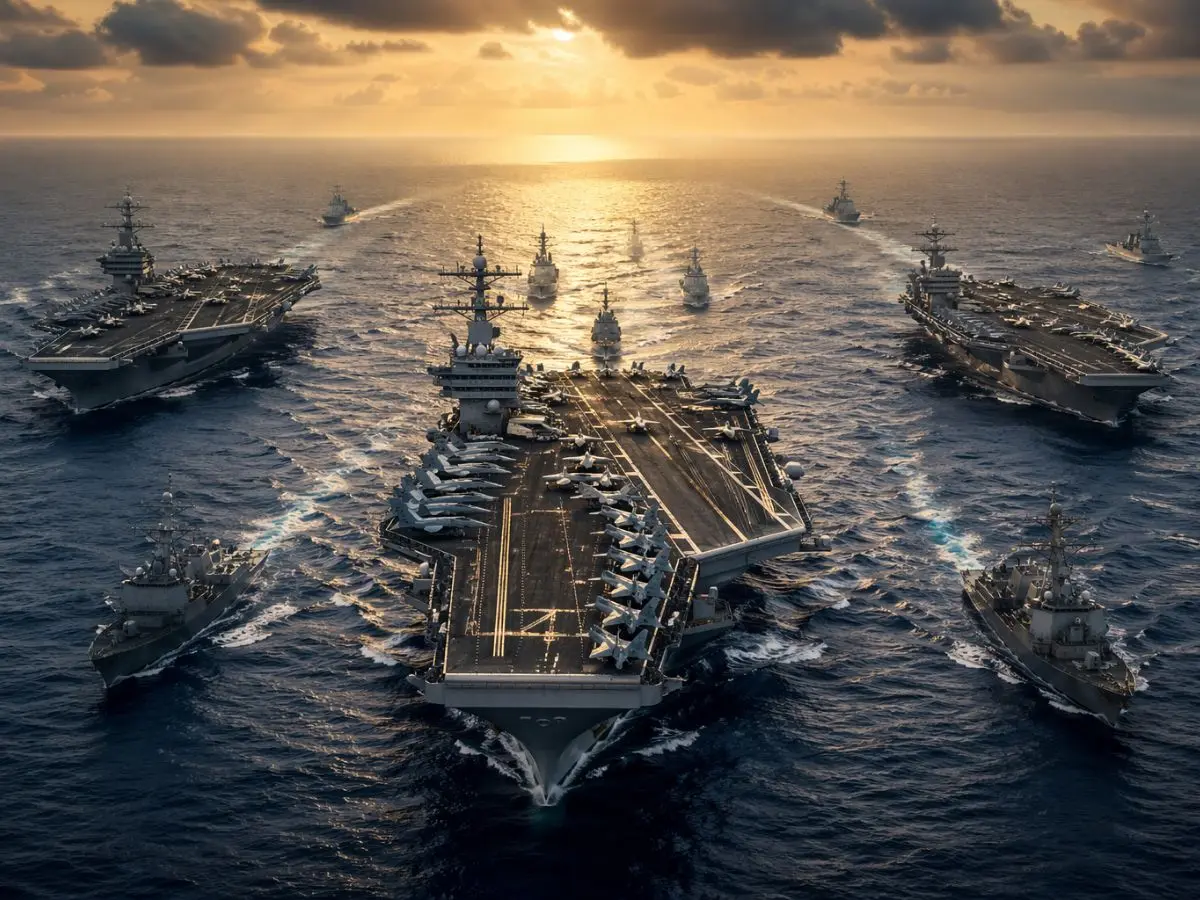
Sanctions relief dispute
Iran is pressing for immediate removal of US sanctions and the release of frozen Iranian assets as part of any agreement. Washington, however, insists sanctions relief can only happen after Tehran meets strict conditions related to its nuclear commitments and regional conduct.
Israel’s opposition and security concerns
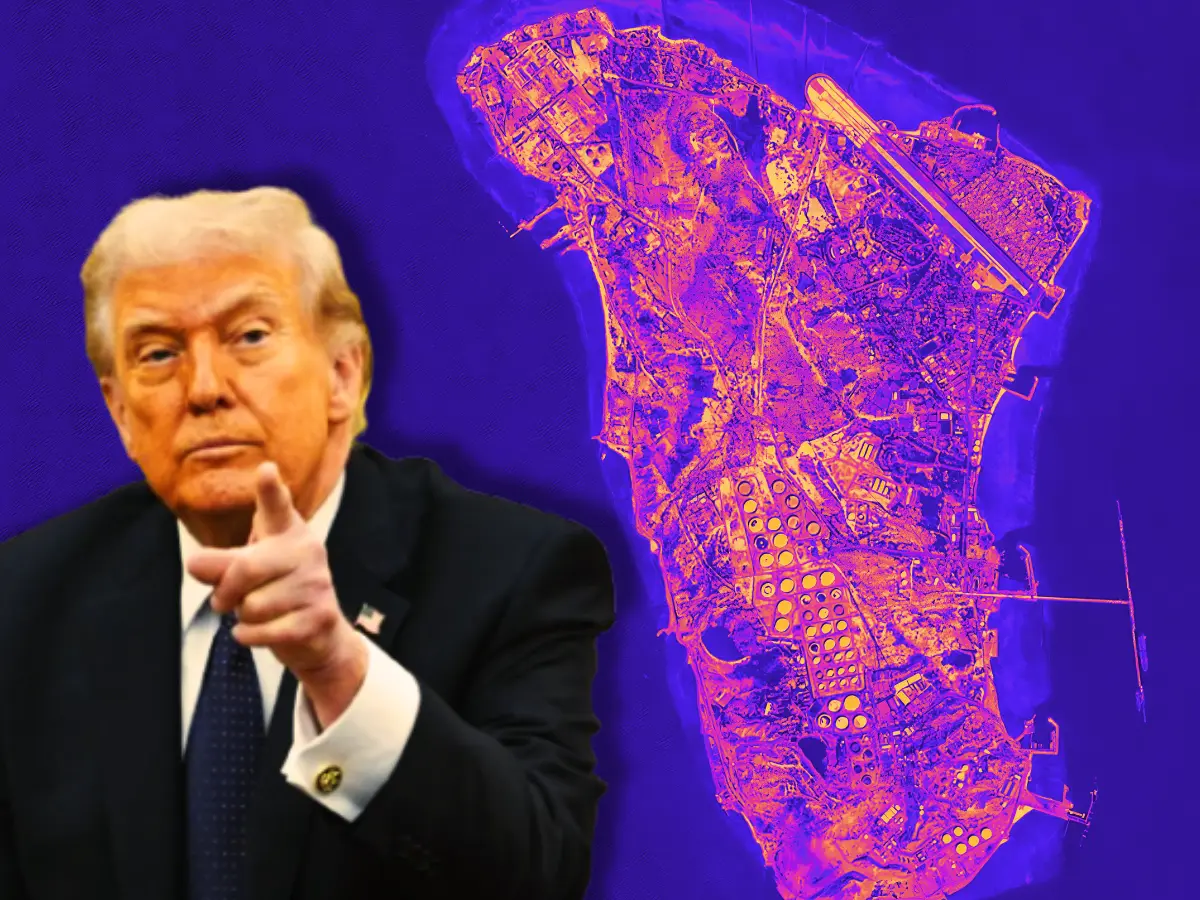
Israeli Prime Minister Benjamin Netanyahu has repeatedly called for Iran’s nuclear infrastructure to be completely dismantled, describing it as a threat to regional security. Iran has strongly rejected the demand, insisting it will not abandon its nuclear capabilities under foreign pressure.
Lack of trust
Iran says it no longer trusts the United States after President Donald Trump withdrew from the 2015 nuclear agreement during his first term in office. Tehran argues the move proved Washington could not be relied upon to honour long-term international commitments.
)
)
)
)
)