Why US fighter pilots wear custom helmets compared to Russian pilots

US fighter pilots wear $400,000 custom-scanned helmets to align advanced visor displays perfectly with their pupils. Russian pilots use mass-produced, adjustable helmets for mechanical simplicity.
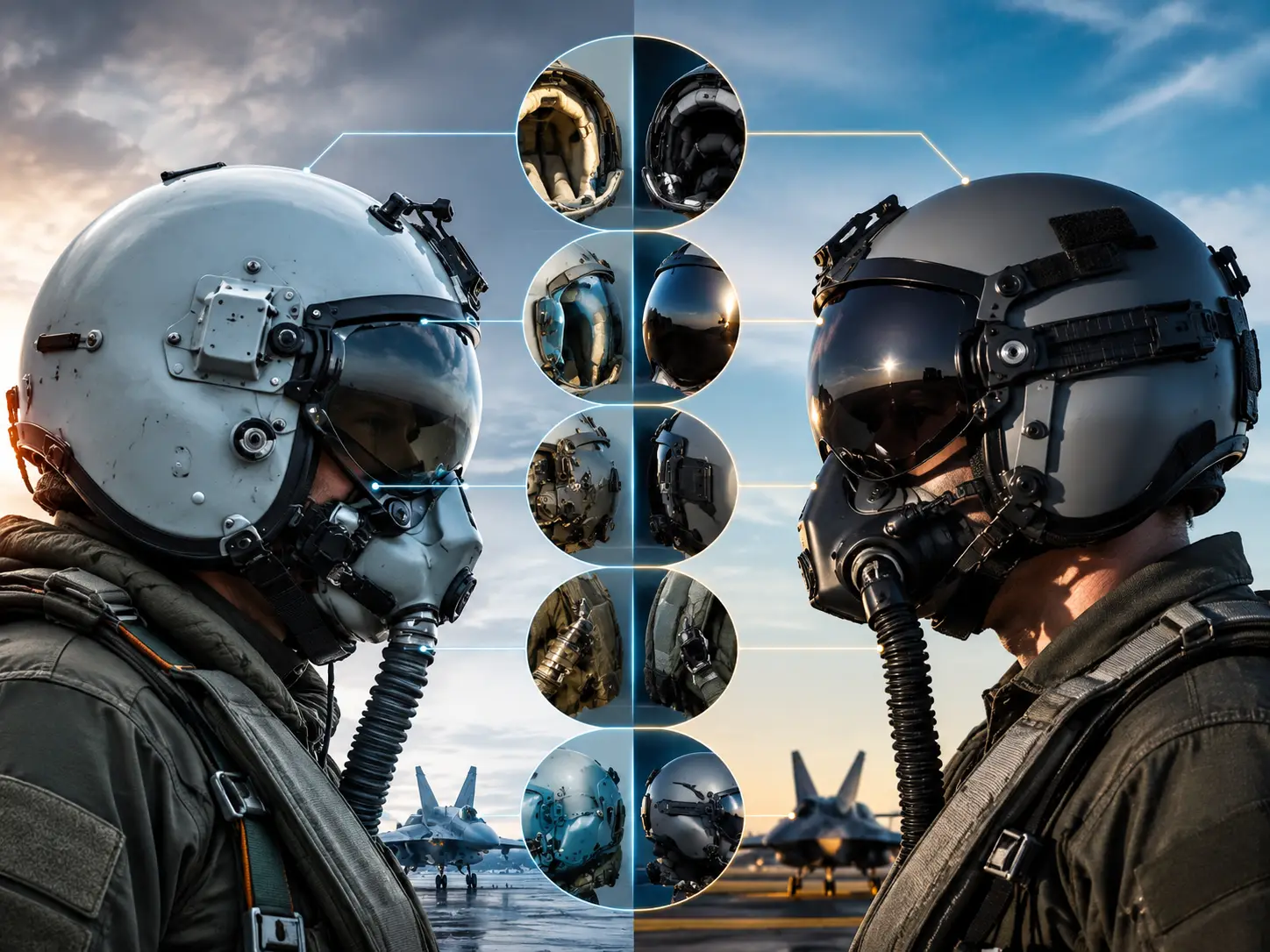
$400,000 custom combat system
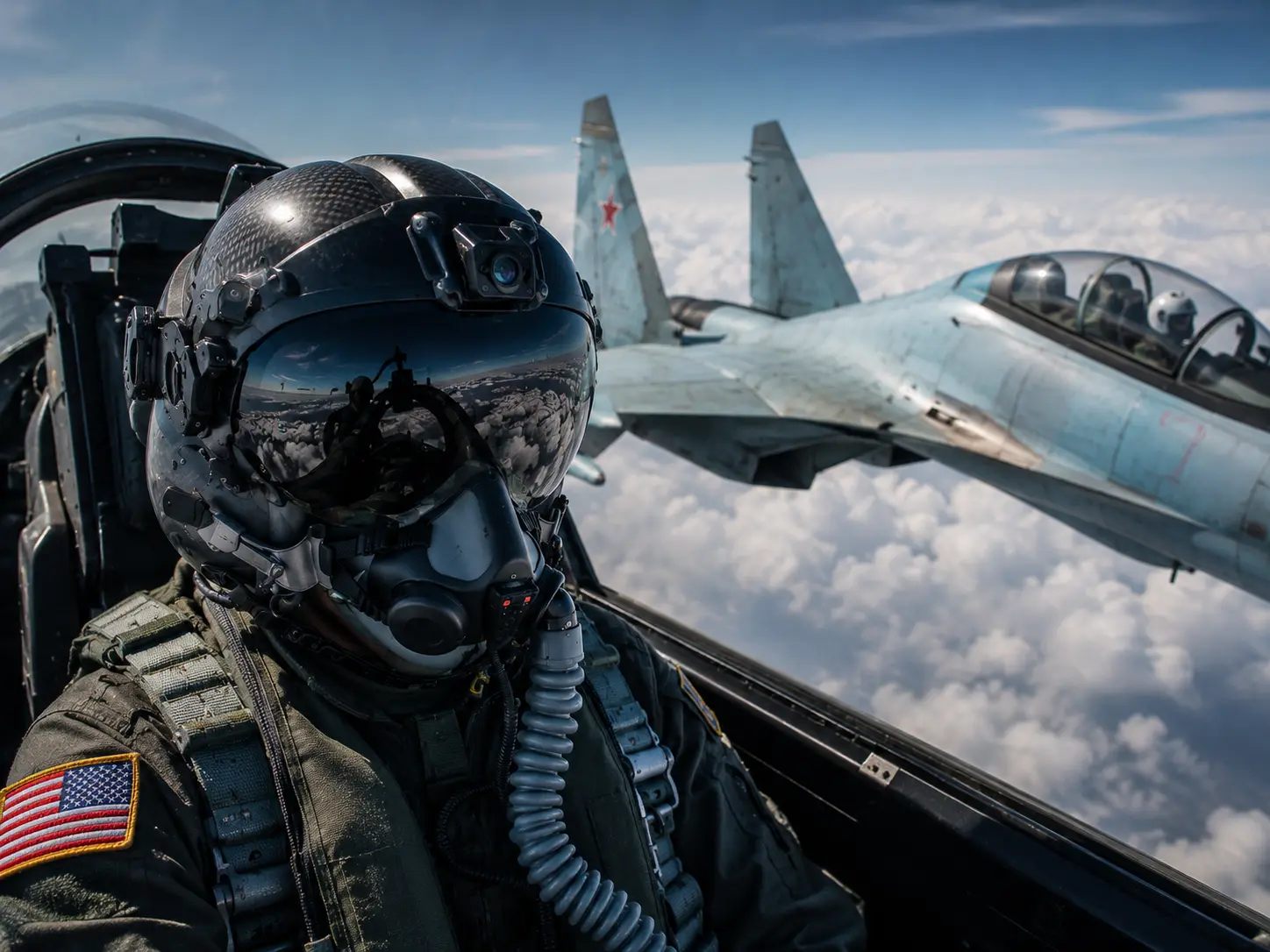
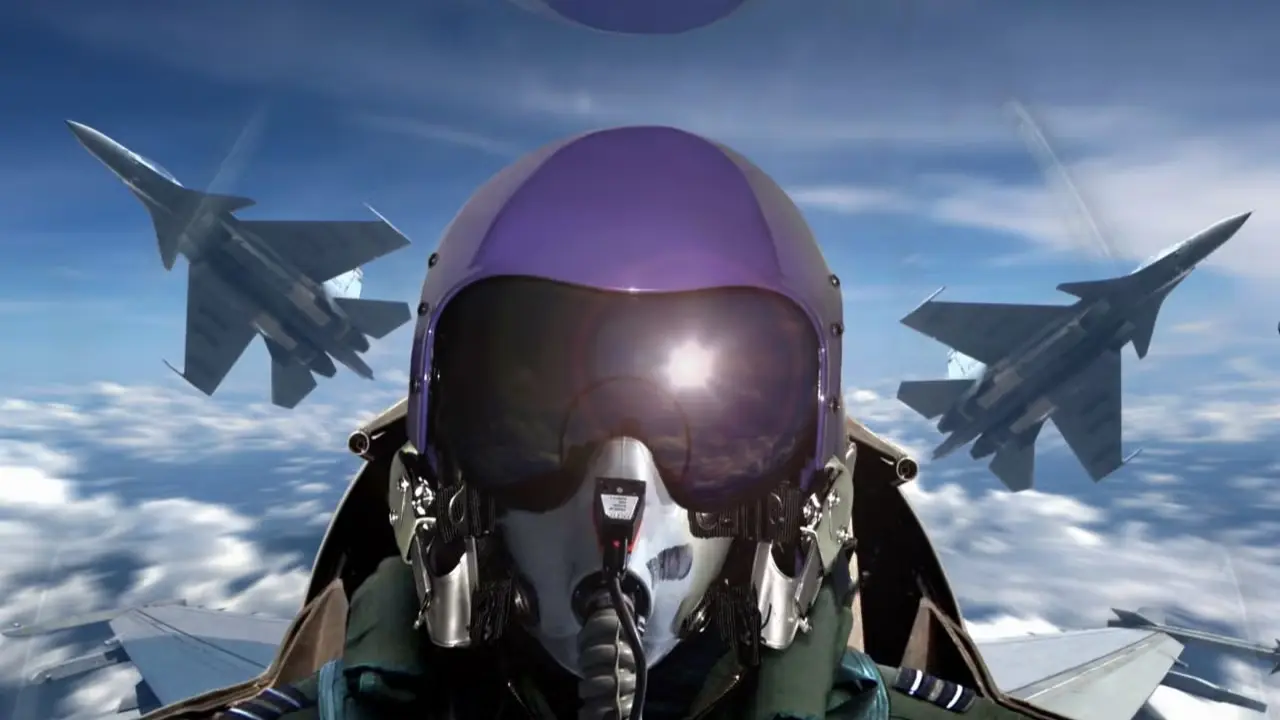
US Air Force pilots flying fifth-generation aircraft wear sophisticated headgear costing approximately $400,000 per unit. Rather than serving as mere physical protection, the American assembly operates as an advanced interface projecting flight metrics, targeting symbology, and real-time thermal video directly onto the inner visor.
100 per cent bespoke lining
Because the visor acts as the primary flight display, optical sensors must align perfectly with the pilot's pupils. Technicians use 3D laser scanners to map the individual's skull, creating a custom foam insert that prevents the helmet from slipping during high-speed manoeuvres. Even a millimetre of shift would distort the display and cause severe spatial disorientation.
120-day mandatory refitting
The human skull and facial tissue undergo subtle physical changes over time due to weight fluctuations and natural ageing. To maintain zero-tolerance optical alignment, American pilots must have their custom helmets inspected and recalibrated every 120 days. If a pilot gains or loses more than two kilogrammes, the interior lining must be completely remanufactured.
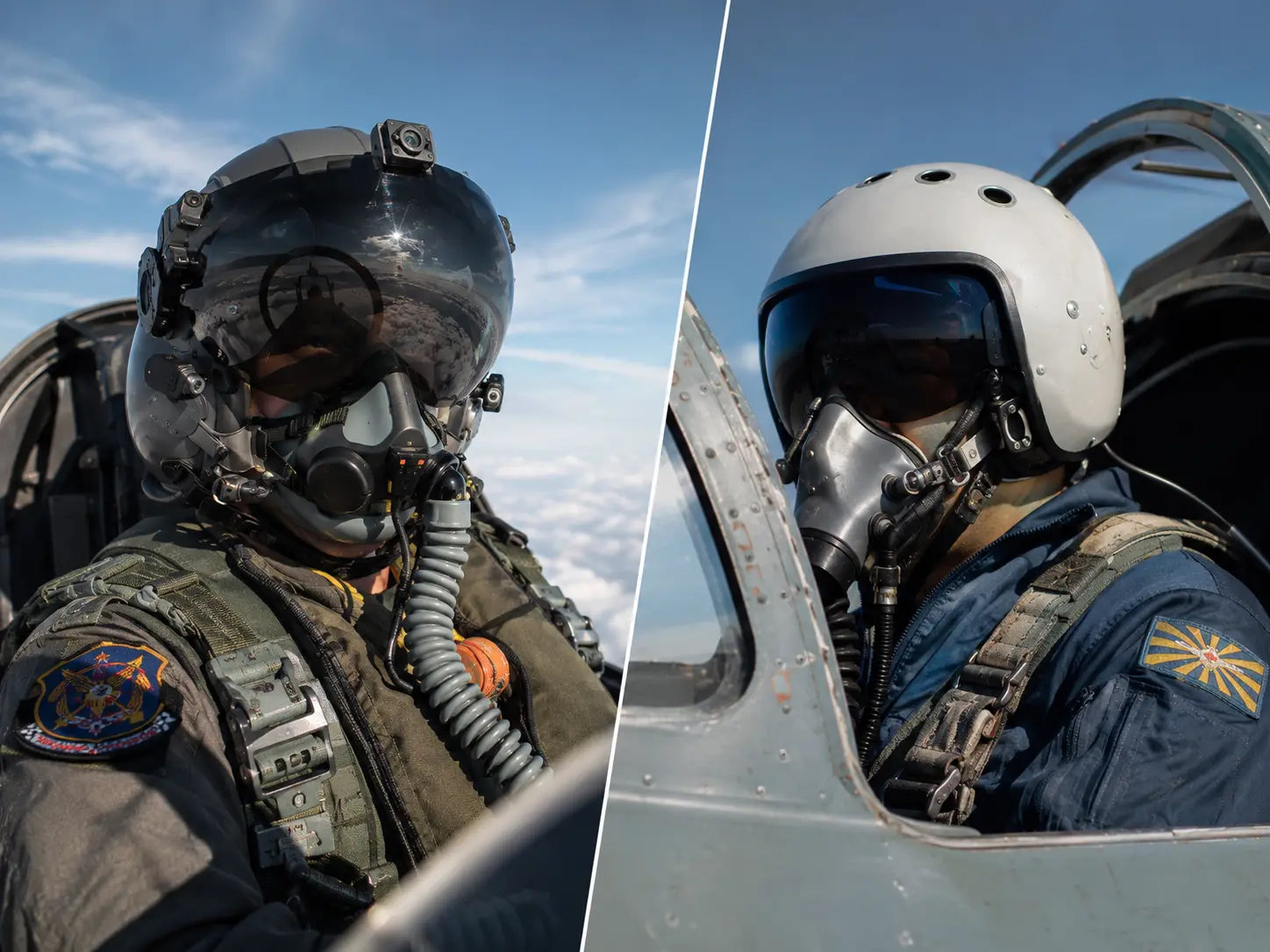
Standard ZSh-7 helmet sizing
Russian pilots flying frontline fighters like the MiG-29 and Su-35 rely on mass-produced headgear such as the ZSh-7 series. Instead of requiring individual laser scans, these helmets are manufactured in predetermined numerical sizes and utilise internal adjustable suspension straps and movable cheek pads to secure a stable physical fit.
30-year legacy design logic
Russian aerospace doctrine prioritises mechanical simplicity, ruggedness, and rapid component replacement in austere combat environments. While their helmets feature simple external targeting sights to aim short-range missiles, they lack see-through binocular data projections. This allows ground crews to issue replacement headgear immediately without expensive custom fitting.
)
)
)
)
)