Why US fighter jets have smoother stealth coatings than Russian jets

US jets use delicate, smooth radar-absorbent coatings to remain unseen. Russia skips these fragile finishes, opting for rugged airframes built for extreme weather and high-speed manoeuvrability.
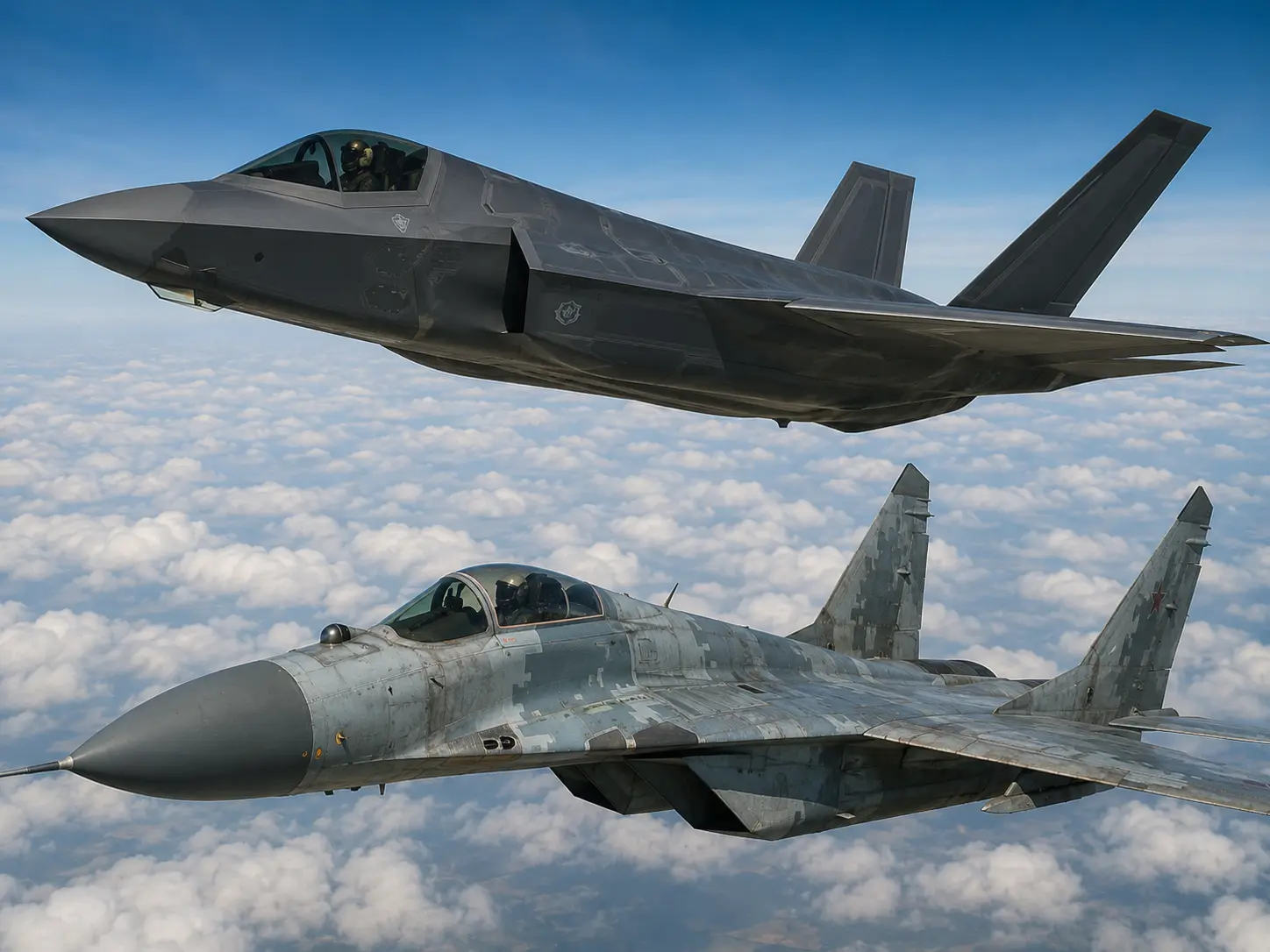
0.005 sq metre RCS
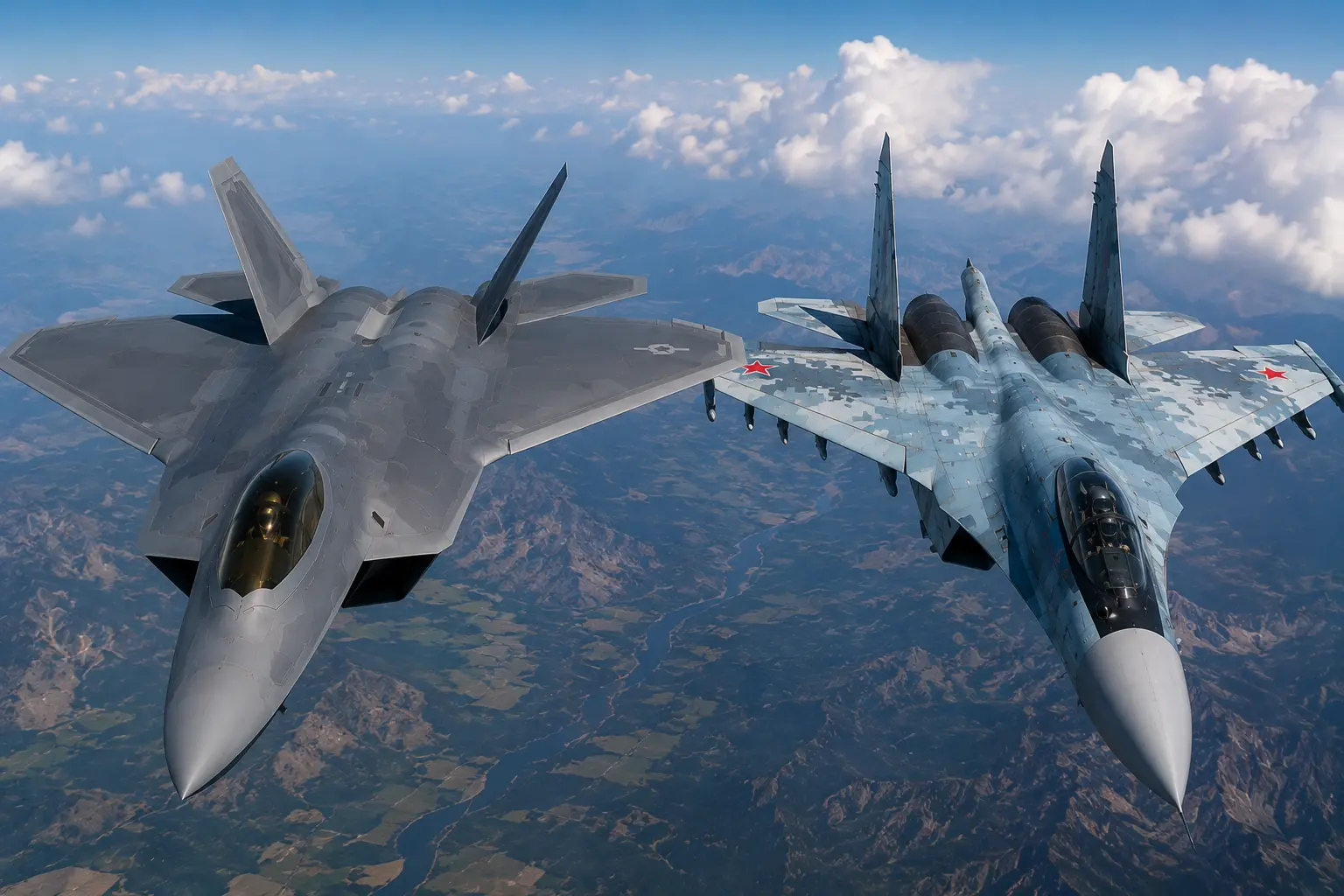
American stealth fighters like the F-35 use precise radar-absorbent materials and gap fillers to create a perfectly seamless exterior. This smooth finish prevents radar waves from bouncing back to the source. It gives the jet an incredibly tiny radar cross-section, roughly the size of a golf ball.
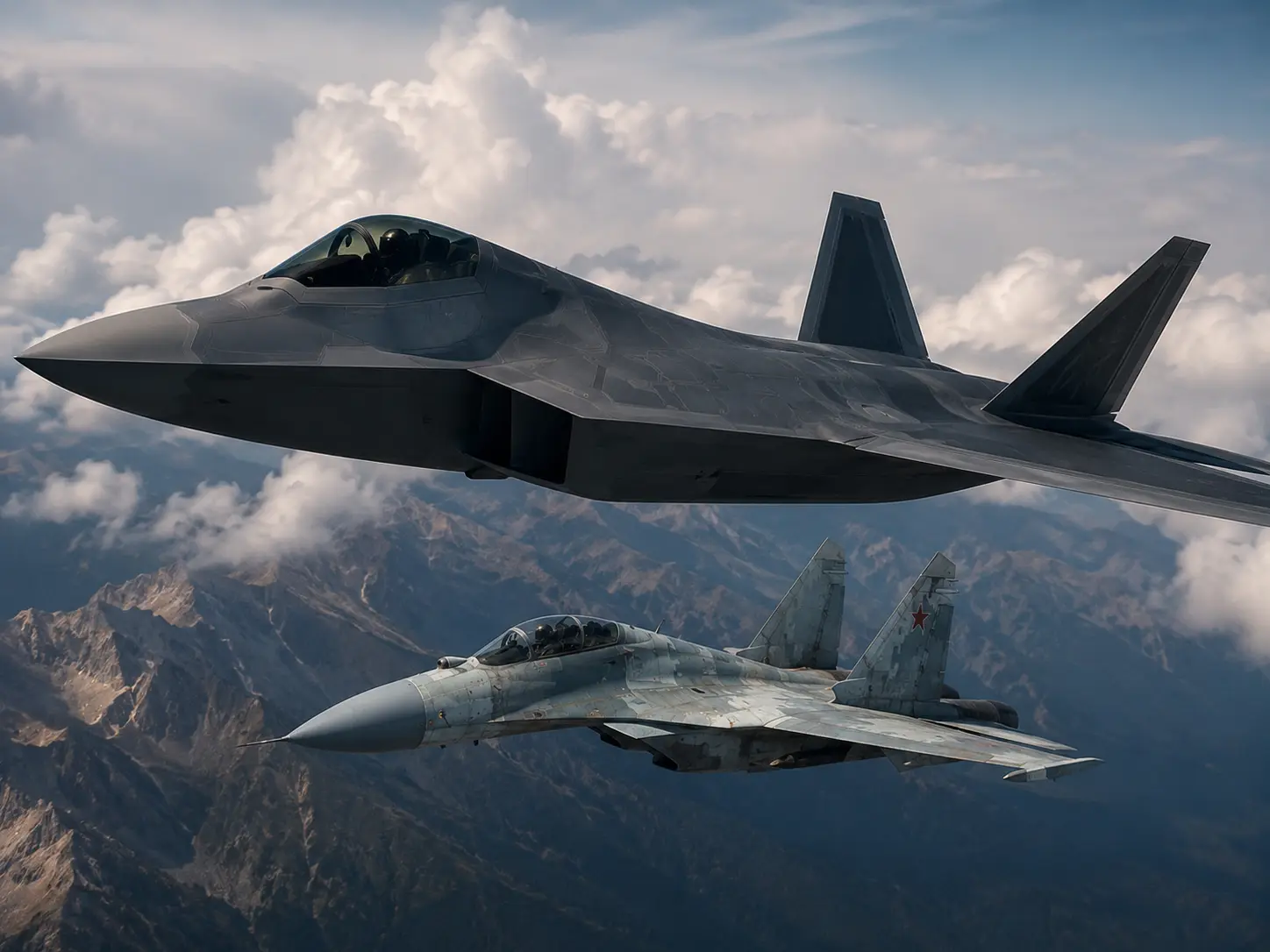
0.5 sq metre profile
The Russian Su-57 takes a different approach, leaving panel gaps, seams, and rivets clearly visible on its airframe. Russian engineers apply radar-absorbent materials only to key sections rather than the entire jet. This raises its radar profile but cuts down on manufacturing time and complexity
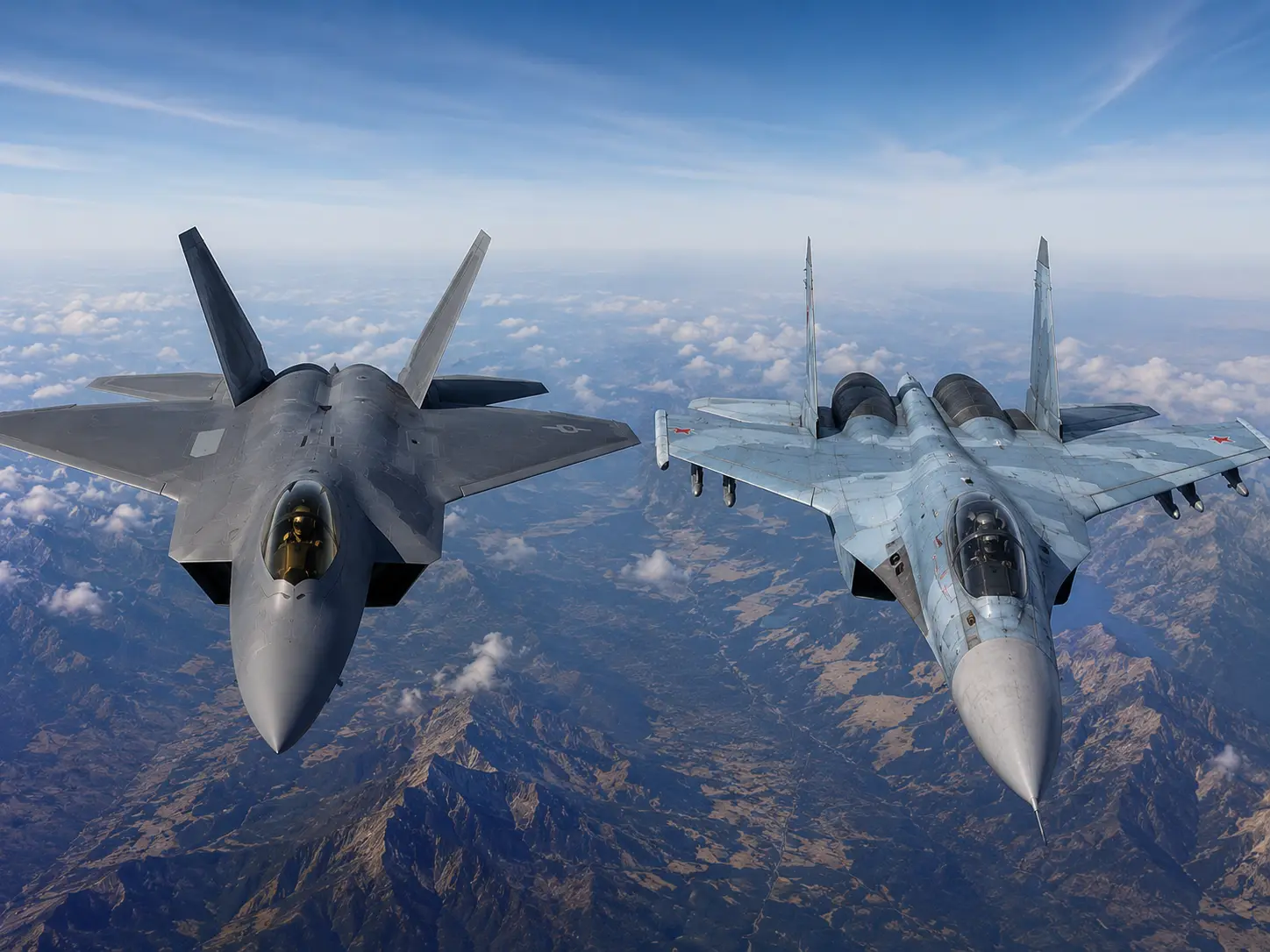
$30,000 per flight hour
While American stealth technology has evolved beyond the fragile, climate-controlled requirements of older jets, keeping the F-35's exterior perfectly seamless remains an immense task. The modern radar-absorbent material is baked directly into the skin to withstand harsh weather and open carrier decks, but repairing and maintaining this high-tech composite surface is highly complex. This intensive upkeep pushes the operational cost of an F-35 to roughly 30,000 dollars per flight hour.
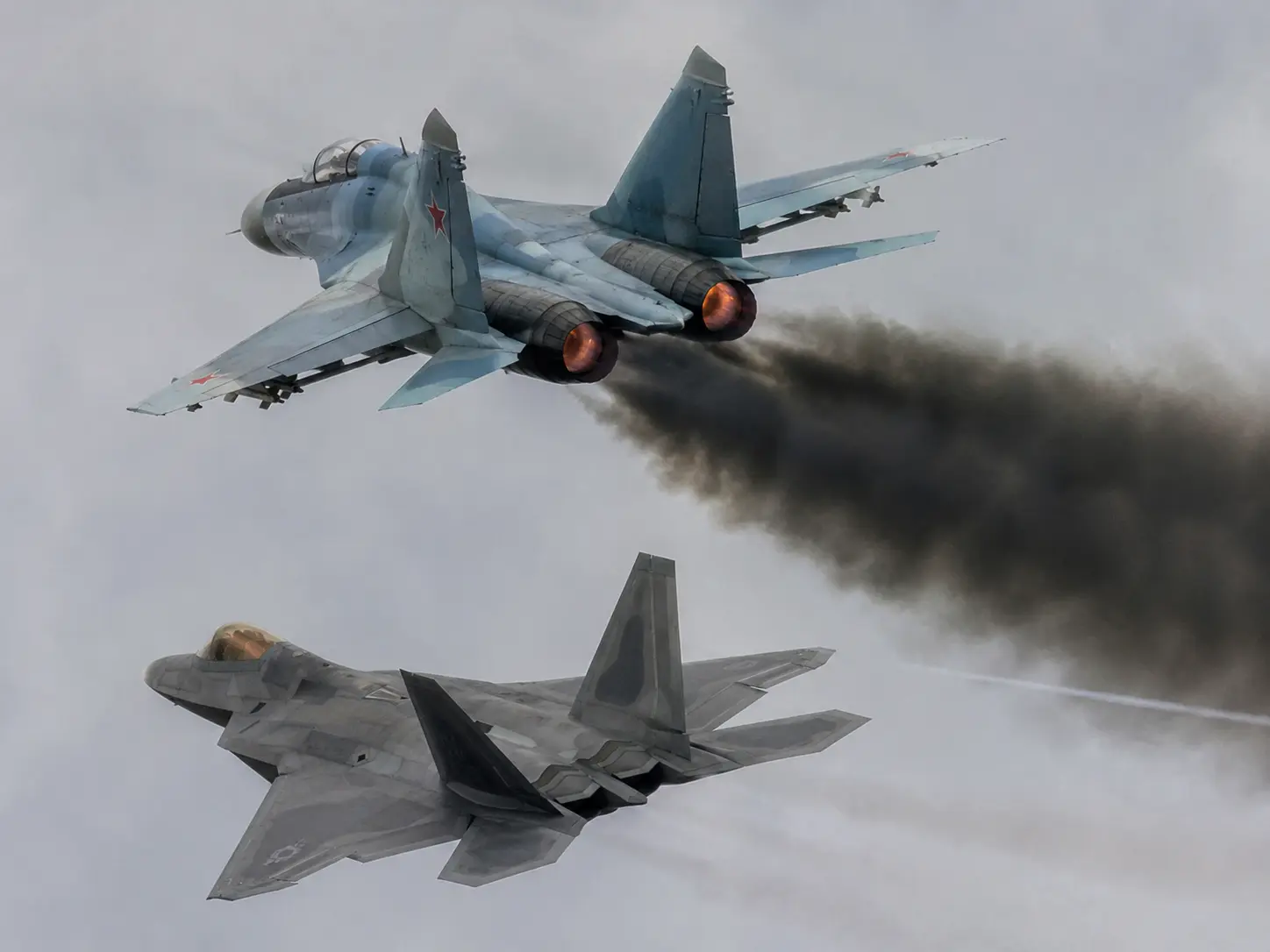
100 per cent ruggedness
Russian military strategy demands that fighter jets deploy from basic, rough airfields rather than pristine bases. A fragile stealth coating would quickly chip and fail in freezing Siberian conditions or on unpaved runways. Therefore, the Su-57 relies on tough composite materials that require minimal surface care.
Over 2,100 km/h speeds
The fundamental difference lies in air combat priorities. The US designs jets to remain unseen, destroying targets from long distances before ever being detected. Russia foregoes smooth stealth finishes to focus on raw aerodynamic power, allowing their jets to perform extreme manoeuvres at supersonic speeds.
)
)
)
)
)