Why US fighter jet missiles adapt faster in chaotic air battles

US missiles use AI, cognitive electronic warfare, and dual-mode seekers to adapt to chaotic combat. By leveraging miniature AESA radars and the military ‘kill web’, these USD 1 million weapons autonomously bypass radar jamming and flares.Untitled Summary
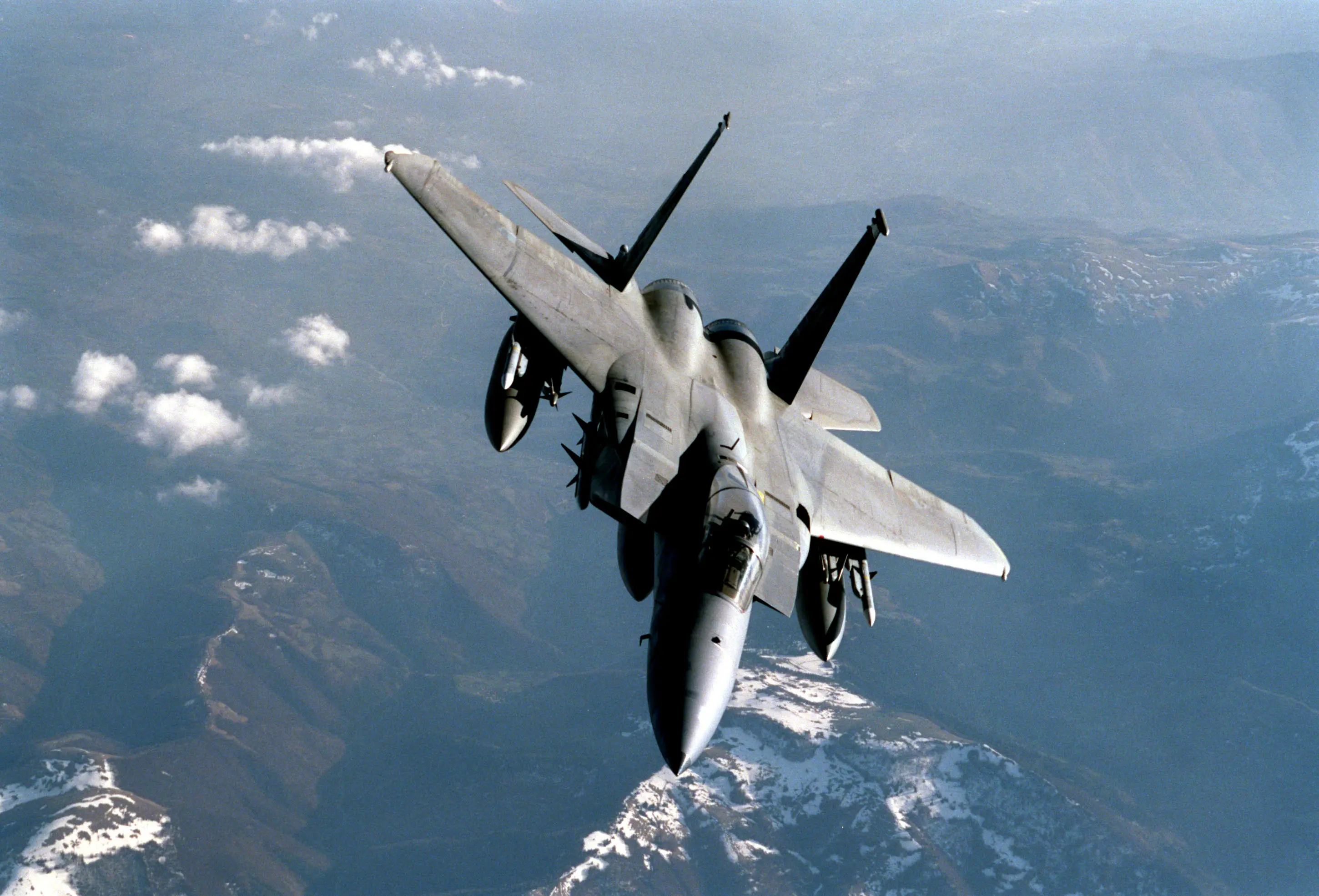
The Software-Defined Weapon
Modern American missiles like the USD 1 million AIM-120D are no longer rigid pieces of hardware. They operate as software-defined weapons, allowing combat computers to instantly rewrite their flight algorithms mid-air to match unpredictable enemy tactics.
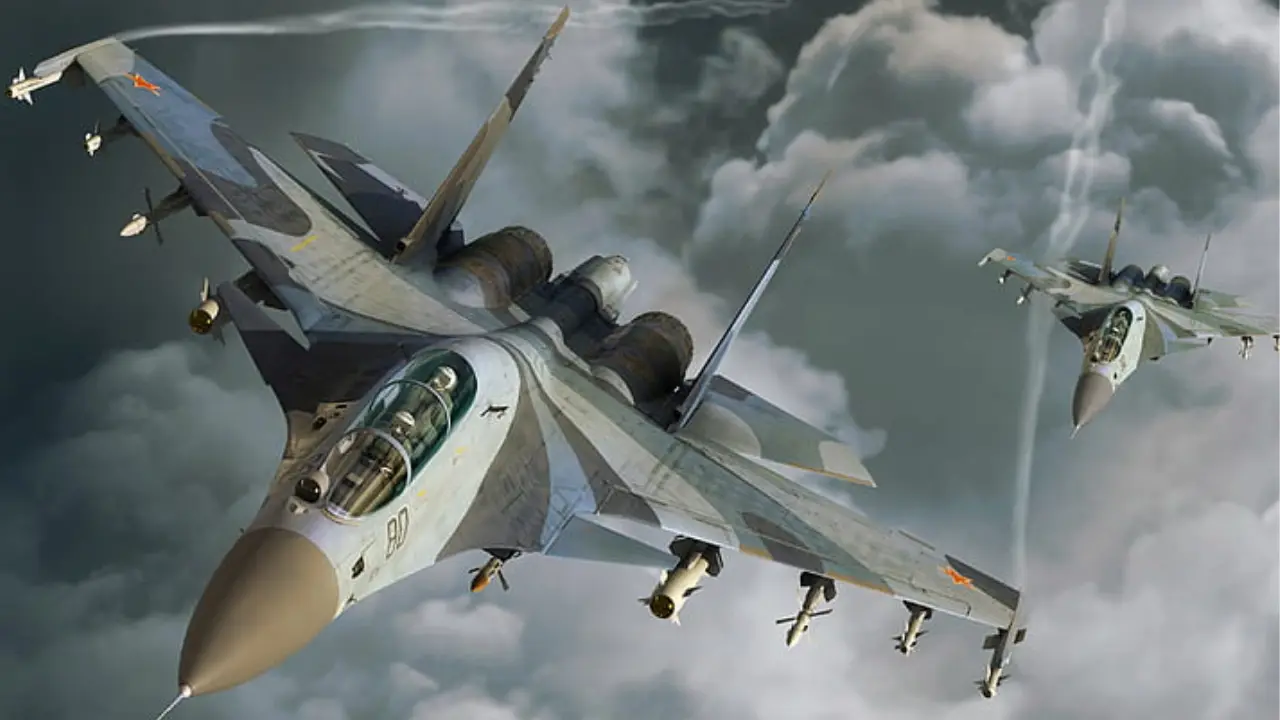
Cognitive Electronic Warfare
In a chaotic airspace, adversaries deploy massive electromagnetic jamming to blind incoming weapons. To counter this, US missiles utilise cognitive electronic warfare, using artificial intelligence to instantly analyse and bypass new jamming frequencies in milliseconds.
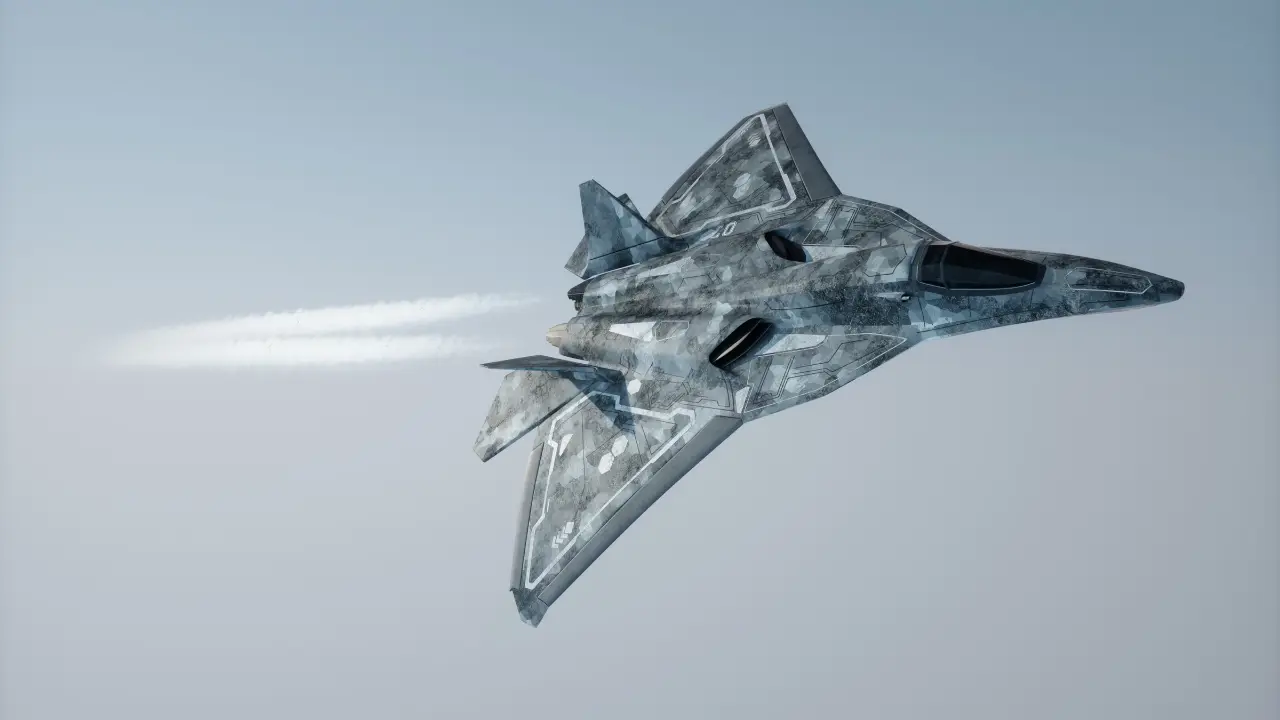
Dual-Mode Seekers
To ensure absolute lethality, advanced interceptors now feature dual-mode seekers combining active radar with infrared optics. If an enemy fighter successfully blocks the primary radar, the missile seamlessly transitions to heat-tracking without losing its target.
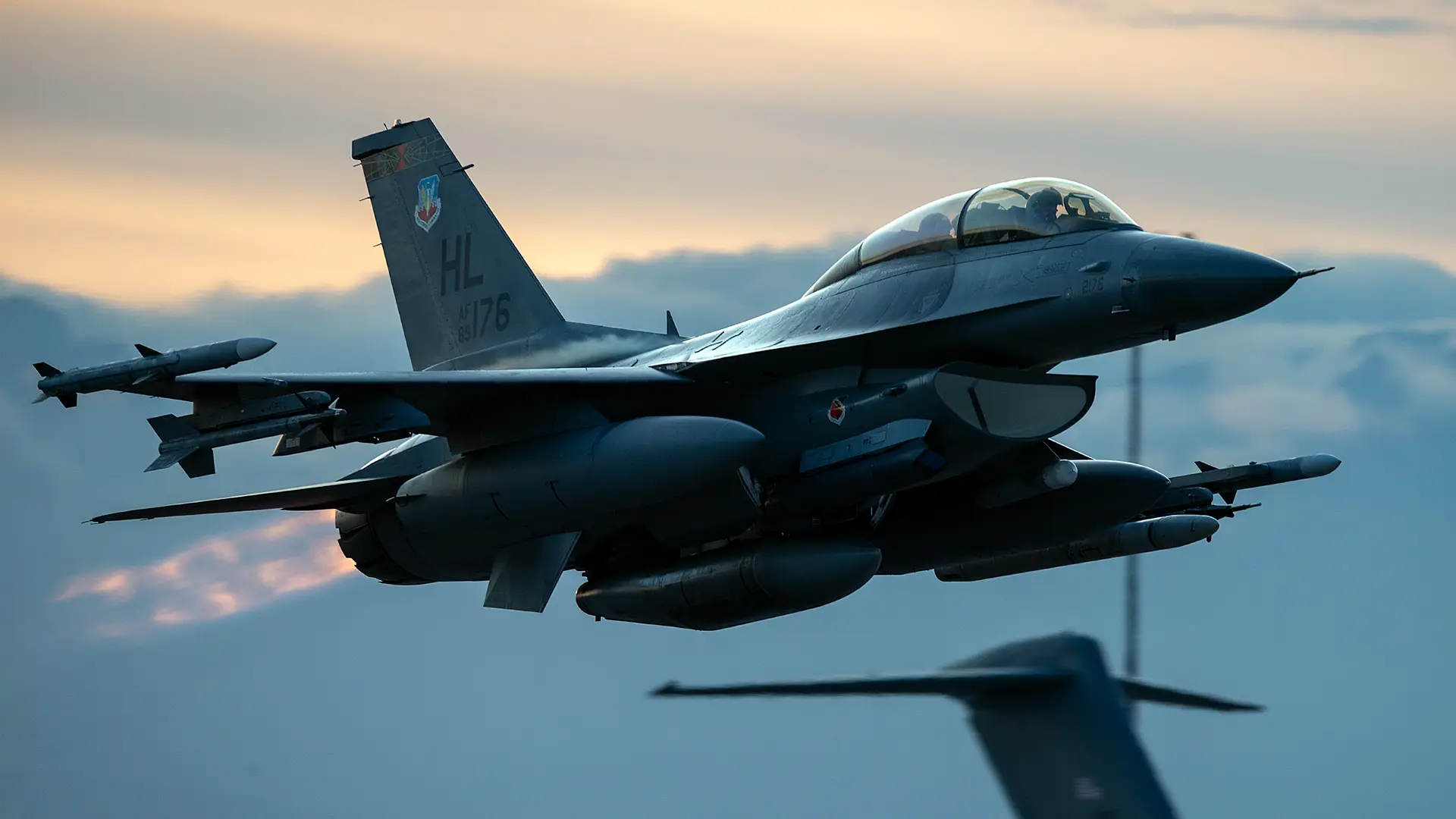
Miniature AESA Radars
Older missiles relied on mechanical radar dishes that physically moved to scan the sky, severely limiting their reaction speed. The latest US weapons pack miniaturised Active Electronically Scanned Array (AESA) radars, steering digital beams thousands of times a second to track erratic targets.
Autonomous Trajectory Prediction
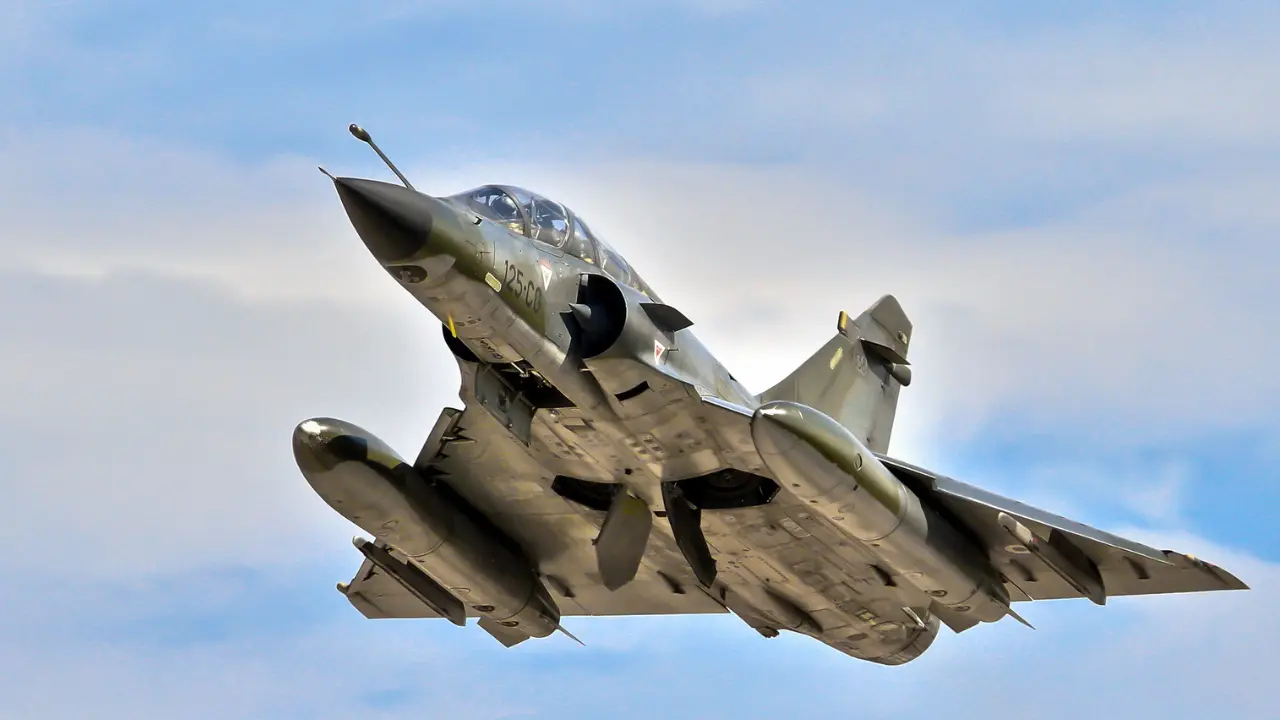
When an enemy pilot deploys flares or radar chaff, the intense clutter can temporarily break a missile's lock. However, modern US onboard processors autonomously calculate the target's speed and turn radius, predicting exactly where the jet will emerge from the debris.
The Dynamic 'Kill Web'
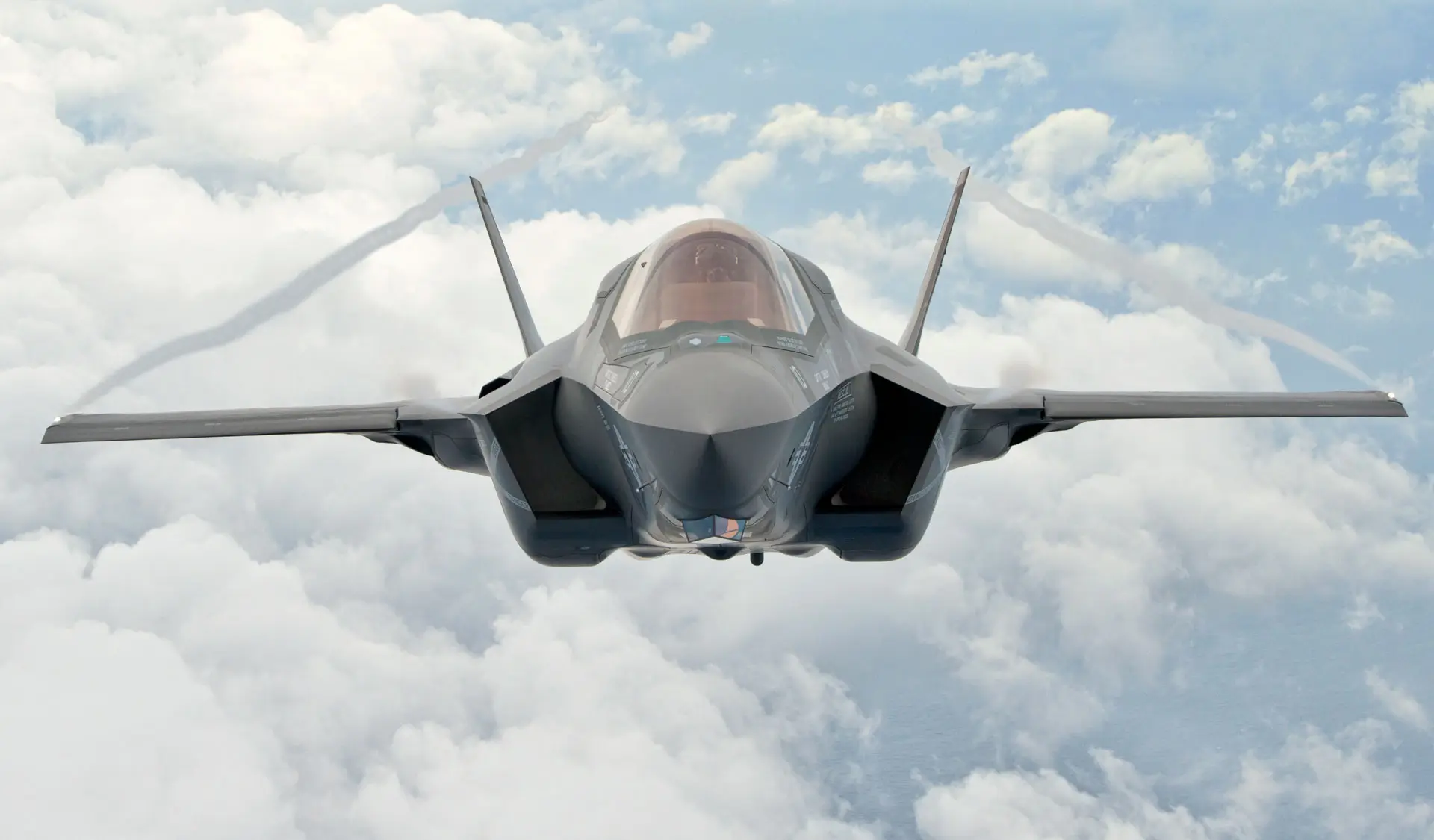
The Pentagon has officially transitioned from a rigid kill chain to a fluid ‘kill web’ network. If the firing F-35 loses sight of the enemy, the airborne missile instantly accepts terminal guidance commands from a nearby AWACS plane or naval destroyer.
Multi-Threat Prioritisation
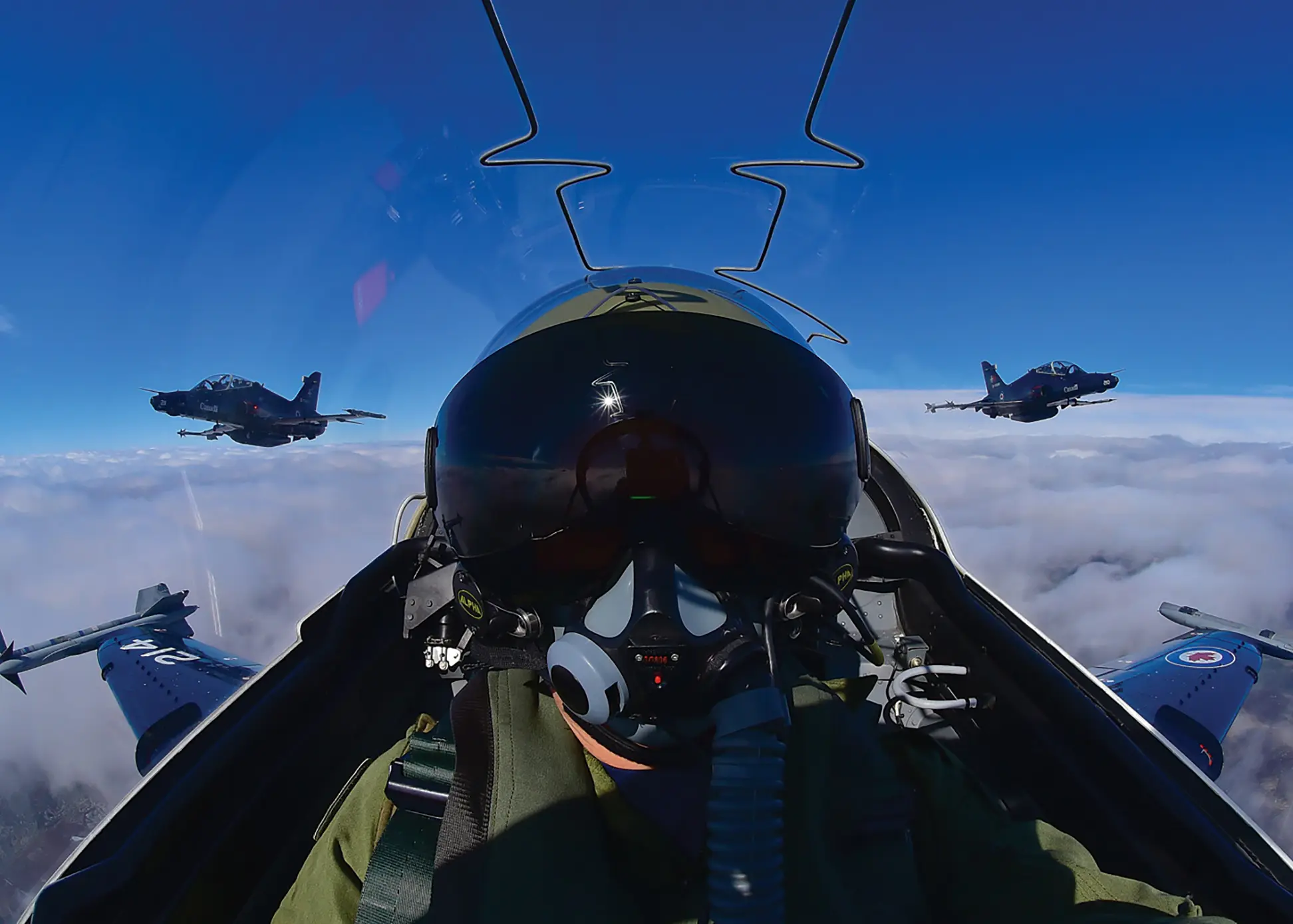
During a massive aerial dogfight, the sky is saturated with dozens of overlapping friend and foe signals. Advanced US missiles use high-speed sensor fusion to instantly filter this chaotic data, autonomously deciding which target poses the highest immediate threat.
)
)
)
)
)