Why upsetting a crow could haunt you for decades, the science of bird revenge

Far from fleeting irritation, a single offence may turn into a lifelong feud that extends beyond the individual bird to its entire community.
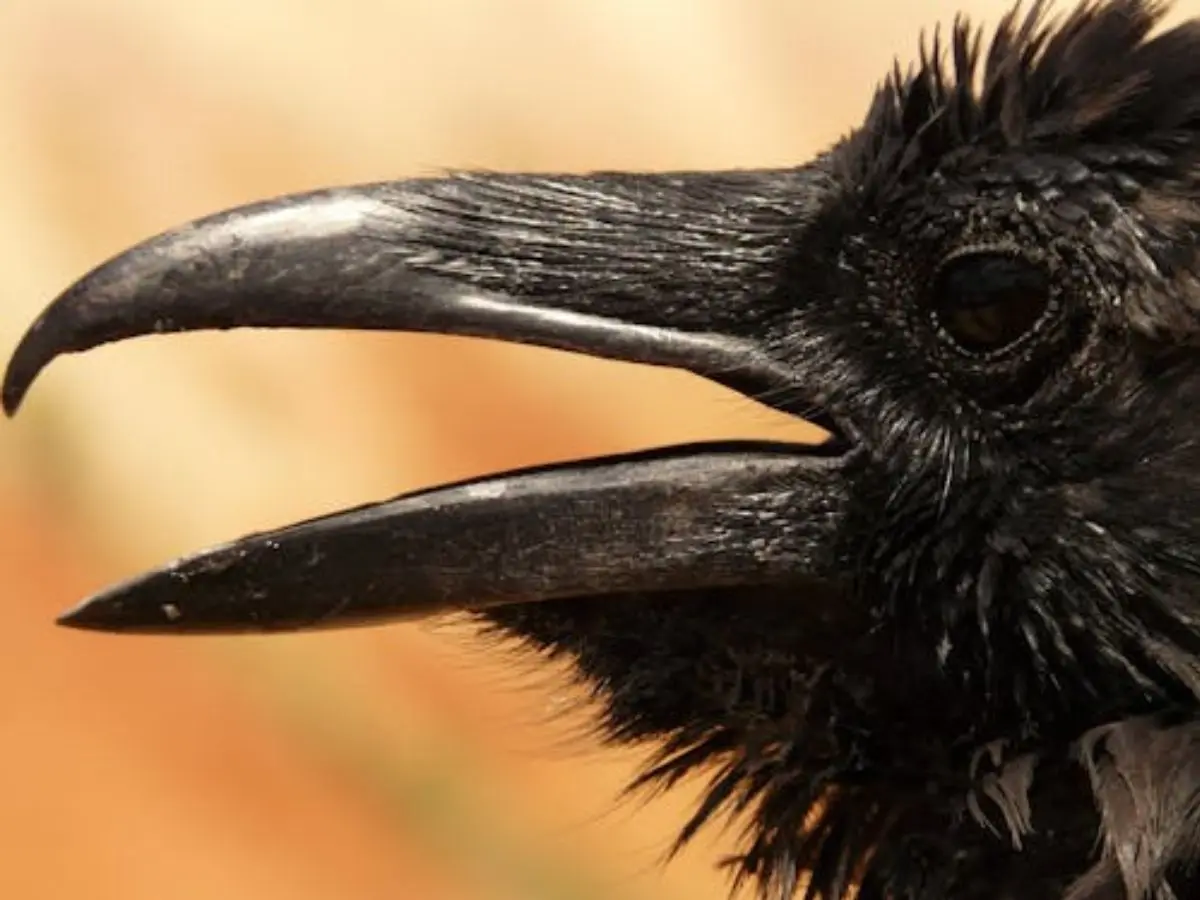
The grudge-holding bird
It might seem harmless to wave away a crow, but science suggests doing so could bring years of noisy revenge. Researchers have confirmed that crows can recognise human faces, remember perceived threats for up to 17 years, and even pass this knowledge on to younger generations. Far from fleeting irritation, a single offence may turn into a lifelong feud that extends beyond the individual bird to its entire community.
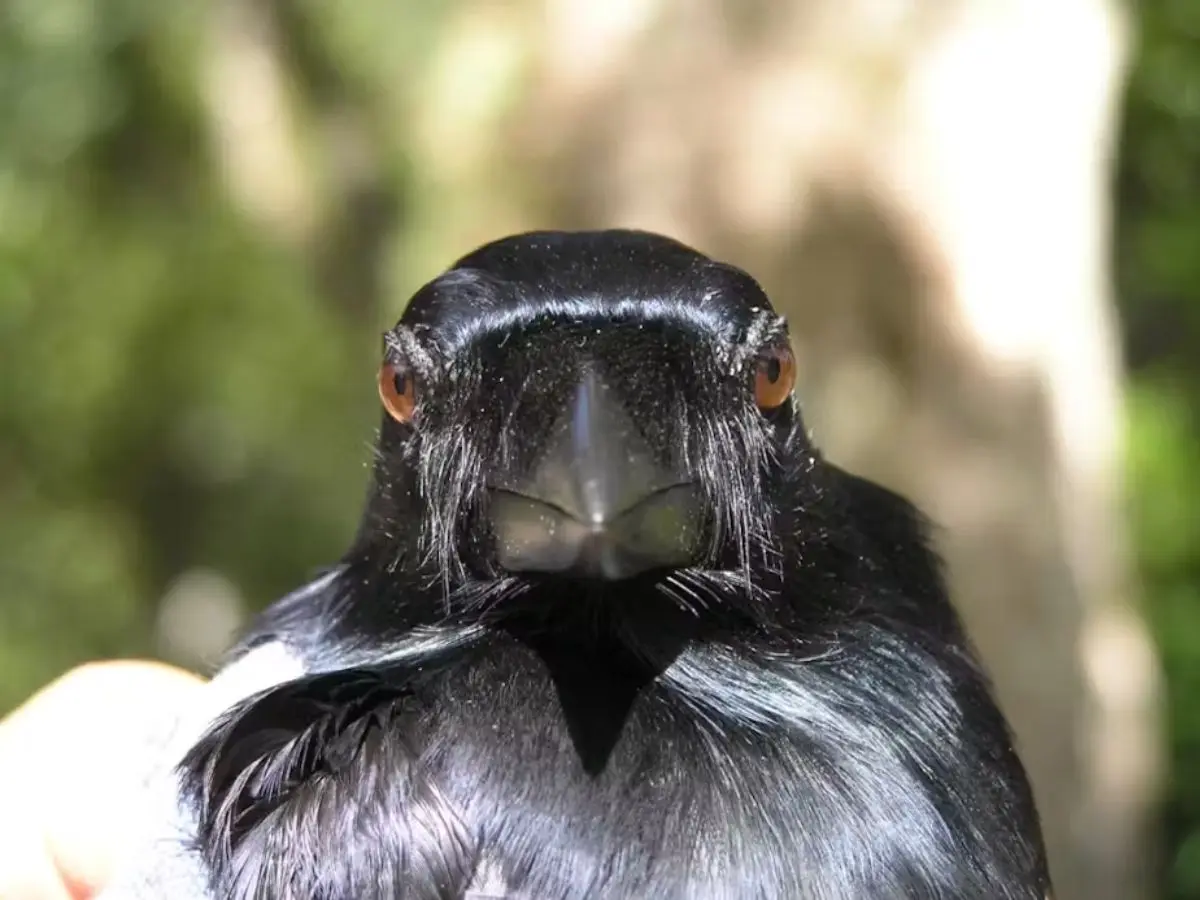
A decades-long experiment
The breakthrough came from an unusual study launched at the University of Washington in 2005. Wildlife biologist Dr John Marzluff and his team tested whether crows could distinguish faces and recall threats. To do so, some researchers wore a distinctive rubber caveman mask while trapping and banding the birds, effectively branding that face as 'dangerous'. Others wore neutral masks, which drew no reaction. The results were immediate and startling: crows shrieked, swooped, and dived at the caveman mask wearers, following them across campus and warning other crows. Neutral mask wearers were ignored.
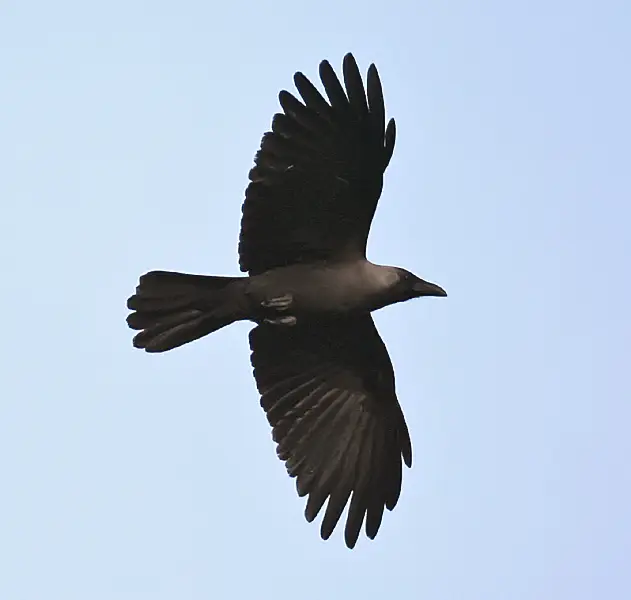
A memory that outlives generations
The study ran for nearly two decades, and the hostility never faded. Remarkably, younger crows that had never encountered the masked researchers joined in the mobbing. This demonstrated that knowledge was socially transmitted across generations, creating a communal memory that persists long after the original encounter. Crows, members of the genus Corvus, are already known for their problem-solving skills, tool use, and complex social bonds. But this long-term memory and transfer of information set them apart from most other bird species.
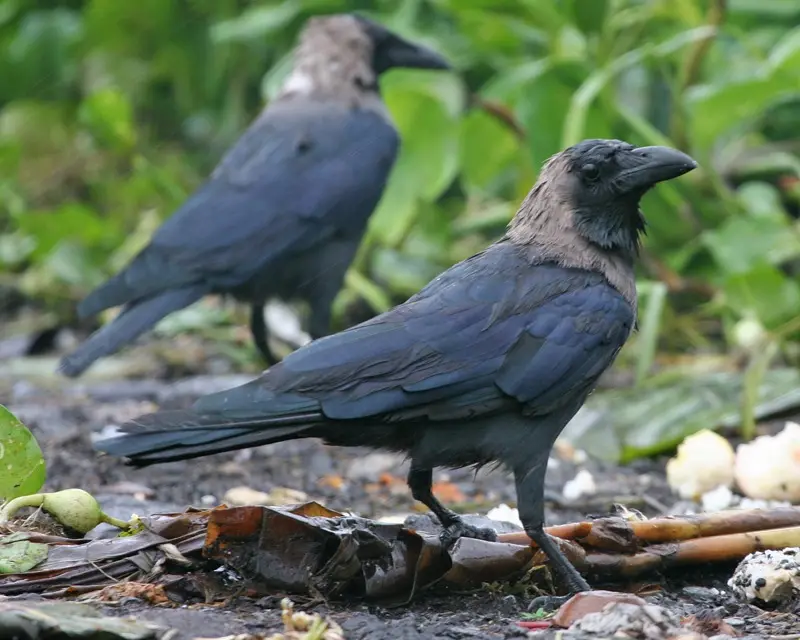
Science reveals the biology of grudge
Follow-up work in 2012, also at the University of Washington, confirmed the neurological basis of this behaviour. When crows were shown the “dangerous” mask, brain scans revealed activity in their amygdala, the same brain region in humans that processes fear and threat. This indicates that their response is not simply learned behaviour but rooted in emotional processing comparable to our own. Few other species demonstrate this blend of memory, emotion, and social learning so clearly.
Other birds with similar behaviour
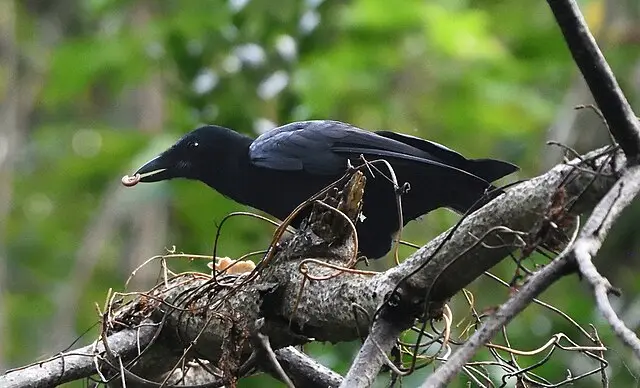
While crows are the best-documented example, other birds such as magpies, mockingbirds, gulls, and geese also engage in ‘mobbing’, squawking, diving, and harassing threats. However, crows’ strong family bonds, extended nesting periods, and communal intelligence make their behaviour particularly enduring and formidable. Their ‘funeral-like’ gatherings around dead companions and vocal communication networks reinforce the idea of a bird society capable of passing along shared warnings.
What it means for humans
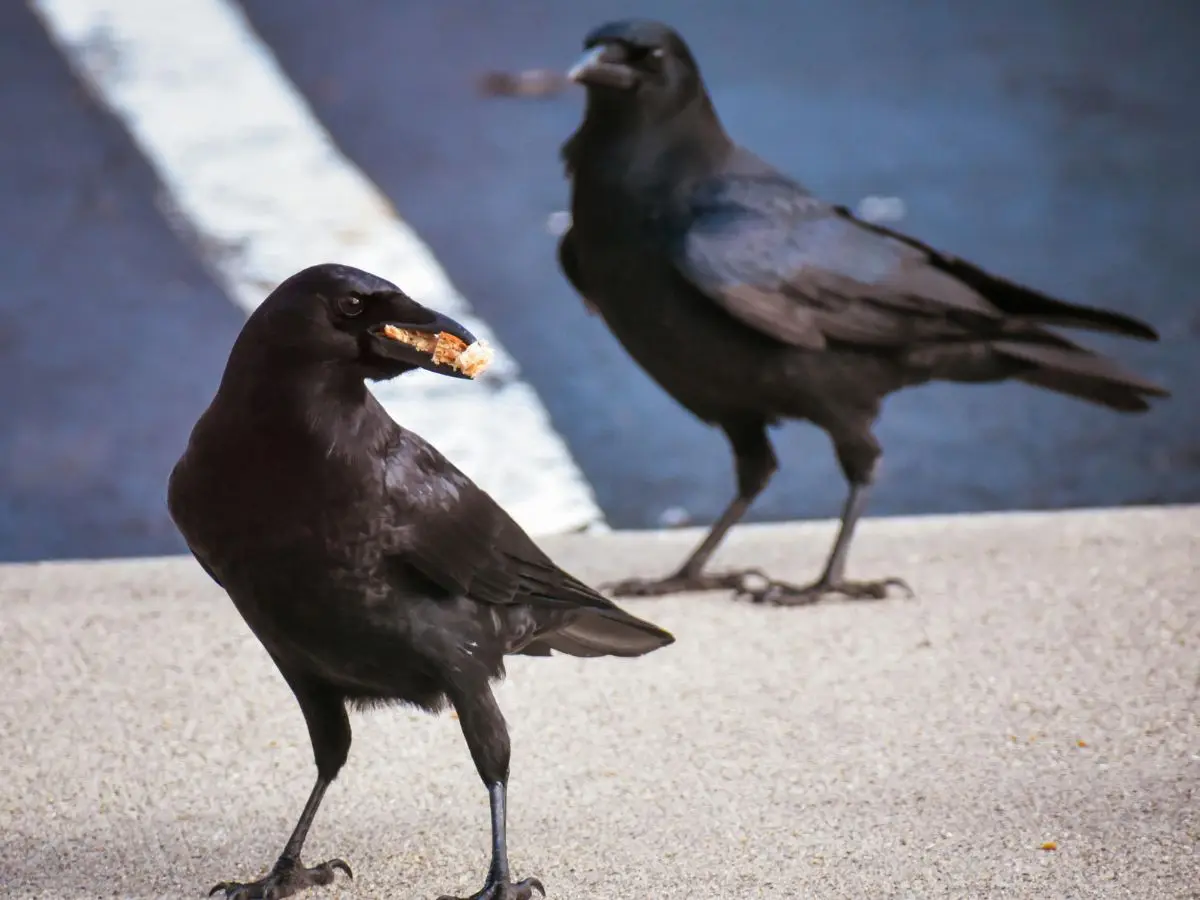
The consequences for people are real. Offend one crow and you may attract years of harassment, from dive-bombing to angry squawks, sometimes from birds that never even met you during the original incident. Scientists stress that the best approach is simple respect: avoid aggressive behaviour and steer clear if a crow shows hostility. Otherwise, you may find yourself remembered, and disliked, by an entire community of sharp-eyed, sharp-minded birds for much of your lifetime.
)
)
)
)
)