Why upgrading the F-22's ageing electronics costs millions

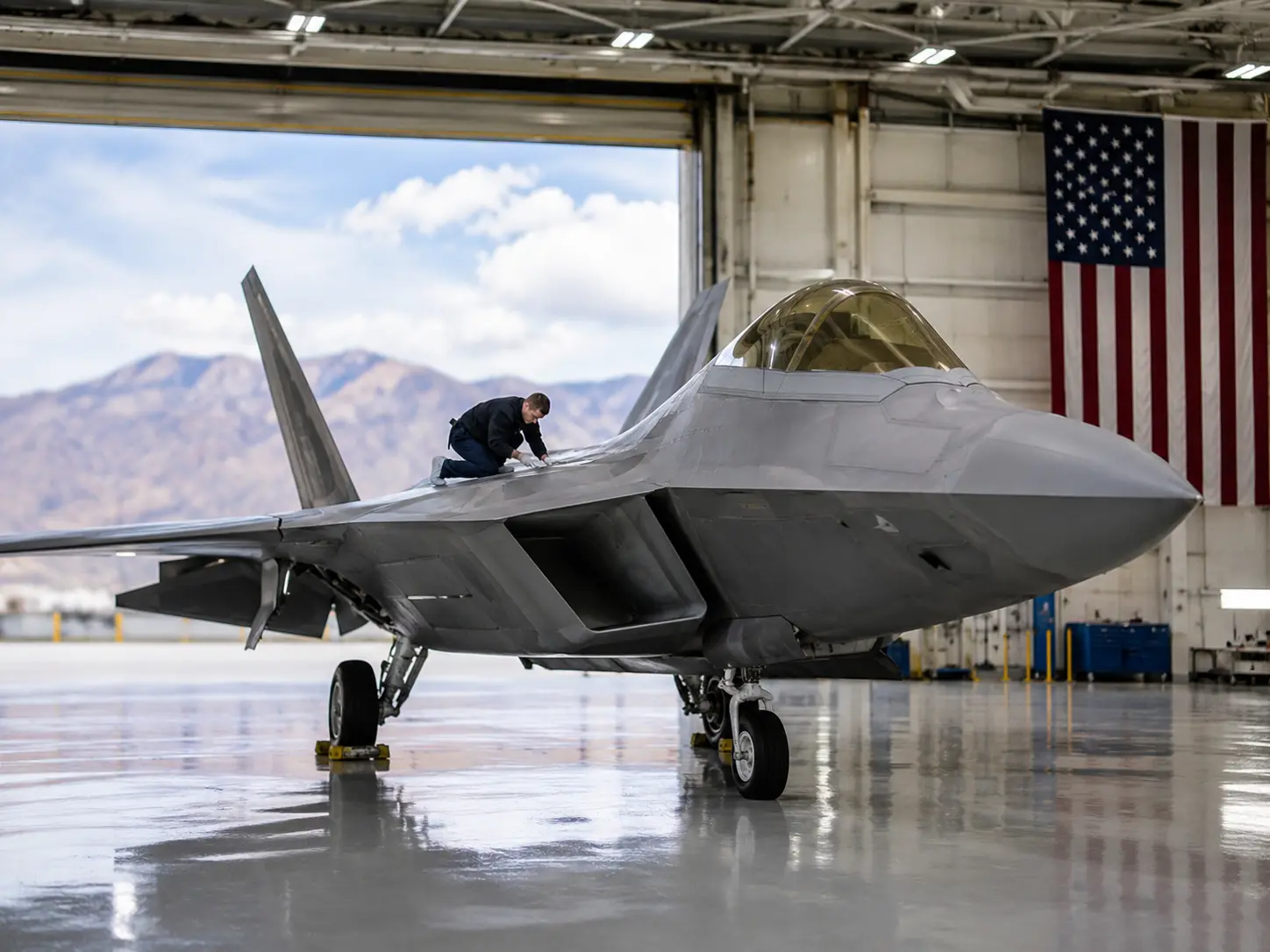
The US Air Force is spending $10.9 billion (Rs 91,000 crore) to upgrade 154 F-22 jets. This modernisation adds infrared sensors, modern cryptography, and stealthy fuel tanks to extend its combat lifespan.
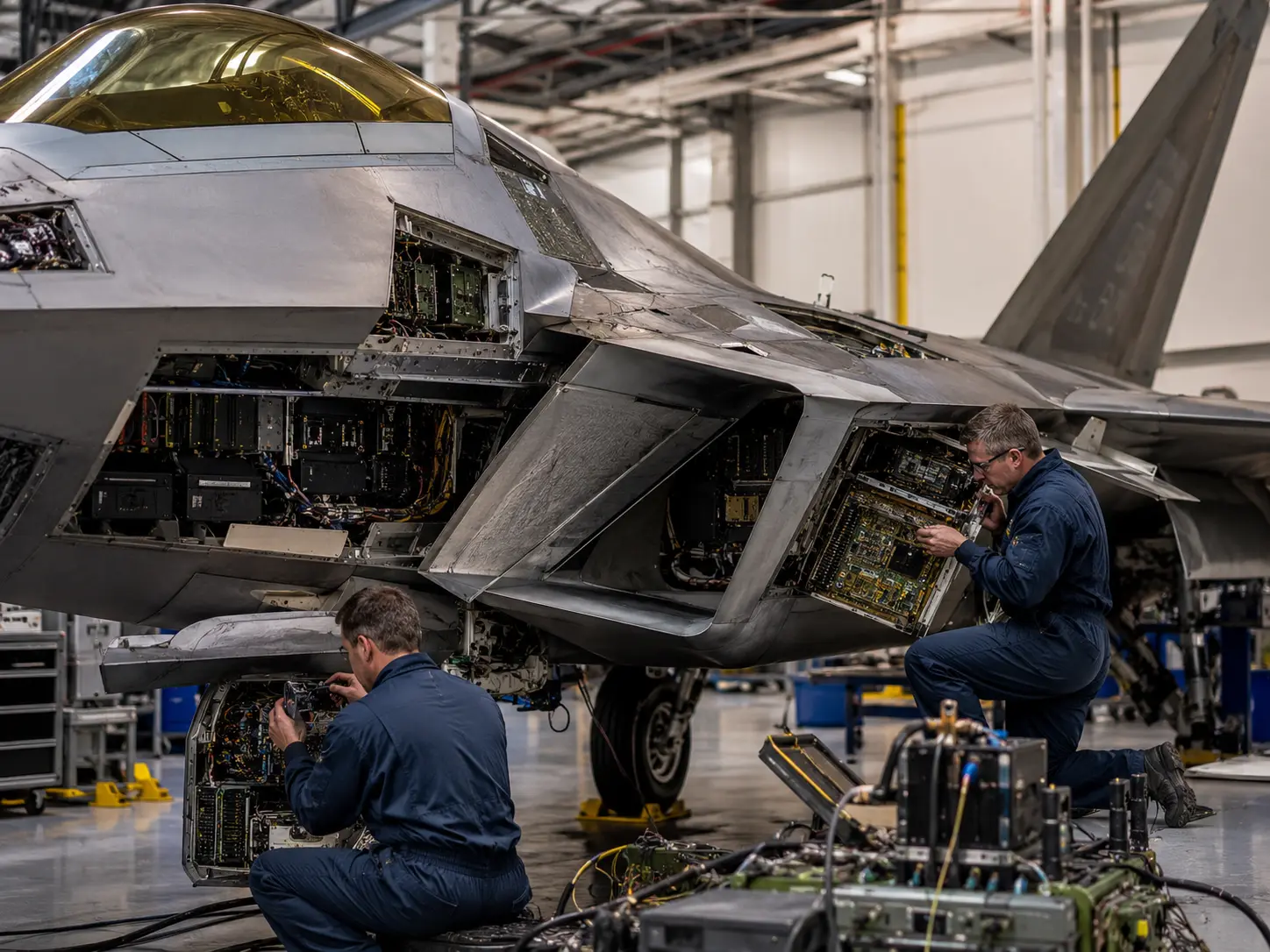
Rs 91,000 Crore Contract
In 2021, the United States Air Force awarded a $10.9 billion (Rs 91,000 crore) contract for the Advanced Raptor Enhancement and Sustainment programme. This decade-long initiative aims to modernise the fifth-generation stealth fighter jet. The funding covers critical hardware kits and logistics services until 2031.
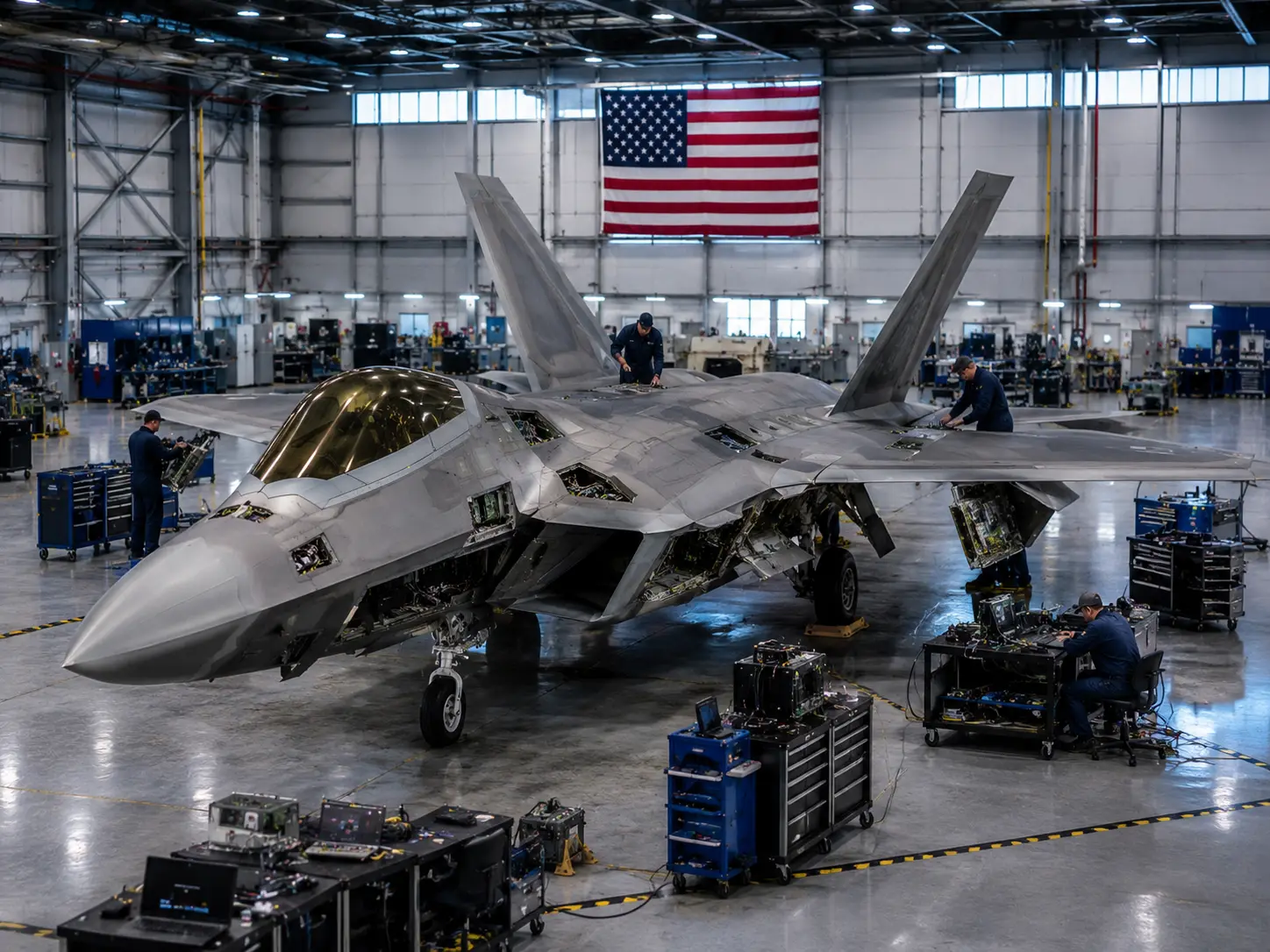
Upgrading 154 Stealth Jets
The military plans to modernise 154 F-22 Raptor airframes by integrating open-architecture electronic systems and new cryptography. This ensures the aircraft can securely communicate and share combat data across modern networks using Link 16 technology. It upgrades the jet from its original enclosed network design.
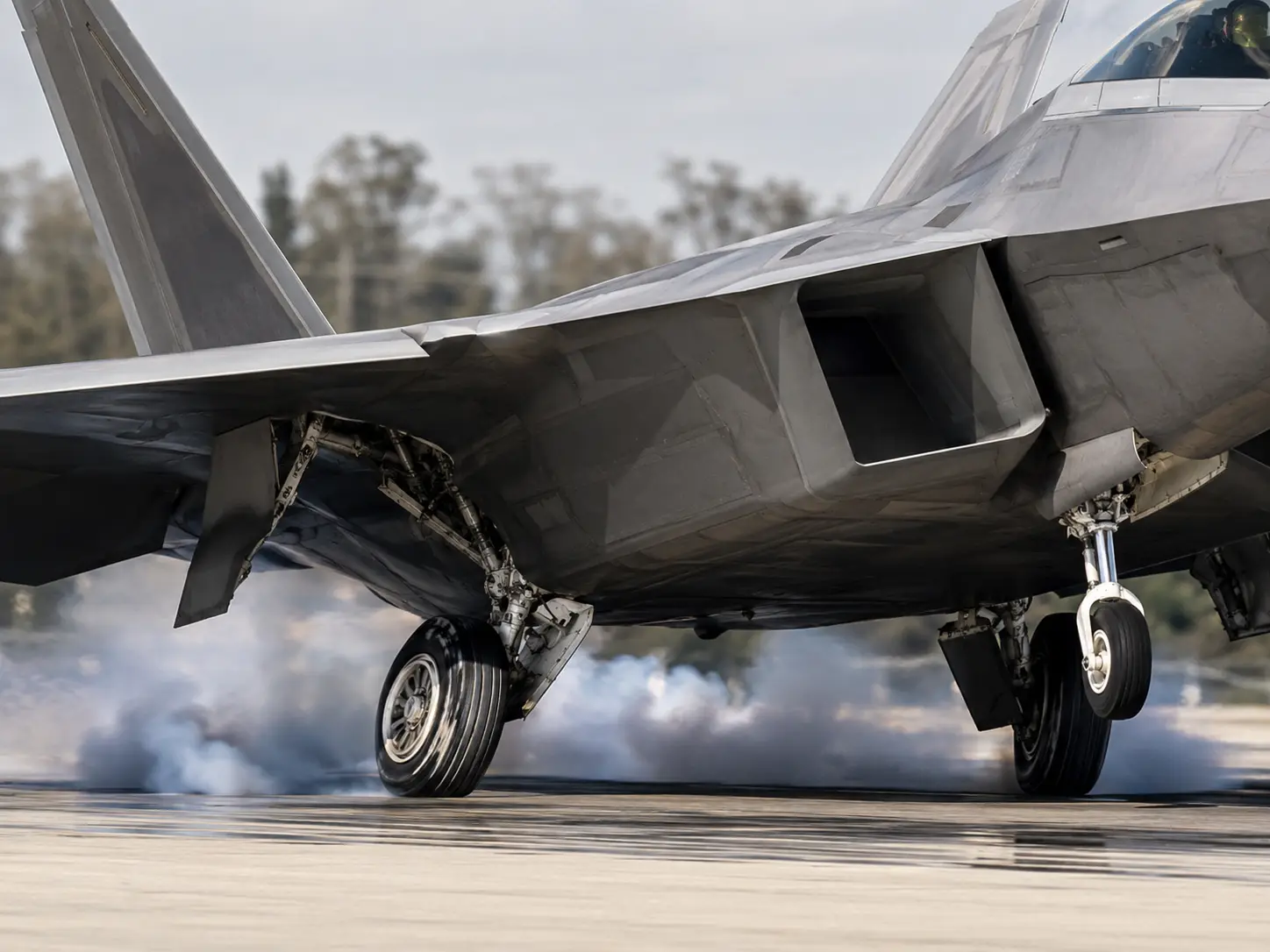
Rs 65,000 Crore Upgrades
Before 2030, the military is investing $7.8 billion (Rs 65,000 crore) specifically for new stealth technologies and research. This substantial funding procures advanced radar electronic protection and a modernised identification friend-or-foe system. These enhancements keep the ageing aircraft viable against modern threats.
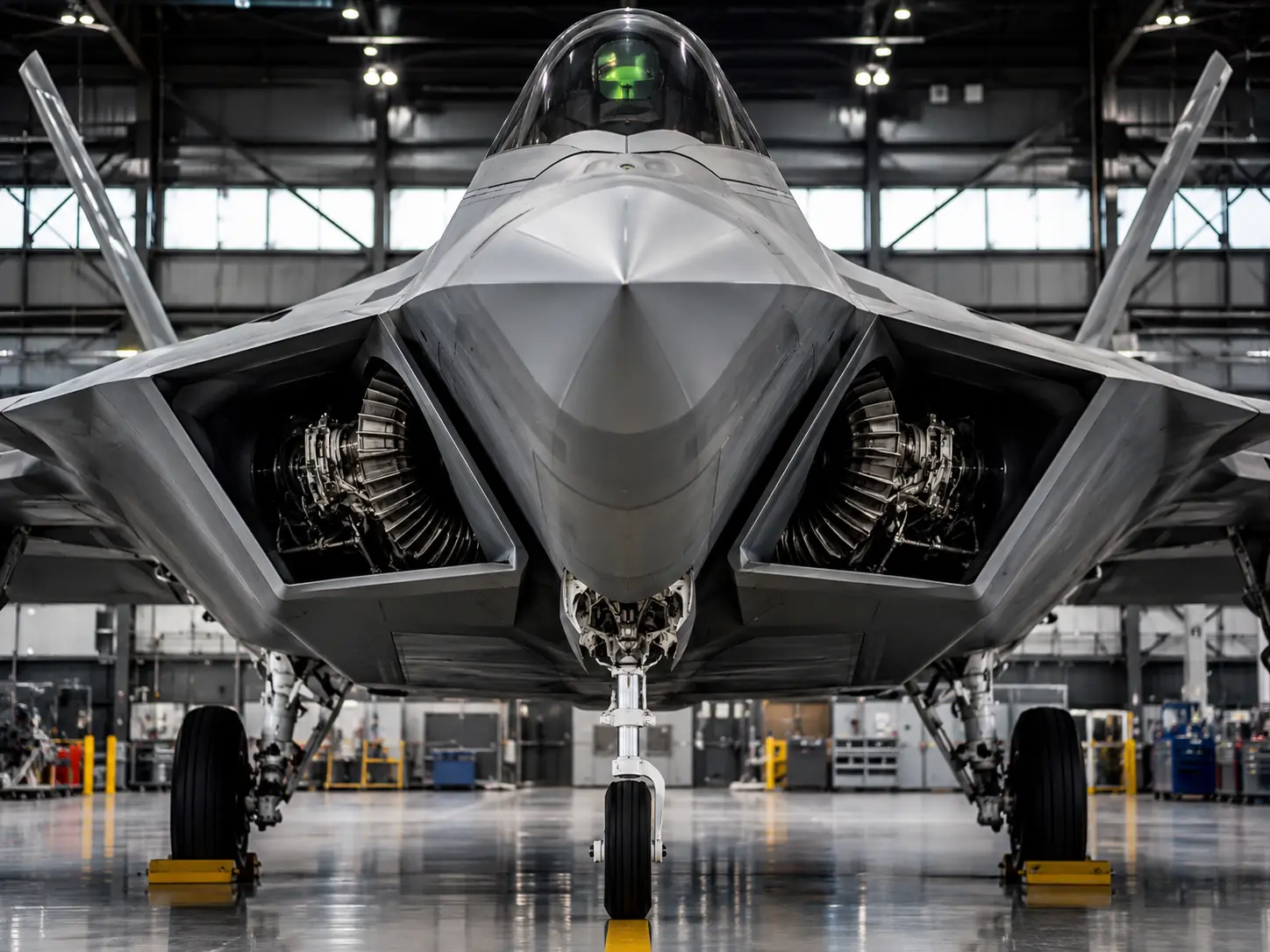
Rs 8,300 Crore Sensors
In August 2024, the Air Force awarded a $1 billion (Rs 8,300 crore) contract for brand new stealthy infrared search and track pods. These external electronic sensors greatly improve the Raptor's ability to detect enemy targets. They allow tracking without emitting radar waves that could reveal the jet's location.
850 Nautical Mile Range
Engineers are developing stealthy, low-drag external fuel tanks to increase the combat radius to 850 nautical miles. These additions act as a vital bridge until next-generation fighter platforms arrive in the 2030s. This specifically enhances the jet's effectiveness for long-range patrols in the Pacific region.
)
)
)
)
)