'45 arrested so far': Why is UAE taking action against people recording and sharing videos of Iran’s attacks?

On Saturday, Abu Dhabi Police said they had arrested 45 people of various nationalities for ‘filming different locations during ongoing events and posting them on social media platforms’.
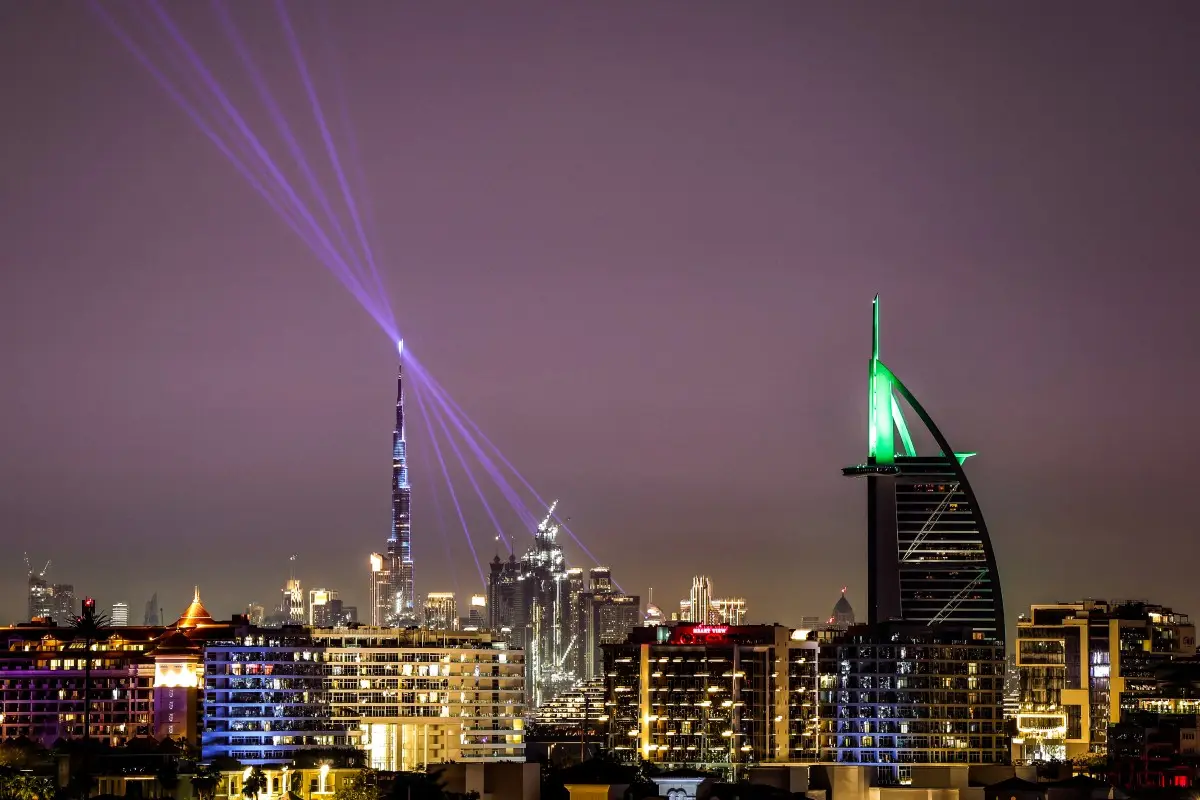
Arrests bring the UAE’s warning into sharp focus
The UAE’s crackdown has moved beyond warnings. On Saturday, Abu Dhabi Police said they had arrested 45 people of various nationalities for 'filming different locations during ongoing events and posting them on social media platforms', reported AFP. Police added that they were also accused of 'spreading inaccurate and misleading information, which could incite public opinion and spread rumours within the community'. That development places the issue in a wider national frame: the UAE is not presenting this as a ban on journalism or all recording, but as action against the filming and circulation of sensitive or unverified material during a live security crisis.
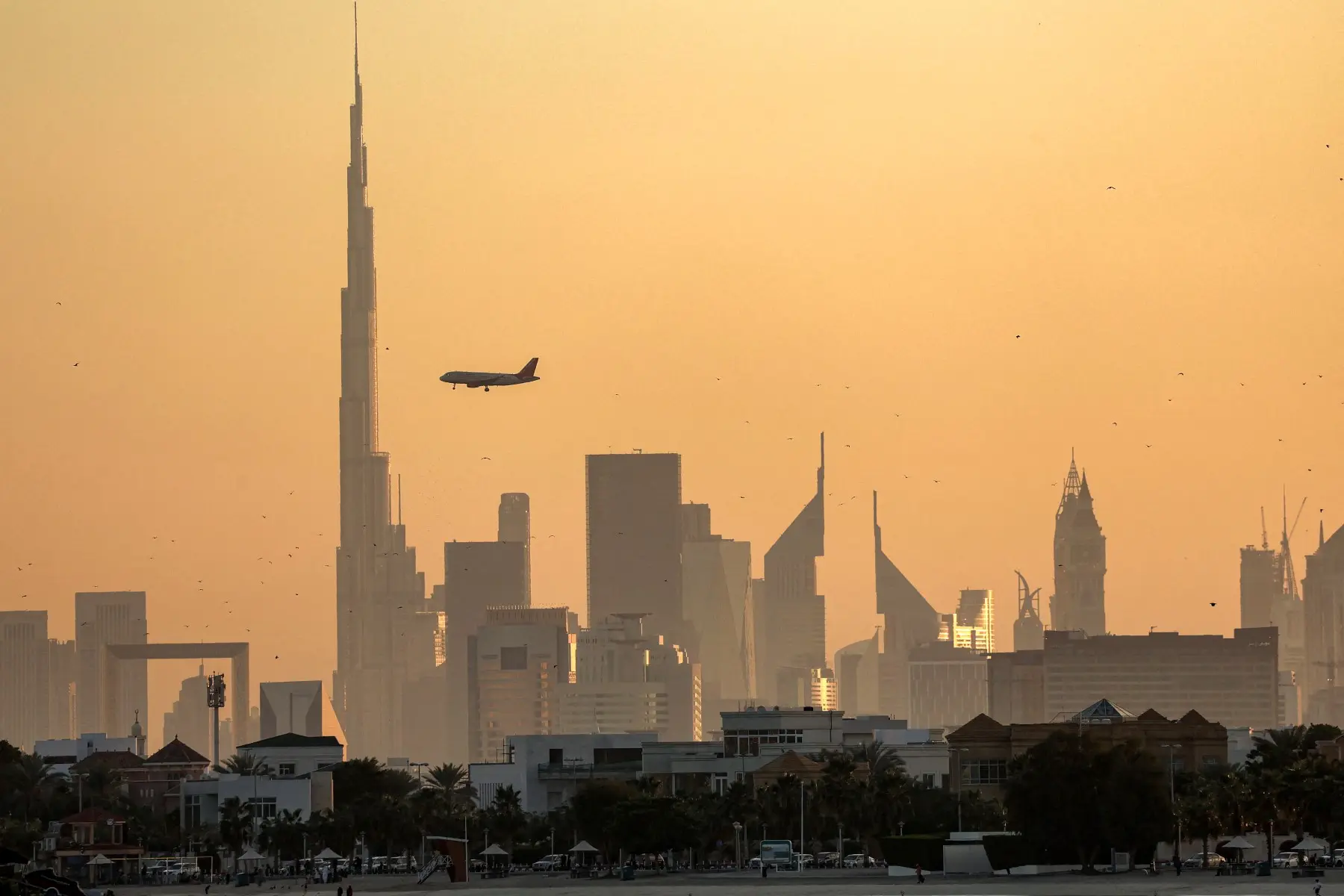
What triggered the legal warning
The formal warning came in the first week of March, when UAE Attorney-General Dr Hamad Saif Al Shamsi cautioned against photographing, publishing or circulating images of incident sites or damage caused by projectiles or shrapnel. According to Emirates News Agency (WAM), he said such material or inaccurate information could 'incite public panic' and 'create a false impression of the country’s actual situation'.
British tourist detained in Dubai
Earlier, on Monday, a British man was arrested in Dubai, local time, under the same UAE law. Confirming the detention, the UK Foreign Office told CNN: “We are in contact with the local authorities following the detention of a British man in the UAE.”
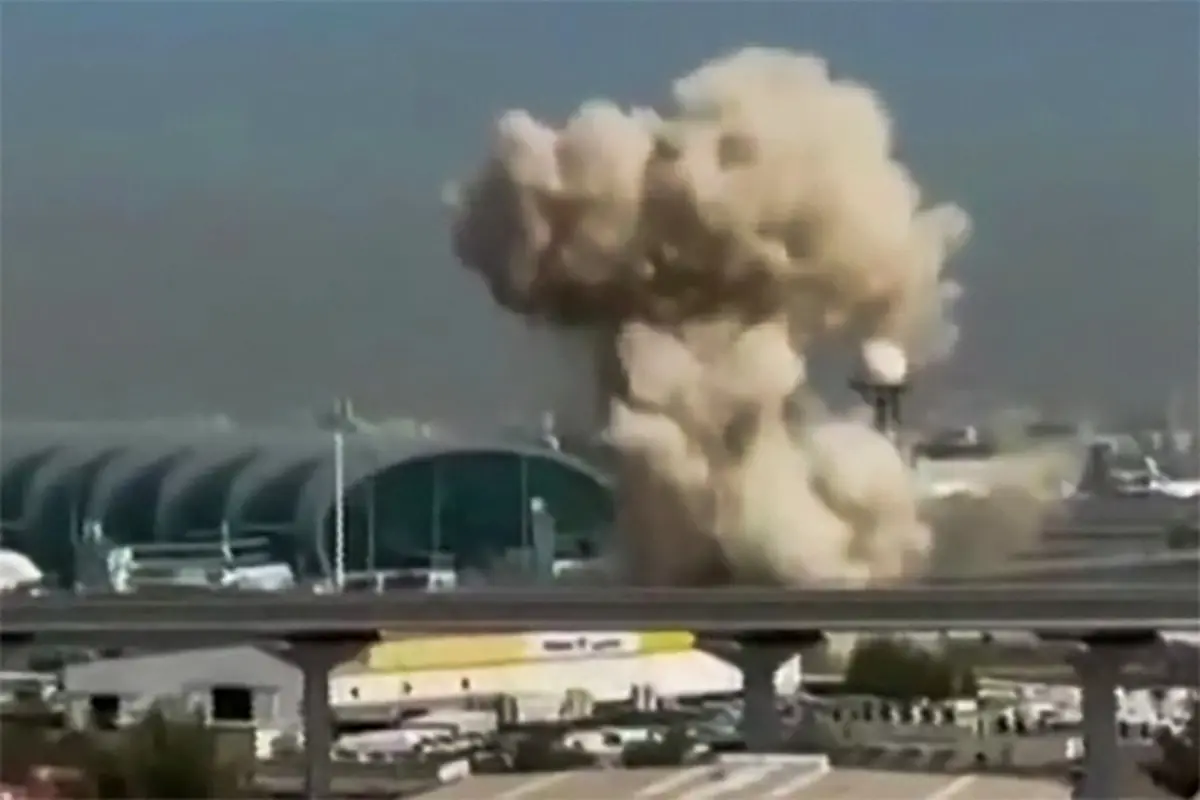
What officials say the real concern is
Al Shamsi said state institutions were carrying out their duties 'with high efficiency to ensure community security' and that 'daily life continues normally' while developments are managed. He added that such incidents are being handled within 'established security and defence frameworks', and warned that publishing footage from these sites could 'undermine the response and mitigation efforts of relevant authorities'.
The law being used
The penalty for anyone who breaches cybercrime laws, publishes or republishes false news, misleading reports, or rumours online that contradict officially announced information is at least one year in prison and a fine of no less than AED 100,000. In more serious cases, including those that incite public panic or harm public security during crises, provoking public opinion against any of the UAE's authorities, penalties can rise to a minimum of two years’ imprisonment and fines of at least AED 200,000 (around $54,000).
False clips and manipulated footage also matter
Officials also say filming incident locations can reveal sensitive security information, such as where projectiles landed or which facilities were affected. Governments around the world often restrict publication of such material during conflicts because it can expose vulnerabilities or aid hostile actors Several fabricated videos, including AI-generated or digitally altered clips falsely claiming missile strikes or damage.
Economy heavily depends on global reputation
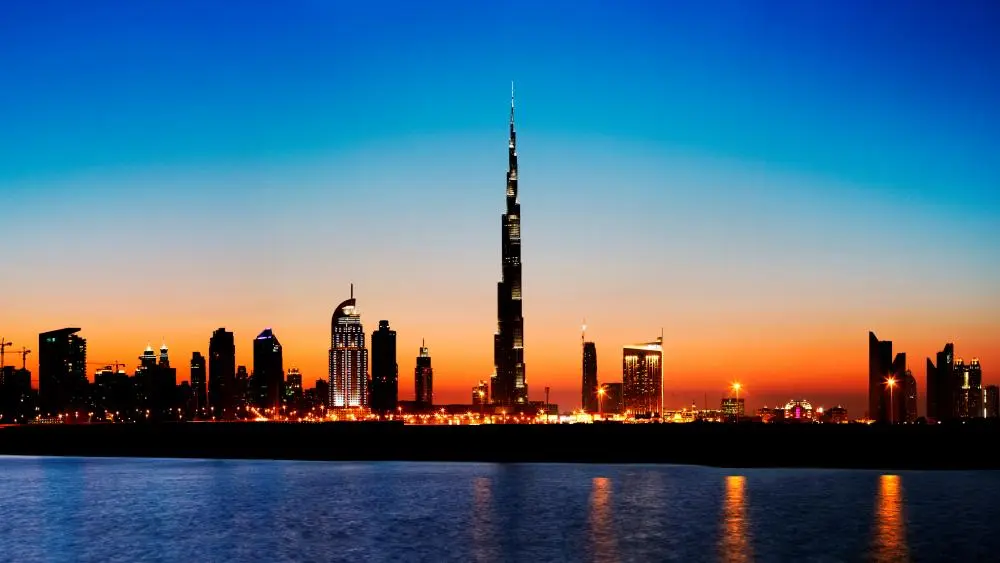
The UAE’s economic model relies strongly on its image as a stable, safe global business hub. According to the UAE Ministry of Economy, sectors such as tourism, finance, aviation, logistics and real estate form a large part of the country’s non-oil GDP. Cities like Dubai and Abu Dhabi host global financial centres such as the Dubai International Financial Centre (DIFC) and attract multinational companies and investors. Any widespread perception of instability or security threats can directly affect tourism, investment and international business activity.

The line the UAE is drawing
The UAE has built one of the region’s most comprehensive cybercrime and digital media regulatory frameworks. Tourism is one of the UAE’s most important economic pillars. Official data from Dubai’s Department of Economy and Tourism show the emirate received over 17 million international visitors in 2023, placing it among the world’s most visited cities.
)
)
)
)
)