Why Tyler Robinson is pushing to block TV coverage of Charlie Kirk's murder case

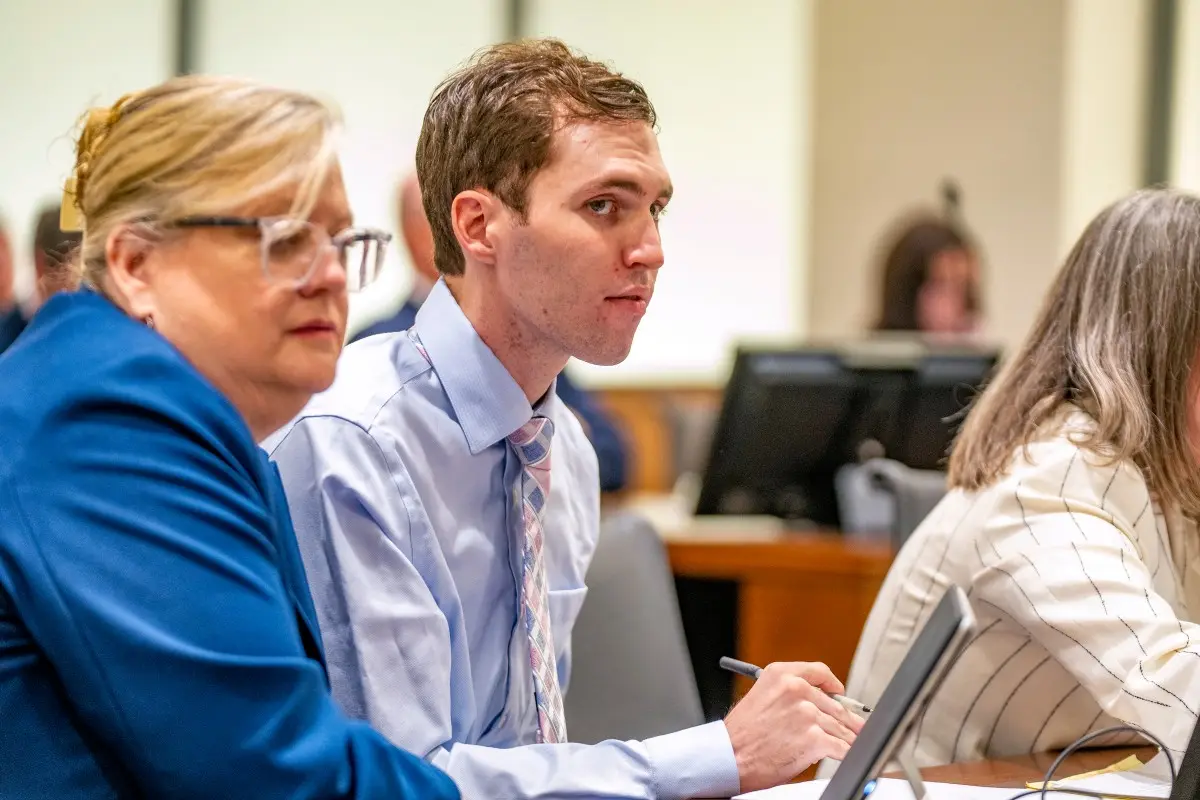
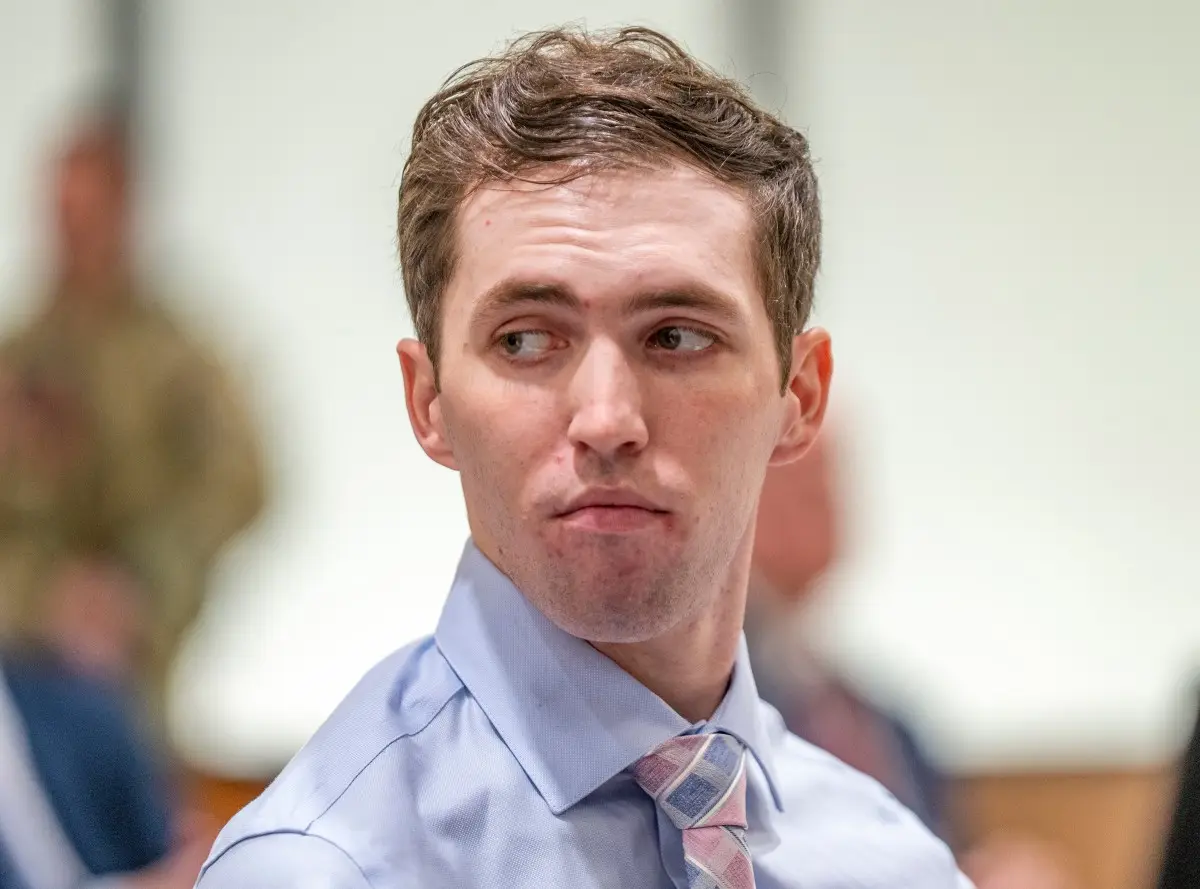
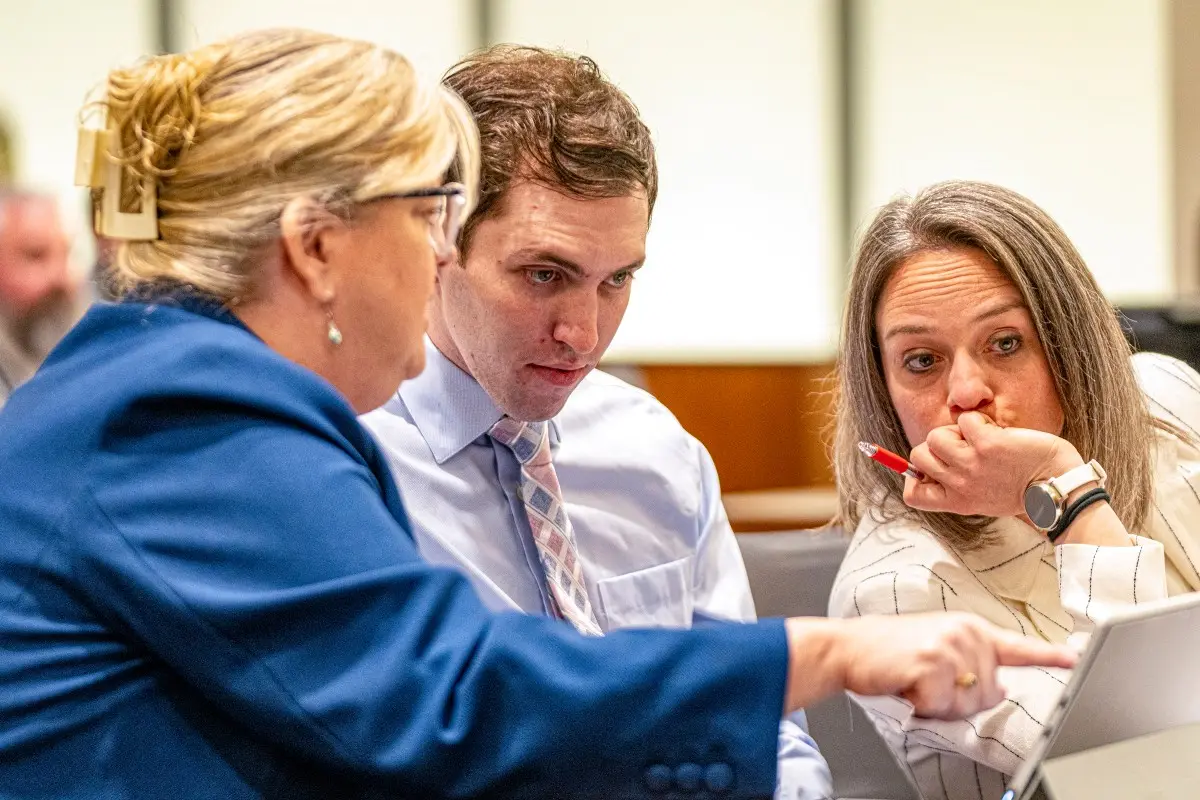
At the latest hearings, Tyler Robinson’s defence team signalled that they plan to file a motion to keep cameras out of the courtroom, a decision that immediately raised eyebrows given the intense public interest in the case.
1. The case is already saturated with publicity — and the defence says it’s hurting Robinson
The court spent significant time debating gag orders, witness speech, and pretrial publicity rules. The defence repeatedly argued that the State’s early statements, including announcing their intent to seek the death penalty on day one, created a media frenzy that could prejudice potential jurors.
To them, adding cameras risks turning the courtroom into a broadcast stage, amplifying public pressure and undermining Robinson’s right to a fair trial.
2. The defence believes live coverage could influence witnesses
In earlier arguments, attorneys discussed how even public statements by potential witnesses could affect the fairness of the case.
If cameras broadcast the proceedings:
- Witnesses may tailor their testimony
- Some may be intimidated
- Others might chase publicity
The defence emphasised that the court’s duty is to protect integrity, not entertainment.
3. They argue the trial could become a political spectacle
Because the case involves Charlie Kirk, a nationally polarising figure, the defence fears televised hearings could:
- Turn legal arguments into viral clips
- Invite political commentary that spills into jury pools
- Increase threats, harassment, and outside pressure
In their view, television would escalate a case already steeped in political emotion.
4. The media has intervened — and that changes everything
The news media asked for limited party status so they can fight closures and gag rules.
The defence expects these same outlets to object to any camera ban.
Their argument: If the media becomes an active legal participant, the court must guard even more carefully against the appearance of a “public trial by broadcast.”
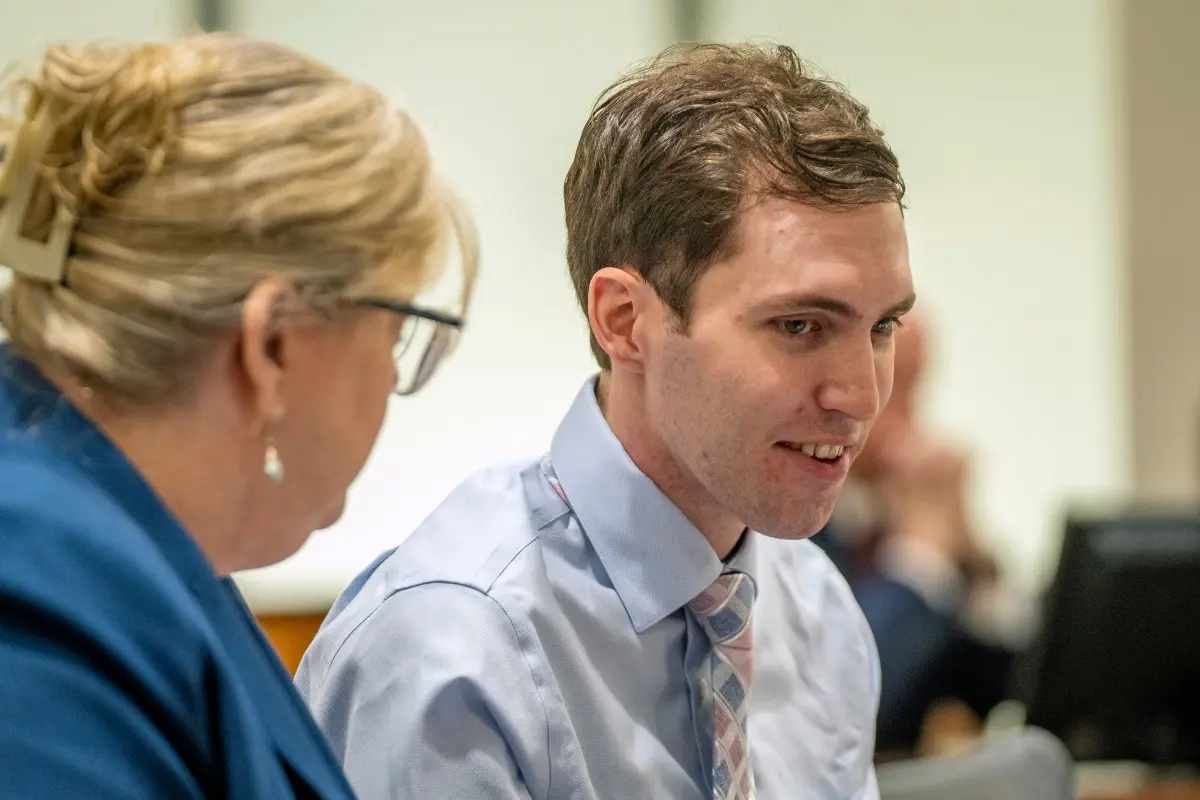
5. The defence says key motions must be resolved first
Robinson’s lawyers told the judge they’re juggling:
- A motion to disqualify the county attorney
- A motion to redefine the pretrial publicity order
- Incomplete discovery
- A lack of required death-penalty disclosures from the State
Their position is simple:
“Before we even talk about broadcasting, we need a fair process.”
Until evidence is exchanged, prosecutors are confirmed, and issues are settled, televising anything creates misinformation risks.
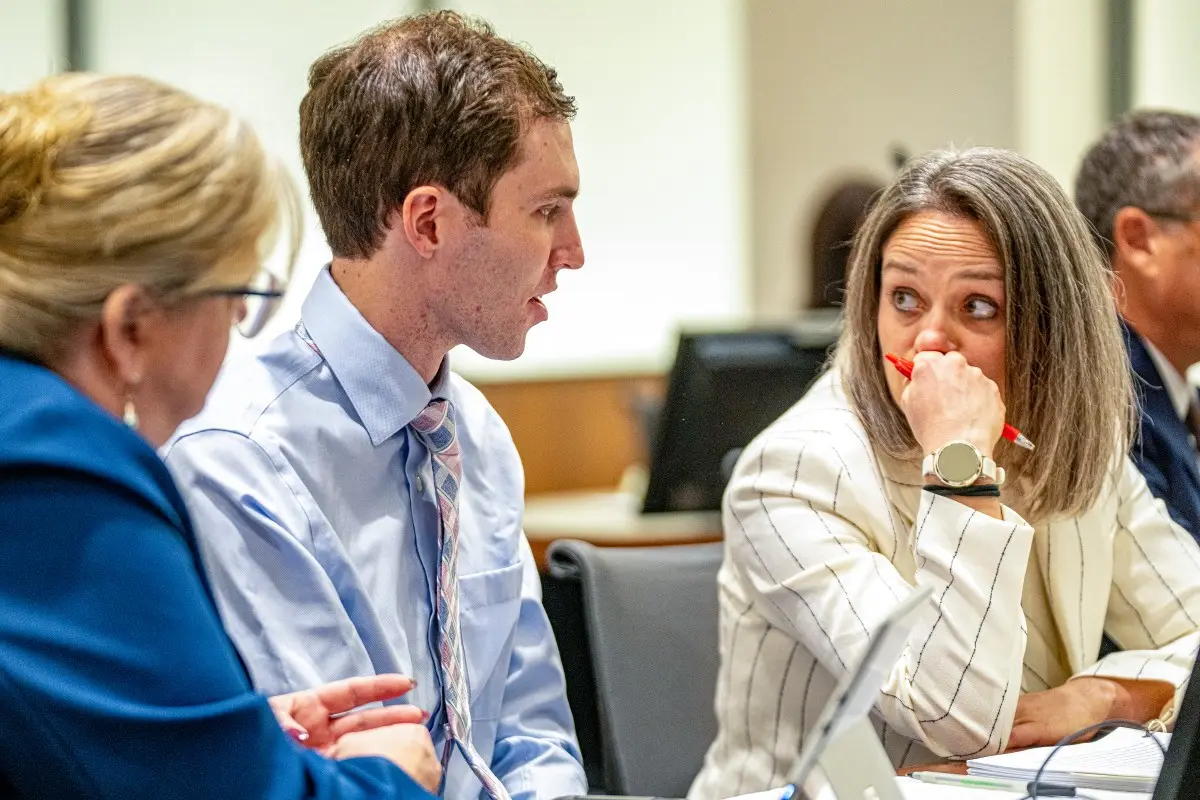
6. Cameras could influence judicial decision-making
The defence subtly referenced Utah case law warning that courts must avoid:
- Public pressure
- Media-driven perceptions
- The appearance that rulings are shaped by the audience, not the law
Allowing cameras, they argue, creates incentives for performative advocacy from all sides, even subconsciously.
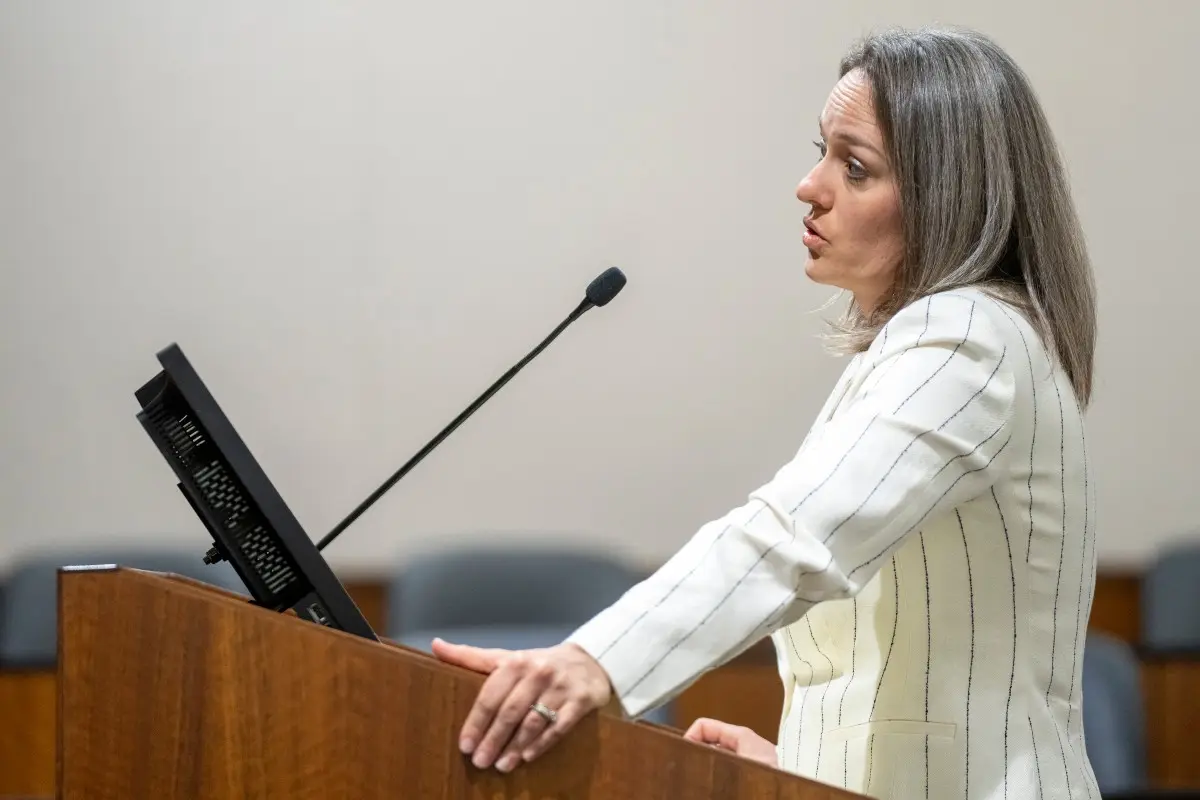
7. Their upcoming motion will make it official
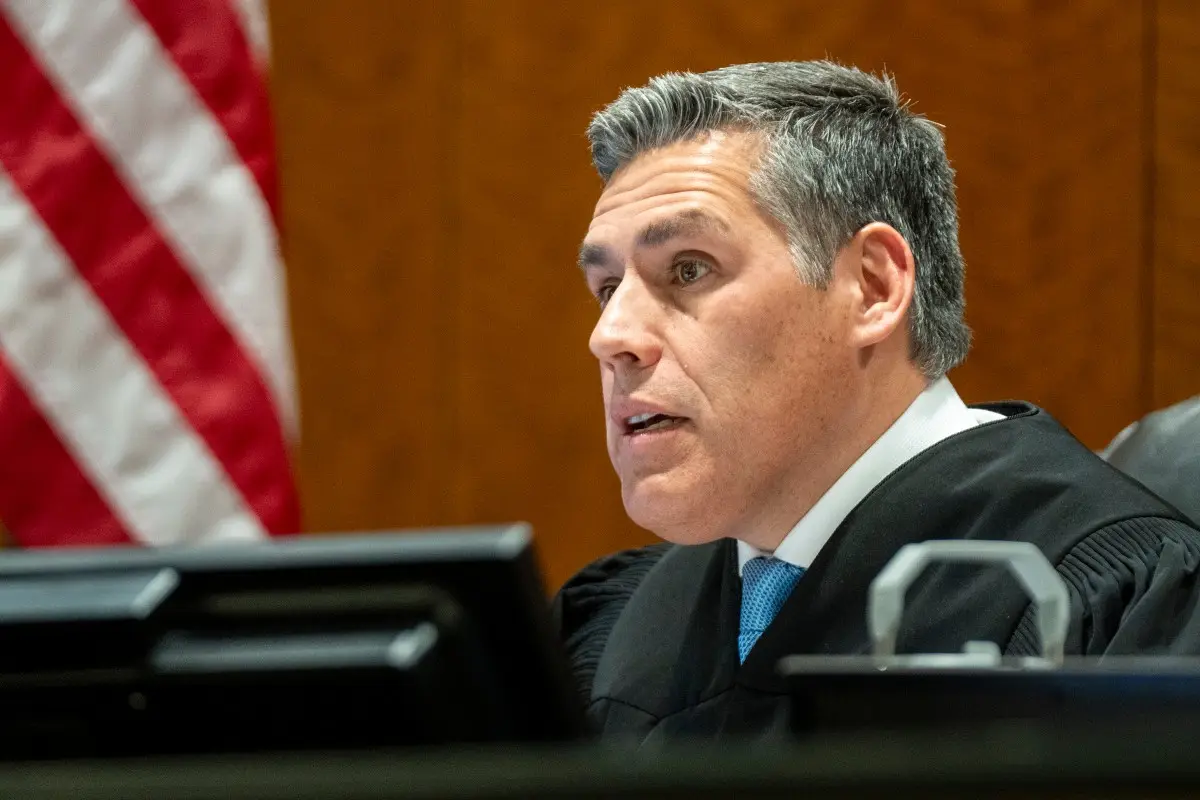
The defence told the court they expect to file a formal motion on January 30, seeking to ban cameras from the courtroom for the duration of the case.
They expect the media to fight it.
They expect the State may not oppose it. And they expect the judge to face intense scrutiny ,because whatever the ruling, it will shape the national perception of the entire trial.
)
)
)
)
)