Why train wheels don’t slip even in heavy rain

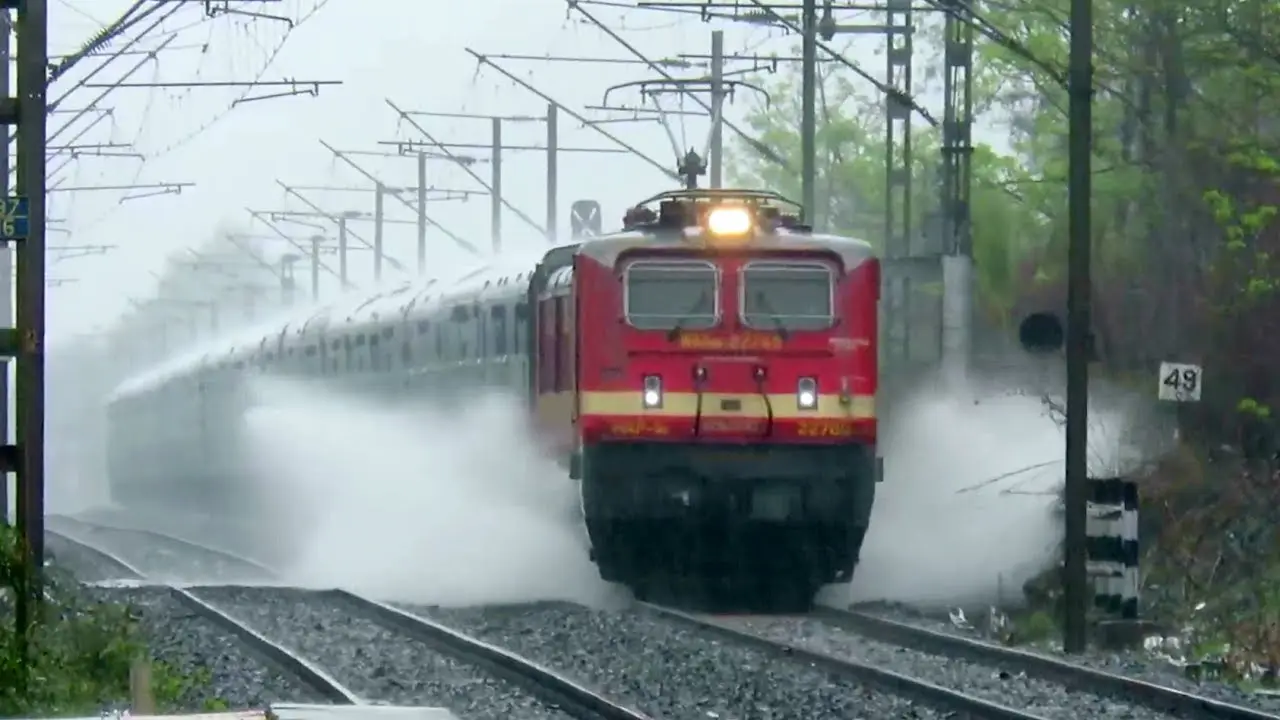
Train wheels don't slip in rain because steel-on-steel friction is 0.5 even when wet, and massive train weight generates enormous grip. Rain actually cleans rails better than damp conditions. Sandbags increase friction when needed.
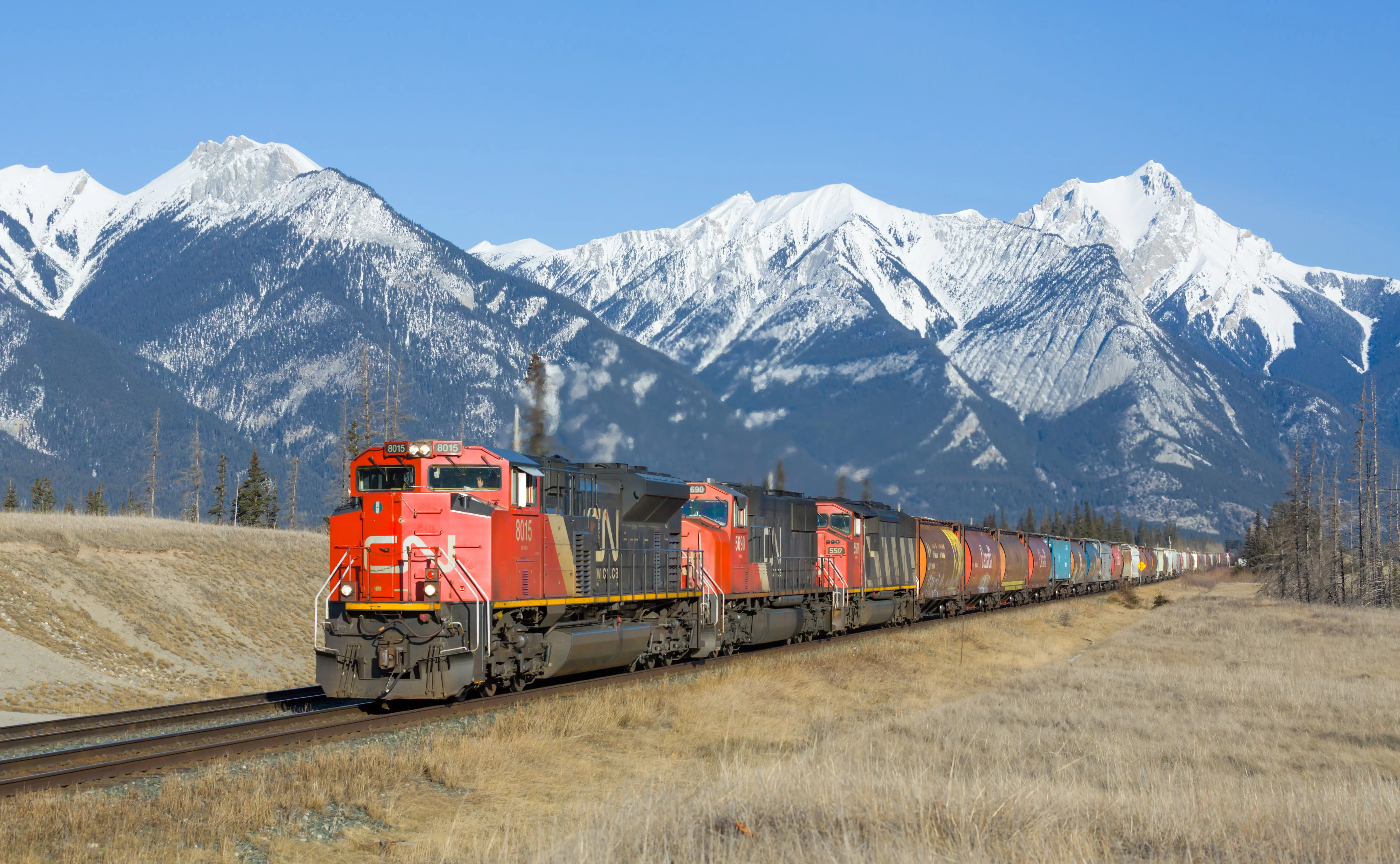
The Weight Advantage - Massive Friction Force
A typical freight train weighs 100 tonnes or more, creating enormous downward force onto the rails. This weight generates friction coefficients between 0.35 and 0.5 on wet tracks, compared to 0.1 for car tyres on wet roads. Raw weight alone prevents slipping.
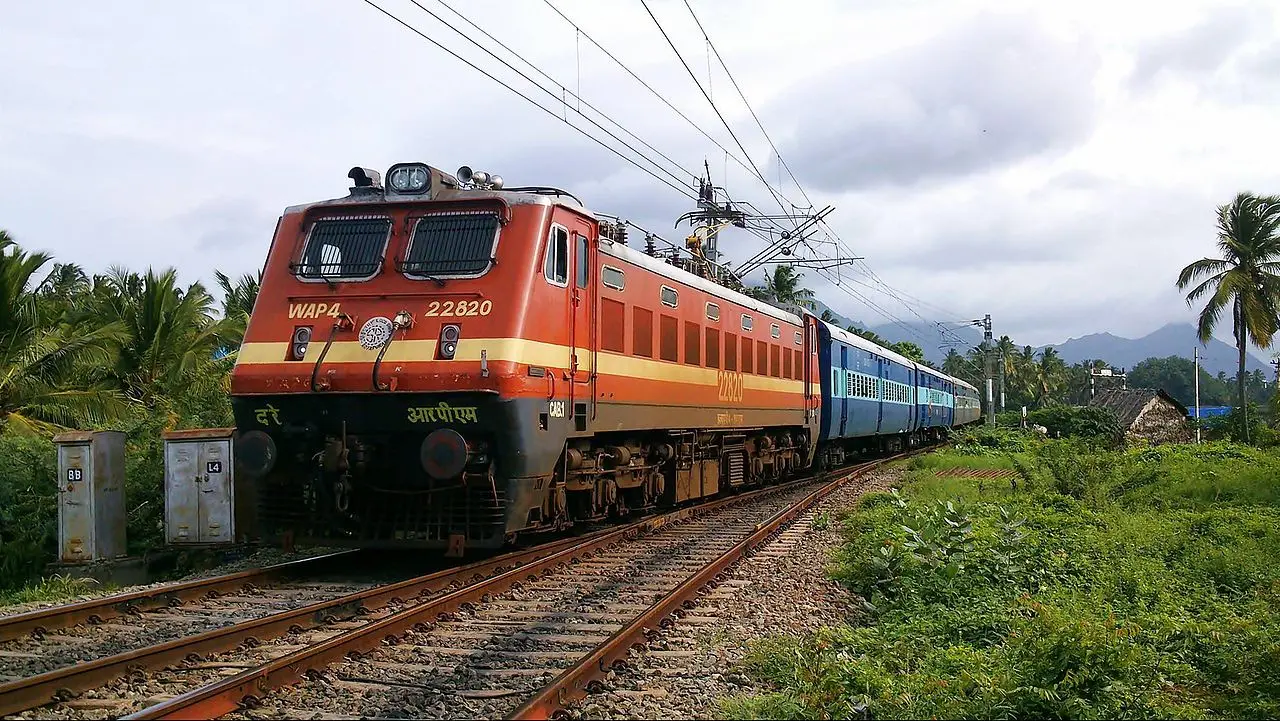
Dry Steel-on-Steel Friction Reaches 0.78
Under laboratory conditions, steel wheels on steel rails achieve friction coefficients of 0.78, far exceeding any rubber tyre on asphalt. Even wet conditions maintain sufficient grip for normal operations.
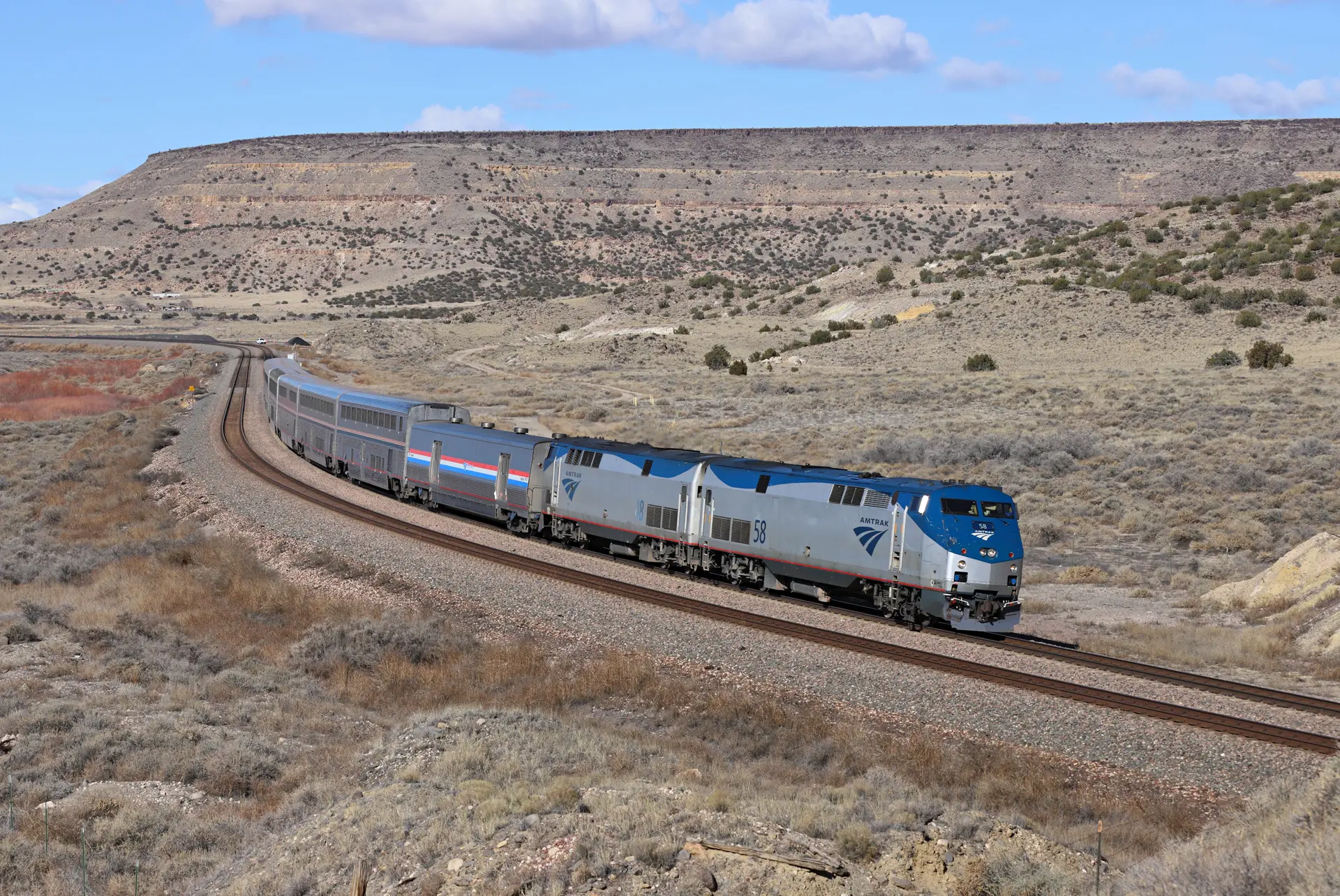
Rain Actually Cleans the Rails Better
Continuous rainfall continuously washes away contamination, oil, and leaves that cause slippery conditions. Damp rails with accumulated pollutant films are slippier than heavily raining ones. Heavy rain keeps rails cleaner and safer.
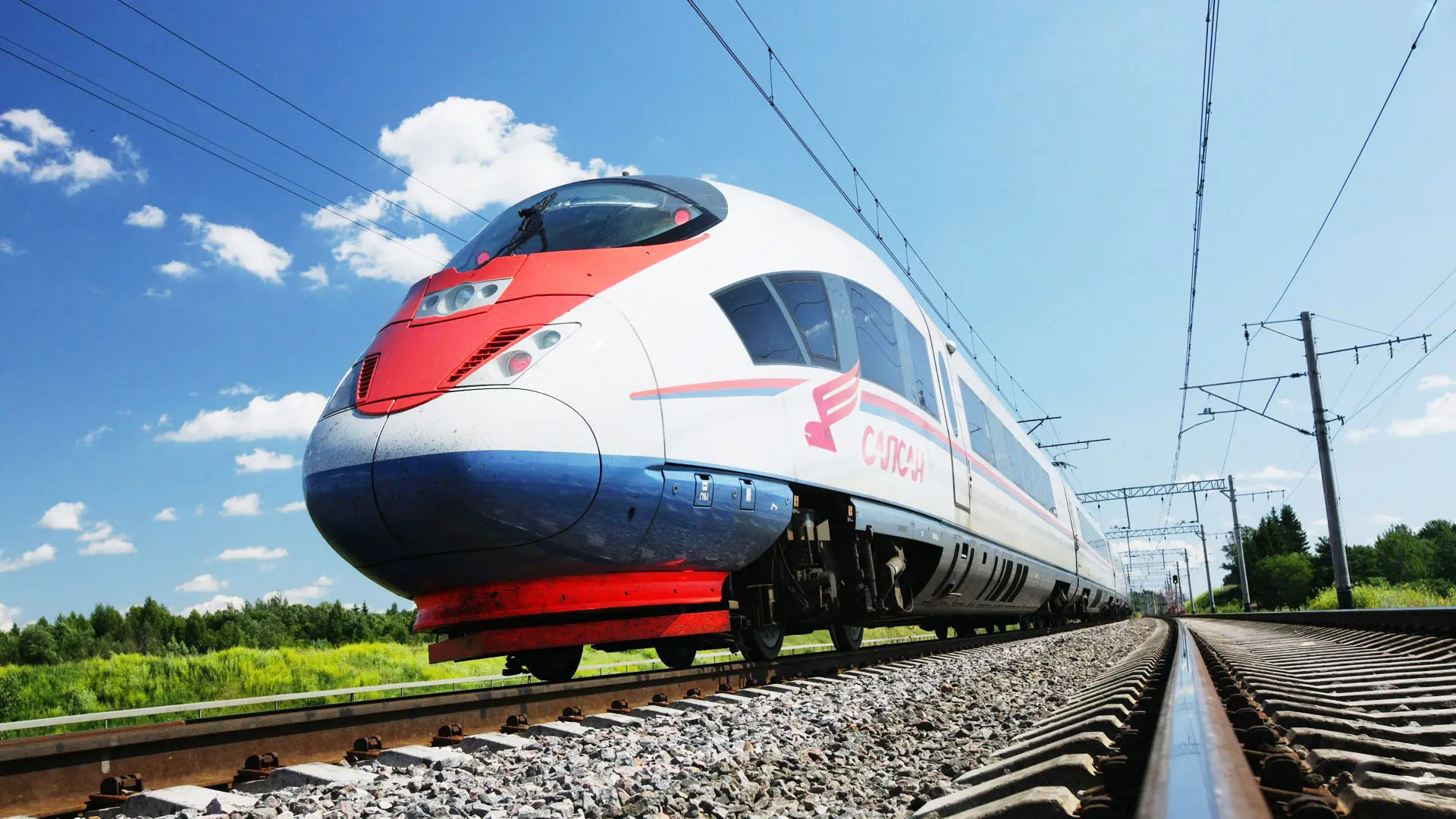
Contamination Creates Slippery Conditions
Fallen leaves, oil films, and industrial dust reduce friction more than water alone. A thin film of contaminated moisture combined with leaves creates extremely slippery conditions requiring sanding.
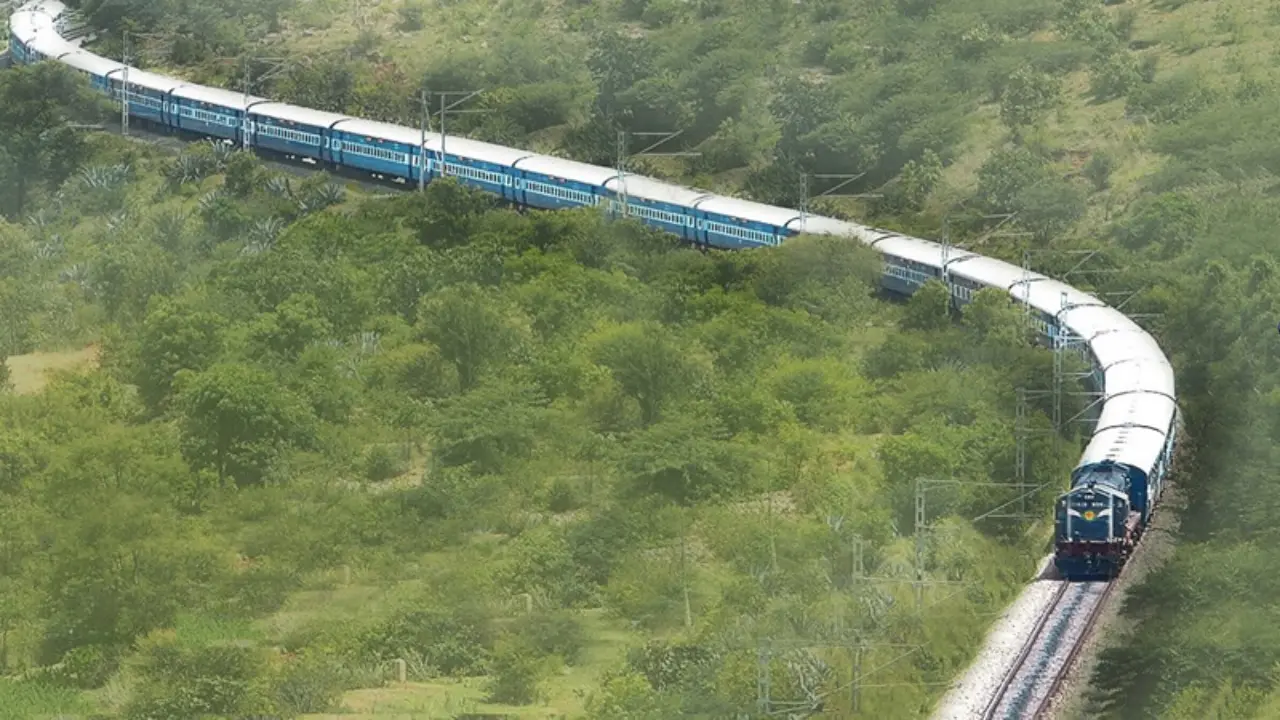
The Adhesion Process Uses "Stick" and "Slip"
Contact between wheel and rail occurs in two zones a "stick" area with no movement and a "slip" area with controlled movement. This gradual creep process prevents sudden, catastrophic loss of traction.
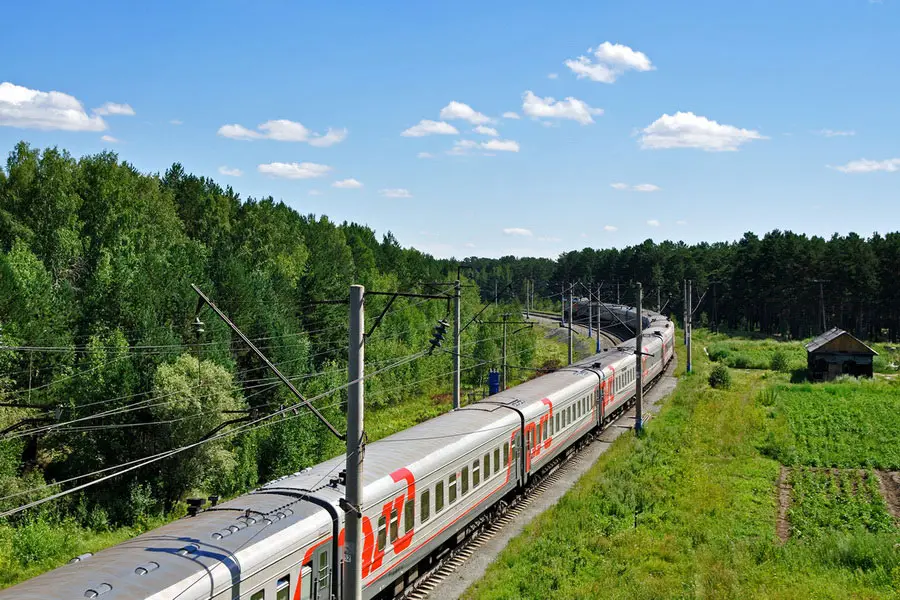
Creep Rate Around 0.015 Metres Per Kilometre
At the limit of traction, wheels experience microscopic slipping of about 15 millimetres for every metre of rail covered. This controlled creep maintains stability without losing grip completely.
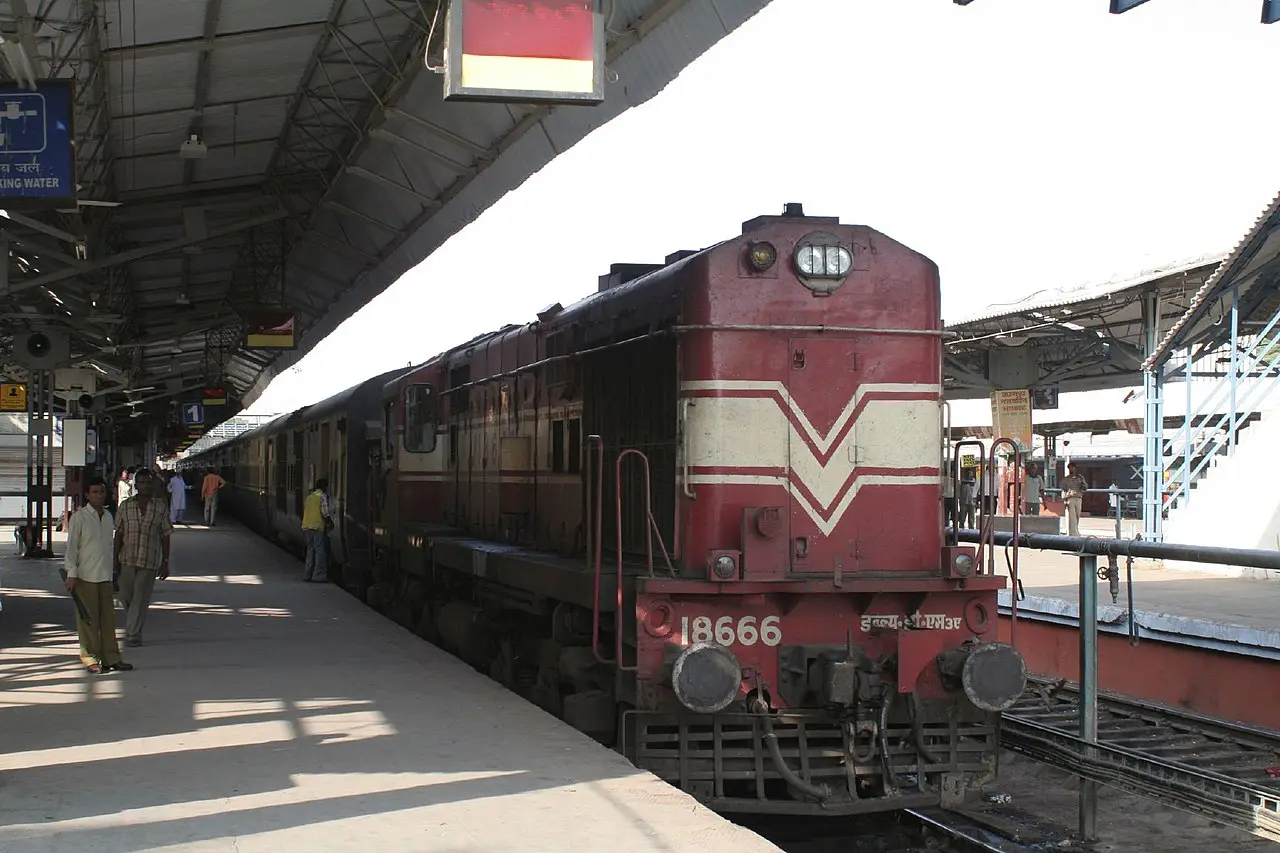
Sandboxes Spray Grit in Front of Wheels
Trains carry sandbags above the wheels. During wet conditions or steep grades, sand is dropped automatically onto rails ahead of wheels, increasing friction coefficients by 0.1 to 0.2.
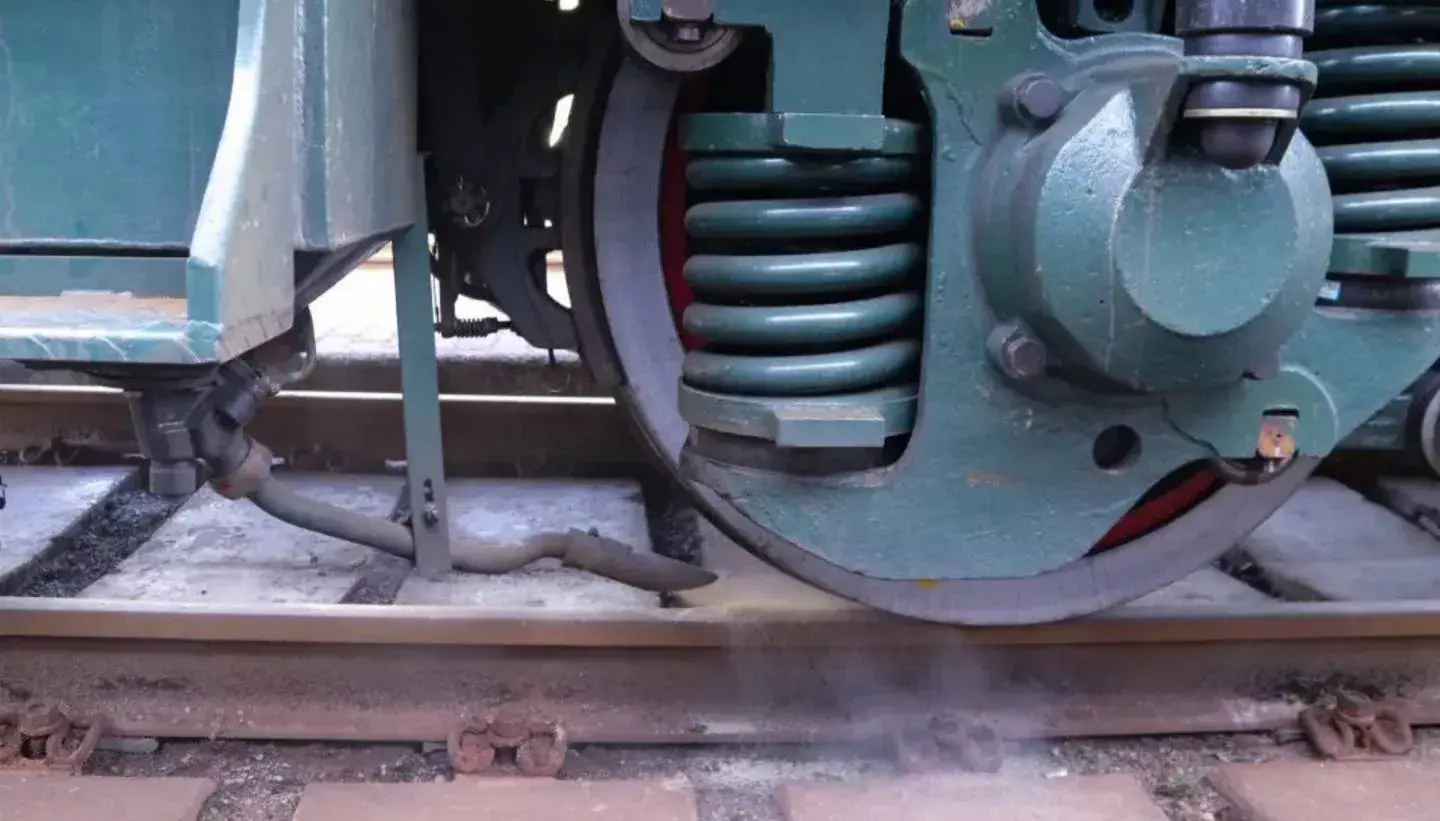
Wheel Slip Detection and Automatic Response
Modern locomotives have wheel slip probes detecting when wheels lose traction. Once detected, the engine automatically reduces power until slip stops, preventing uncontrolled sliding.
The Creep Paradox - Flexible Traction Control
Train wheels always slip microscopically, even on dry rails. This flexibility allows trains to maintain stability whilst braking or accelerating, unlike cars which can lock wheels suddenly.
Extreme Conditions Drop Friction to 0.05
Under the worst conditions wet rails covered with leaves and oil film friction drops to 0.05, reducing tractive effort from 350 kilonewtons to just 50 kilonewtons. Speeds reduce dramatically, but trains rarely derail.
)
)
)
)
)