Why toilets on USS Abraham Lincoln are different from those on aircraft?

The USS Abraham Lincoln uses heavy-duty plumbing and seawater to serve 5,000 sailors, unlike aeroplanes that use small vacuum tanks. Aircraft hold waste for ground crews, while the nuclear supercarrier must process and discharge its waste at sea.
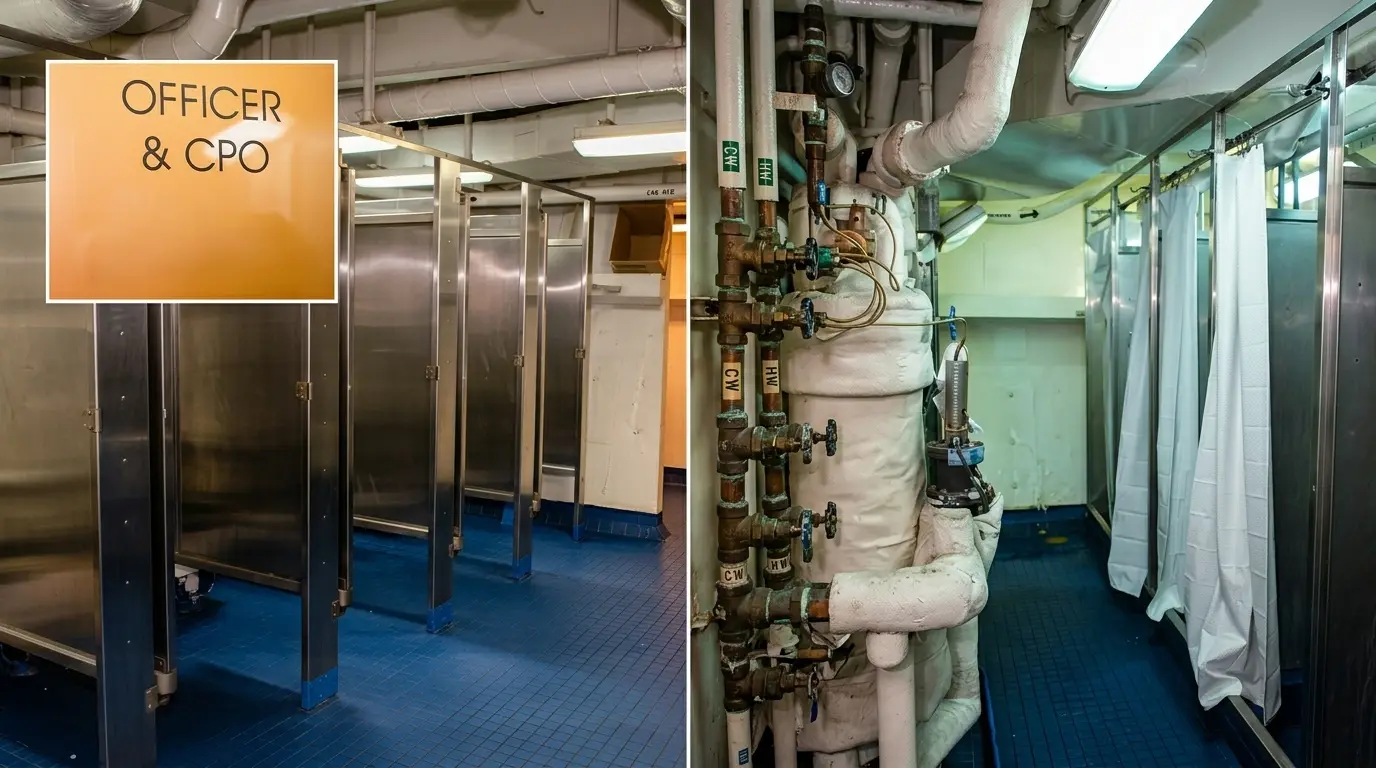
The Massive Scale
Unlike a commercial airliner that accommodates a few hundred passengers, the USS Abraham Lincoln operates as a massive floating city of 5,000 sailors. While aircraft rely on a few isolated lavatories, a Nimitz-class supercarrier requires over 600 heavy-duty commodes connected through miles of complex internal piping.
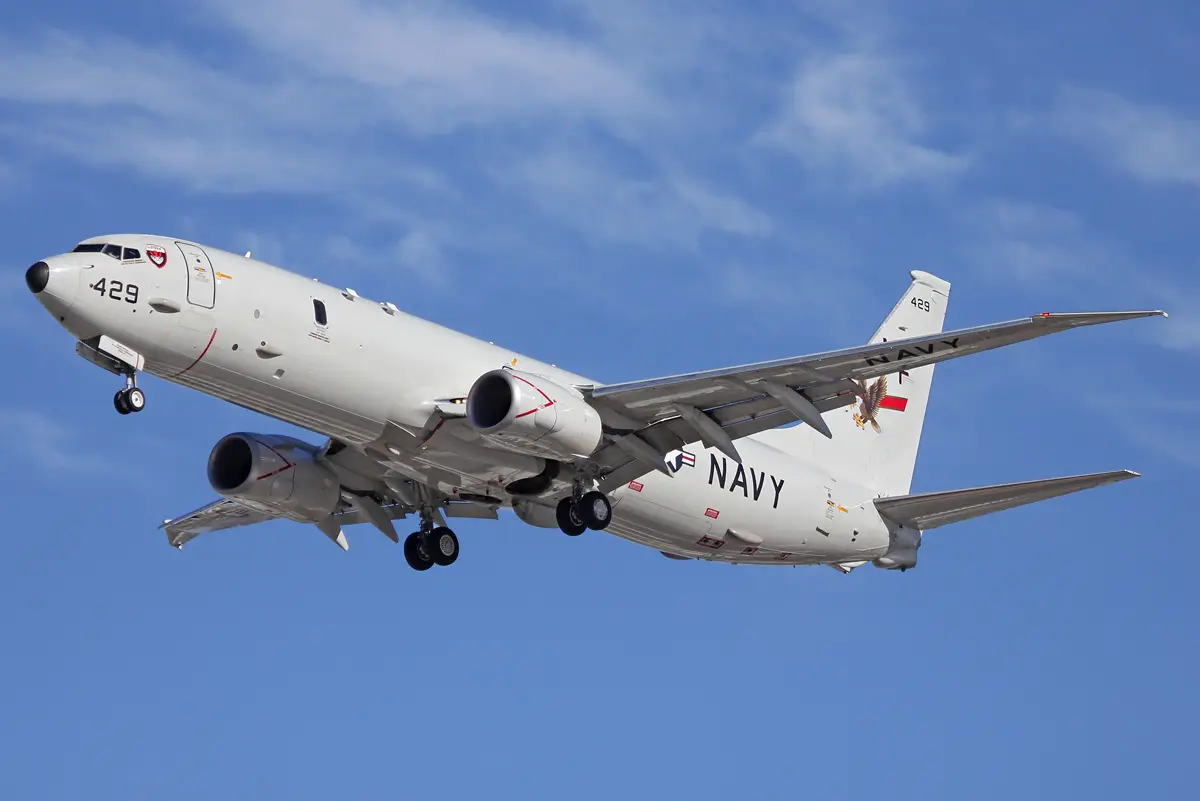
The Aircraft Vacuum Method
Modern passenger aircraft utilise a highly efficient pneumatic vacuum flush system designed specifically to save weight. This lightweight technology relies on extreme negative air pressure and minimal blue fluid to suck waste into a small holding tank, which is then emptied by trucks upon landing.
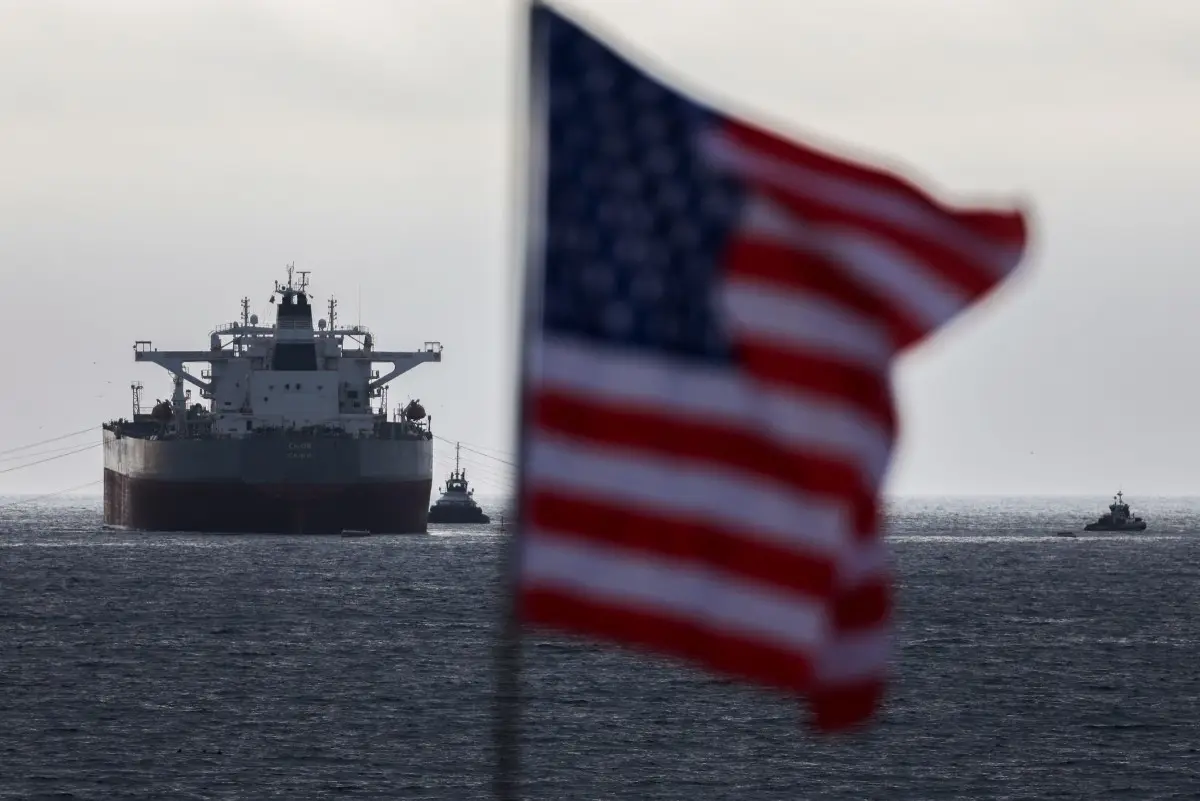
The Supercarrier's Plumbing Network
To handle the immense daily volume, US Navy aircraft carriers utilise a massive Collection, Holding, and Transfer (CHT) system. This industrial-grade network routes waste through narrow pipes across multiple decks and heavily sealed watertight compartments, a feature completely unnecessary on aeroplanes.
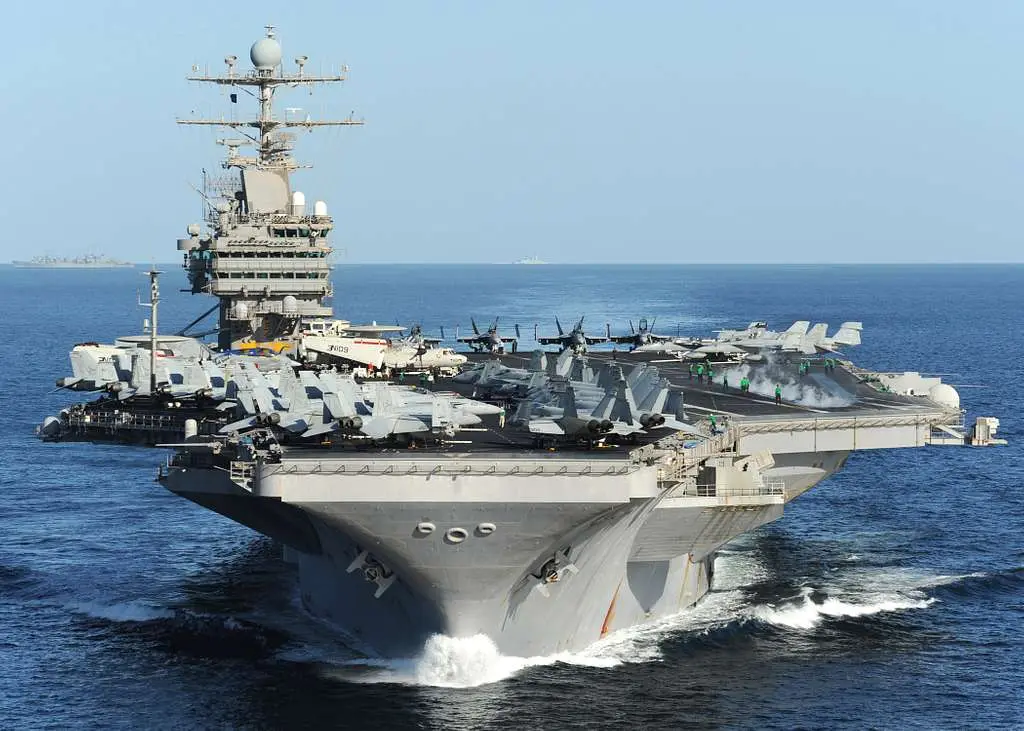
Seawater vs Chemical Fluids
Airlines meticulously restrict lavatory water usage because carrying extra fluid burns expensive aviation fuel. Conversely, military vessels like the USS Abraham Lincoln frequently utilise pressurised seawater to flush their robust stainless-steel toilets, preserving the ship's precious desalinated freshwater for drinking and nuclear cooling.
Processing Waste at Sea
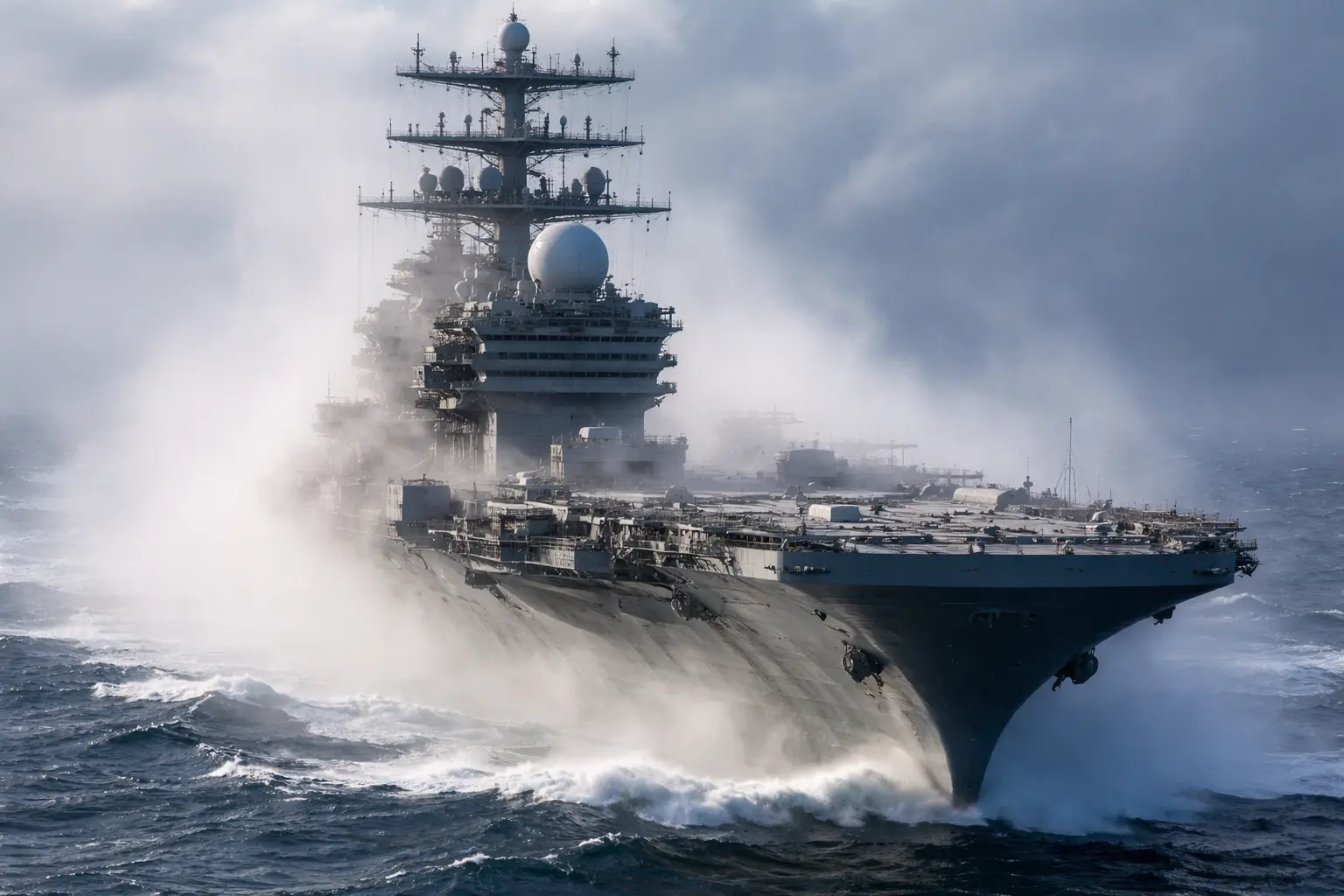
Aeroplanes simply hold their waste for a few hours until ground crews pump it out at an airport terminal. Aircraft carriers, operating on multi-month combat deployments, must actively process, chemically treat, and safely discharge thousands of gallons of sanitised effluent directly into the ocean.
The Multi-Million Dollar Clogs
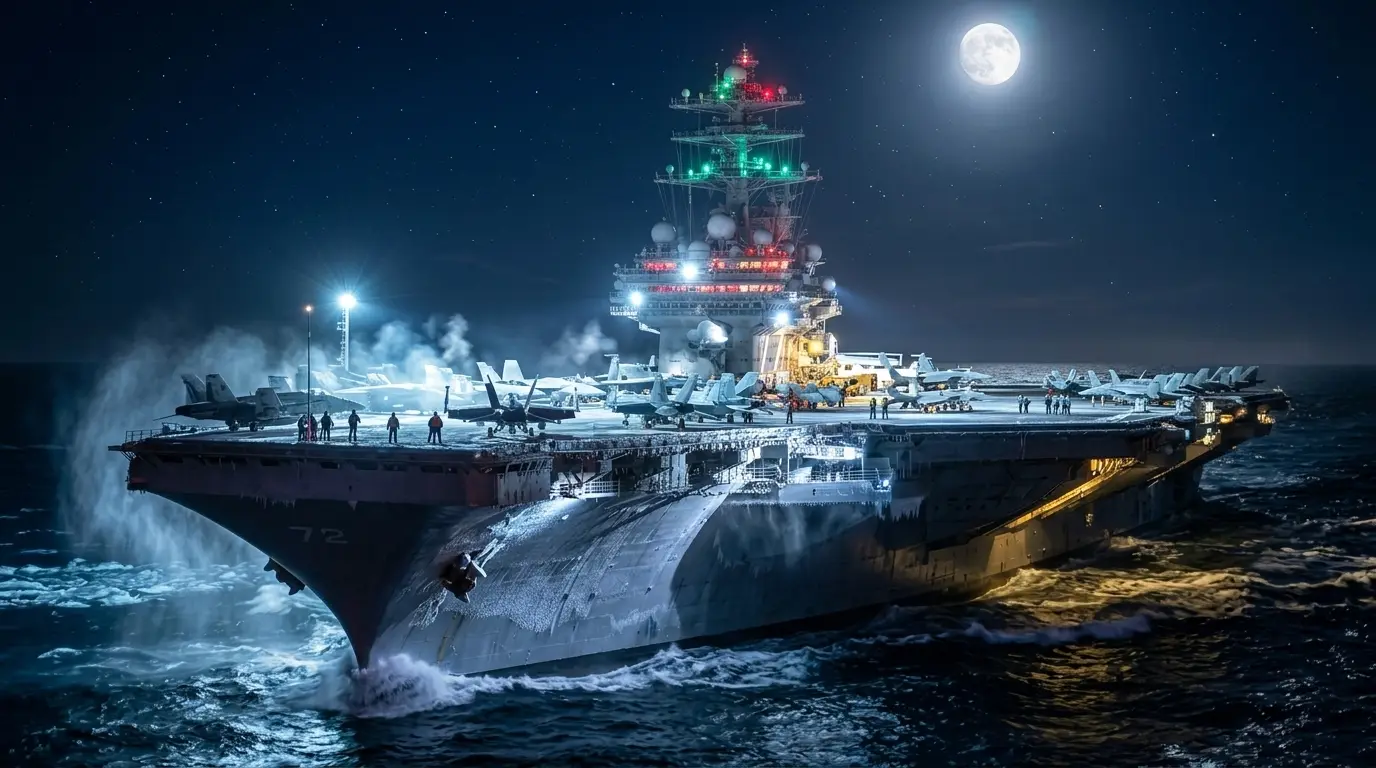
The immense scale of naval plumbing makes supercarriers highly vulnerable to severe blockages when inappropriate items are flushed. Modern carrier plumbing failures are notoriously expensive to repair, with the Navy reportedly spending up to $400,000 on specialised acidic chemical flushes to clear choked pipes.
Engineered for Combat
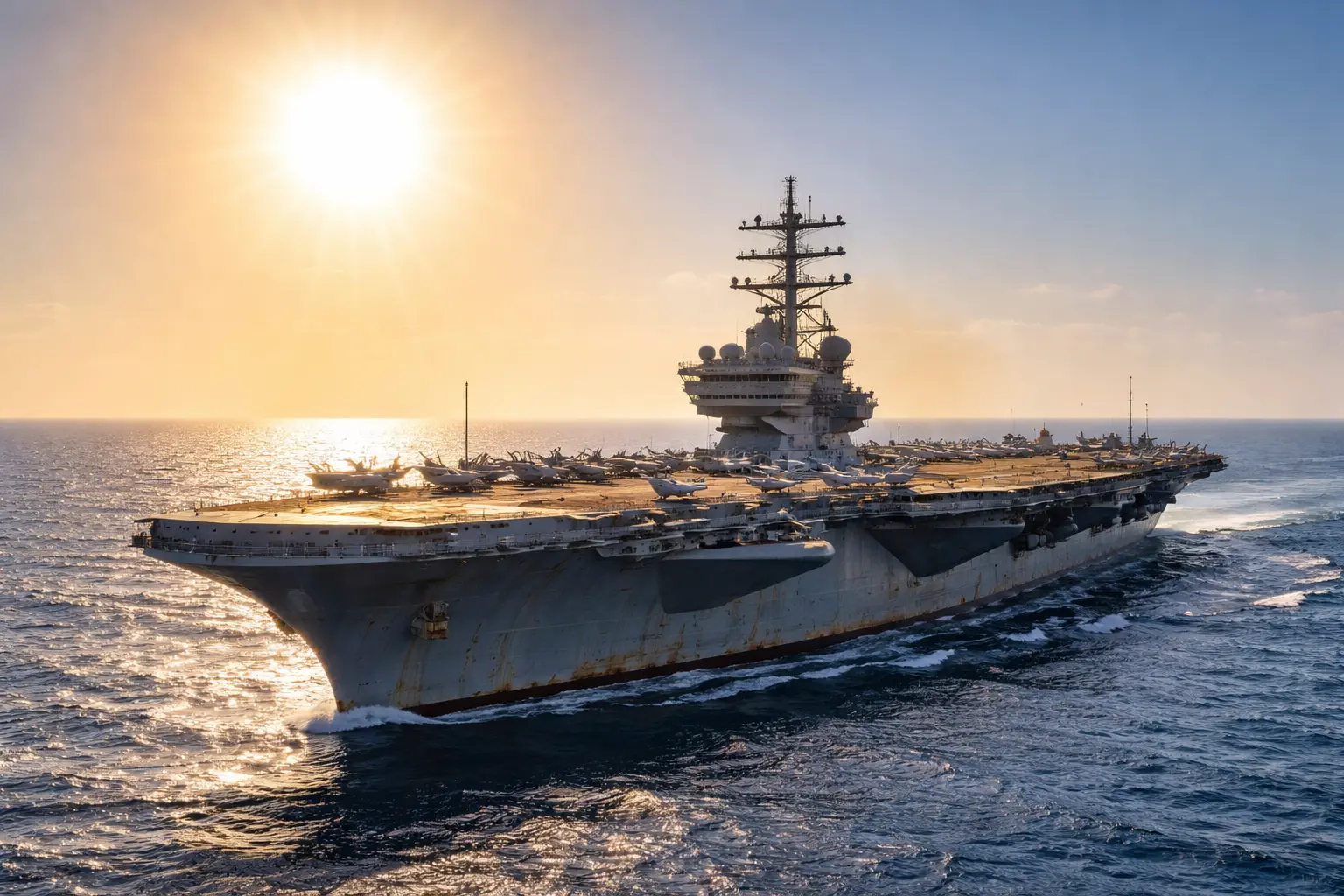
Aeroplane lavatories are constructed from lightweight plastics and fibreglass to maximise flight efficiency. In stark contrast, the USS Abraham Lincoln features incredibly heavy, shock-resistant stainless-steel commodes designed to survive the violent kinetic impacts and extreme vibrations of active maritime warfare.
)
)
)
)
)