Why time works differently near a black hole? Understanding the science behind it

Black holes don’t just pull in matter, they also bend space and time itself. Step too close, and the way you experience time could be completely different from someone far away. Here’s why that happens.
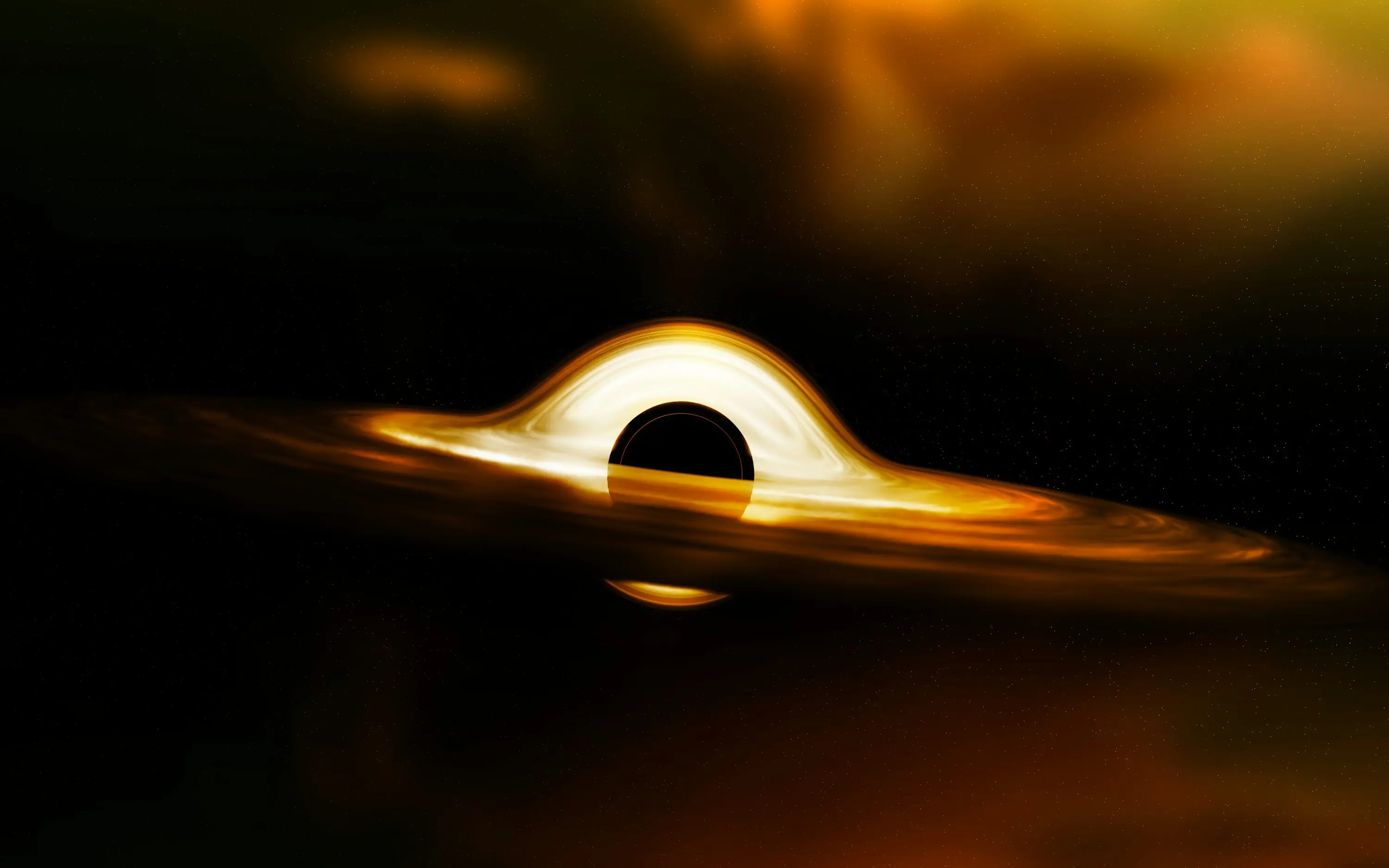
Einstein’s Prediction
Albert Einstein’s General Theory of Relativity showed that gravity isn’t just a force, it’s the warping of space-time by massive objects. Black holes, which pack huge mass into a tiny space, create the most extreme distortions known.
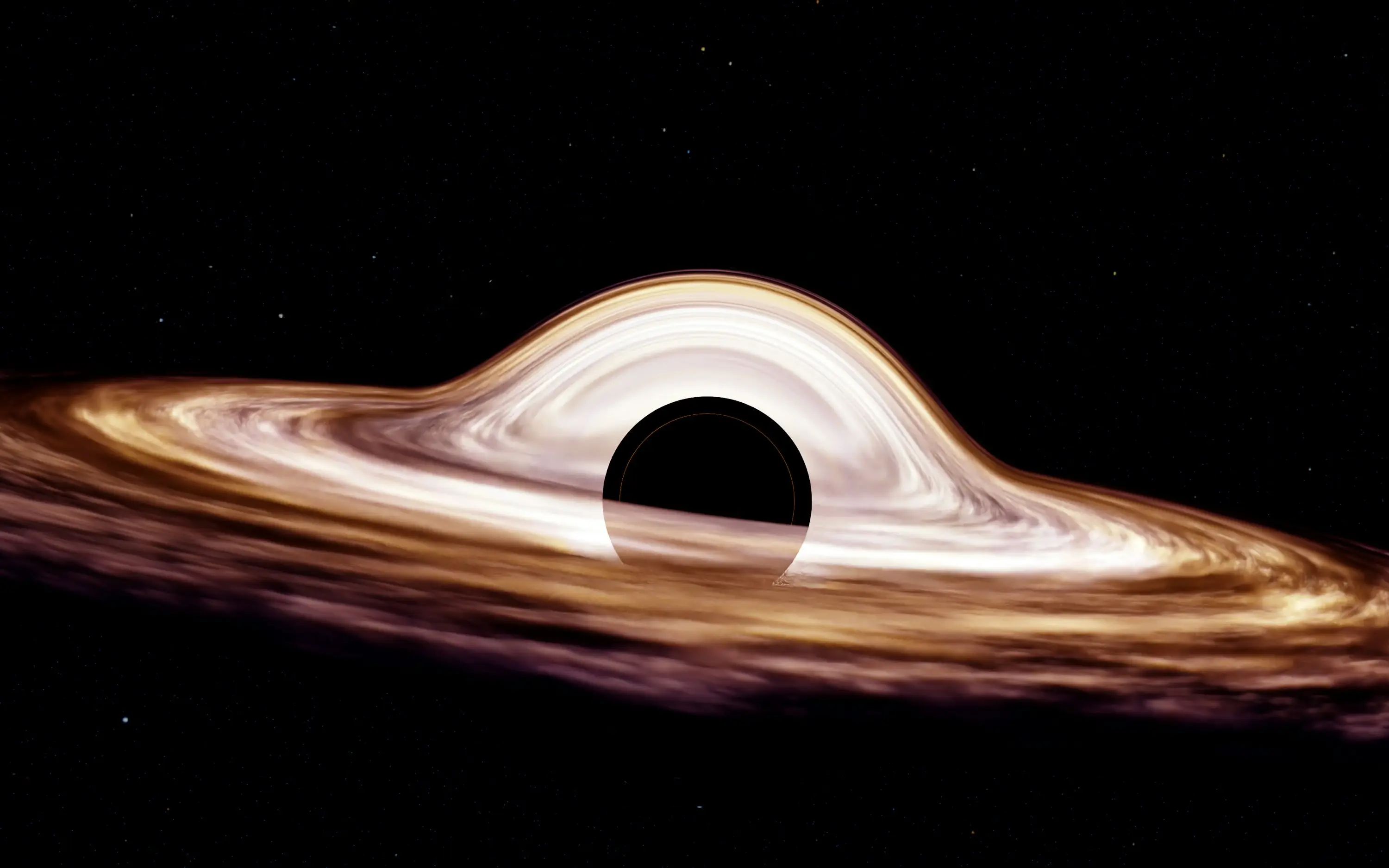
Gravity Slows Time
This effect is called gravitational time dilation. The stronger the gravitational pull, the slower time passes compared with regions where gravity is weaker. Near a black hole, gravity is so intense that the effect becomes dramatic.
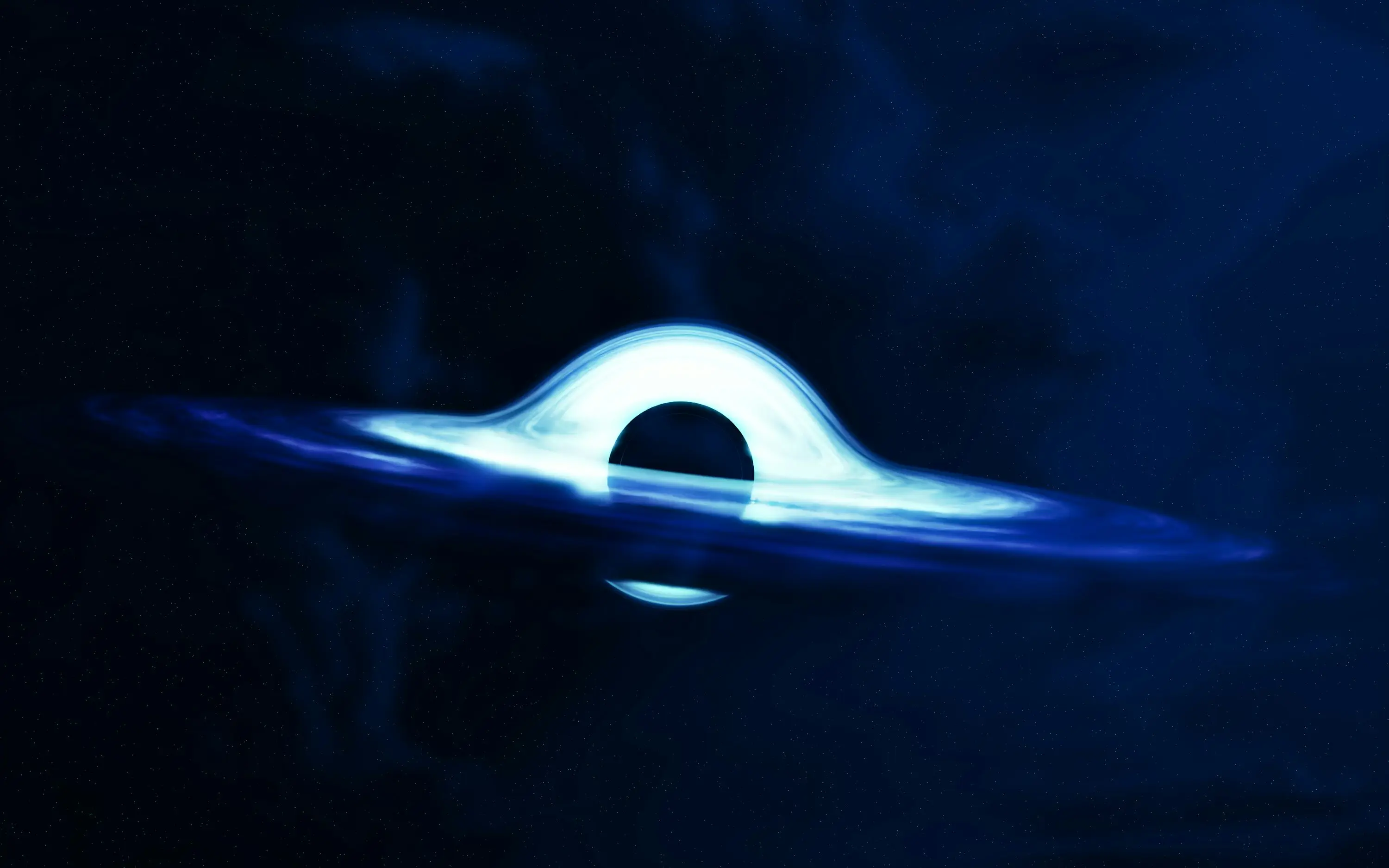
Different Clocks for Different Observers
If you were near a black hole, your watch would appear to tick normally for you. But to someone watching from a safe distance, your clock would seem to slow down, seconds for you could look like minutes, hours, or even centuries for them.
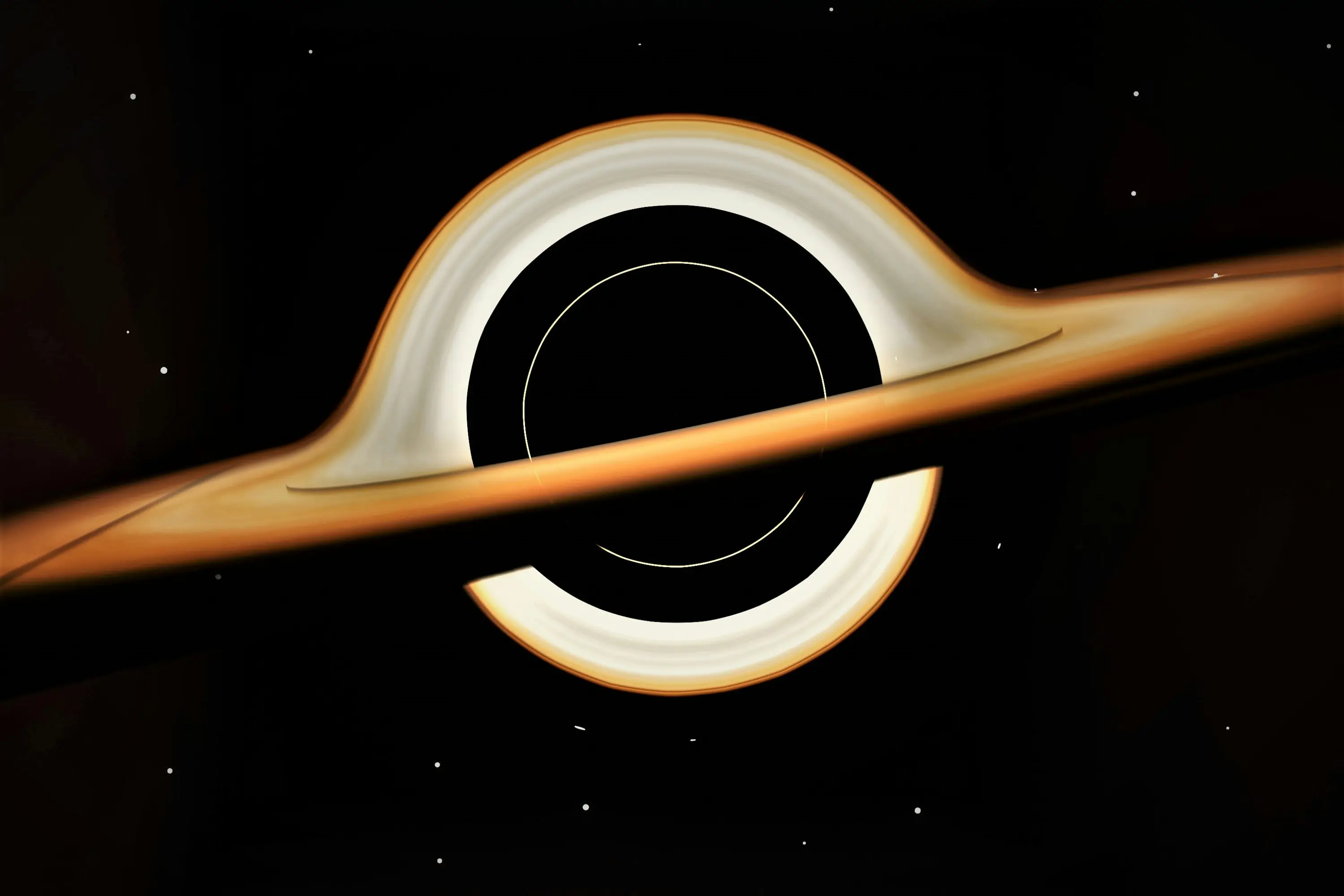
The Event Horizon — Time’s Breaking Point
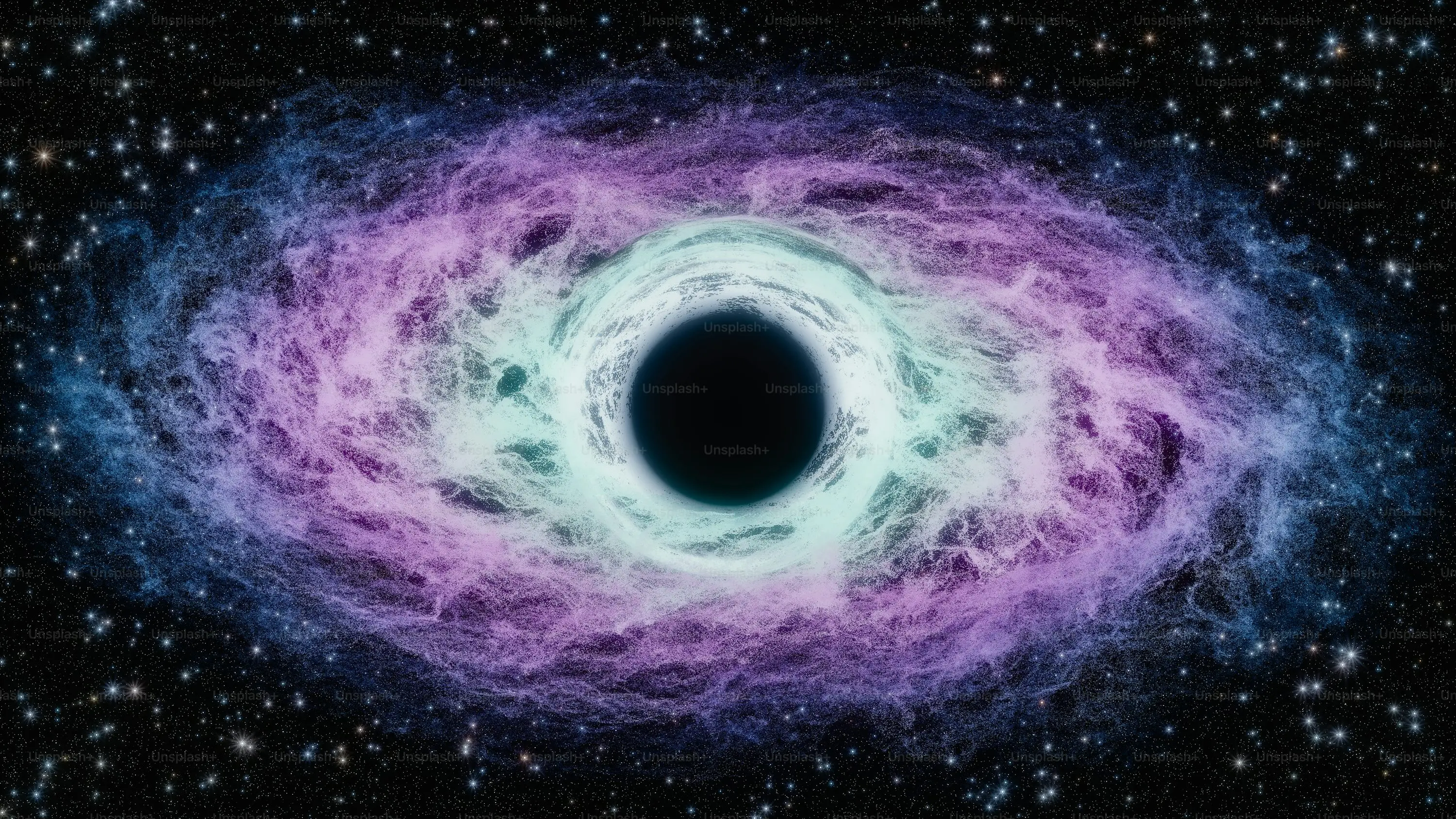
The event horizon is the boundary beyond which nothing, not even light, can escape. From an outside perspective, it looks as though time freezes for anything falling in, even though the object itself experiences time as usual while crossing over.
Hours vs Thousands of Years
In extreme cases, a few hours spent close to a supermassive black hole could mean thousands of years pass elsewhere in the universe. This is why astronauts in Interstellar aged differently from people back on Earth, a plot rooted in real science.
Why It Matters to Science
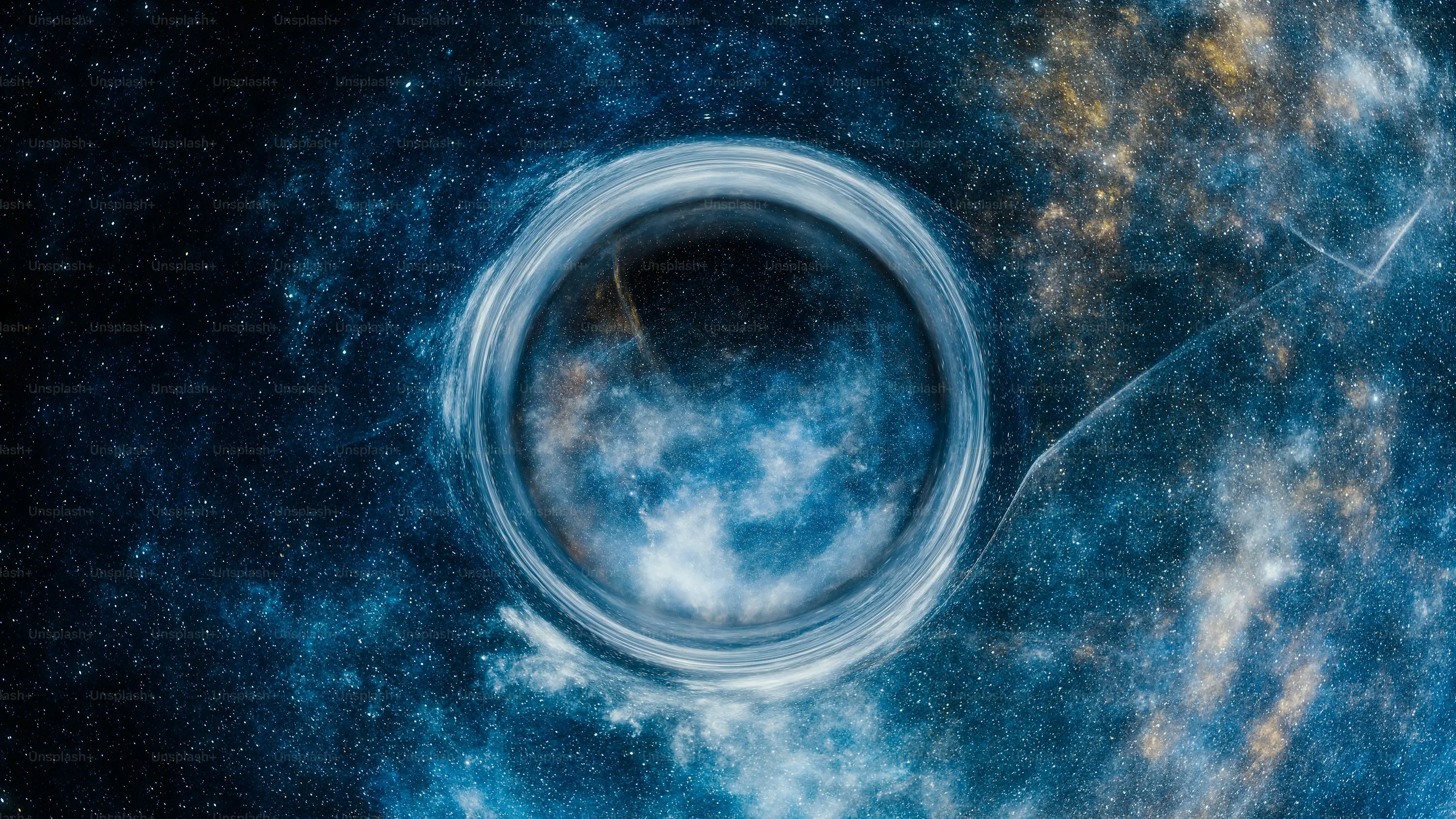
Studying how time behaves around black holes helps scientists test relativity under extreme conditions, explore the limits of physics, and search for connections between gravity and quantum mechanics.
A Glimpse into the Universe’s Strangest Places
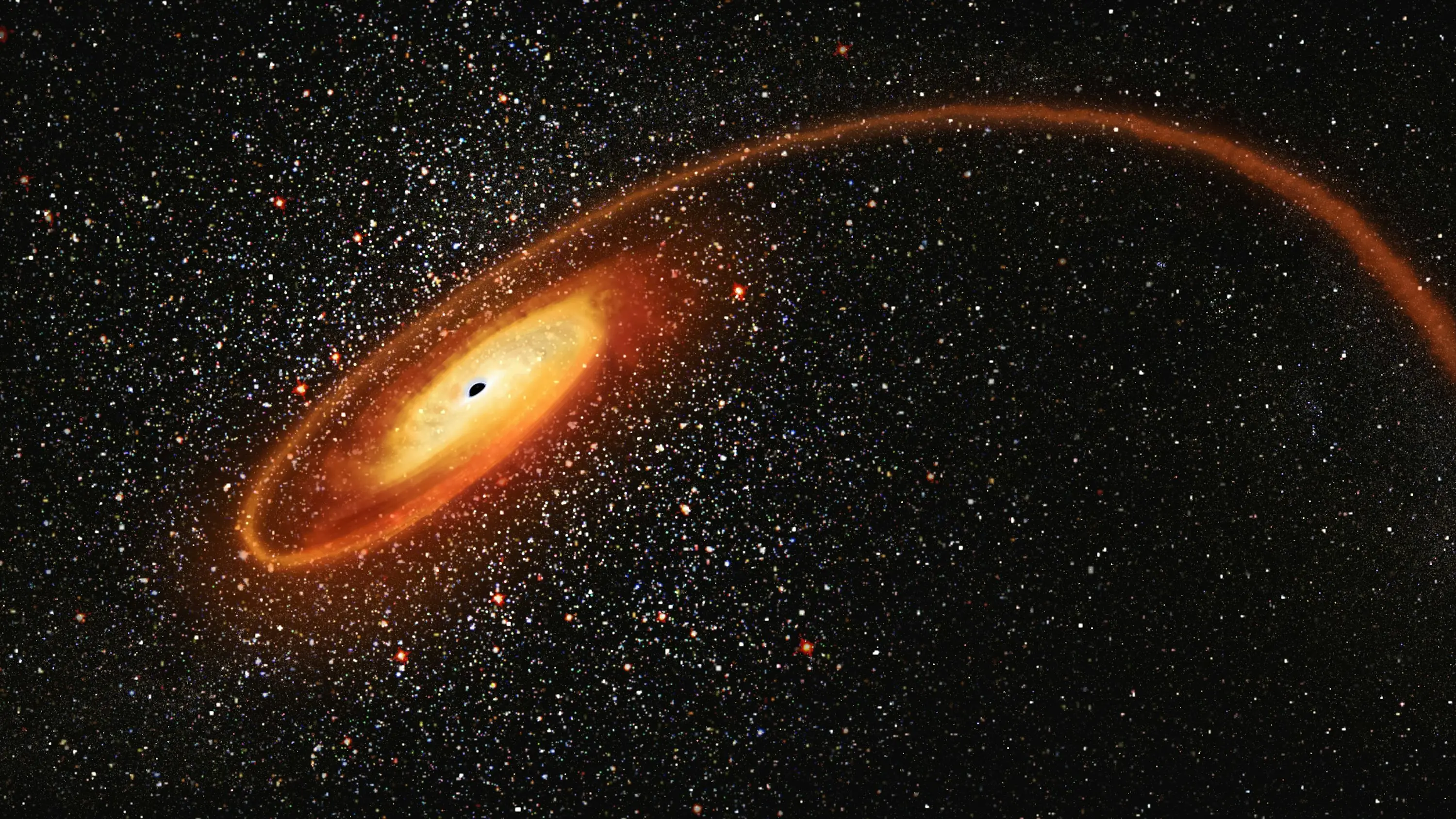
Black holes are laboratories for the most mind-bending physics in the cosmos, where the rules we live by every day bend and time itself is no longer absolute.
)
)
)
)
)