Why this year the list of world top billionaires is very volatile?

The world’s richest people keep swapping places as AI stocks rise and fall. Huge swings in tech shares are making billionaires gain or lose billions in days. From Musk to Arnault, the rankings are shifting fast and the future could be even more unpredictable.
Why the World's Richest People Keep Changing Places
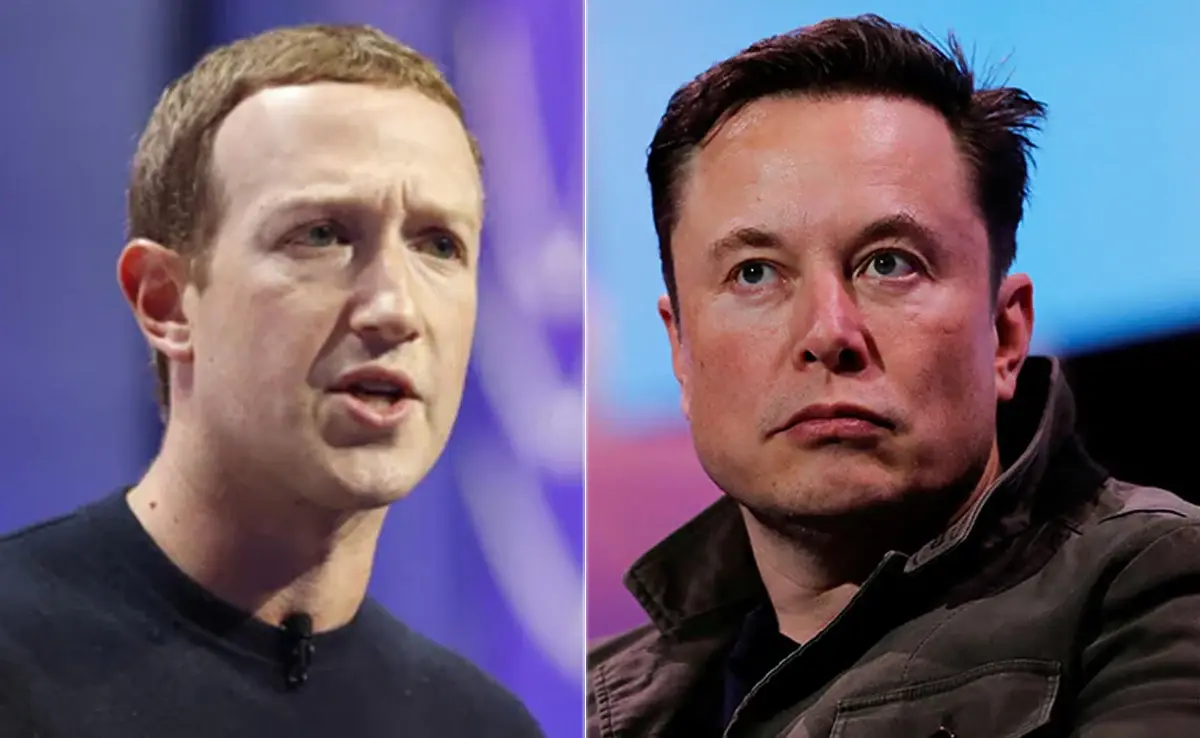
The world's billionaire list looks completely different now. Elon Musk, Bernard Arnault, and Jeff Bezos keep swapping positions. Their wealth swings wildly from month to month because of artificial intelligence, stock market changes, and technology company valuations. Billionaires now lose or gain billions in weeks.

The Artificial Intelligence Revolution That Changed Everything
Artificial intelligence caused the biggest shift. Starting from 2023, investors got excited about AI technology. Companies like Tesla, Meta, and Nvidia saw share prices jump dramatically. The "Magnificent Seven" tech companies now control 39 per cent of the US stock market and 74 per cent of NASDAQ 100. When AI stocks rise, billionaires get richer fast.

The Shocking Shifts: When Billionaires Swapped Places
Bernard Arnault was richest in April 2024 with $233 billion. Elon Musk took first place as Tesla stock rose. By November 2025, Musk reached $491.4 billion. Mark Zuckerberg dropped two places after Meta announced $70 billion AI spending. Bernard Arnault fell to 7th position with $177.7 billion as luxury goods sales weakened.
Understanding the Math Behind Billionaire Wealth Changes
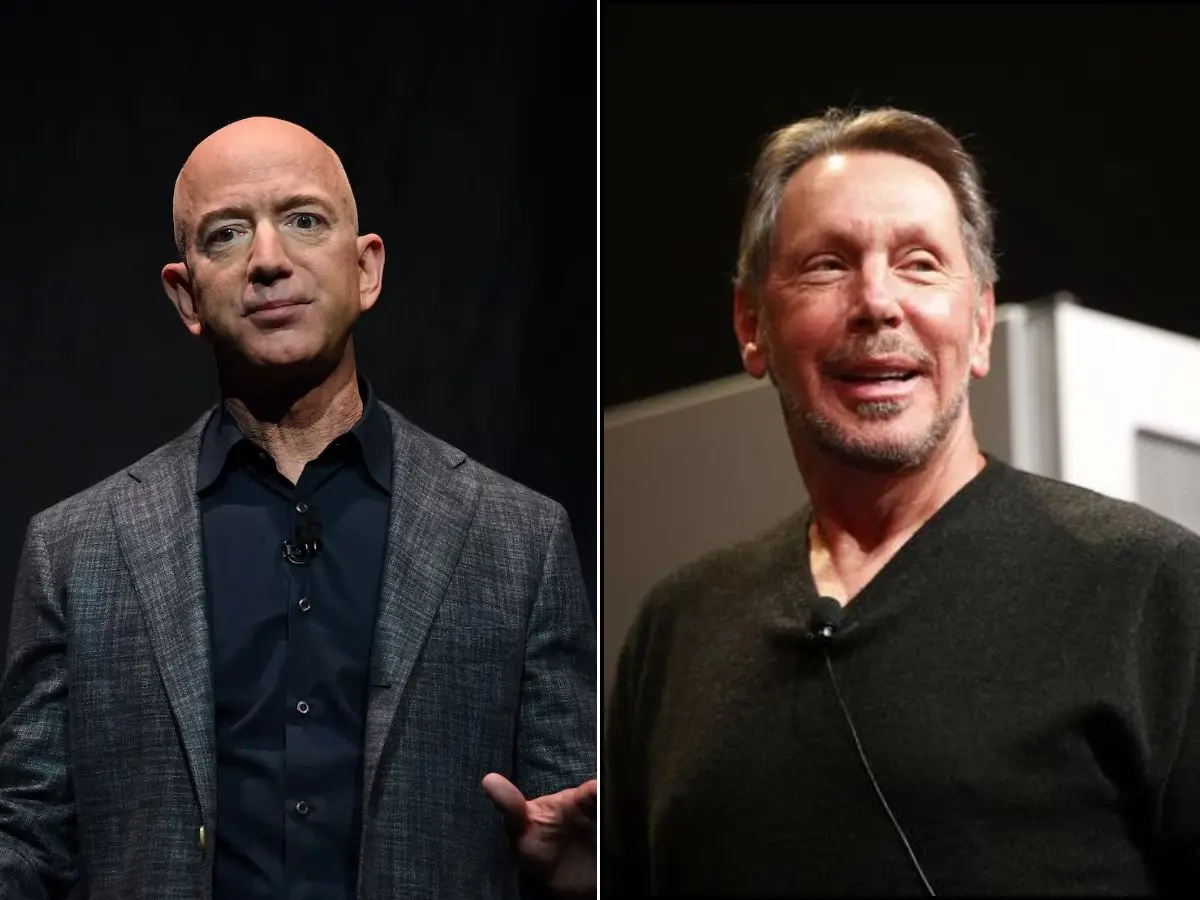
The top 10 richest people collectively held $2.13 trillion in November 2025. They gained approximately $796 billion in 2024 entirely from technology stocks rising. Nearly 39 per cent of the entire US S&P 500 index is just seven technology companies. This concentration creates massive risk if tech stocks suddenly fall.
Elon Musk Valued $252 Billion in 2024. Then Tesla Stock Crashed 50%
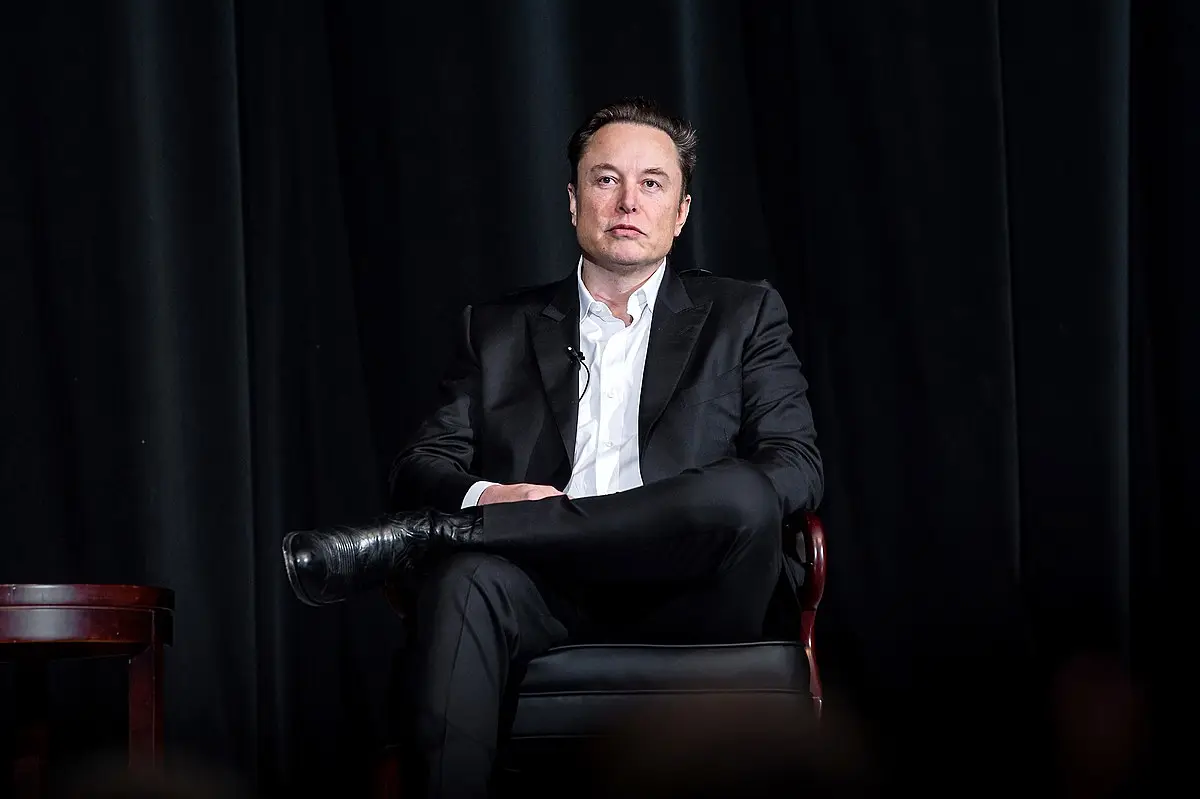
Elon Musk earned $252 billion in 2024 when investors believed in robotaxis. Tesla stock soared. But in 2025, Tesla share price dropped nearly 50 per cent in three months. Competition increased from Chinese electric car makers. Investors started asking: will robotaxis actually make money? When investors doubt, stock prices fall hard.
The Future Possibilities
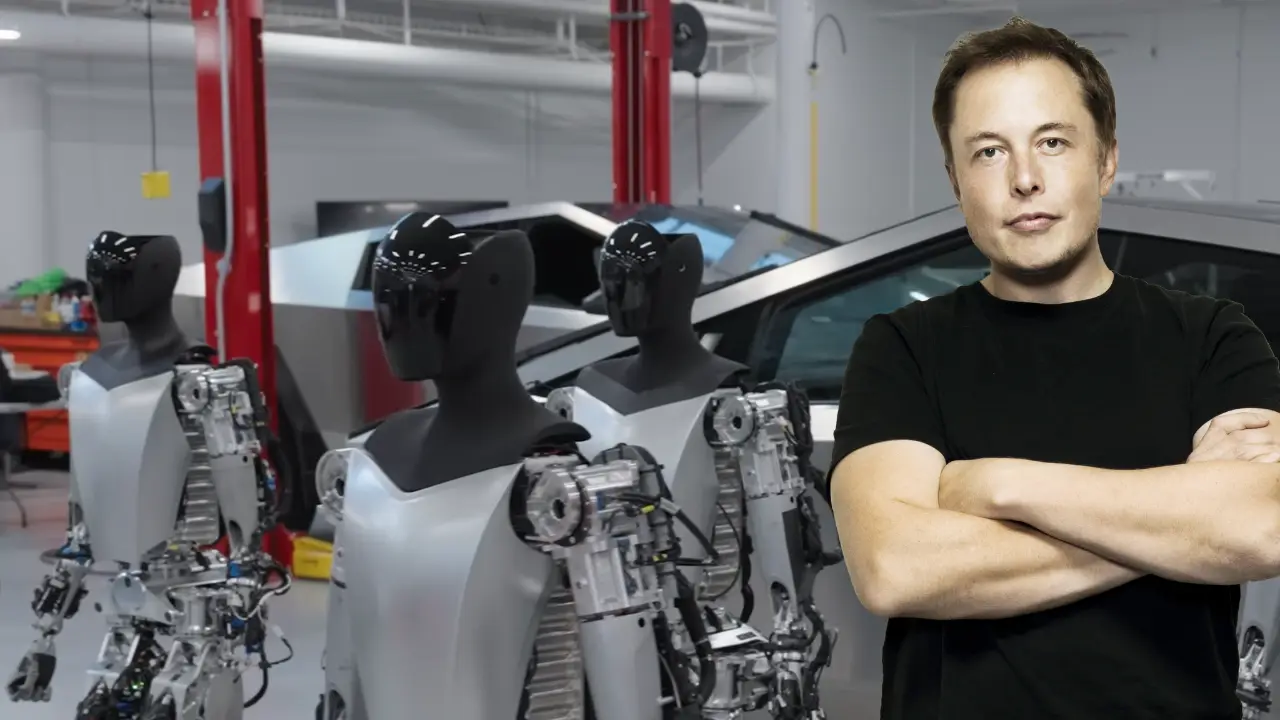
First, AI spending could pay off and billionaires stay rich. UBS expects 25 per cent earnings growth from AI companies in 2025. Second, an AI bubble could burst like the dot-com crash of 2000 when NASDAQ fell 77 per cent. Third, a correction could happen with 20-30 per cent falls, shifting money to other industries and new billionaires.
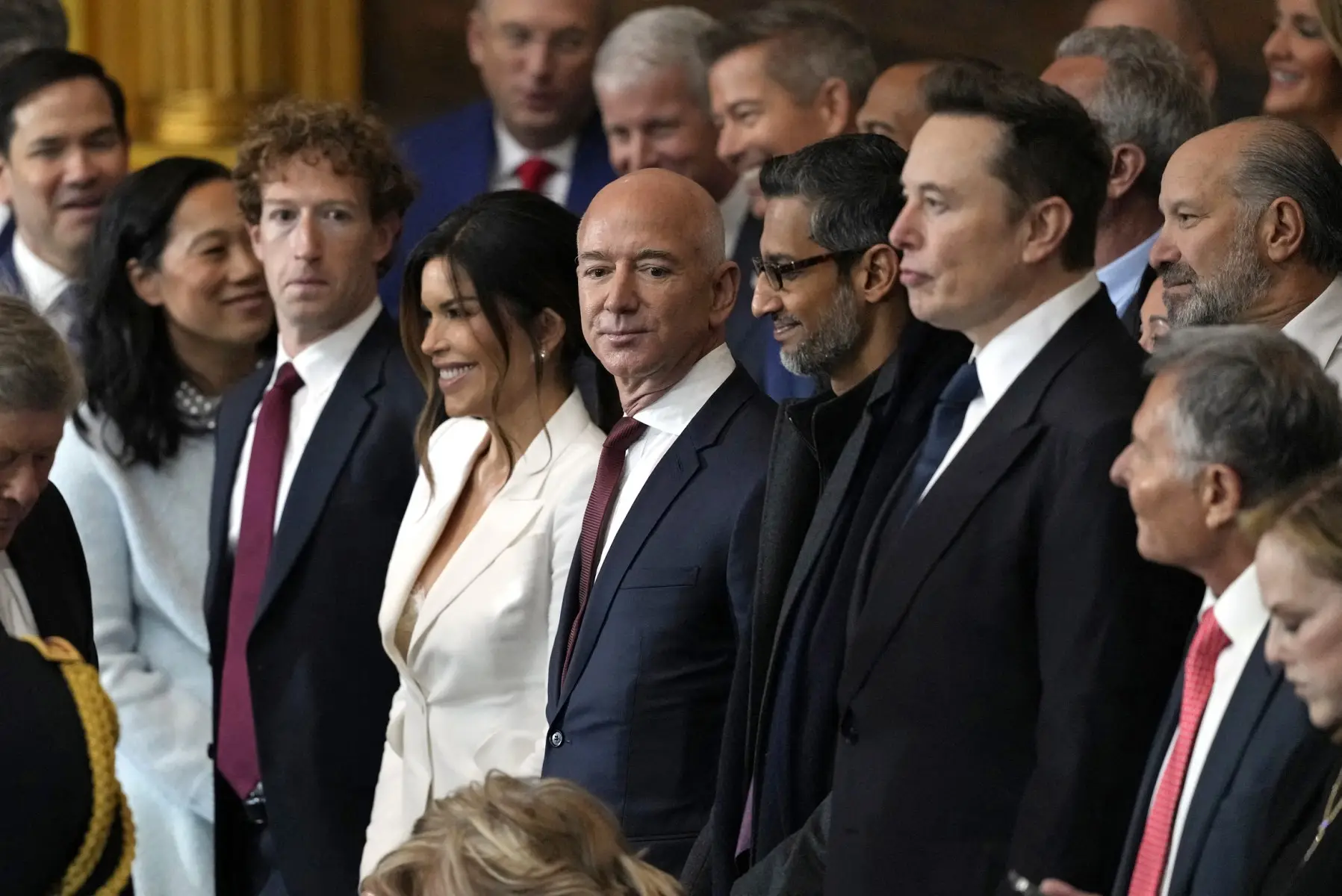
Why This Billionaire Shuffle Tells Us Something Important
Billionaire rankings keep changing because 39 per cent of the US stock market is just seven technology companies. When these companies struggle, everyone loses money through pension funds and retirement accounts. The big question remains: will AI boom turn into permanent profits, or is it another over-hyped bubble? Only time will tell.
)
)
)
)
)