Why this continent is completely missing from the fifth-gen fighter jet race?

Despite large economies, vast airspace and modern security challenges, no African nation operates or has ordered a fifth-generation jet.
Introduction
While the United States, Russia, China and several Asian nations develop and deploy fifth-generation fighter jets, Africa remains completely absent, not only from designing or producing such aircraft, but even from acquiring them. Despite large economies, vast airspace and modern security challenges, no African nation operates or has ordered a fifth-generation jet. Let's explore the economic, industrial and strategic reasons behind Africa’s absence from this exclusive club.
Defence Spending and Cost Barriers
Africa’s total military expenditure in 2023 was about US $43 billion (SIPRI). By contrast, the United States alone spent over US $800 billion. Fifth-generation fighters typically cost over US $80–100 million per unit, excluding maintenance and training. These costs place them well beyond the budgets of African air forces, which prioritise more affordable multirole fighters and light attack aircraft.
No Indigenous Aerospace Production
South Africa once led the continent’s aviation efforts, producing the Denel Rooivalk attack helicopter and upgrading older jets like the Cheetah. Yet after the 1990s, defence budgets fell and the domestic aerospace sector slowed. Today, no African nation has a programme to design, build or jointly develop fifth-generation aircraft, making both production and acquisition highly unlikely.
Strategic and Operational Needs
African air forces mainly carry out border patrol, counterinsurgency and support roles rather than large-scale air superiority missions. Existing aircraft like the MiG-29, Mirage F1 and modern trainers adapted for combat meet these requirements. Investing heavily in stealth jets offers limited practical benefit in this context.
Access Restrictions and Alliances
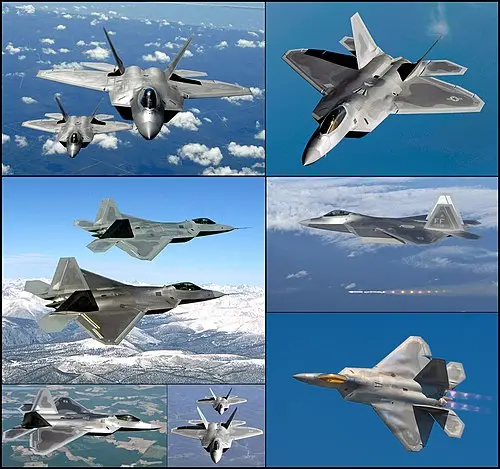
Fifth-generation fighters depend on advanced sensors, engines and stealth materials, which are often controlled by strict export regulations. African nations are not part of the alliances that share these technologies. As a result, even direct acquisition faces political and regulatory hurdles.
Continued Import of Older Jets
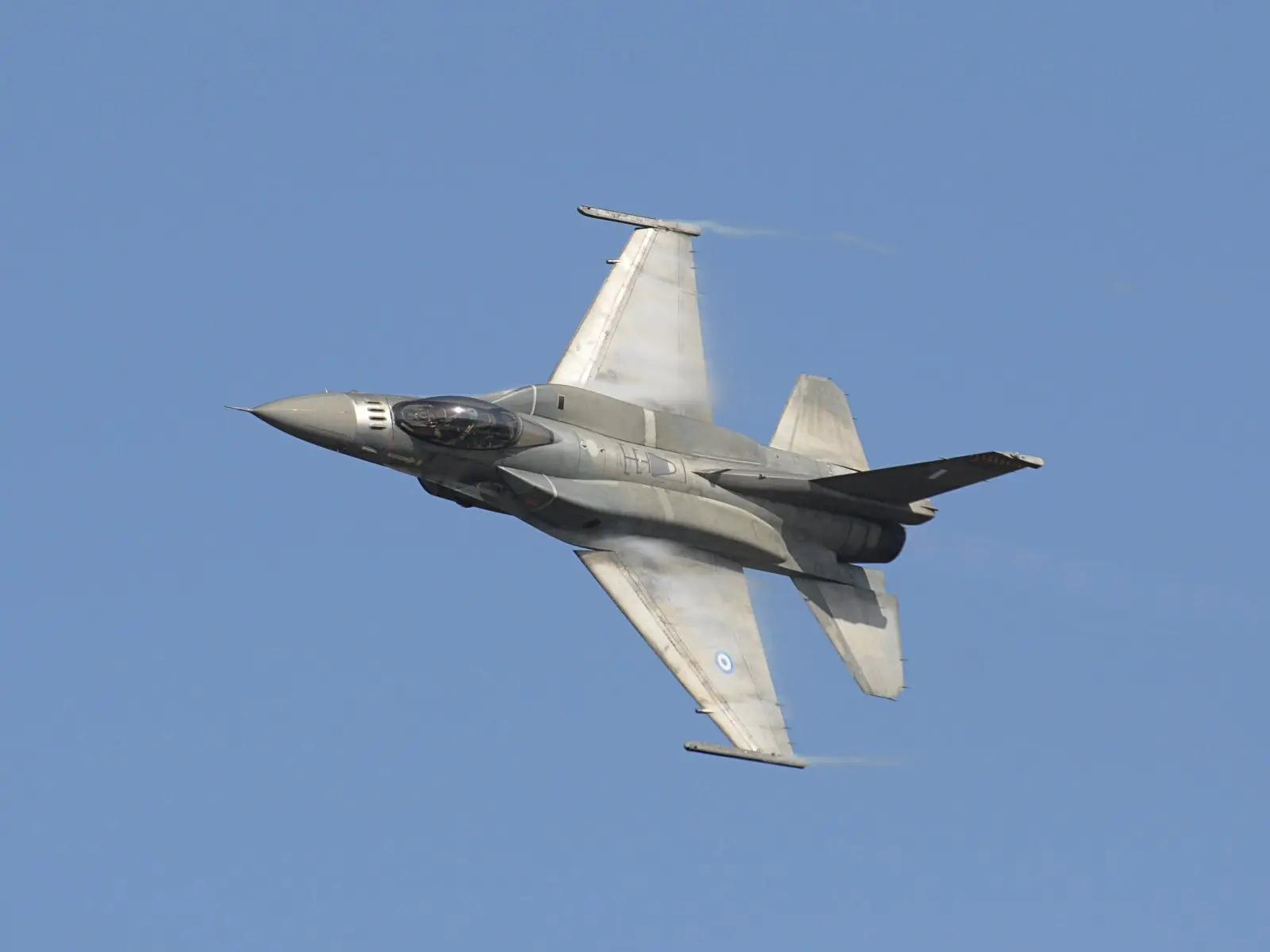
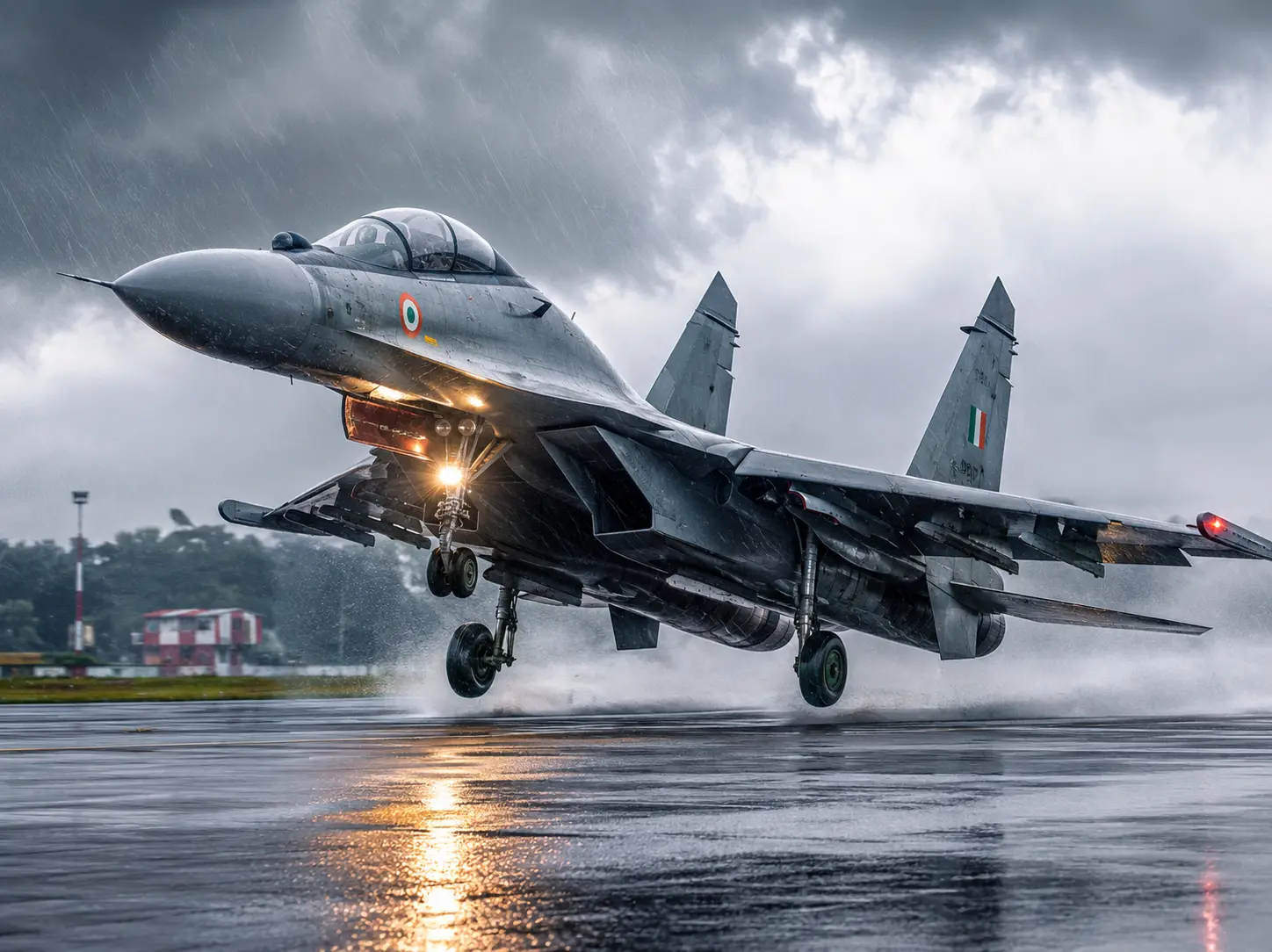
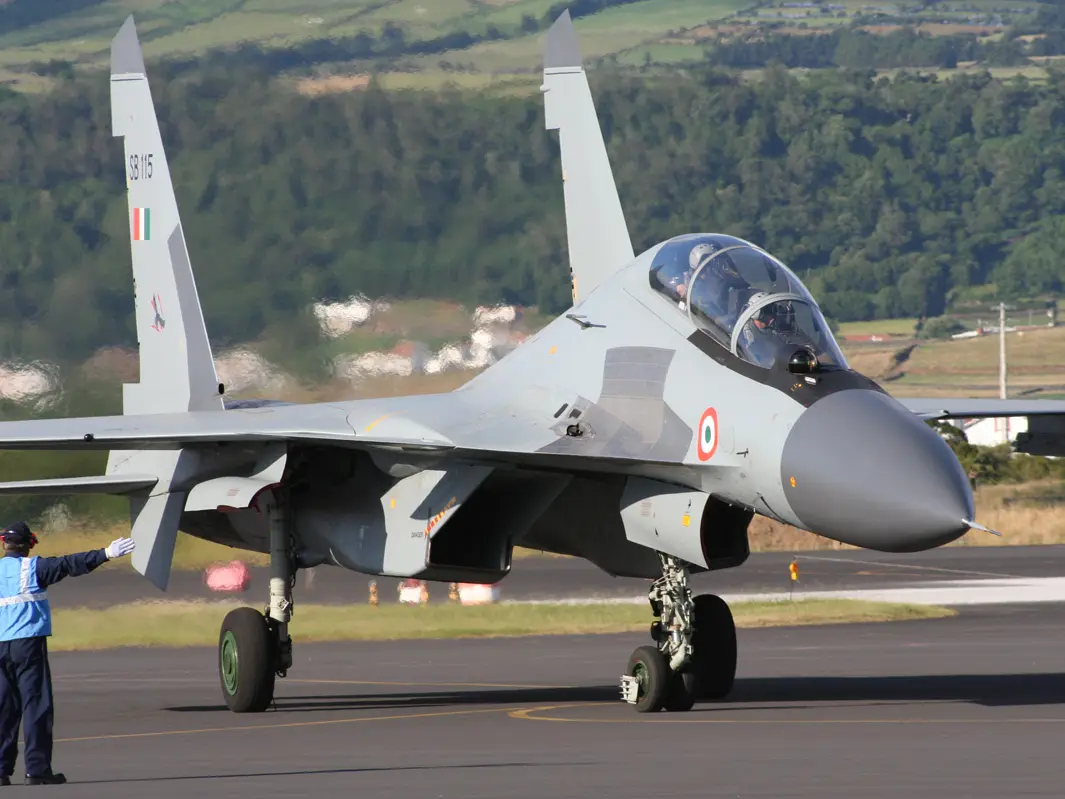
Instead of investing in cutting-edge stealth platforms, African air forces rely on proven fourth-generation fighters. Algeria and Egypt operate the Russian Su-30 and MiG-29; Nigeria flies the JF-17 from Pakistan. These aircraft cost less, are more readily available, and align with current mission profiles.
Countries That Might Buy in Future
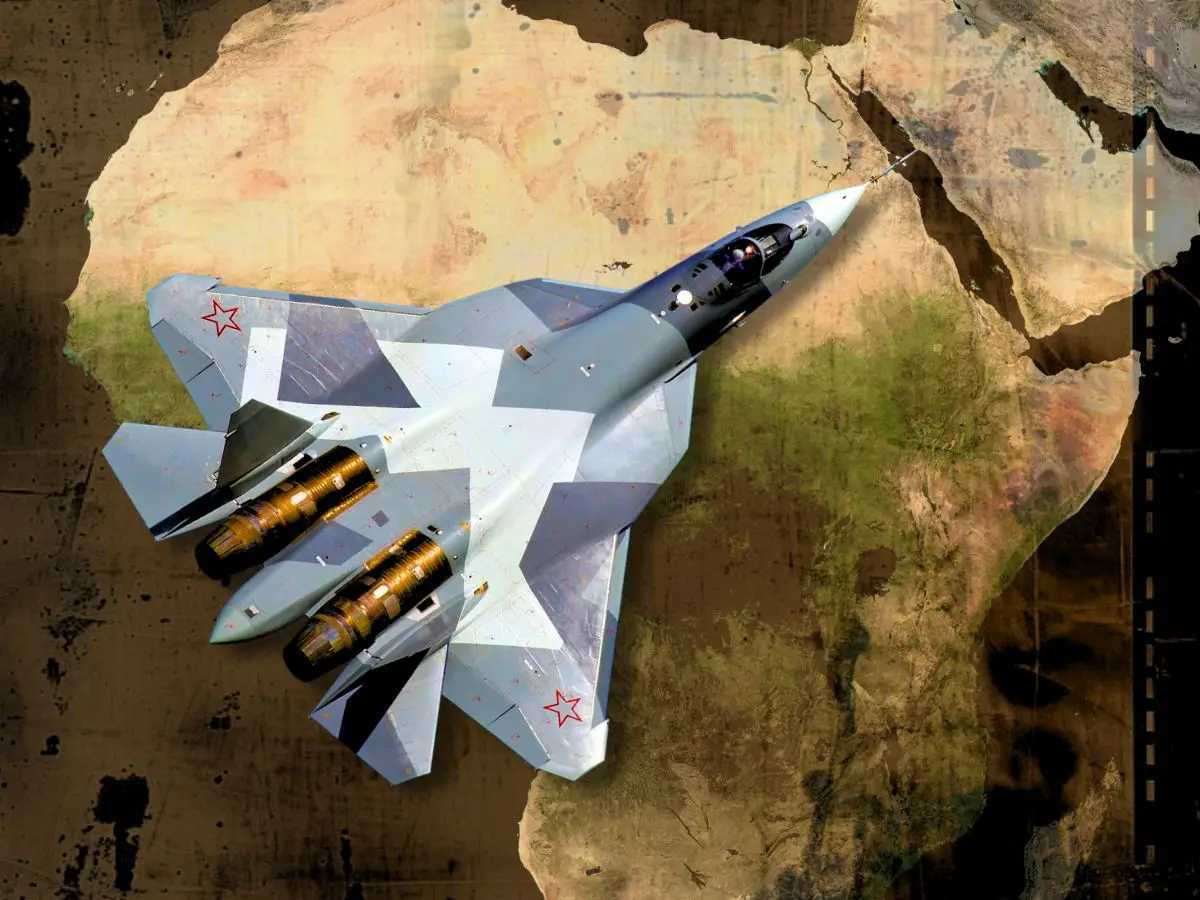
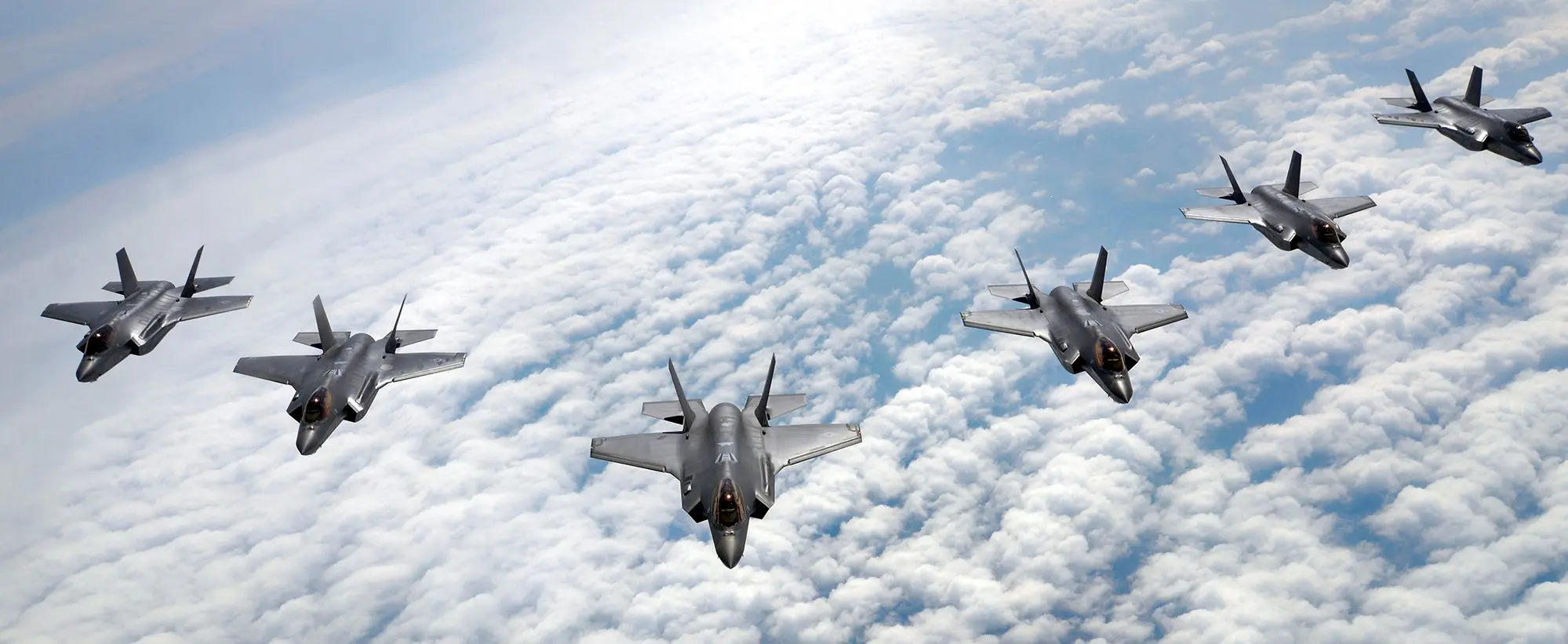
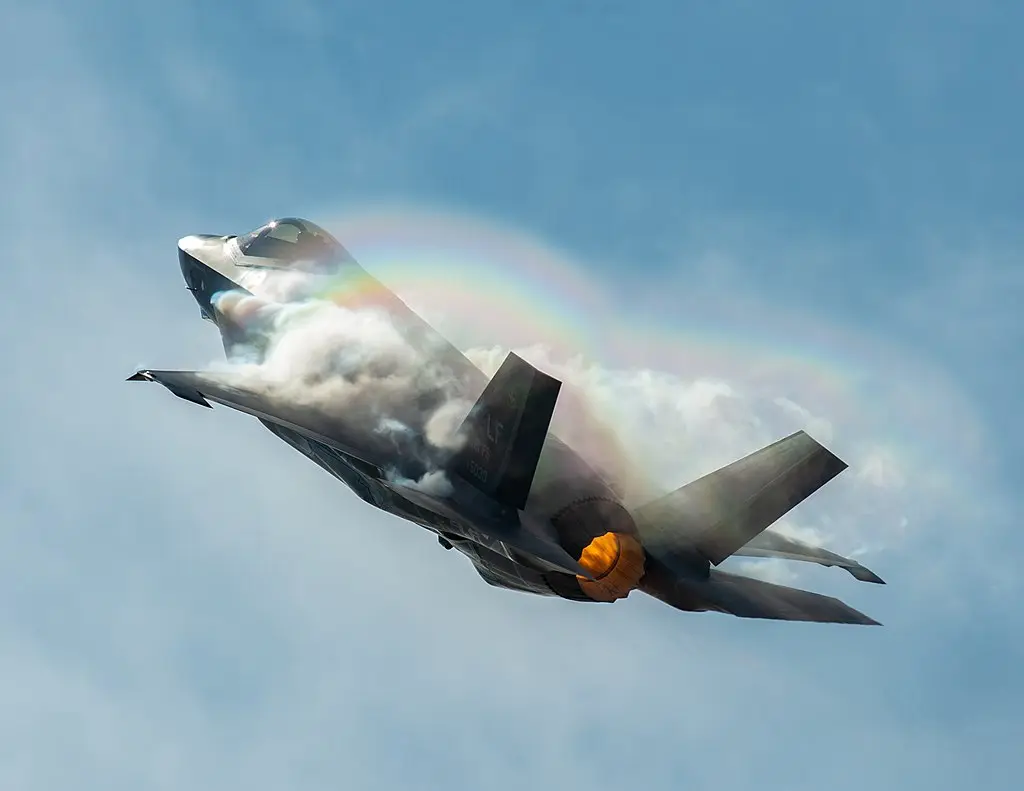
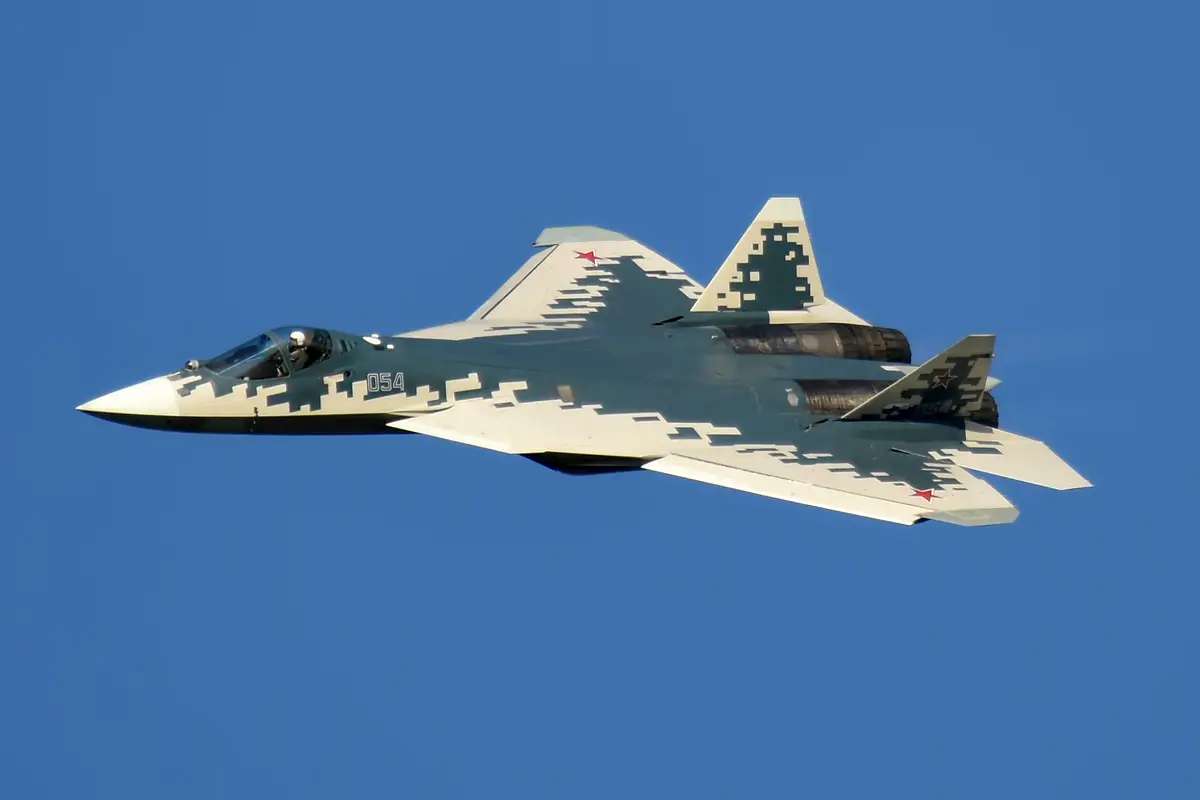
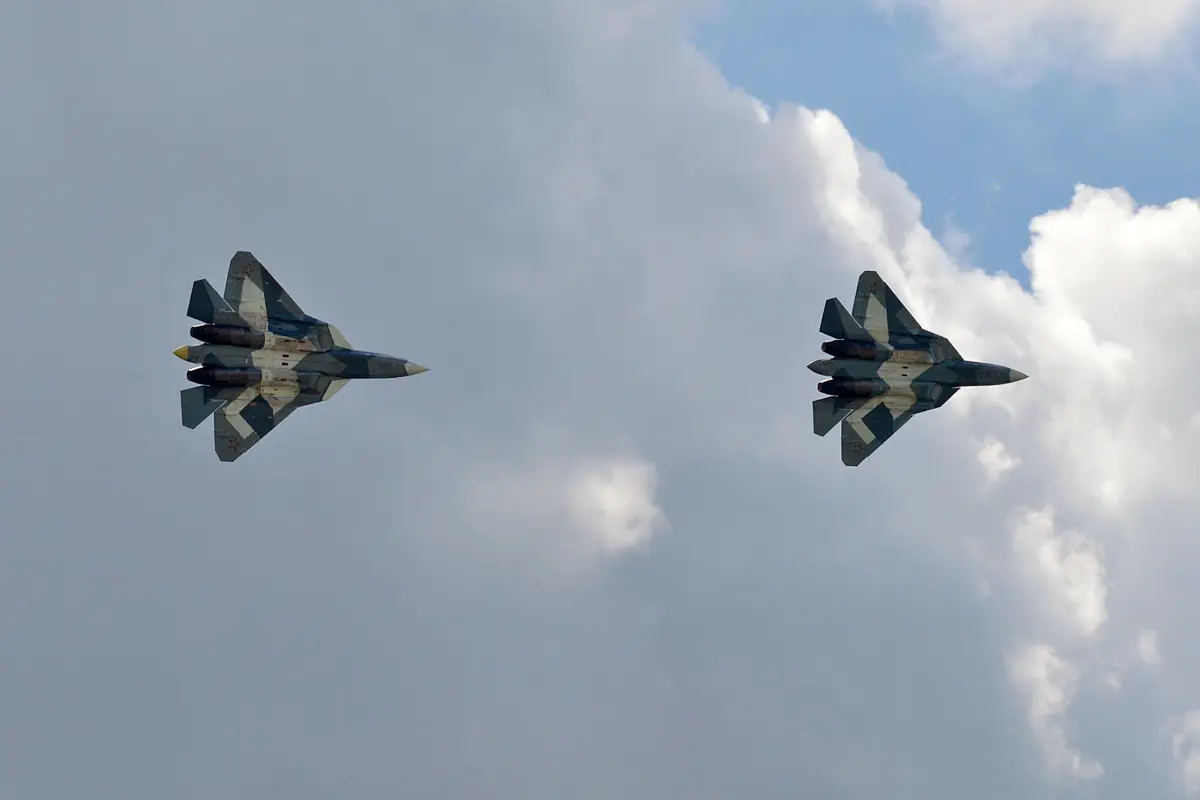
Morocco is reportedly in advanced negotiations to acquire the American F-35, potentially becoming the first African nation to operate this fifth-generation fighter. Algeria, on the other hand, is set to become the first export customer for the Russian Sukhoi Su-57, another fifth-generation aircraft.
)
)
)
)
)