Why the US military still trusts a bomber designed in the 1950s

The 1950s-designed Boeing B-52 is undergoing a USD 48.6 billion upgrade. Now the B-52J, it gains Rolls-Royce engines, AESA radar, and a 70,000-pound payload, remaining a lethal missile truck for 100 years.
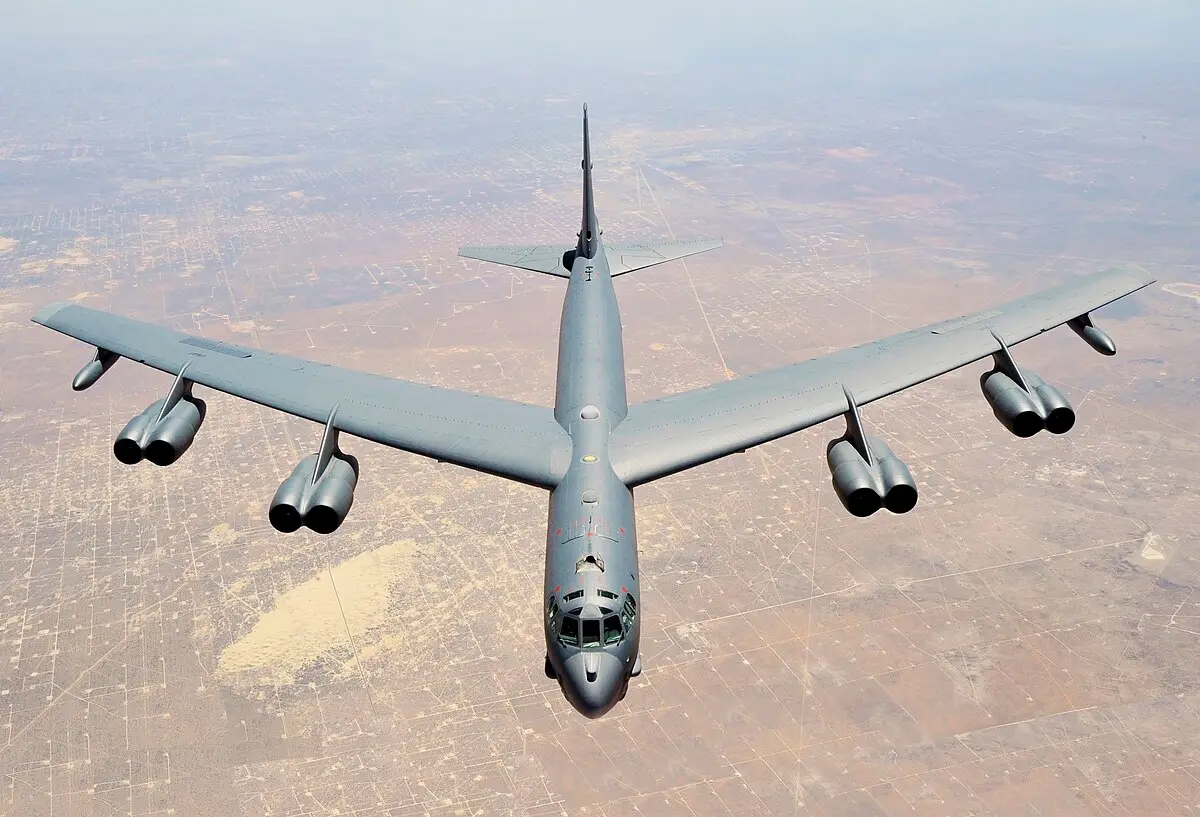
A Cold War Relic
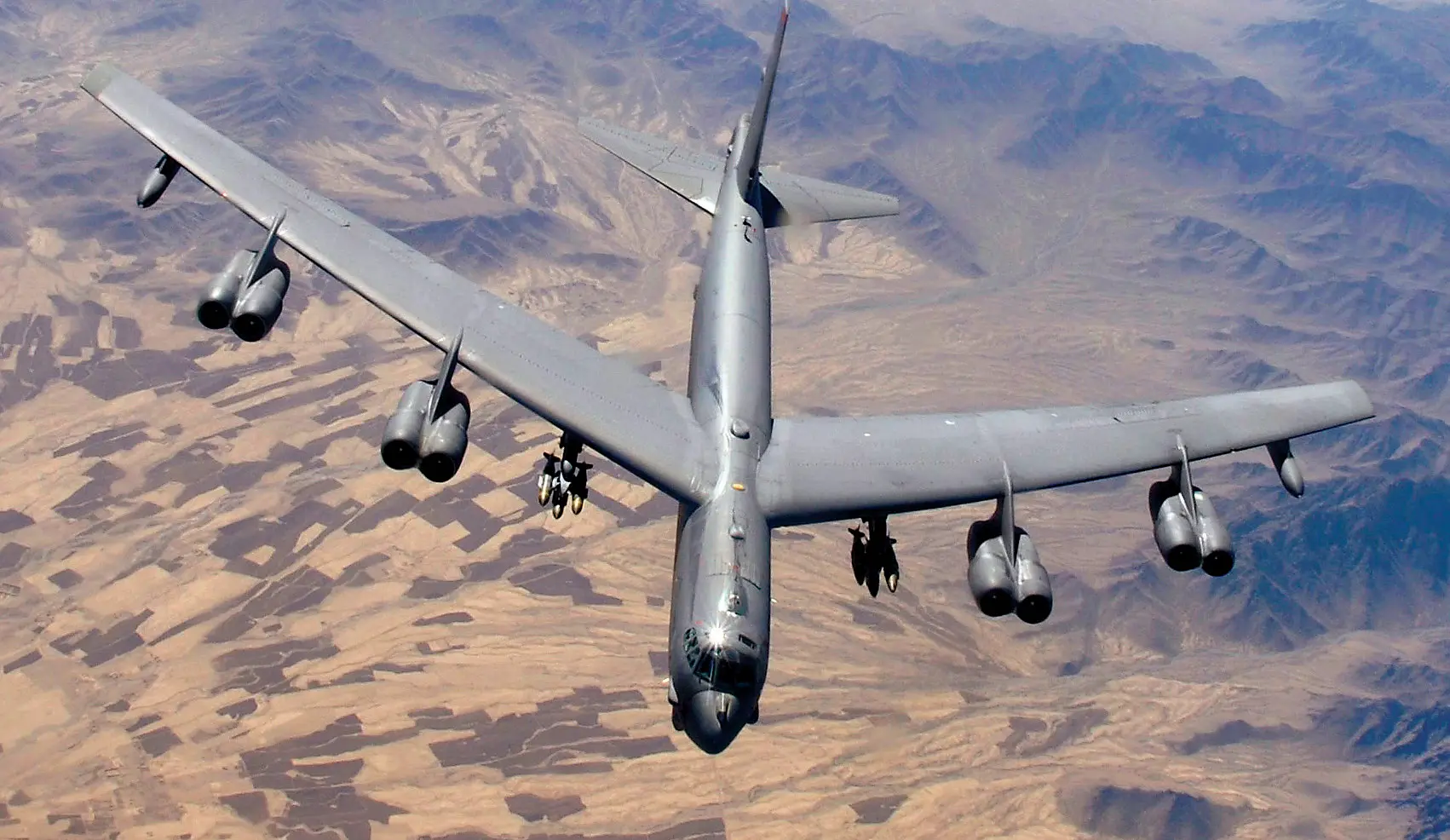
The Boeing B-52 Stratofortress was originally designed to carry nuclear weapons deep into Soviet territory during the early days of the Cold War. Today, every B-52 currently flying is over 60 years old, yet the US Air Force plans to keep them in service well into the 2050s.

The USD 48.6 Billion Revamp
Instead of retiring the ageing fleet, the US military is executing a massive USD 48.6 billion modernisation programme. Redesignated as the B-52J, the upgraded aircraft is receiving comprehensive upgrades, including digital cockpit controls, modern secure data links, and new avionics systems.
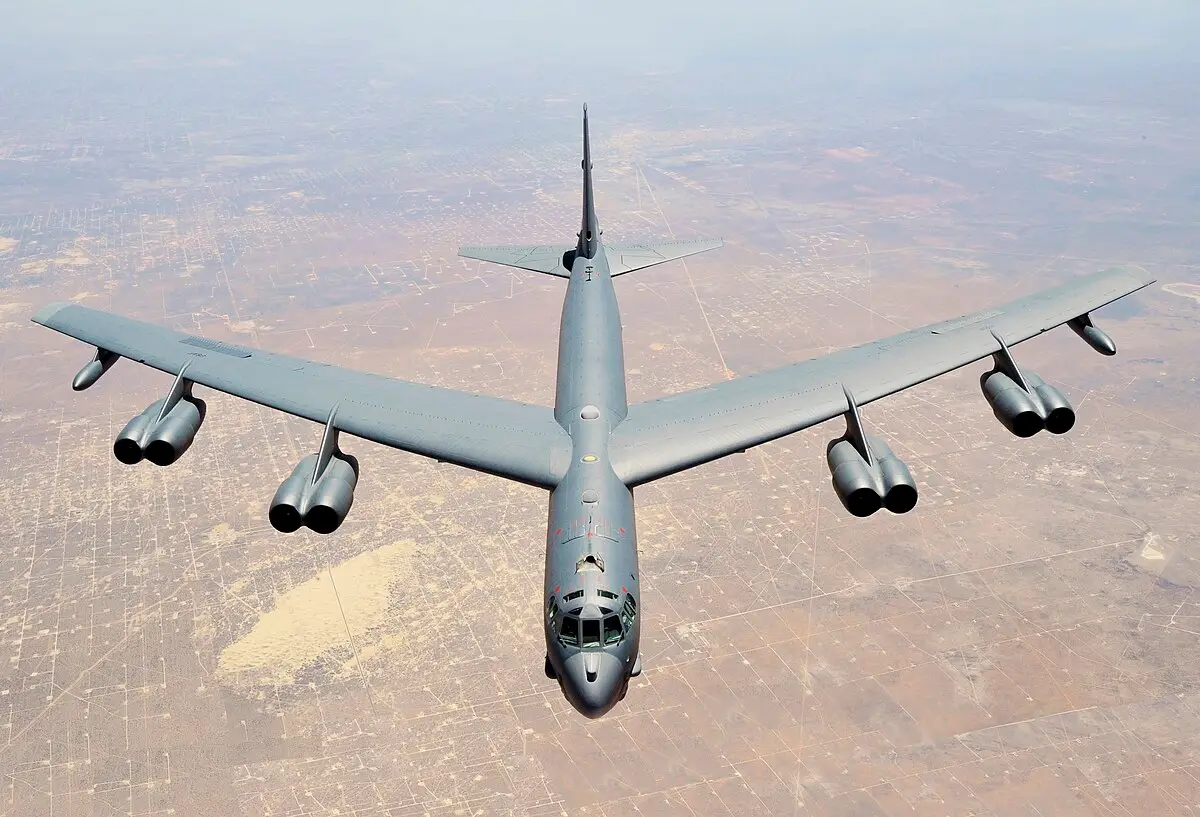
Rolls-Royce F130 Engines
The centrepiece of this overhaul is replacing the bomber's original, high-maintenance TF33 turbofans with eight brand-new Rolls-Royce F130 engines. This commercial engine swap will cut the massive aircraft's fuel consumption by roughly 30 per cent, significantly extending its flight range.
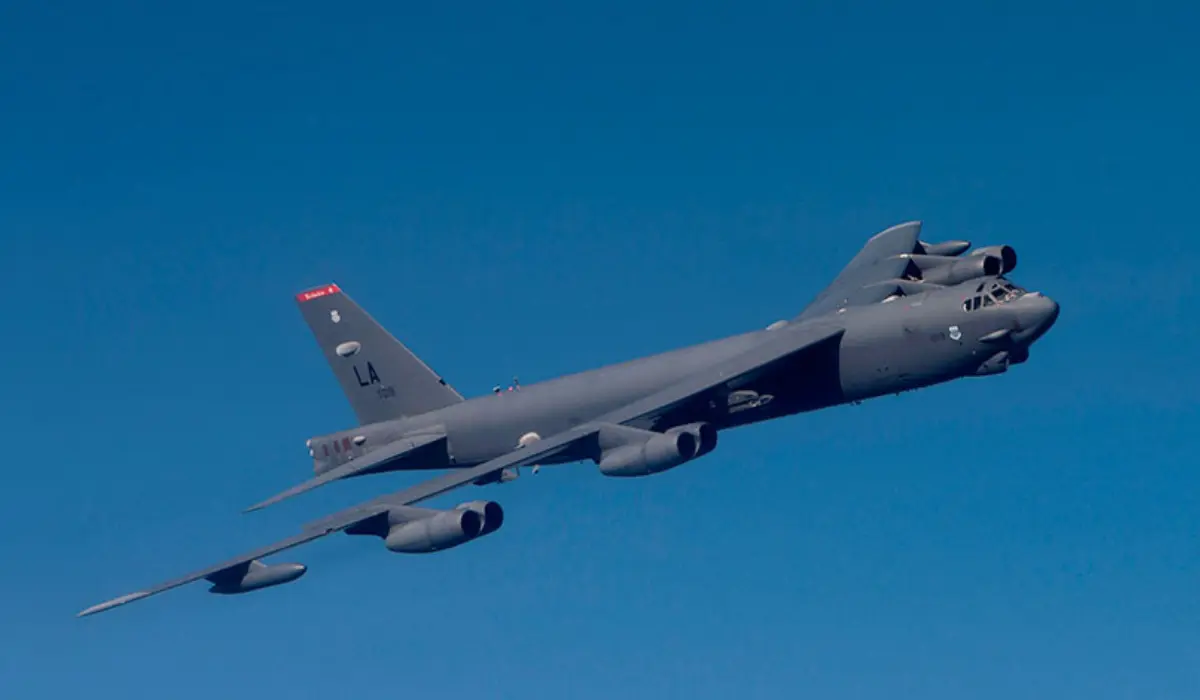
Advanced AESA Radar
The B-52 is trading its antiquated Cold War-era mechanically scanned radar for the powerful AN/APQ-188 Active Electronically Scanned Array (AESA). This advanced sensor system drastically improves target acquisition and allows the bomber to instantly share targeting telemetry across the battlespace.
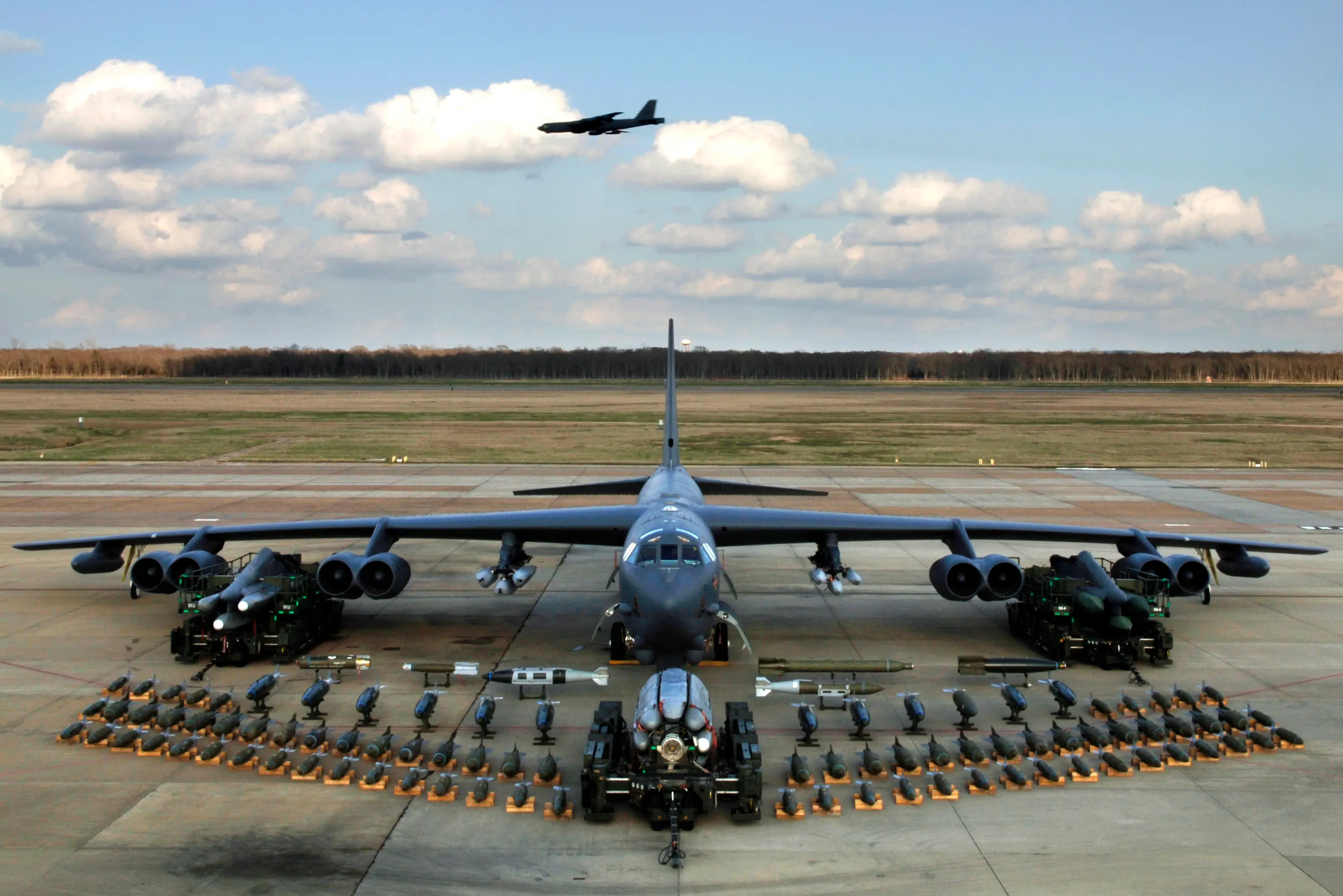
The Ultimate Missile Truck
The B-52 remains tactically relevant today because its immense 70,000-pound payload capacity turns it into an unparalleled airborne missile truck. It uses this massive payload to launch next-generation standoff weapons, like the AGM-181 nuclear cruise missile, from well beyond enemy air defences.
Agile Combat Operations
The new F130 engines utilise modern electric starter motors, entirely eliminating the need to airlift heavy pneumatic carts just to start the bomber. This allows the B-52J to operate from remote, austere airfields with limited support, perfectly aligning with the Agile Combat Employment doctrine.
A Century in the Sky
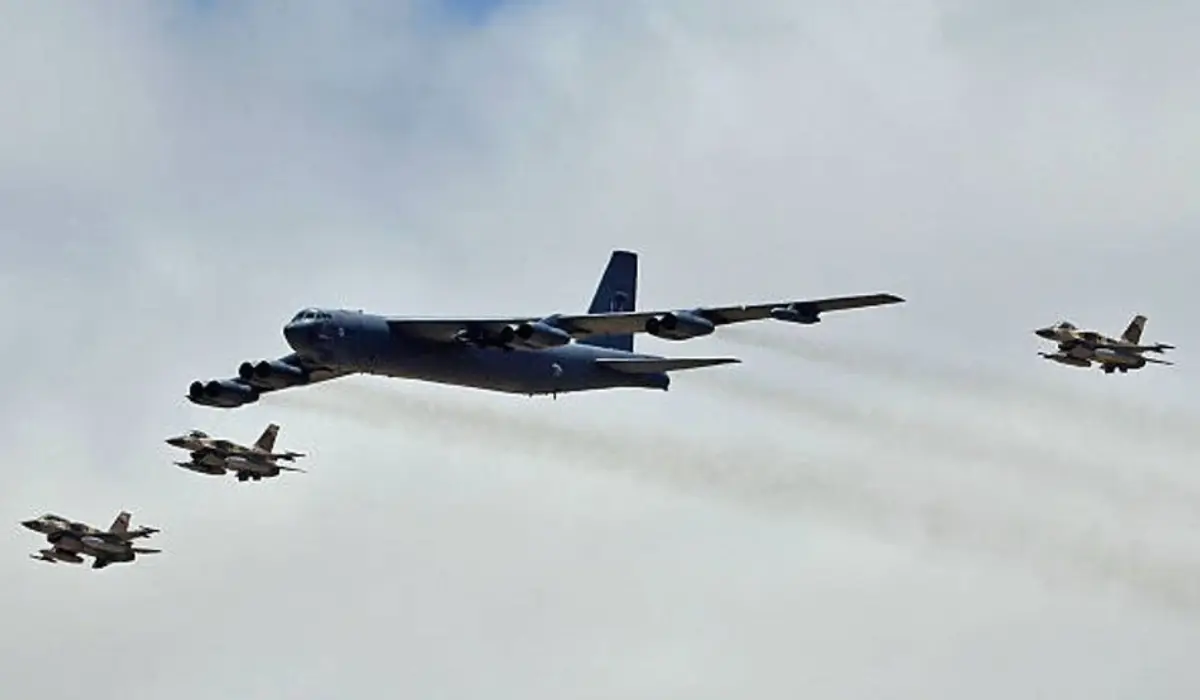
The Stratofortress has outlived every advanced aircraft specifically designed to replace it. With the latest upgrades locking in operations alongside the new B-21 Raider, the iconic bomber is set to achieve an unprecedented 100 years of active military service.
)
)
)
)
)