Why the US military may attack Iran from its bases instead of from the USS Abraham Lincoln?

The US military may prefer regional land bases over the USS Abraham Lincoln for a potential strike on Iran. Land bases protect aircraft carriers from anti-ship missiles while enabling heavy bombers to deploy massive bunker busters.
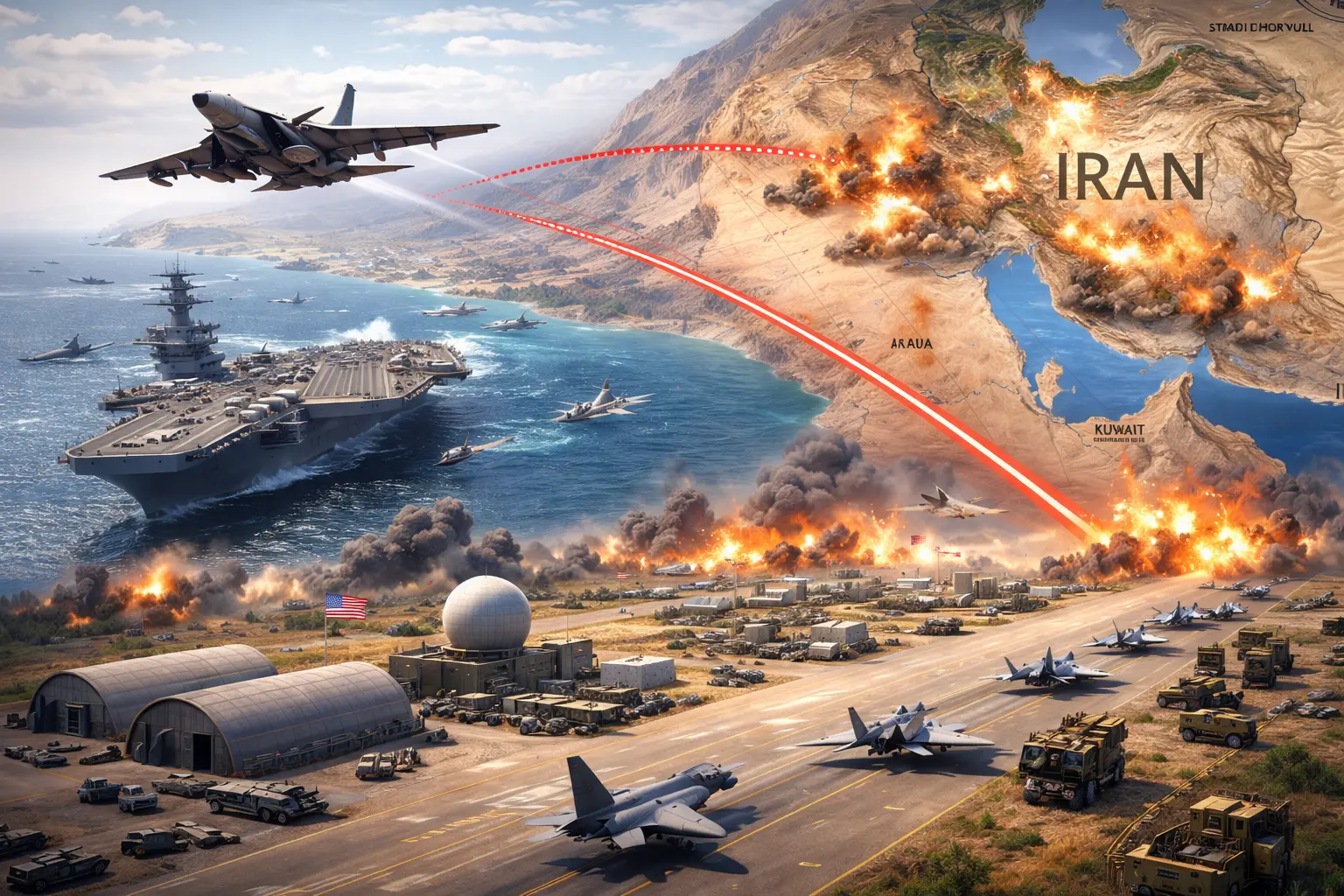
100,000-Tonne Carrier Deployment
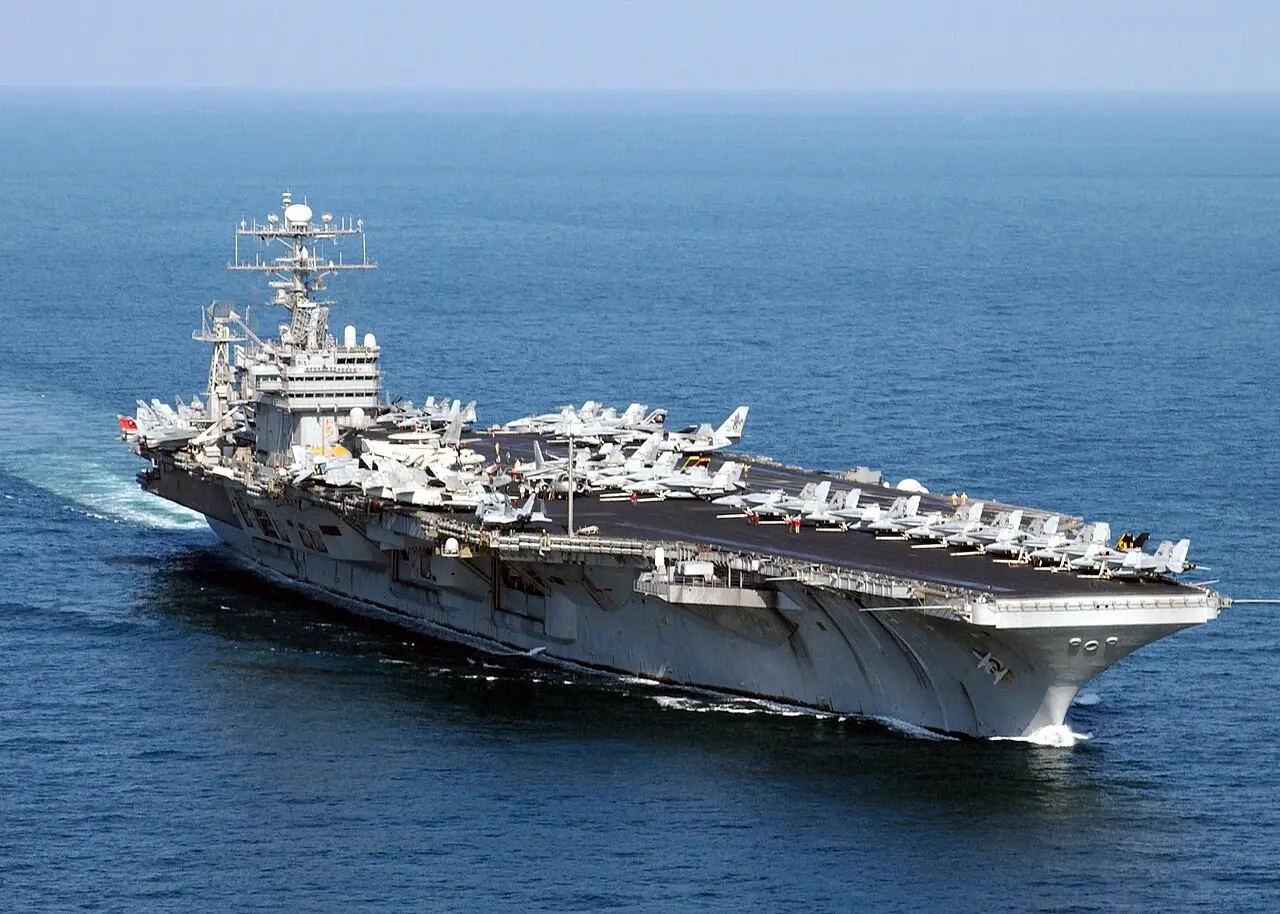
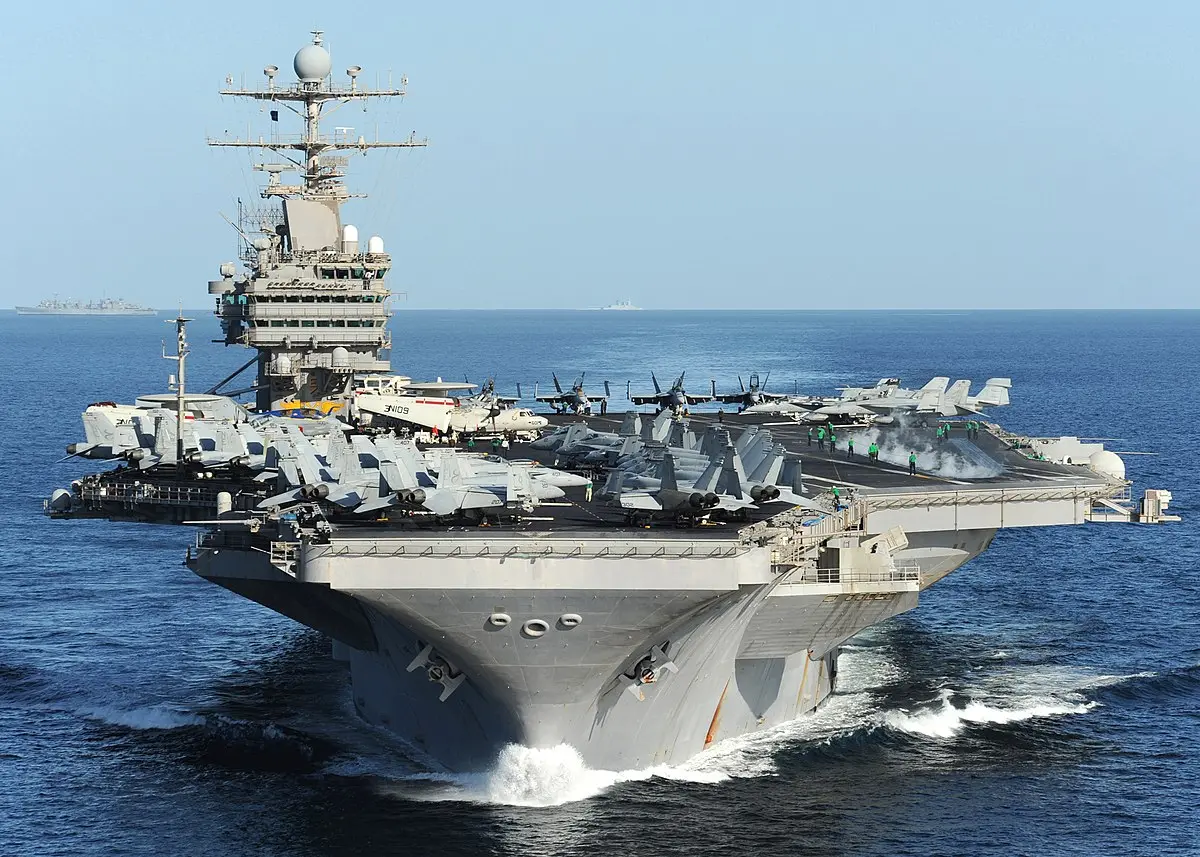
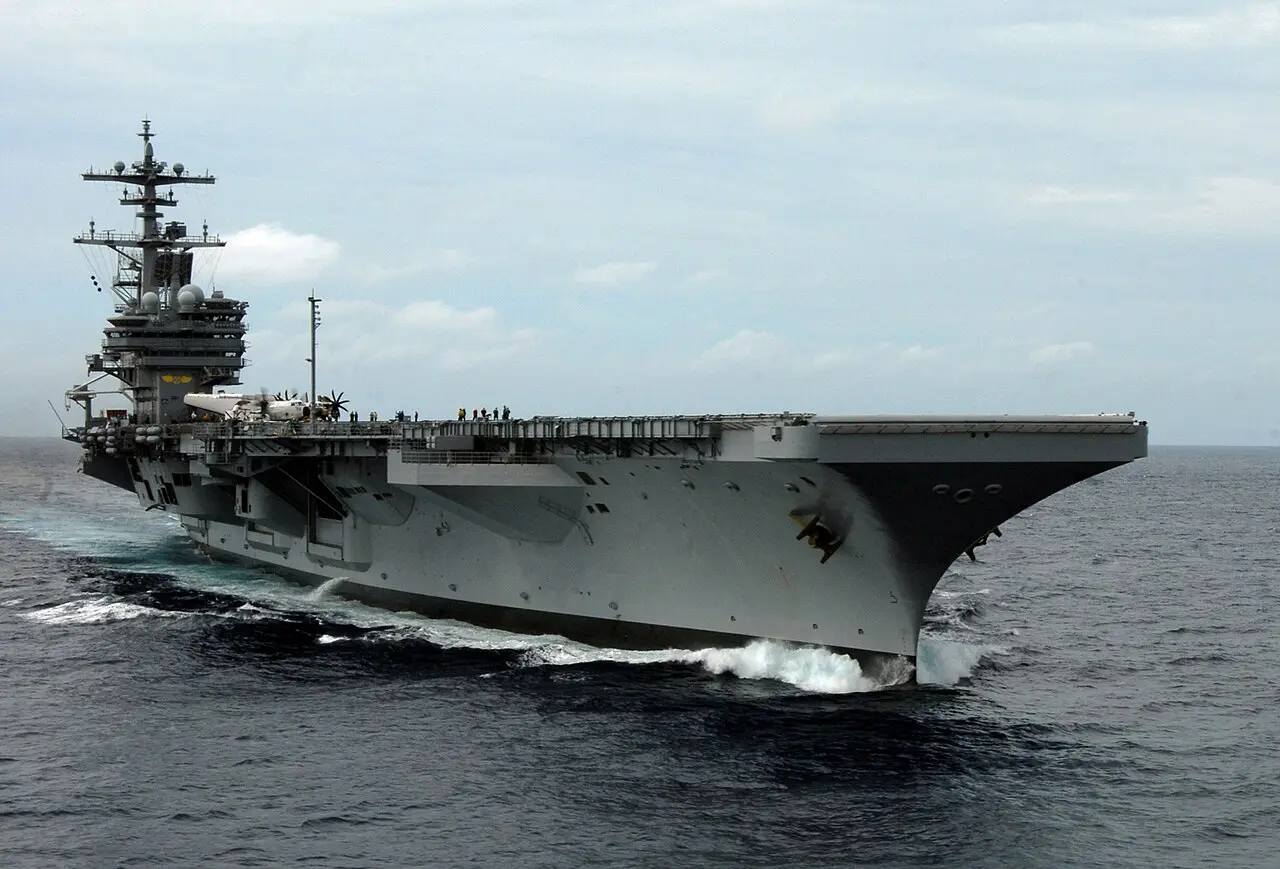
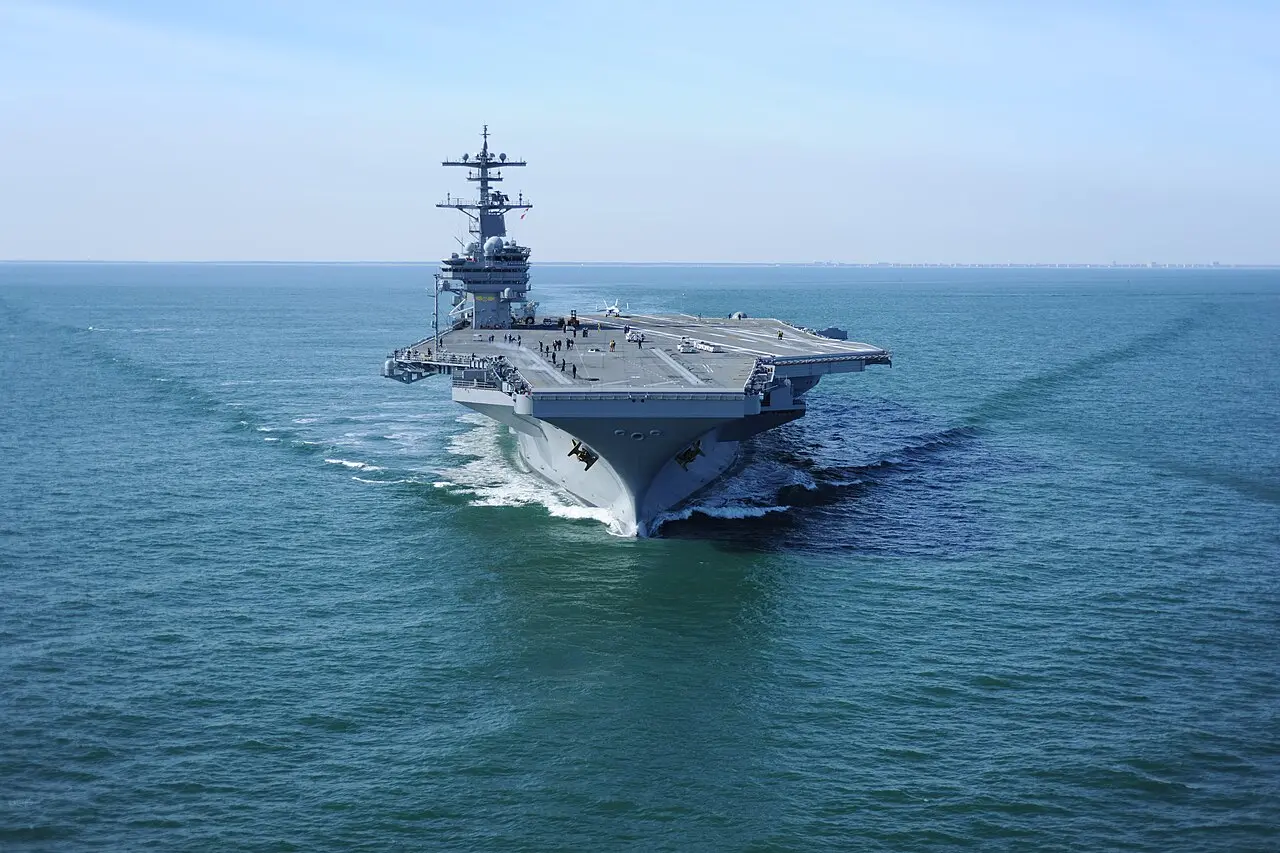
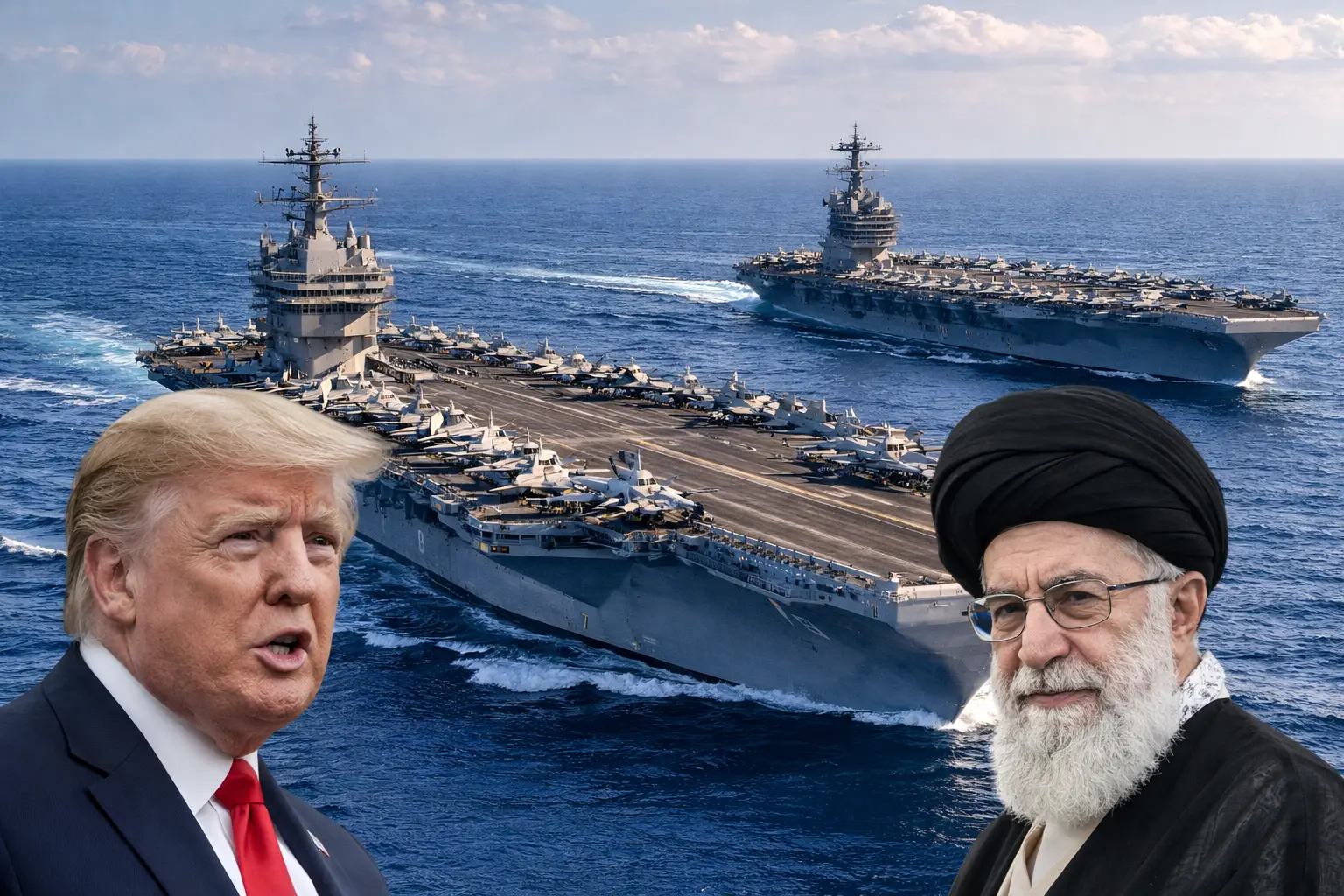
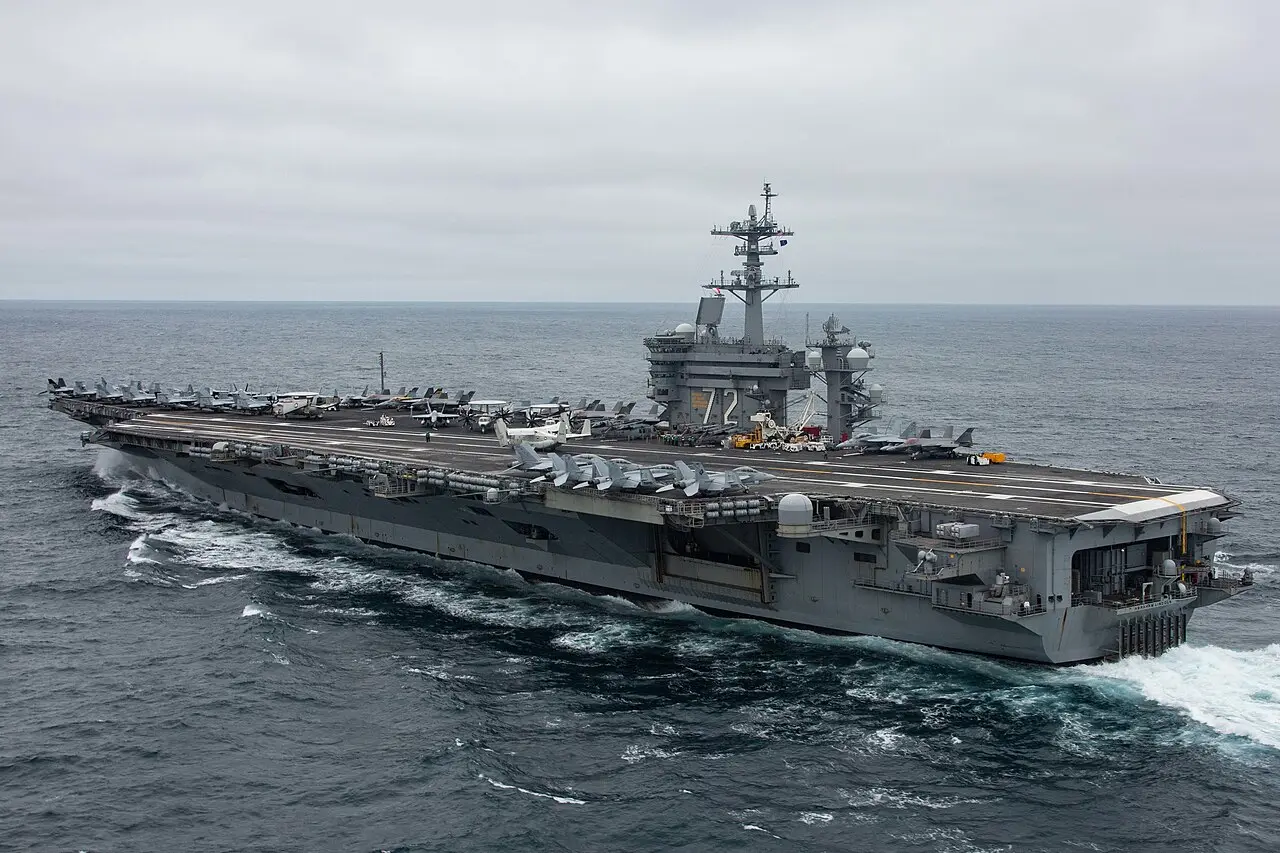
The US has deployed the USS Abraham Lincoln to the Middle East amid rising tensions. While this massive aircraft carrier group projects significant power, strategists suggest it might not be the primary launchpad for a direct strike against Iran.
300-Kilometre Missile Threat
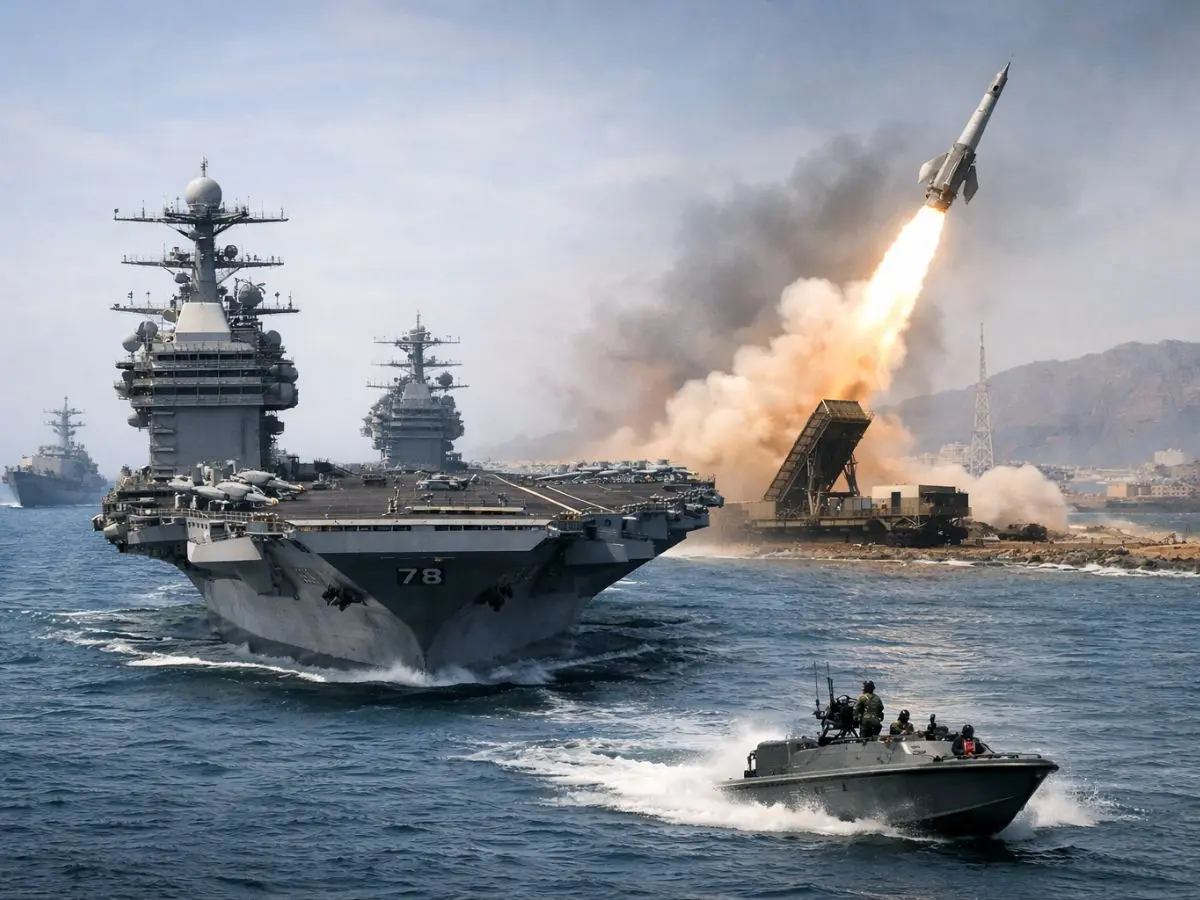
Iran possesses a formidable arsenal of anti-ship ballistic missiles, such as the Khalij Fars. These weapons can travel at supersonic speeds over hundreds of kilometres, making large vessels highly vulnerable in the narrow Persian Gulf.
Limiting Extreme Carrier Risks
Bringing a multi-billion-dollar aircraft carrier close to Iranian shores puts thousands of sailors at extreme risk. To avoid a catastrophic hit from a missile swarm, the US military may keep the carrier at a safe distance and rely on land bases.
B-2 Heavy Bomber Capabilities
While regional bases handle fighter jets, secure distant locations, such as Diego Garcia or the continental US, serve as launchpads for massive strategic bombers like the B-2 Spirit. Unlike carrier-based aircraft, only these heavy bombers can carry the enormous payloads required to penetrate Iran's heavily fortified underground facilities.
13,600-Kilogramme Bunker Busters
The US relies on the 13,600-kilogramme GBU-57 Massive Ordnance Penetrator to destroy deep nuclear sites like Fordow. Aircraft carriers cannot launch these colossal bunker busters, making land-based bombers absolutely essential for the mission.

Dispersed Middle East Bases
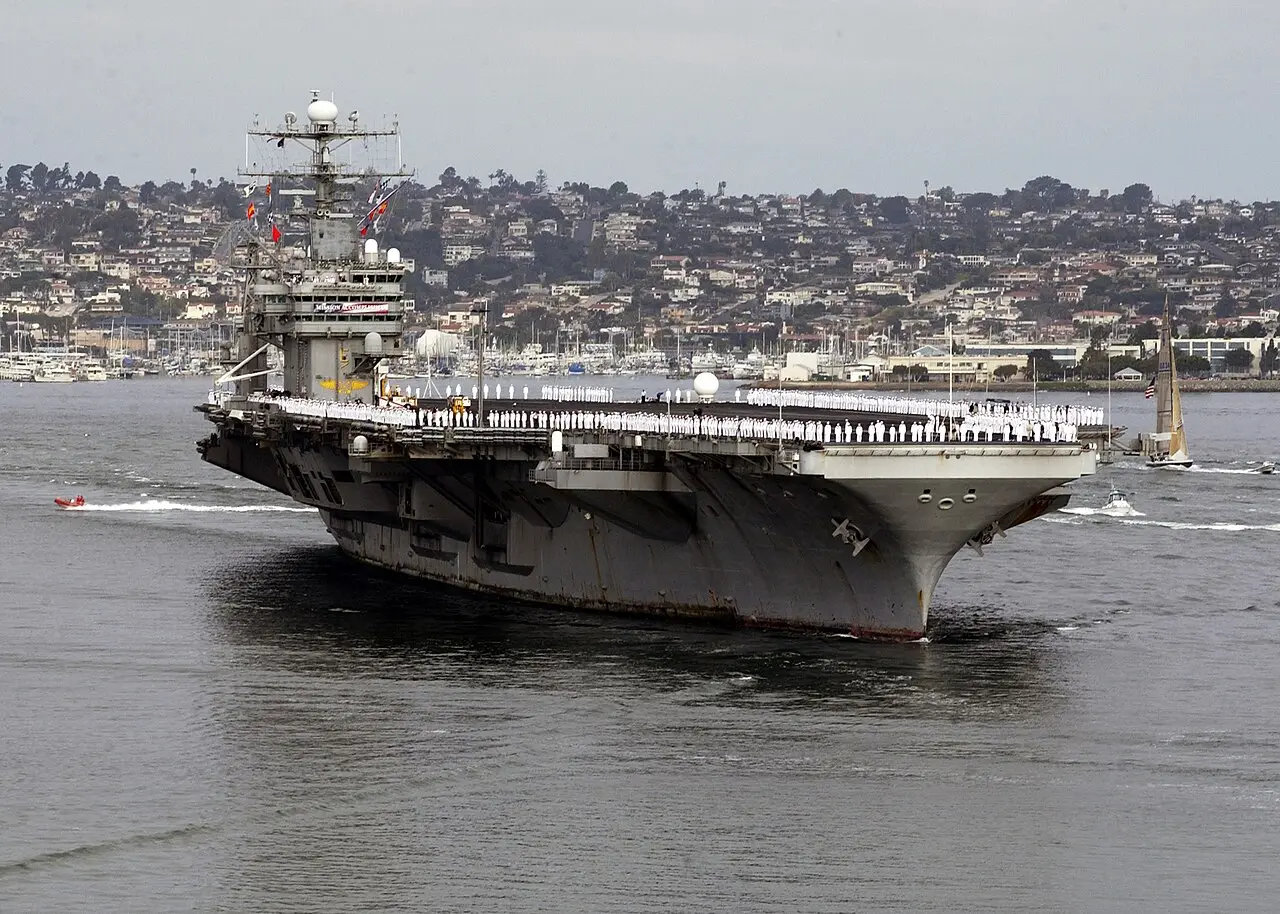
Land bases scattered across the Middle East allow the US military to distribute its fighter jets and bombers widely. This dispersion makes it significantly harder for Iran to neutralise the American air threat in a single retaliatory attack.
F-35 Stealth Fighter Range
Bases in the region routinely host fifth-generation F-22 and F-35 stealth fighters. Operating from land allows these advanced jets to launch much closer to Iranian airspace, maximising their fuel range and time over the target area.
High Sustained Sortie Rates
Major land bases possess vast fuel and munitions storage capabilities. This logistical advantage allows the US Air Force to sustain high-intensity, continuous bombing campaigns much longer than a carrier's limited magazine would permit.
Multi-Layered Air Defences
Strategic land bases are heavily protected by established, multi-layered defence systems, including Patriot and THAAD batteries. While a carrier strike group boasts formidable Aegis missile defences, networked land bases provide a deeply entrenched, overlapping shield capable of absorbing large-scale ballistic missile barrages.
Tactical Element of Surprise
A carrier strike group's movements are easily tracked by satellites and coastal radar. Launching a coordinated attack from multiple secure land bases provides the US military with a crucial element of surprise, complicating Iran's defensive preparations.
)
)
)
)
)