Why the US military keeps upgrading the B-52 instead of replacing it

The Boeing B-52 remains uniquely versatile due to its 70,000-pound multi-mission payload capacity. Armed with new Rolls-Royce F130 engines and fighter-derived AESA radar, the modernized B-52J stands ready to serve for 100 years.Untitled Summary

The Adaptable Giant
First flown in 1952, the Boeing B-52 Stratofortress has transitioned from a high-altitude nuclear penetrator to the most versatile platform in the US Air Force. Its expansive structural design allows it to quickly adapt to entirely new mission sets that younger stealth aircraft cannot support.
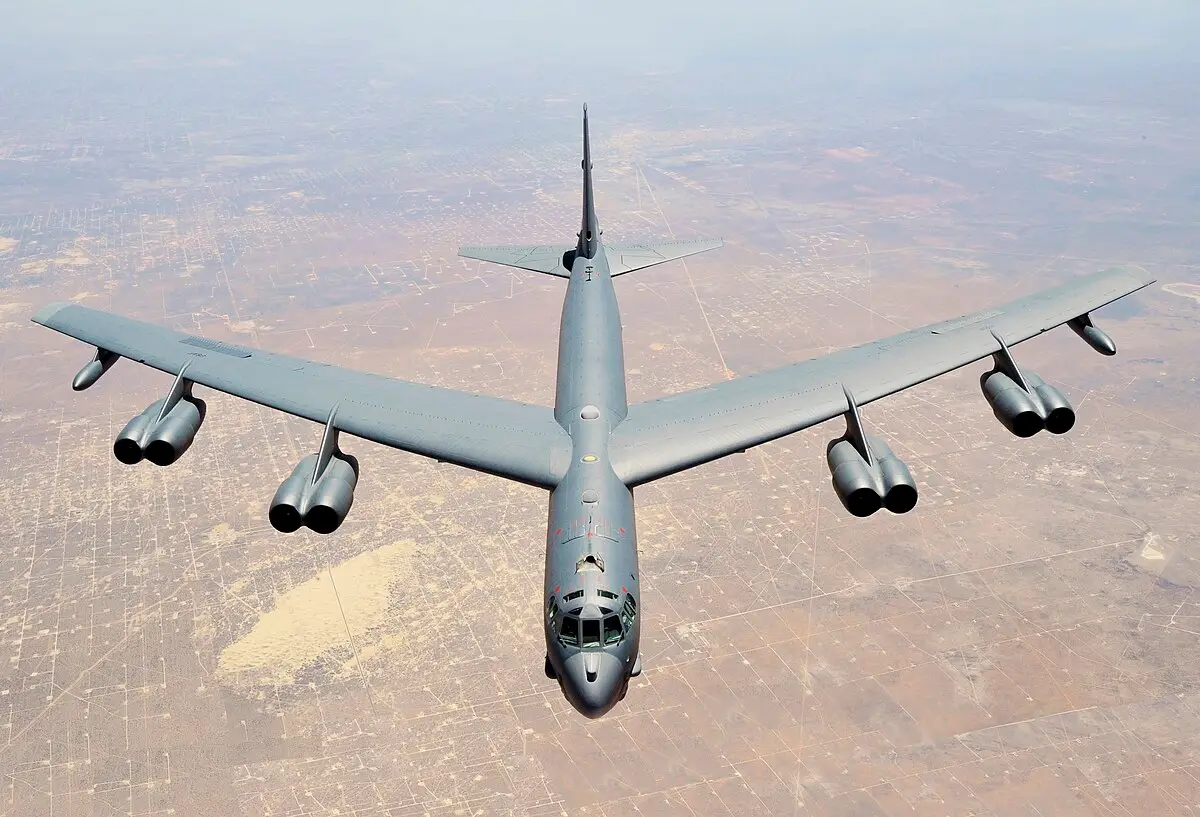
Unmatched Payload Flexibility
The bomber's primary strength lies in its massive 70,000-pound payload capacity. It can seamlessly swap between dropping precision-guided conventional weapons, launching long-range nuclear cruise missiles, and deploying naval mines to blockade shipping lanes.
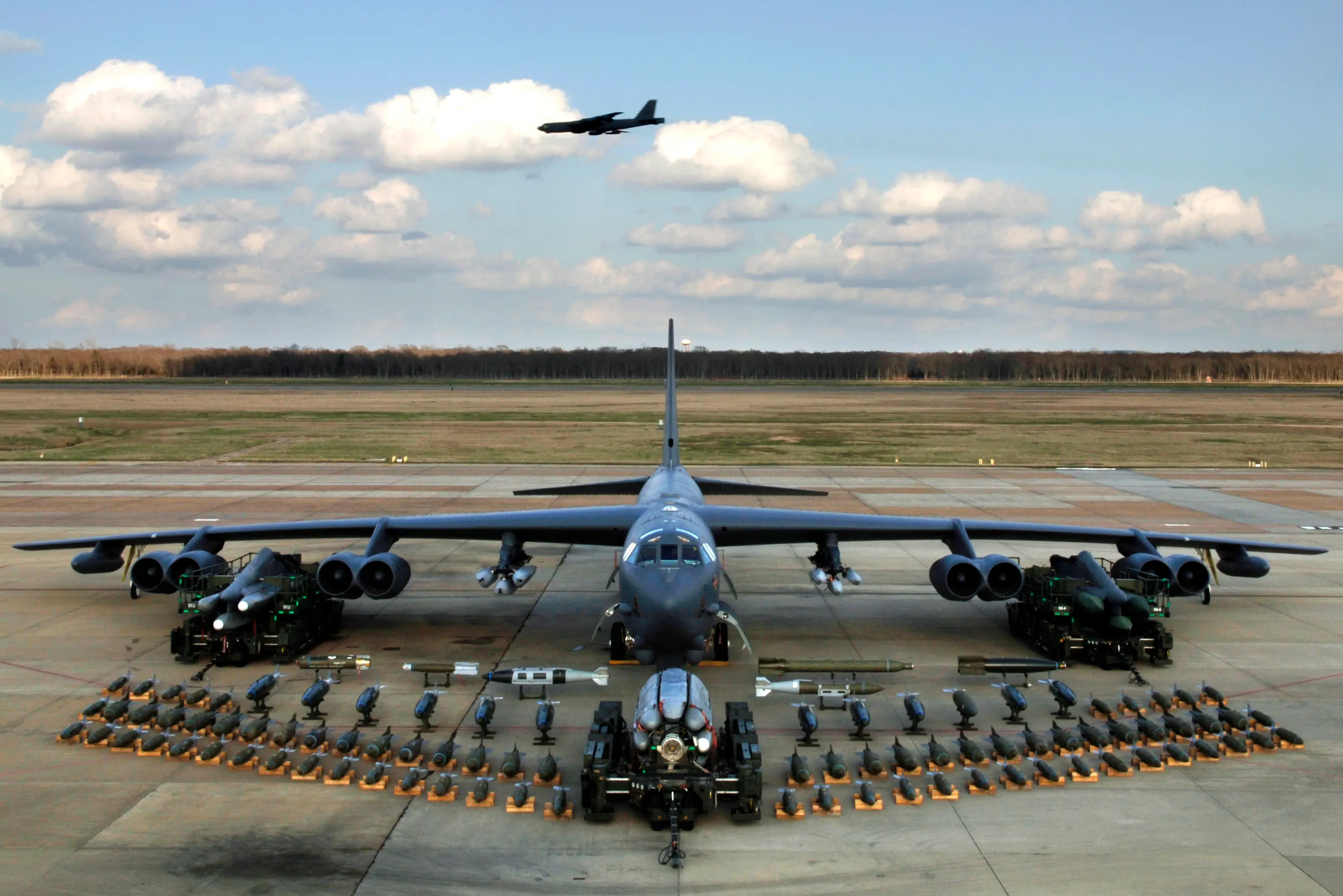
The Standoff Evolution
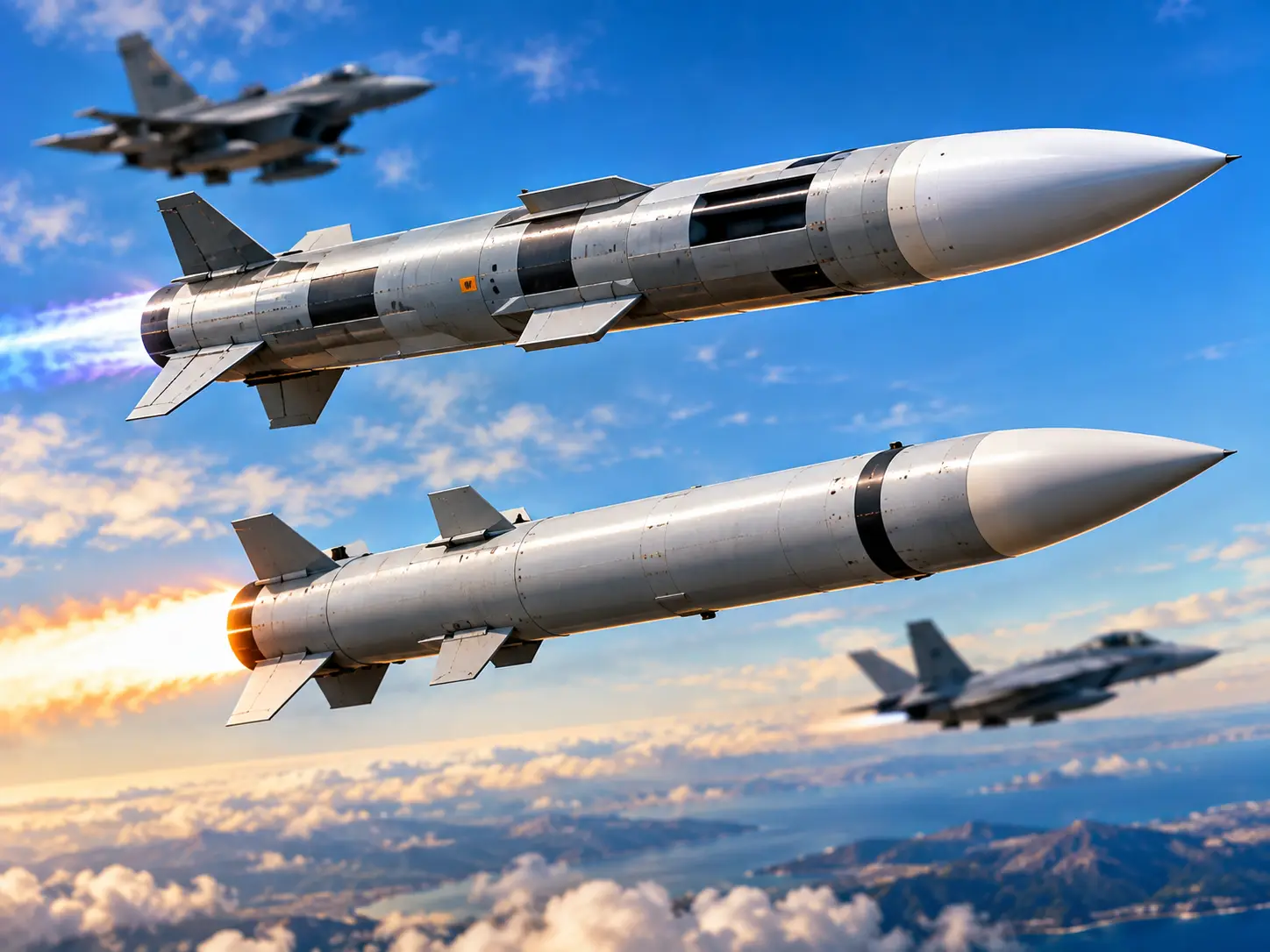
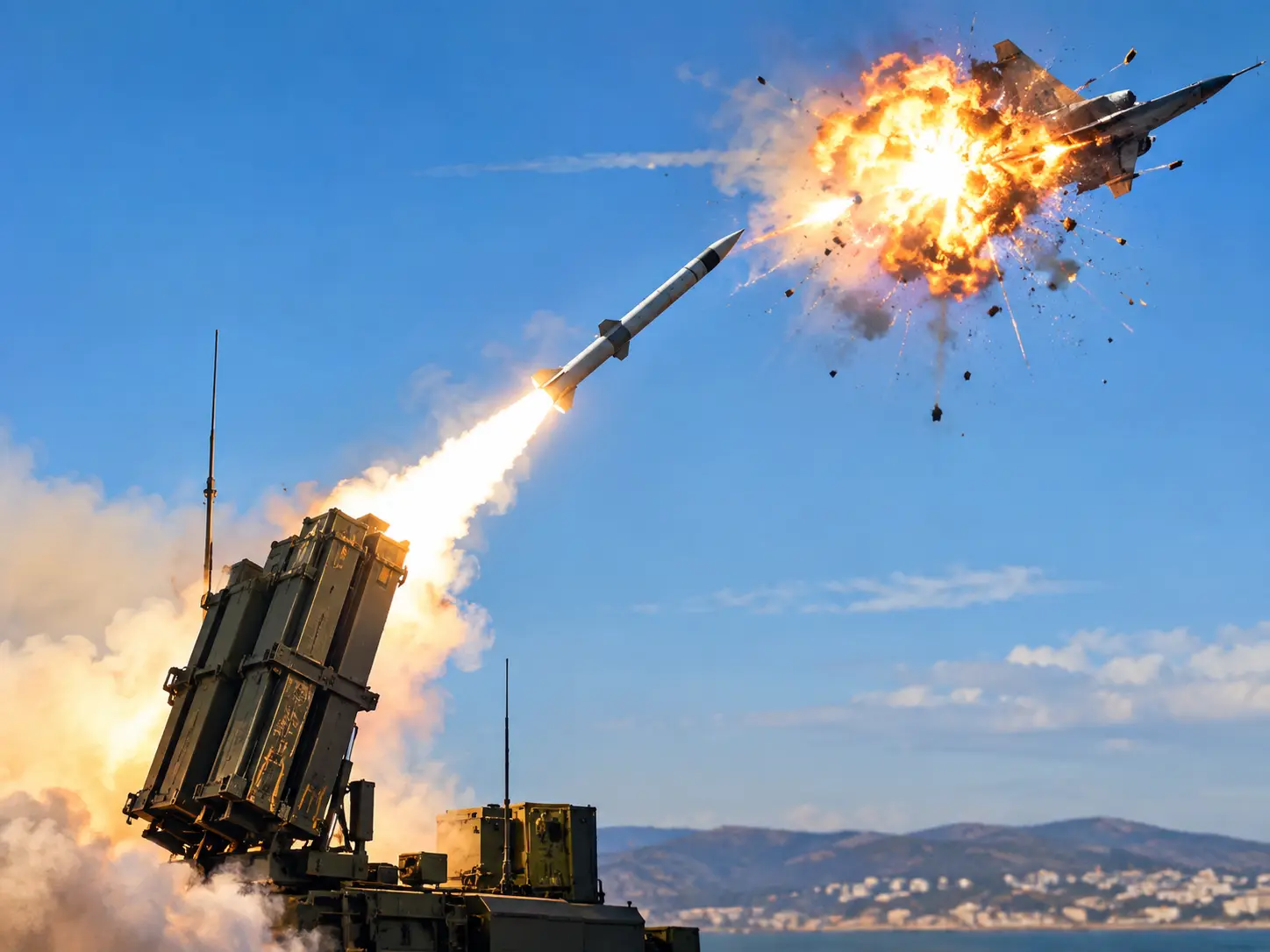
As modern surface-to-air missile threats grew highly lethal, the B-52 evolved into a long-range standoff weapon launcher. It can loiter safely outside enemy air defences and fire advanced munitions, including the hypersonic missiles currently under active flight testing.

The USD 48.6 Billion Upgrade
To preserve this unmatched versatility, the US military is executing a massive USD 48.6 billion modernization programme. Redesignated as the B-52J, the upgraded aircraft features cutting-edge digital avionics and secure data links to integrate with modern battlespace networks.
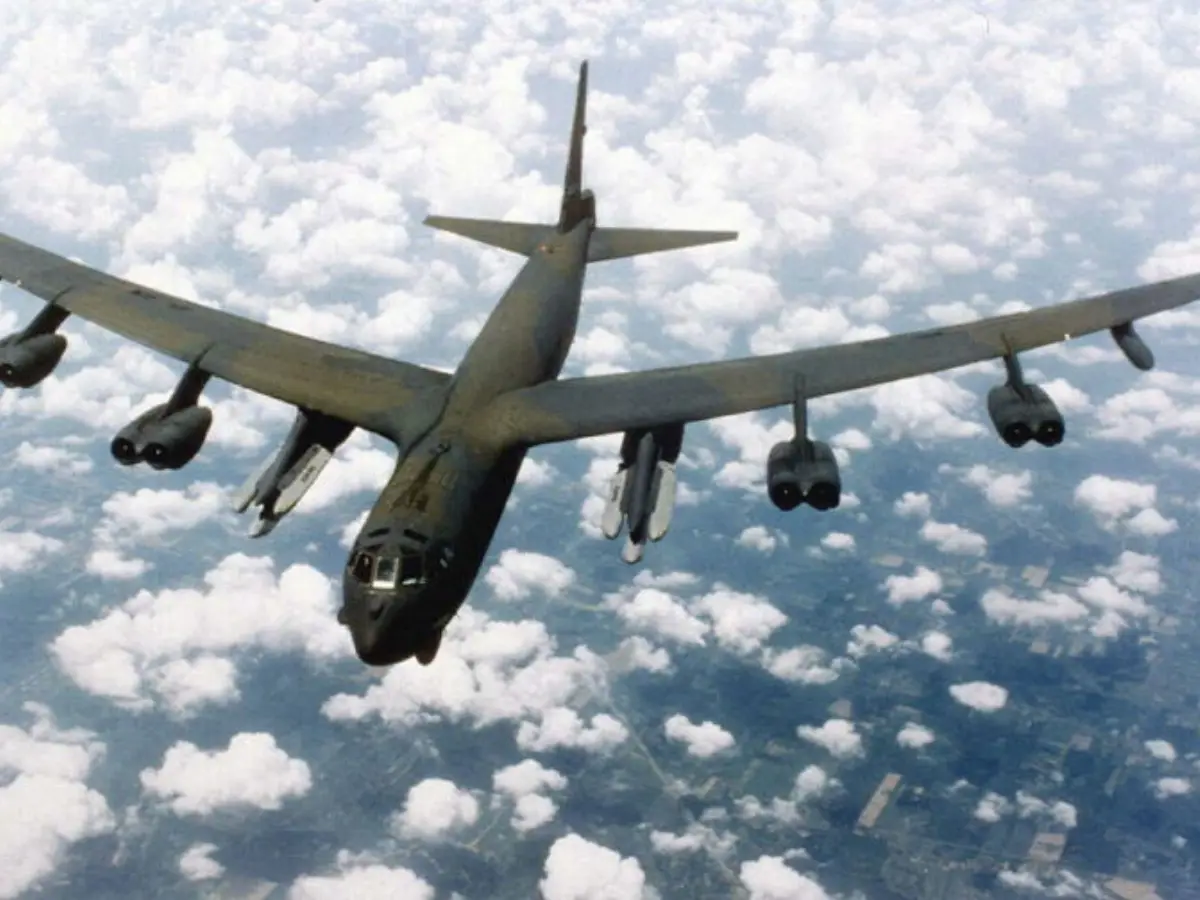
Rolls-Royce F130 Efficiency
The B-52J replaces its antiquated Cold War-era turbofans with eight brand-new Rolls-Royce F130 engines. This extensive modification slashes fuel consumption by roughly 30 per cent, drastically increasing the bomber’s un-refuelled global reach and loiter time.
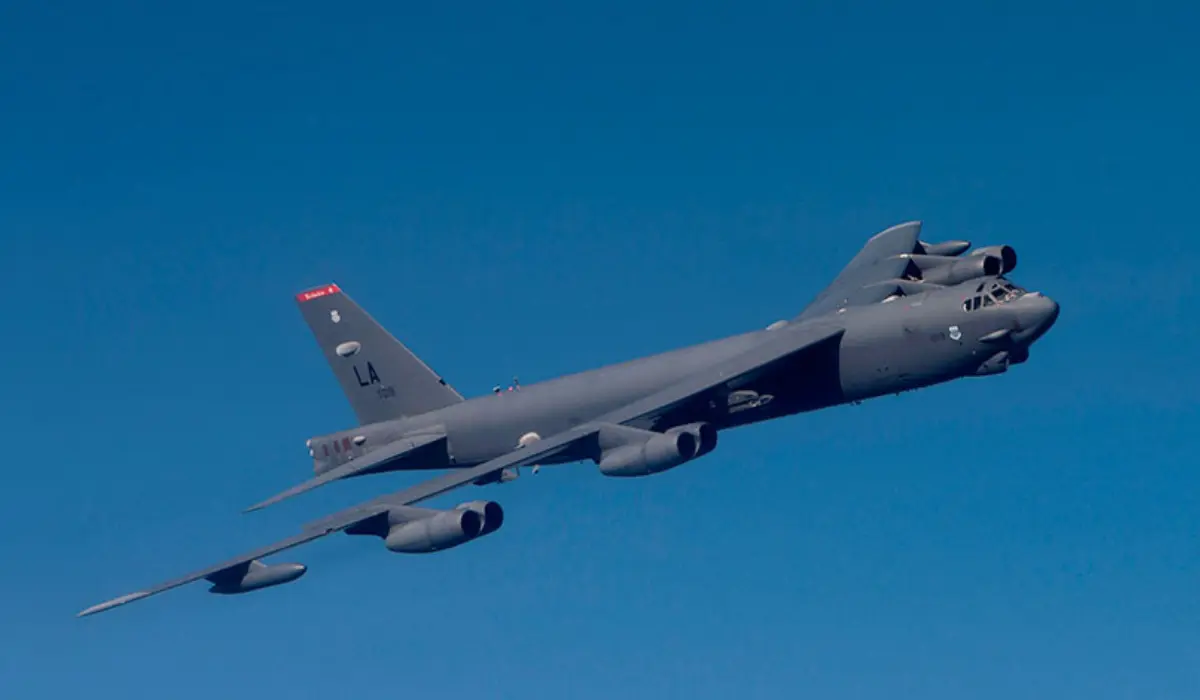
Fighter-Derived AESA Radar
The upgrade introduces the AN/APQ-188 Active Electronically Scanned Array (AESA) radar, built by Raytheon Technologies. This advanced fighter-derived sensor gives the heavy bomber high-resolution ground mapping and advanced electronic warfare capabilities.

A Century of Power Projection
By outliving specialized replacements like the B-1 Lancer and B-2 Spirit, the B-52 has proven its peerless utility. Operating alongside the upcoming B-21 Raider, this legendary airframe is on track to achieve an unprecedented 100 years of active military service.
)
)
)
)
)