Why the US ended F-22 production after only 187 aircraft

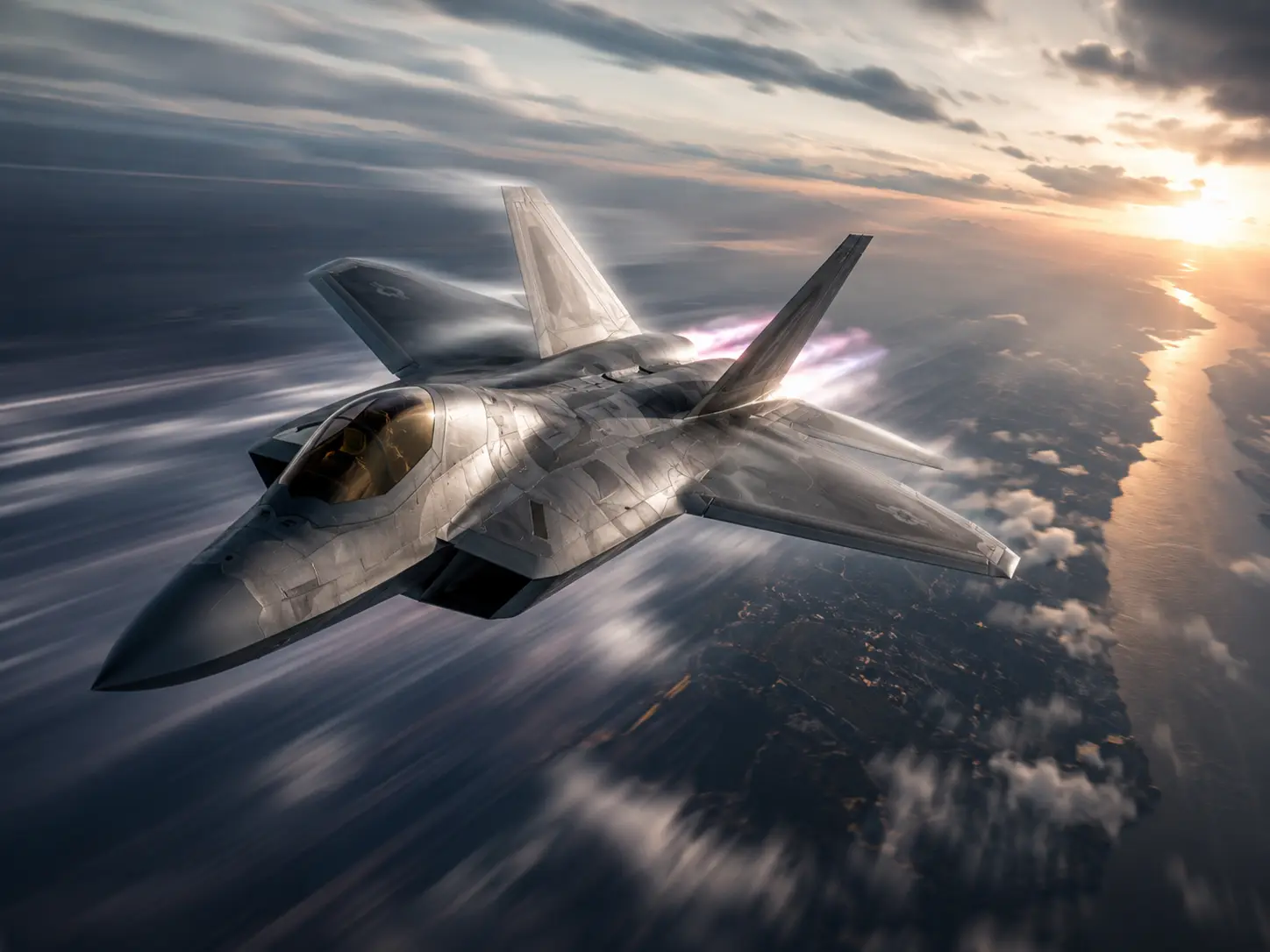
The Pentagon capped F-22 Raptor production at 187 jets due to soaring unit costs, federal export bans, a strategic shift toward ground counter-insurgency, and the rise of the multi-role F-35.
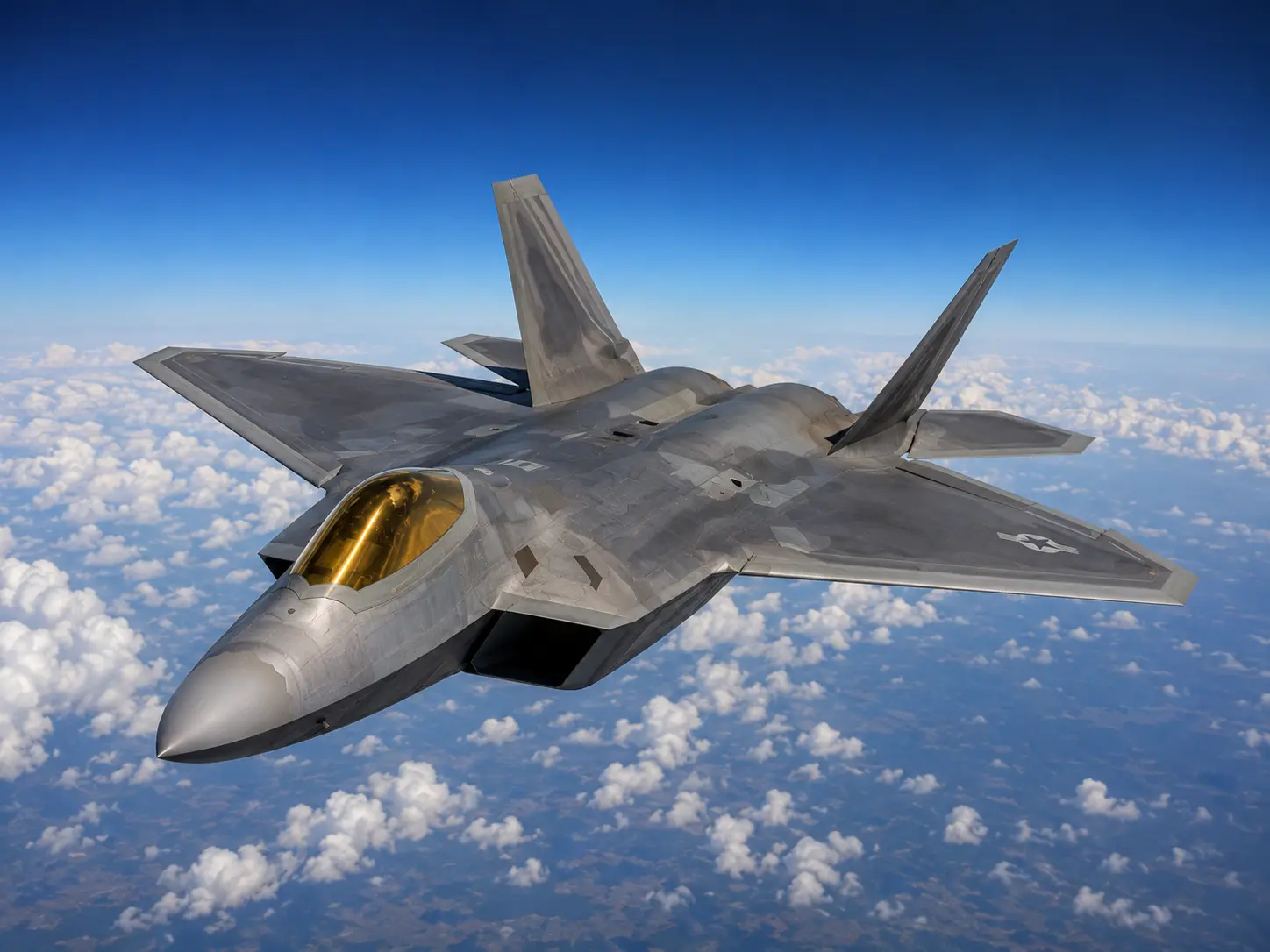
Initial 750 Fleet Slashed
The United States Air Force originally envisioned procuring 750 Advanced Tactical Fighters to replace its ageing F-15 jets. However, following the dissolution of the Soviet Union in 1991, the primary conventional aerial threat vanished, leading defence planners to scale back procurement to just 187 operational units.
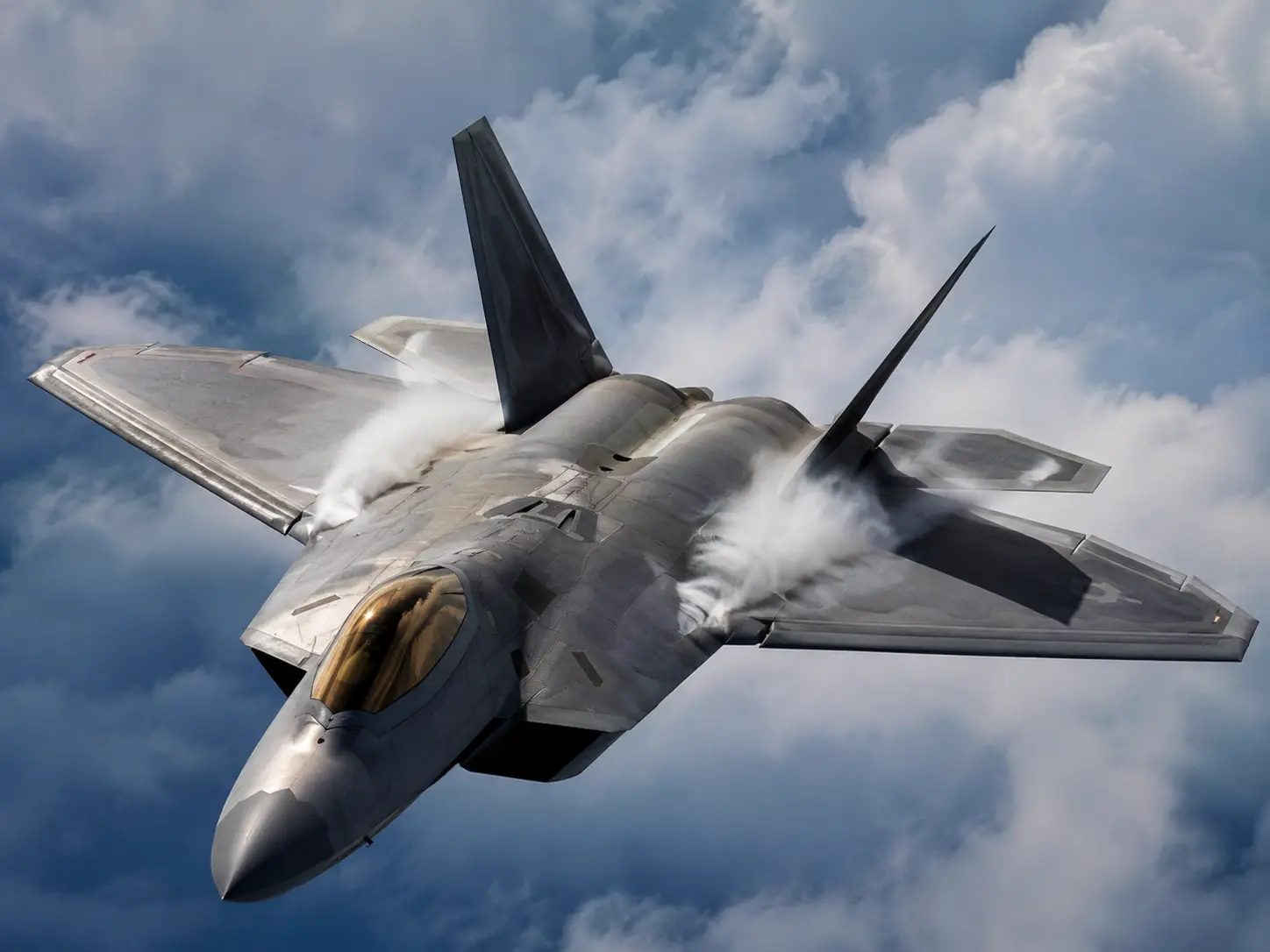
Costs Hit $67 Billion
As procurement numbers fell, massive research and development expenses were distributed across fewer airframes. With total programme expenditure reaching $67.3 billion, the overall cost per fighter escalated to approximately $350 million, forcing fiscal conservatives in Washington to halt the assembly line.
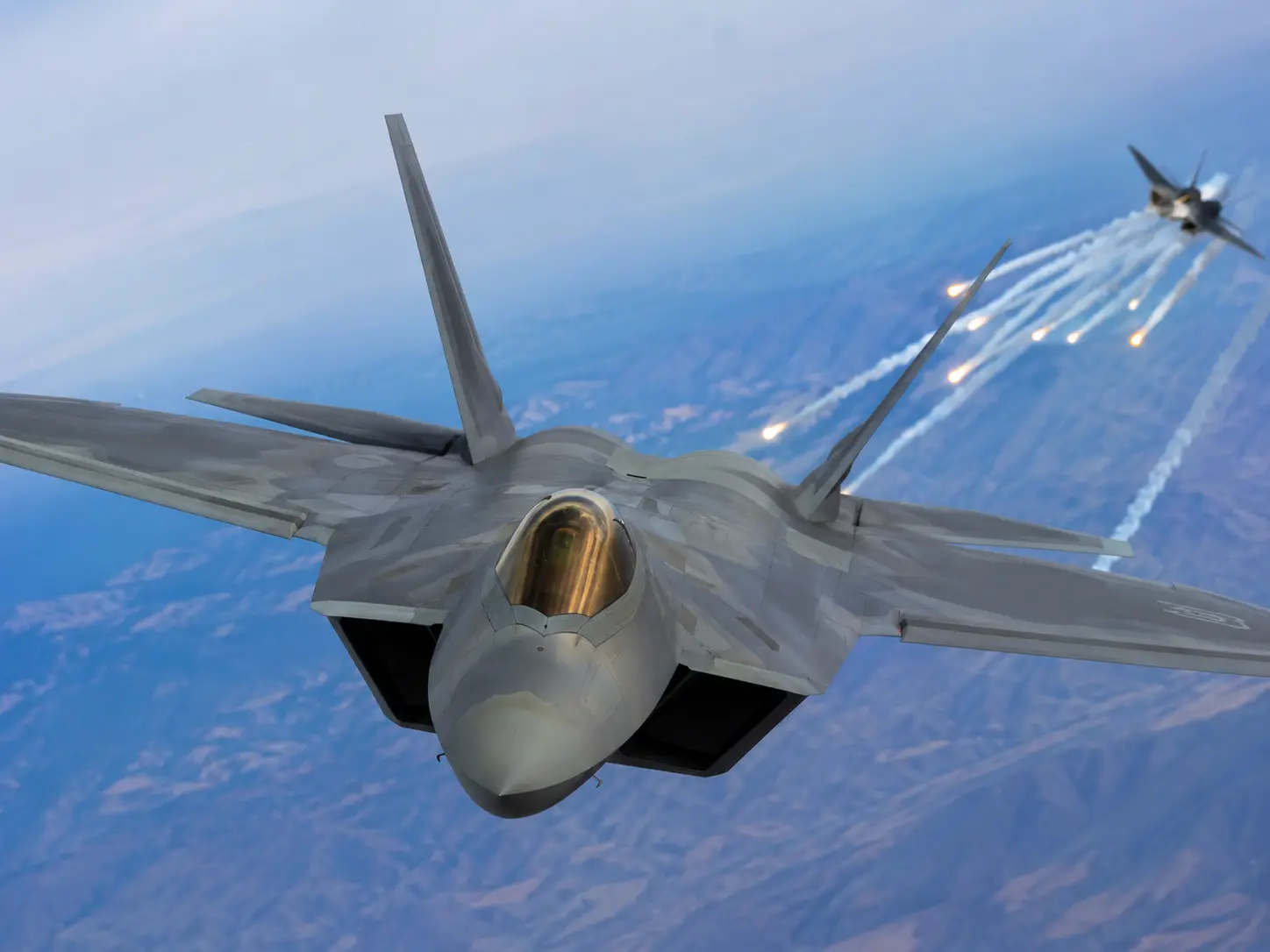
Shift After 2001 Wars
During the 2009 budget reviews, the Pentagon was heavily committed to counter-insurgency operations in Iraq and Afghanistan. Because militant networks operated no fighter jets or anti-aircraft grids, US Defence Secretary Robert Gates deemed dedicated air-superiority stealth aircraft unnecessary for immediate ground combat needs.
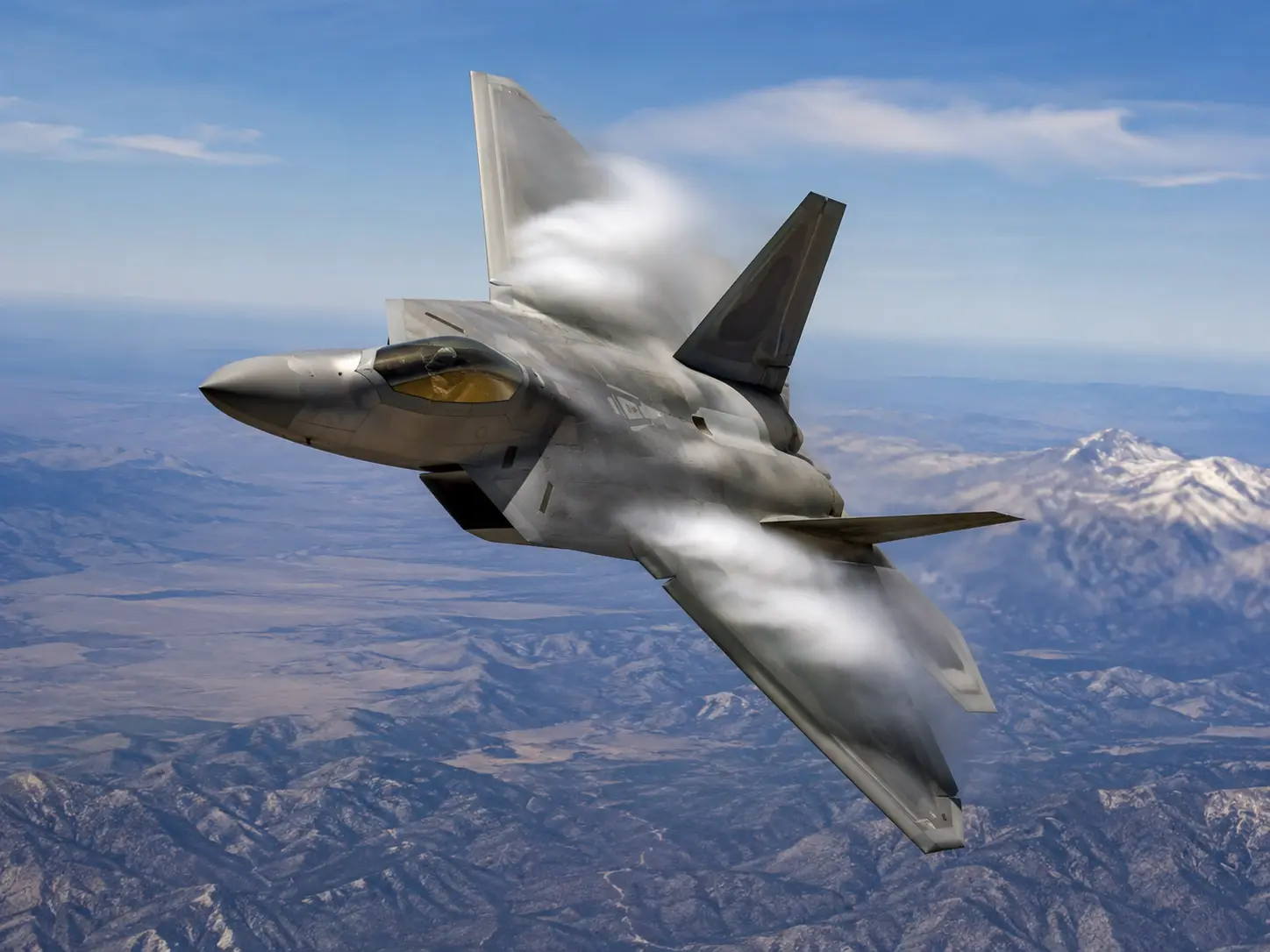
100 Per Cent Ban
Under the Obey Amendment passed by the US Congress in 1998, exporting the Raptor was strictly prohibited to safeguard its classified stealth coatings. Unlike other military aviation projects, Lockheed Martin could not sell the jet to allied nations to offset manufacturing overheads and maintain production.
Pivot to F-35 Fleet
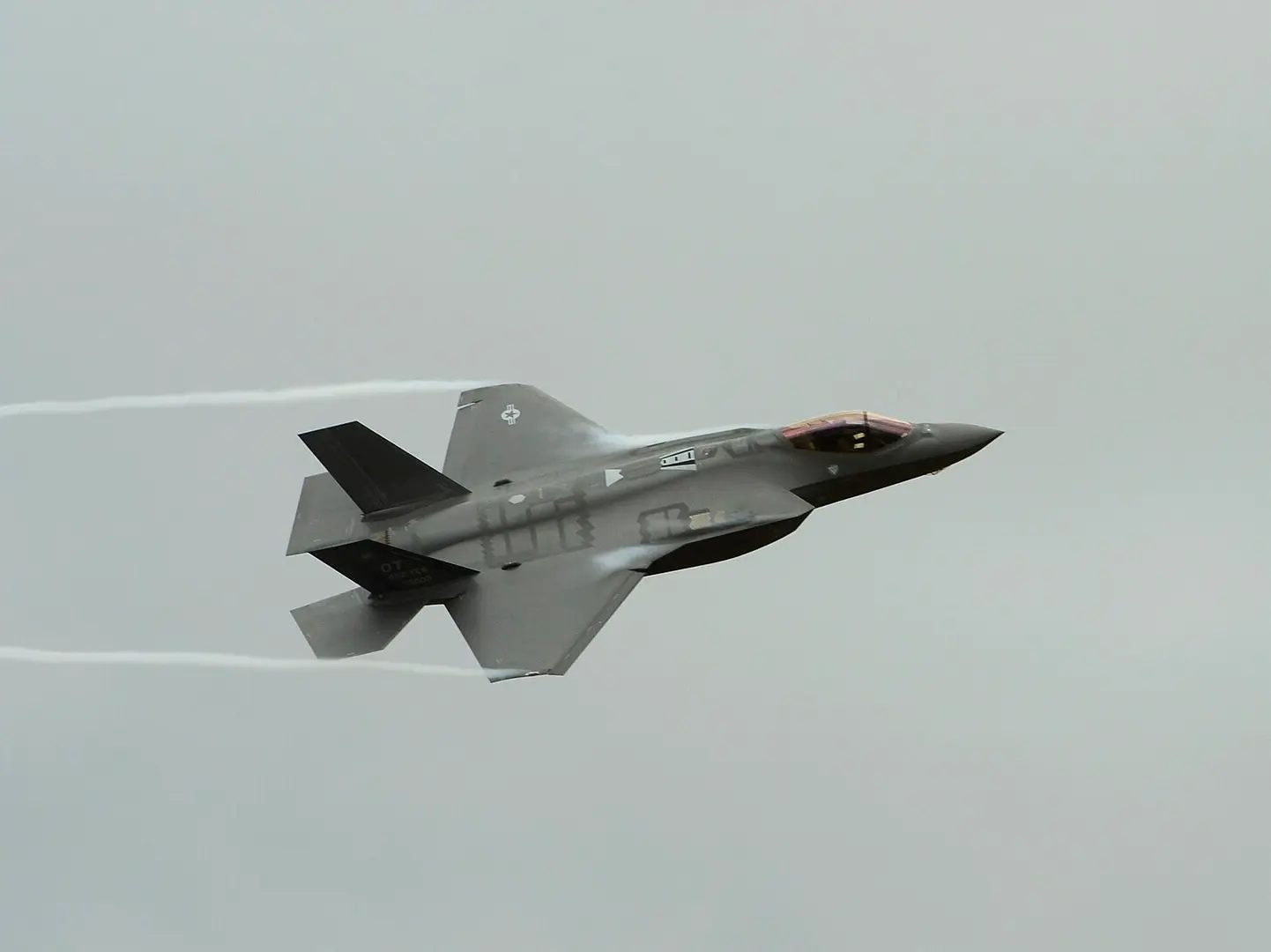
American military leadership chose to channel tactical aviation resources into the Joint Strike Fighter, known as the F-35 Lightning II. Defence officials favoured the F-35 because it offered versatile air-to-ground strike capabilities, lower maintenance demands, and extensive financial backing from global export partners.
)
)
)
)
)