Why the US can never build the F-22 Raptor again

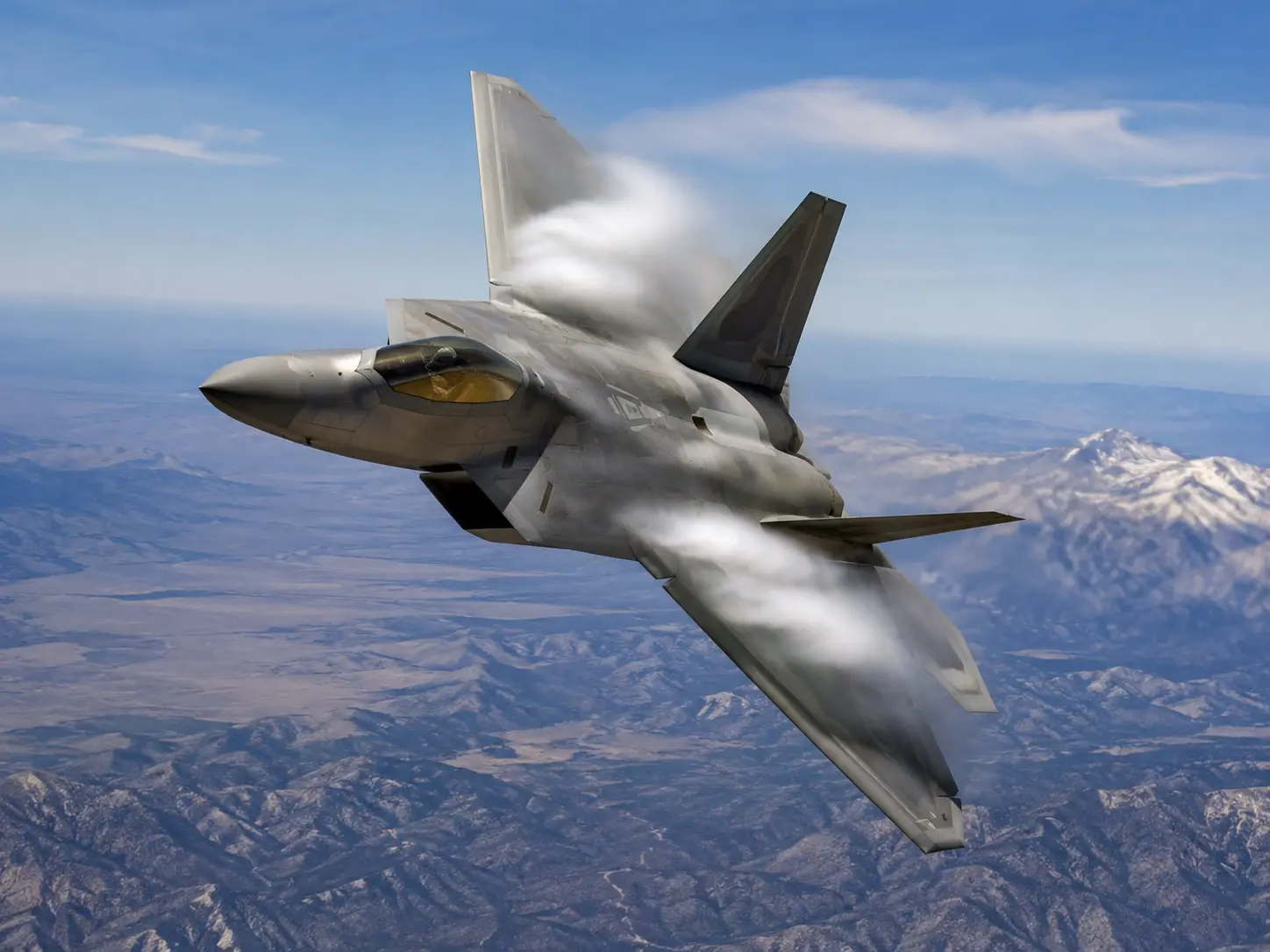
The US ended F-22 production in 2011 after 187 operational jets. While core tooling was stored, scrapped supplier dies and obsolete 1990s tech permanently destroyed the supply line.
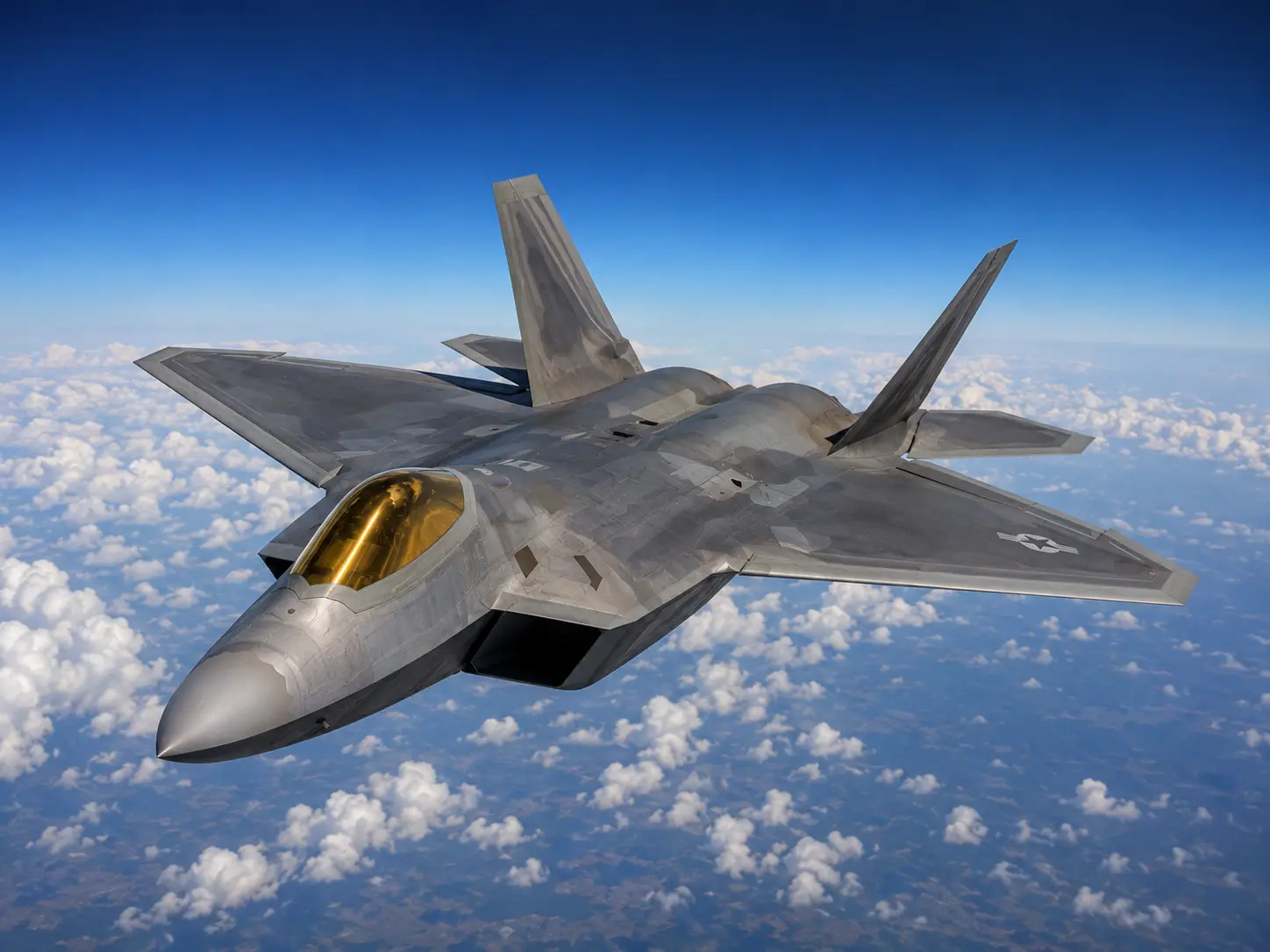
Fleet Capped At 187
The US Air Force originally planned to procure 750 advanced fighters to achieve total air superiority. Shifting defence budgets and counter-insurgency priorities in 2009 forced former Defence Secretary Robert Gates to cap the fleet at 187 operational jets. When the final airframe rolled off the Georgia assembly line in December 2011, the active manufacturing ecosystem was immediately shut down.
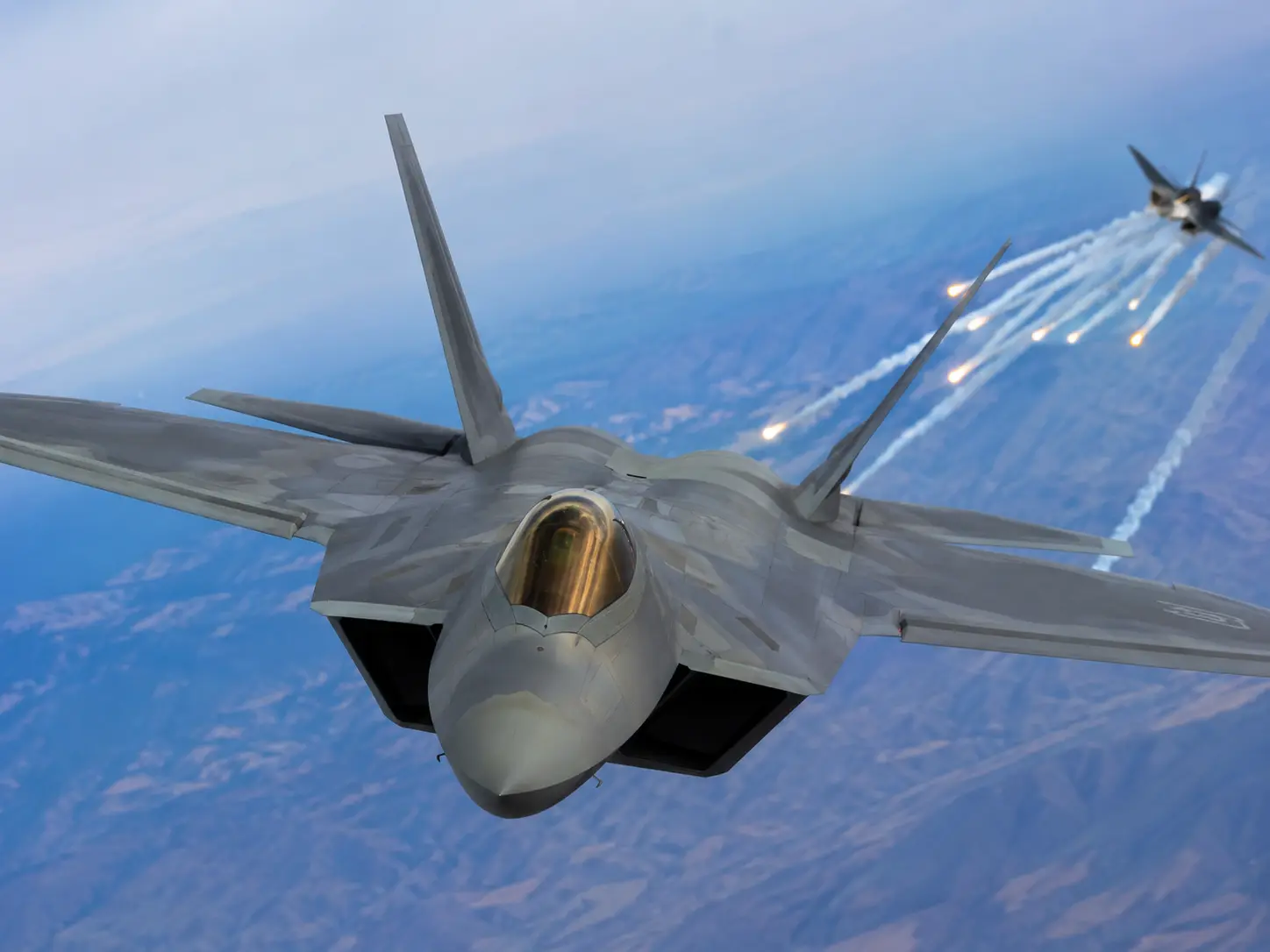
Over 30,000 Tools Stored
Contrary to popular myth, the Pentagon did not immediately pulverise the primary factory equipment. Congress actually allocated $34 million to pack roughly 30,000 major assembly jigs, airframe fixtures, and instructional recordings into shipping containers. This core machinery was transported to the Sierra Army Depot in California, where it remains preserved in the dry desert climate.
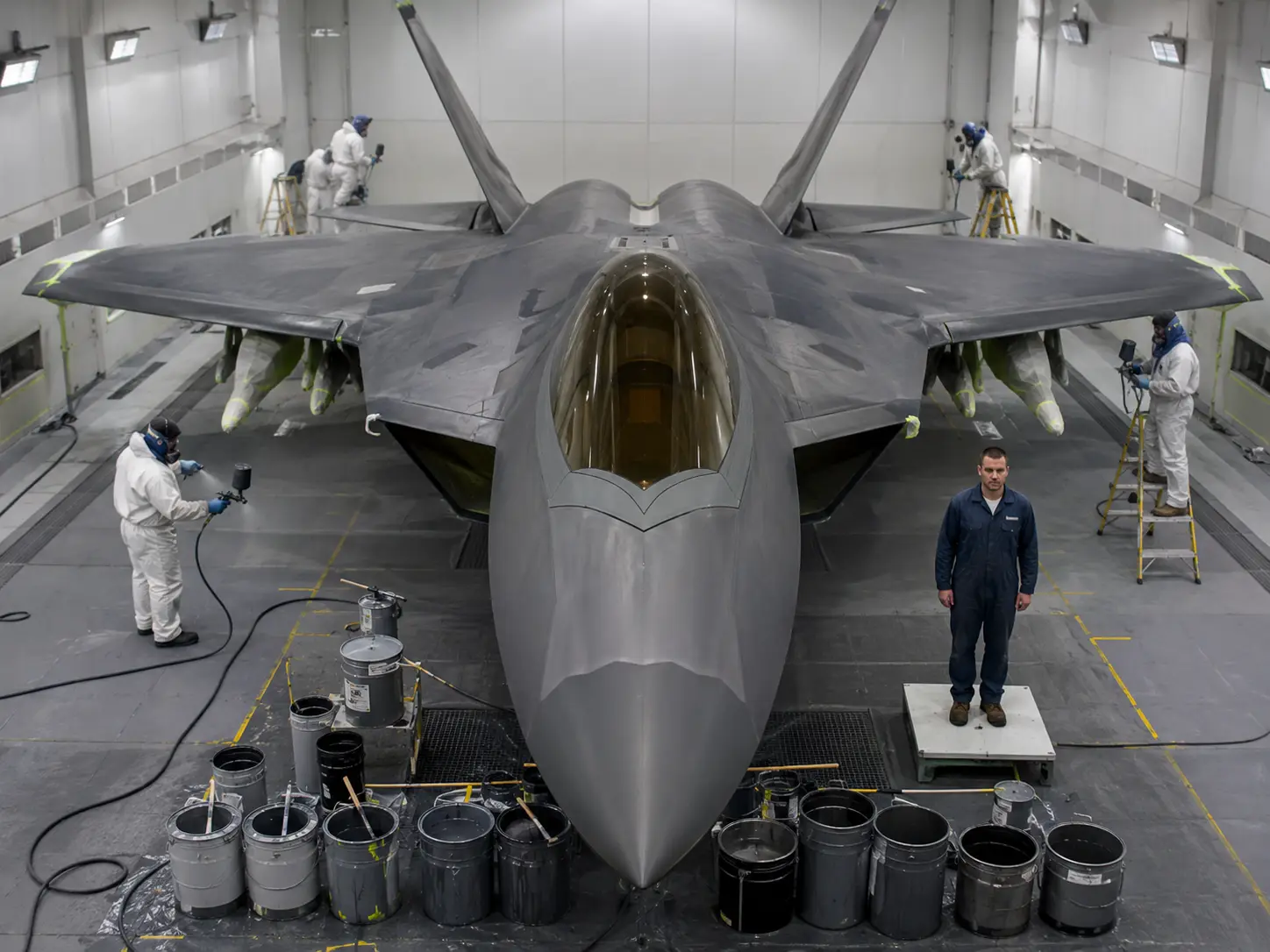
Nearly 1,000 Firms Affected
While Lockheed Martin preserved the main airframe structures, the wider supply chain involving nearly 1,000 secondary aerospace contractors quickly collapsed. Smaller component suppliers across the country could not afford to store idle machinery or maintain dedicated factory floor space. Consequently, these tier-two contractors scrapped their custom moulds, specialised dies, and electronic tooling, permanently severing the manufacturing chain.
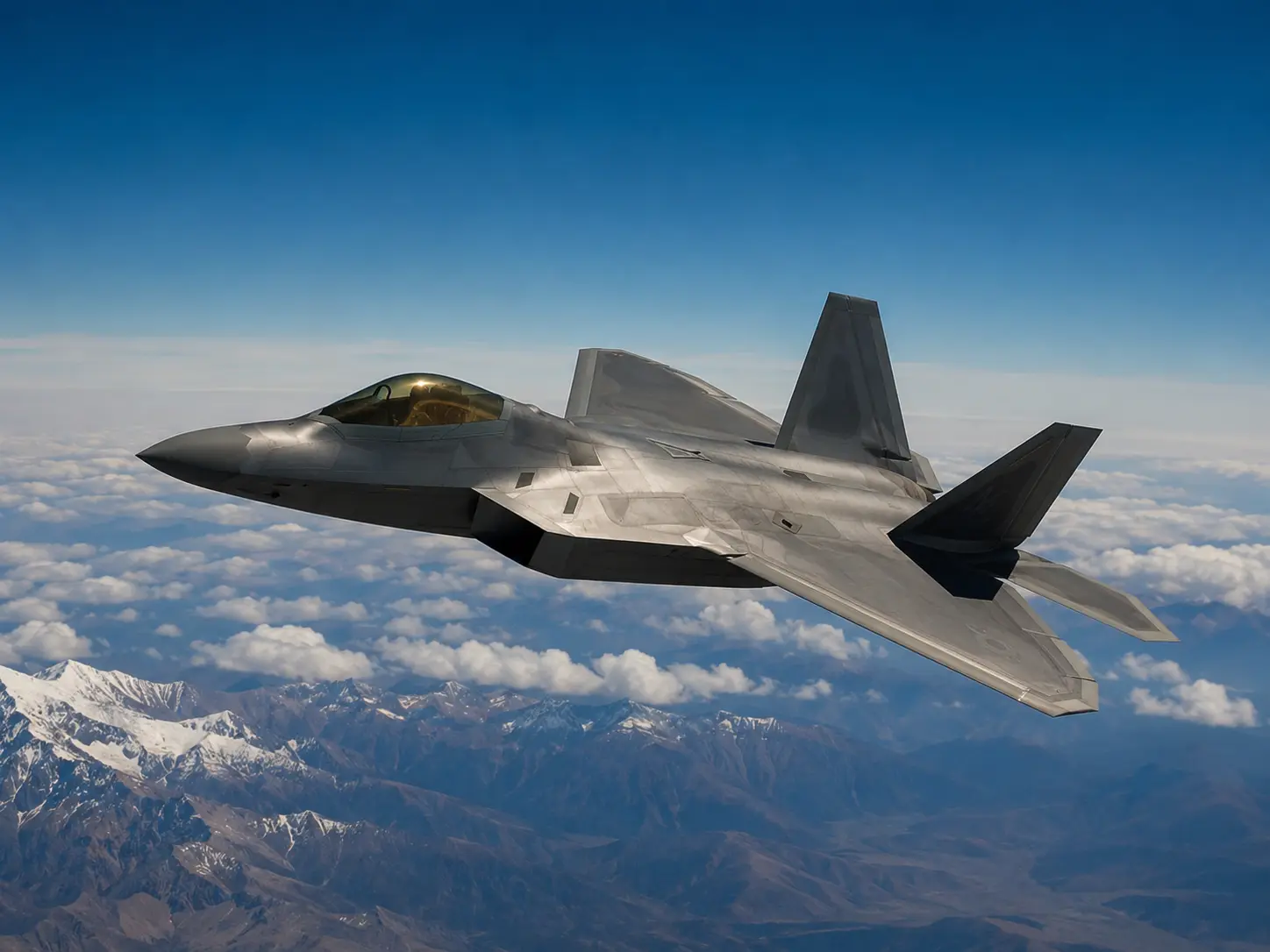
$10 Billion Restart Cost
A comprehensive 2016 Air Force study revealed that reviving the production line would cost up to $10 billion. Analysts discovered that while 95 per cent of primary Lockheed jigs survived, five to seven major avionics subsystems were completely obsolete. Sourcing 1990s microchips and requalifying an entirely new supplier network made rebuilding the aircraft economically impossible.
1998 Export Ban Impact
Federal law strictly prohibited foreign sales of the stealth fighter under the 1998 Obey amendment to safeguard classified technology. Allies including Japan, Israel, and Australia were eager to purchase dozens of airframes. Without international export orders to absorb overhead expenses and sustain continuous production, maintaining the fragile industrial tooling base became financially unsustainable.
)
)
)
)
)