Why the universe is expanding and what it could mean for earth

Approximately 13.8 billion years ago, the universe began as a singularity, a point of infinite density and temperature. This event, known as the Big Bang, marked the inception of space-time itself.
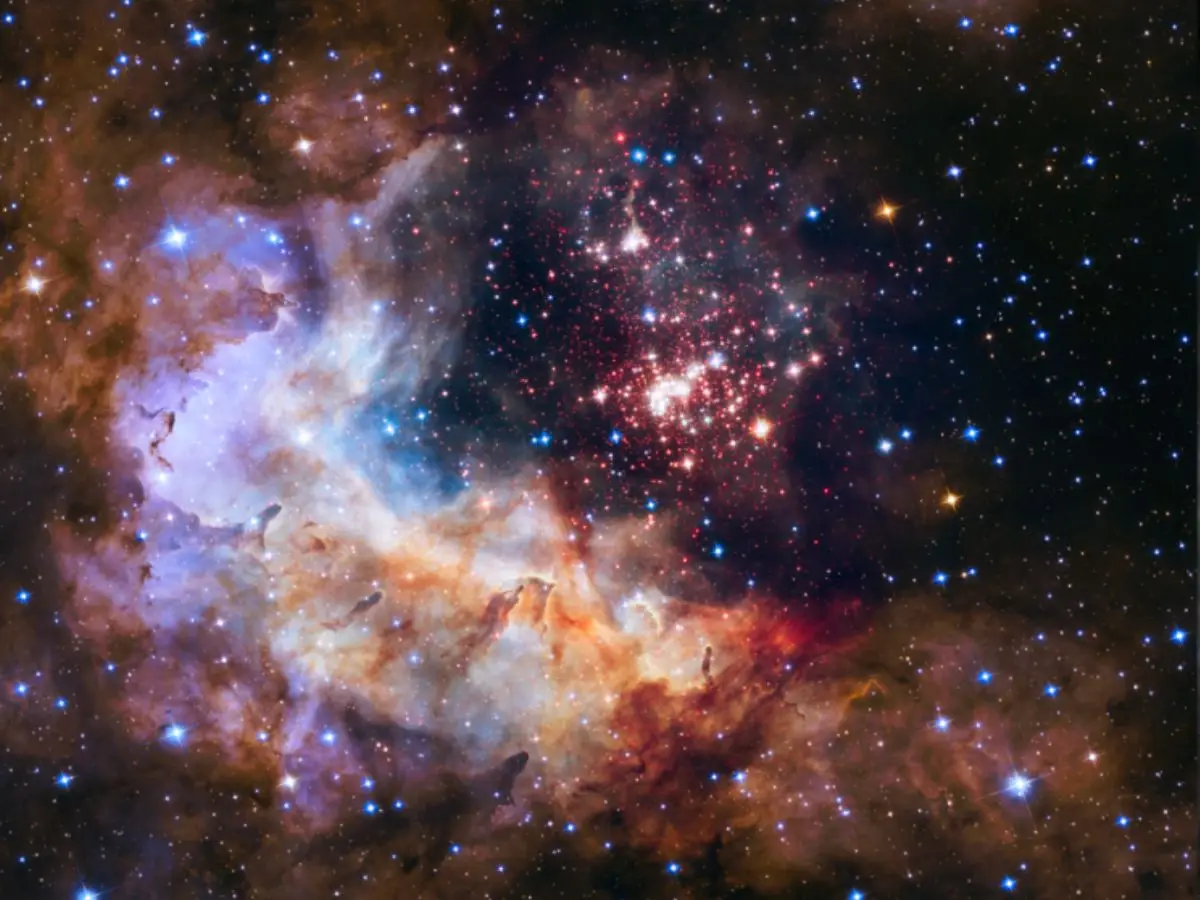
Is the Universe Expanding?
The universe is expanding, a concept first proposed in the early 20th century and now a cornerstone of modern cosmology. But why is it expanding, and how long will this expansion continue? These questions delve into the nature of space, time, and the fundamental forces that govern the cosmos.
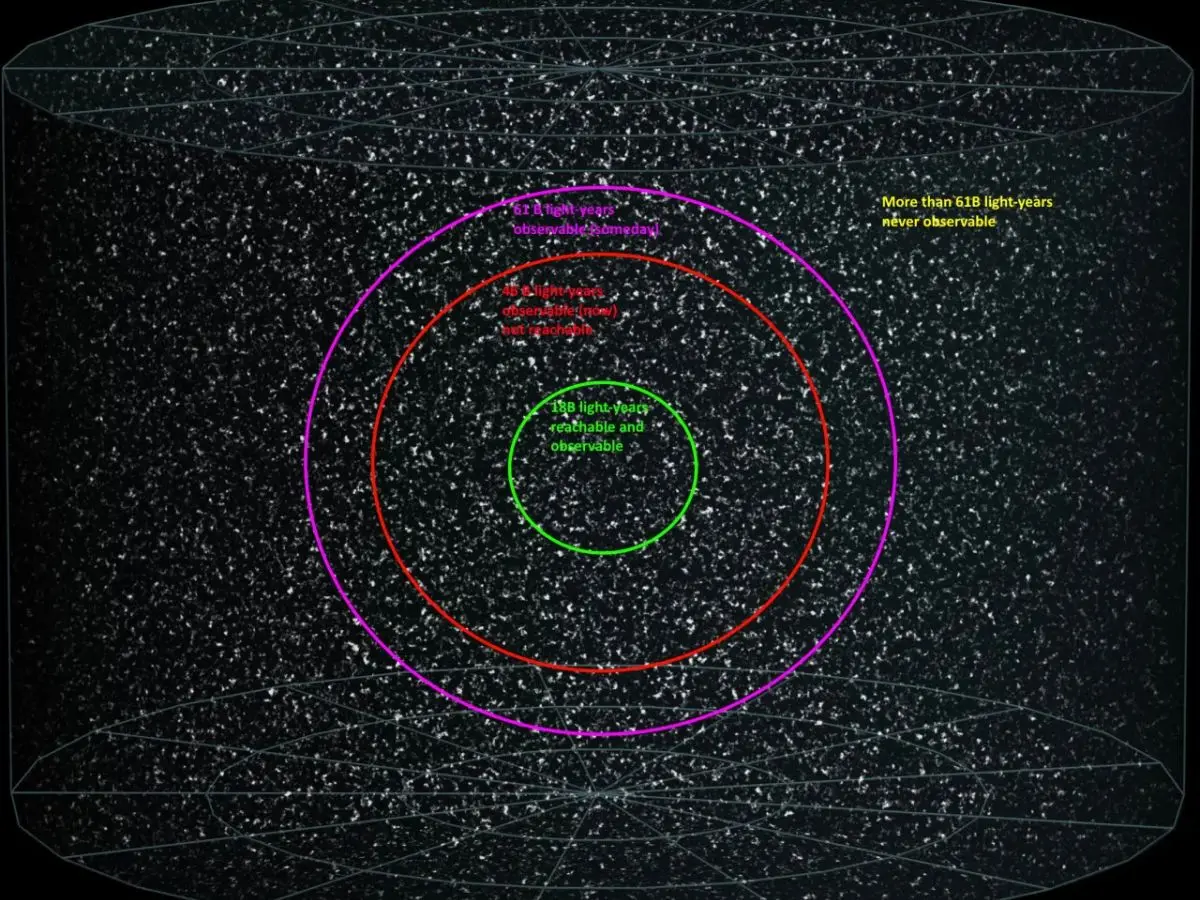
The Beginning of Expansion: The Big Bang
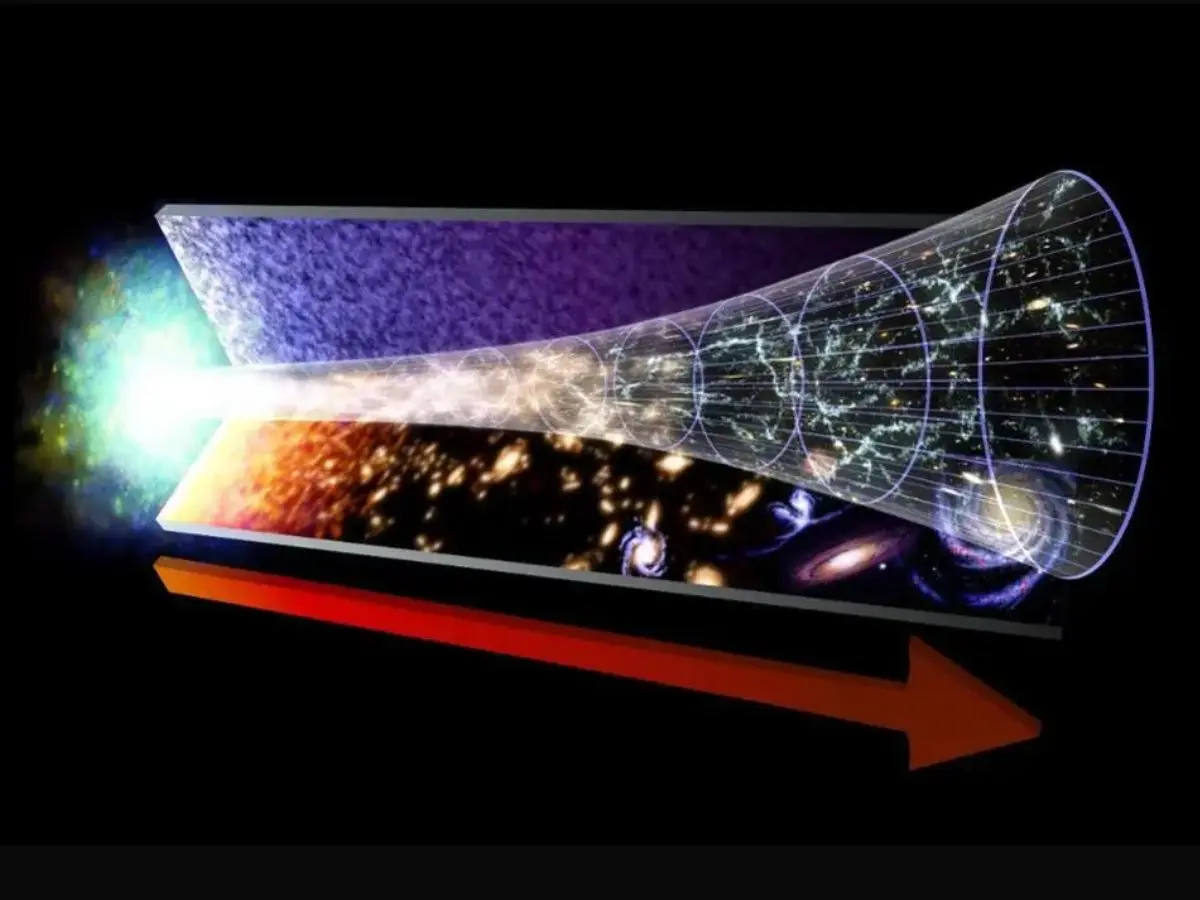
Approximately 13.8 billion years ago, the universe began as a singularity, a point of infinite density and temperature. This event, known as the Big Bang, marked the inception of space-time itself. In the moments following, the universe underwent rapid inflation, expanding exponentially in a fraction of a second. This expansion has continued ever since, with galaxies moving away from each other as space itself stretches.
The Role of Dark Energy in Accelerating Expansion
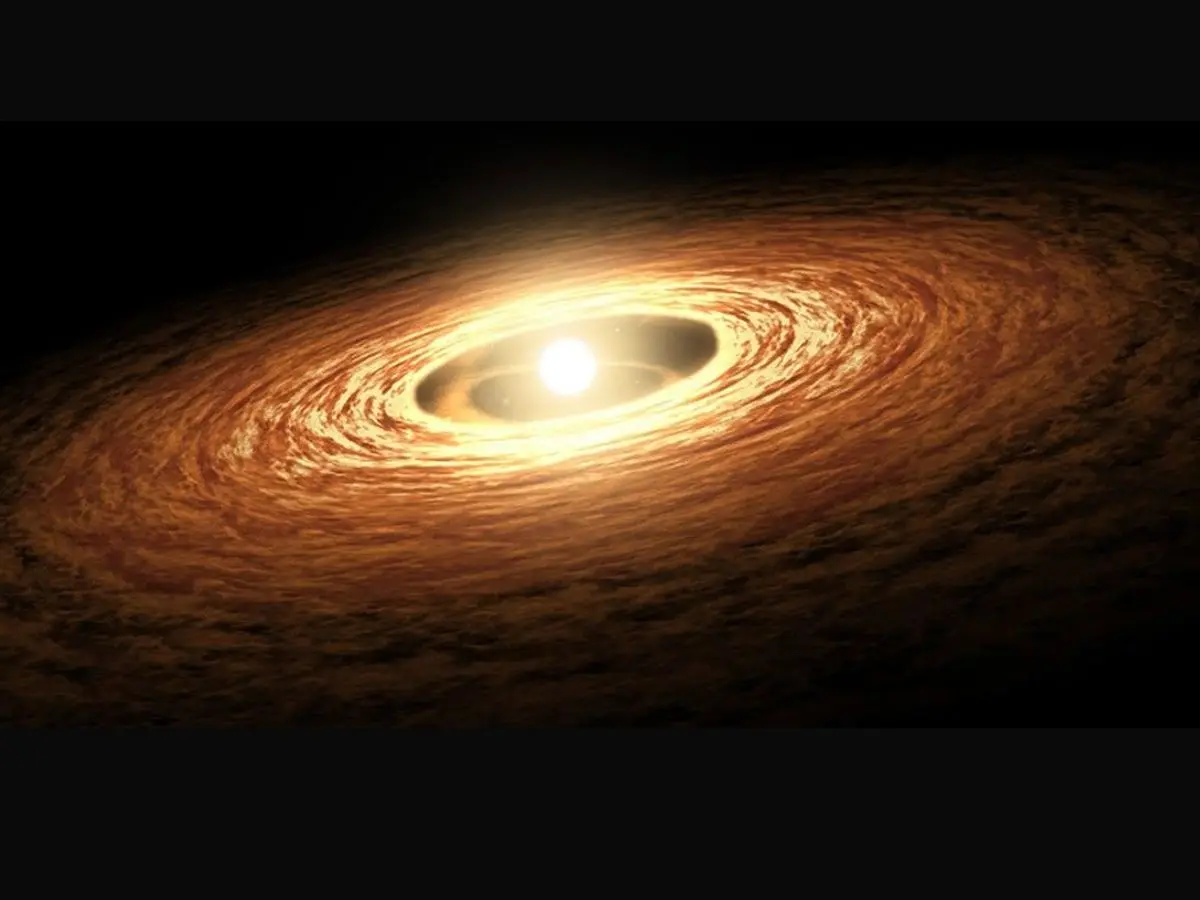
For much of the universe's history, gravity slowed the rate of expansion. However, about 5 billion years ago, observations revealed that the expansion began to accelerate. This acceleration is attributed to a mysterious force termed dark energy, which constitutes approximately 68 per cent of the universe's total energy content. Dark energy exerts a repulsive gravitational effect, counteracting the attractive force of gravity and driving galaxies apart at an increasing rate.
Current Understanding and Observational Challenges
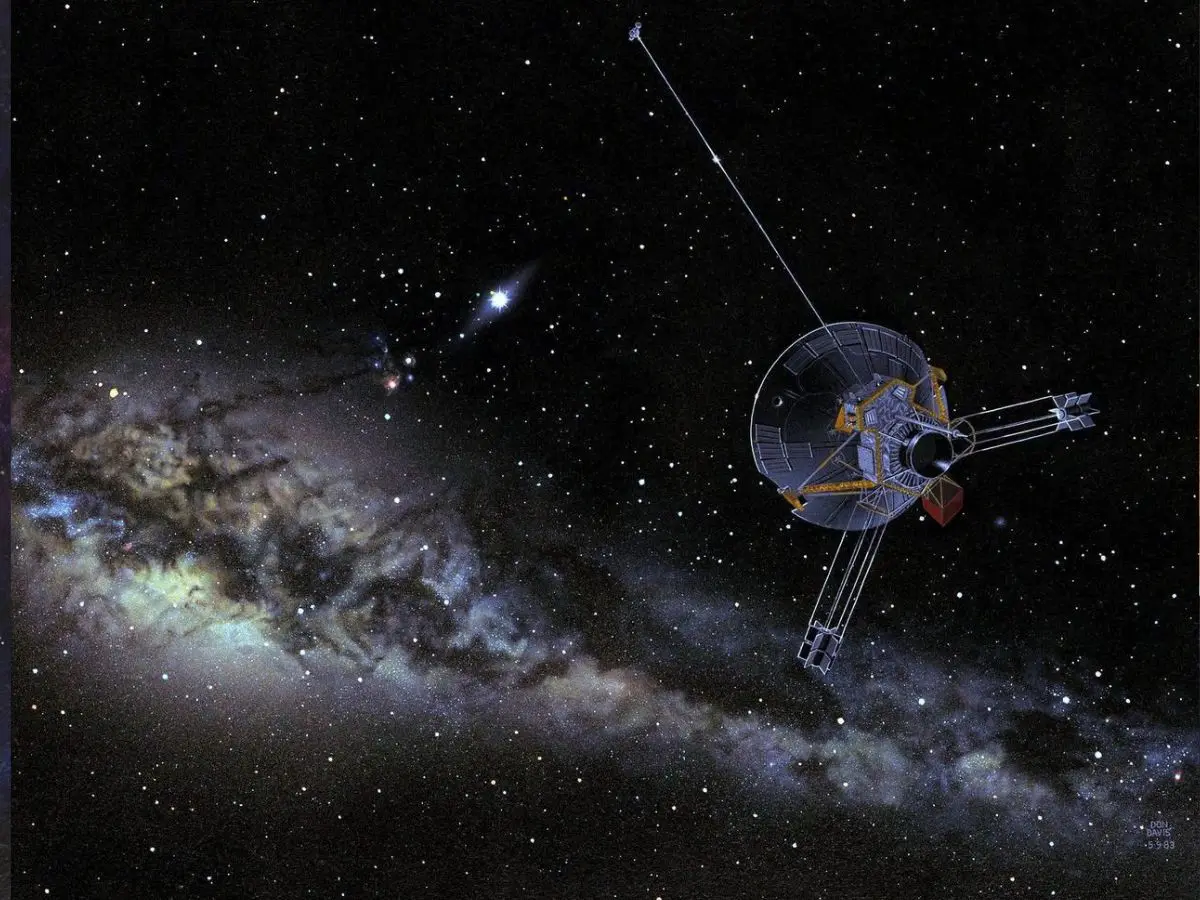
Determining the exact nature of dark energy remains one of the most profound challenges in physics. Recent studies, such as those utilizing the Dark Energy Spectroscopic Instrument (DESI), have provided more precise measurements of cosmic expansion. These observations suggest that dark energy may not be constant over time, potentially varying in strength and leading to new theories about the universe's evolution .
The Future of the Universe: Infinite Expansion or a Big Crunch?
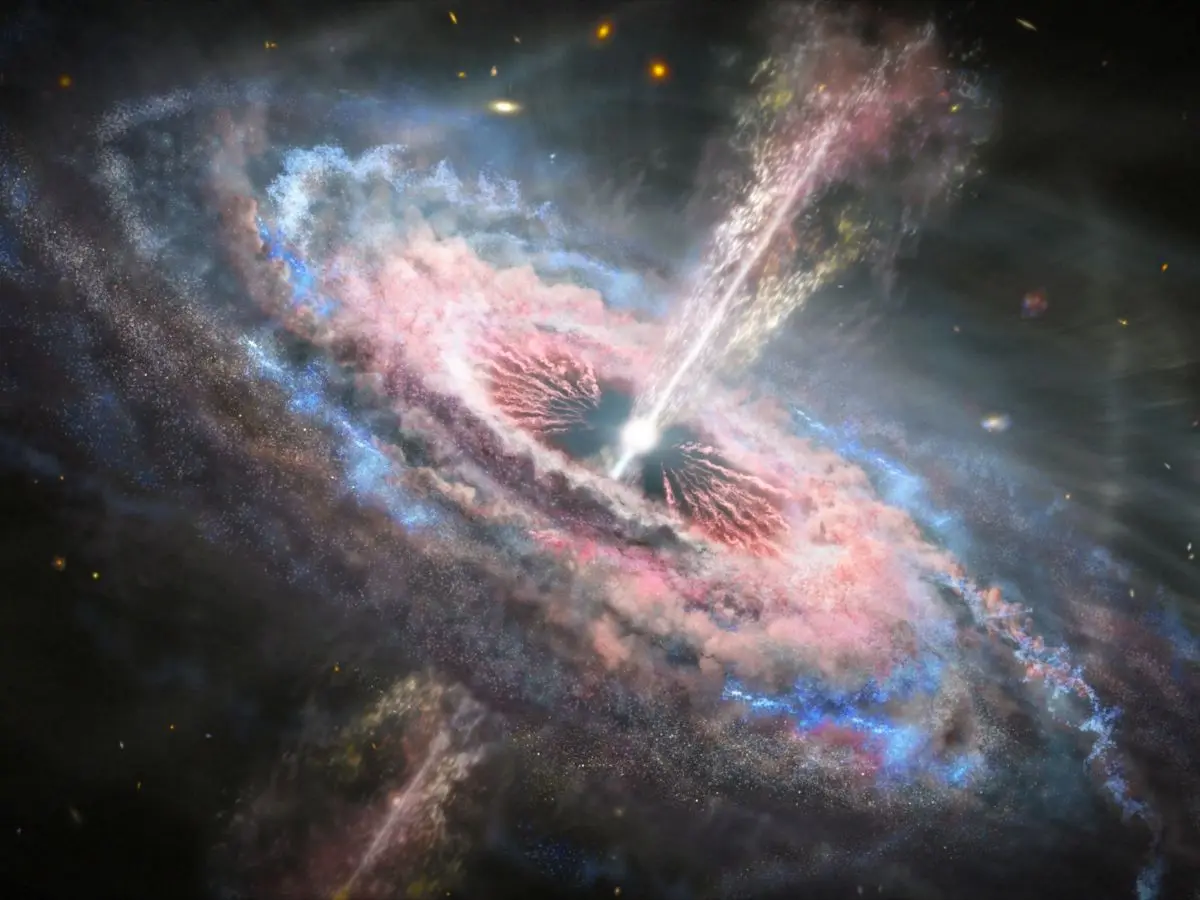
The long-term fate of the universe hinges on the properties of dark energy. If its repulsive effect continues to dominate, the universe will expand forever, leading to a ‘Big Freeze’ scenario where galaxies drift beyond each other's reach, and stars burn out, leaving a cold, dark cosmos. Alternatively, if dark energy diminishes or reverses, gravity could eventually overcome it, causing the universe to contract in a ‘Big Crunch,’ potentially leading to a cyclic model of cosmic rebirth.
Conclusion
The expansion of the universe is a dynamic and complex phenomenon driven by the interplay of dark energy, gravity, and the initial conditions set by the Big Bang. While current evidence points toward an ever-expanding universe, ongoing research and observations are crucial to understanding the true nature of dark energy and the ultimate fate of the cosmos. As our tools and theories evolve, so too will our comprehension of the universe's past, present, and future.
)
)
)
)
)