Why the United States wanted Greenland after World War II

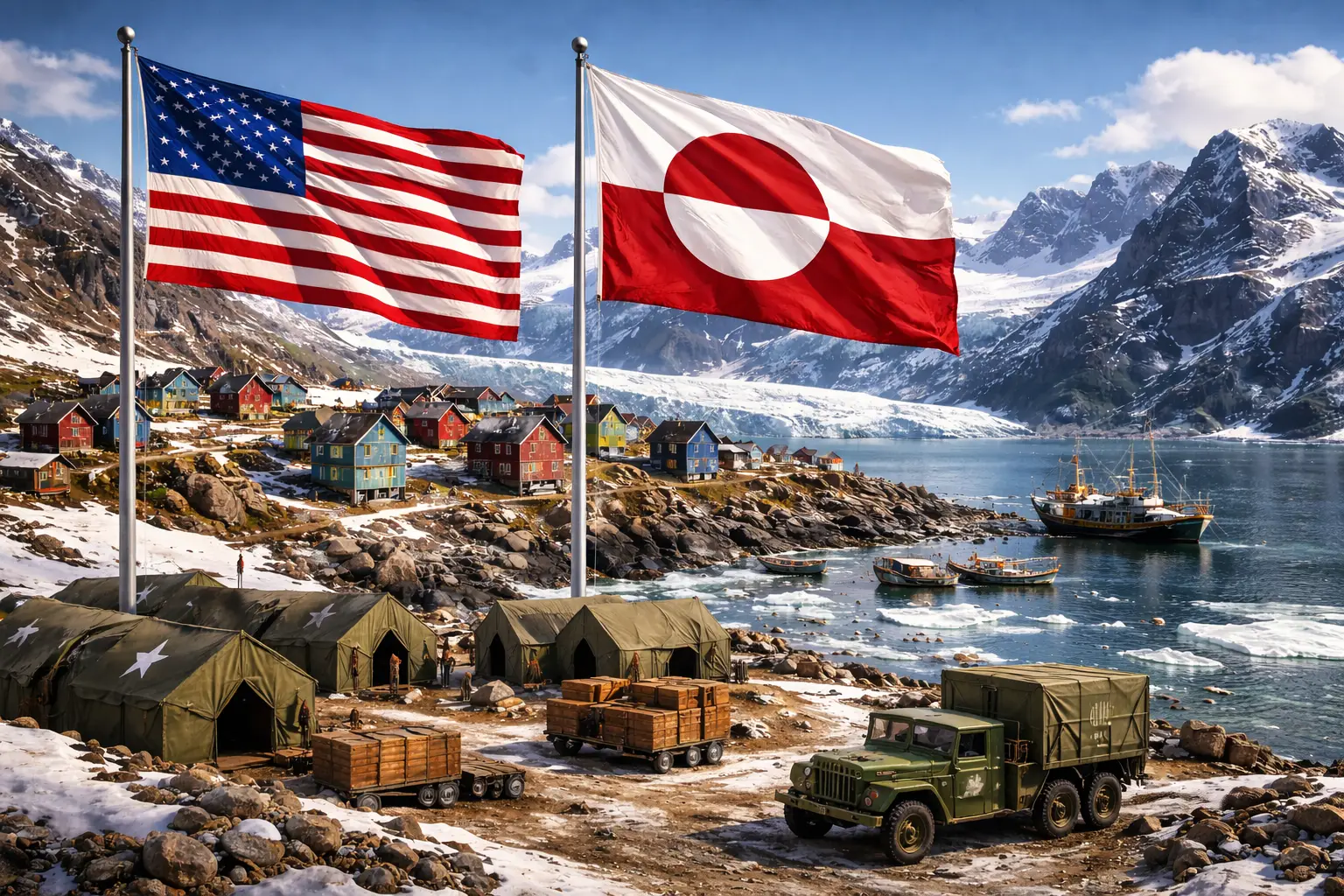
The US sought Greenland after World War II to establish Arctic radar sites and secure defensive flight paths against Soviet threats.
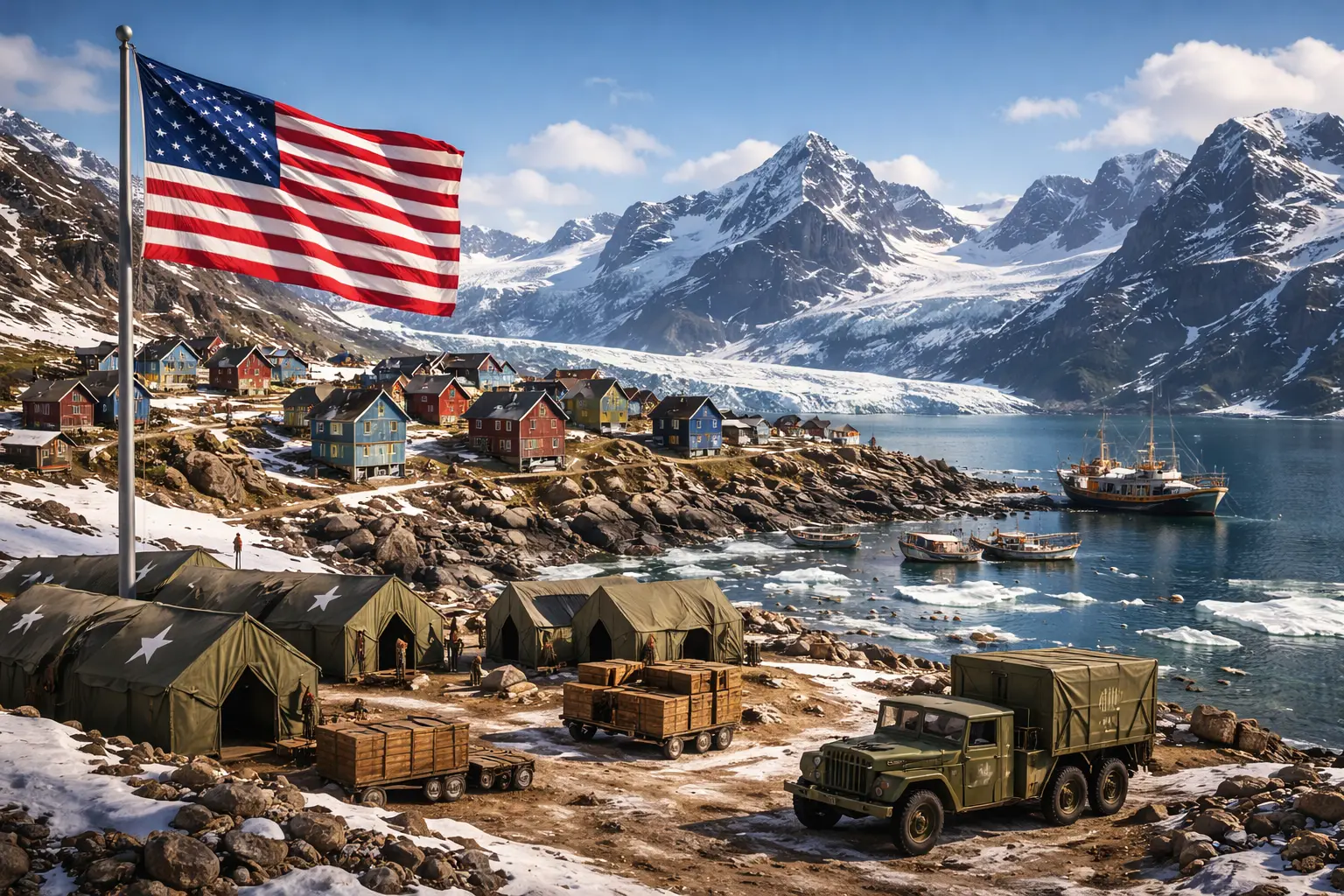
Arctic gateway security
Greenland sits directly on the shortest flight path between the Soviet Union and North America, making it a vital observation post.

Early warning radar sites
American planners needed the island to install radar systems that could detect incoming aircraft long before they reached US airspace.

Strategic depth for defense
Acquiring the territory would have provided "strategic depth," allowing the US to intercept threats far from its populated coastal cities.
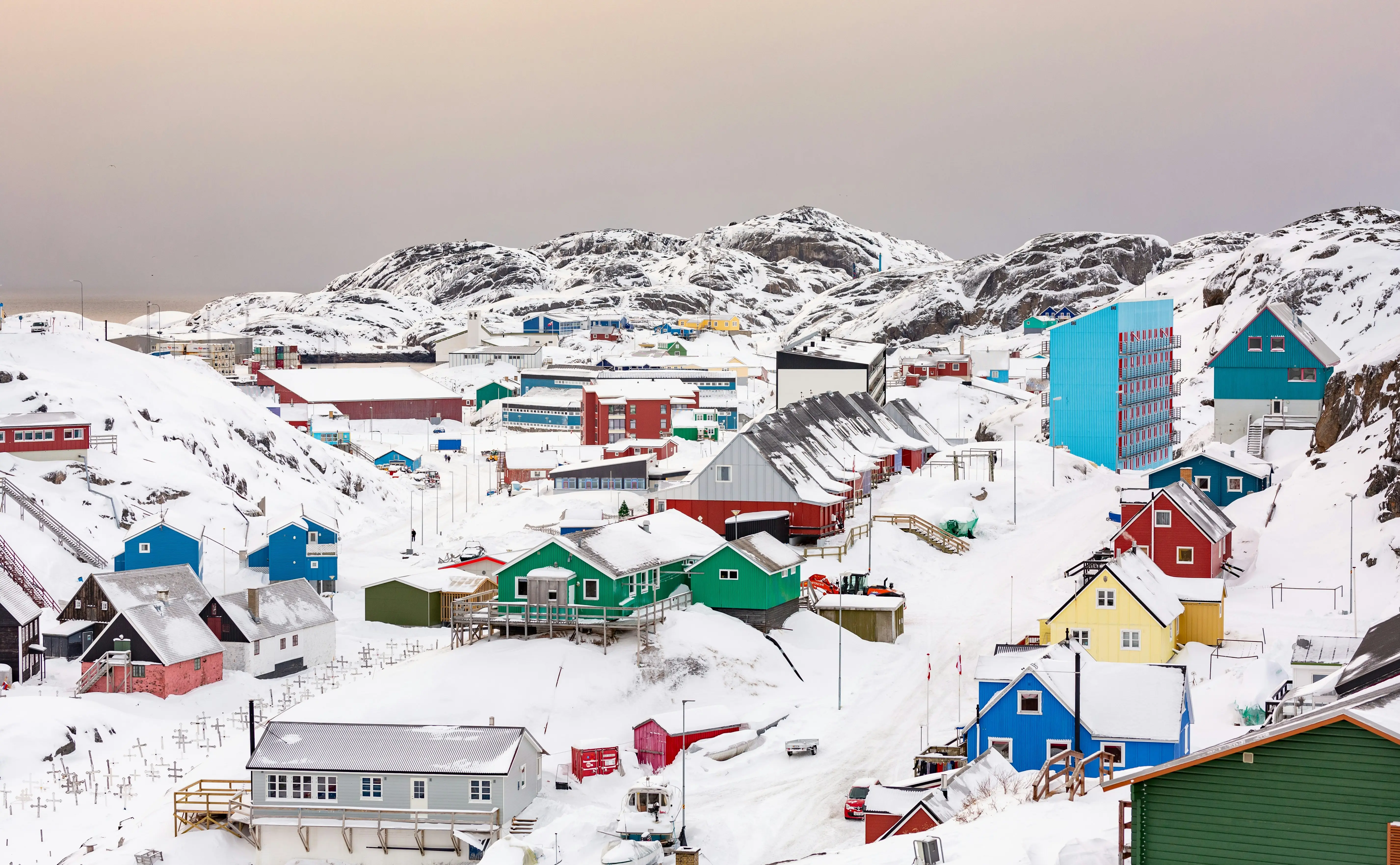
Monitoring Soviet naval movement
Control of the island allowed the US military to track Soviet submarines and ships moving through the North Atlantic sea lanes.
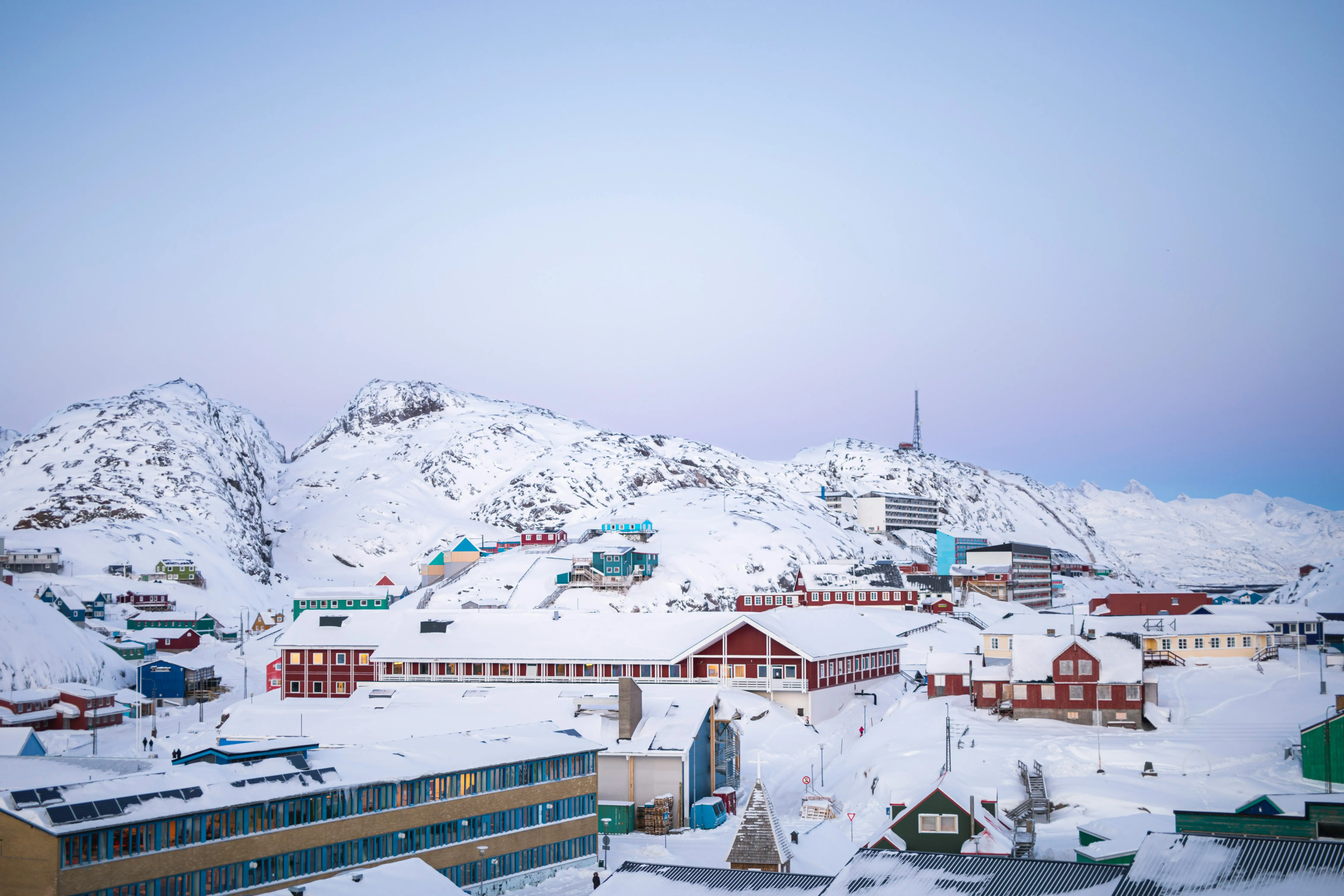
Permanent weather stations
The US sought to maintain weather stations on the island, which were critical for predicting flight conditions over the Atlantic and Europe.
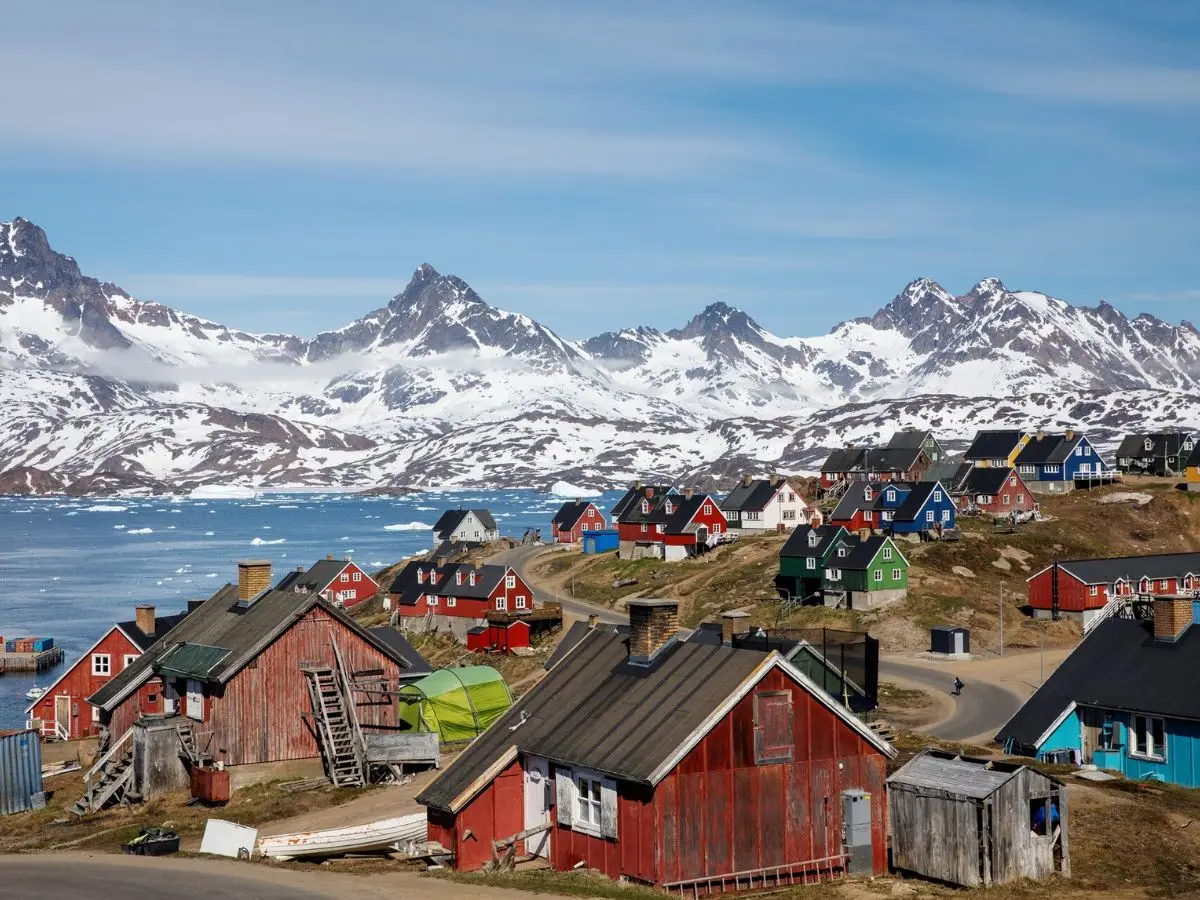
Staging for global missions
Greenland provided an ideal location for refueling aircraft, enabling longer-range reconnaissance missions during the early Cold War.
Securing natural resources
Beyond security, officials were interested in the island's potential mineral wealth, which they believed held significant future industrial value.
)

)
)
)