Why the Su-57 fighter jets cannot reach orbit like rockets?

The Su-57 can soar high in Earth’s sky, but it cannot reach orbit. Jet engines need air, so only rockets can escape to space. Know what can happen if it try to climb too high.
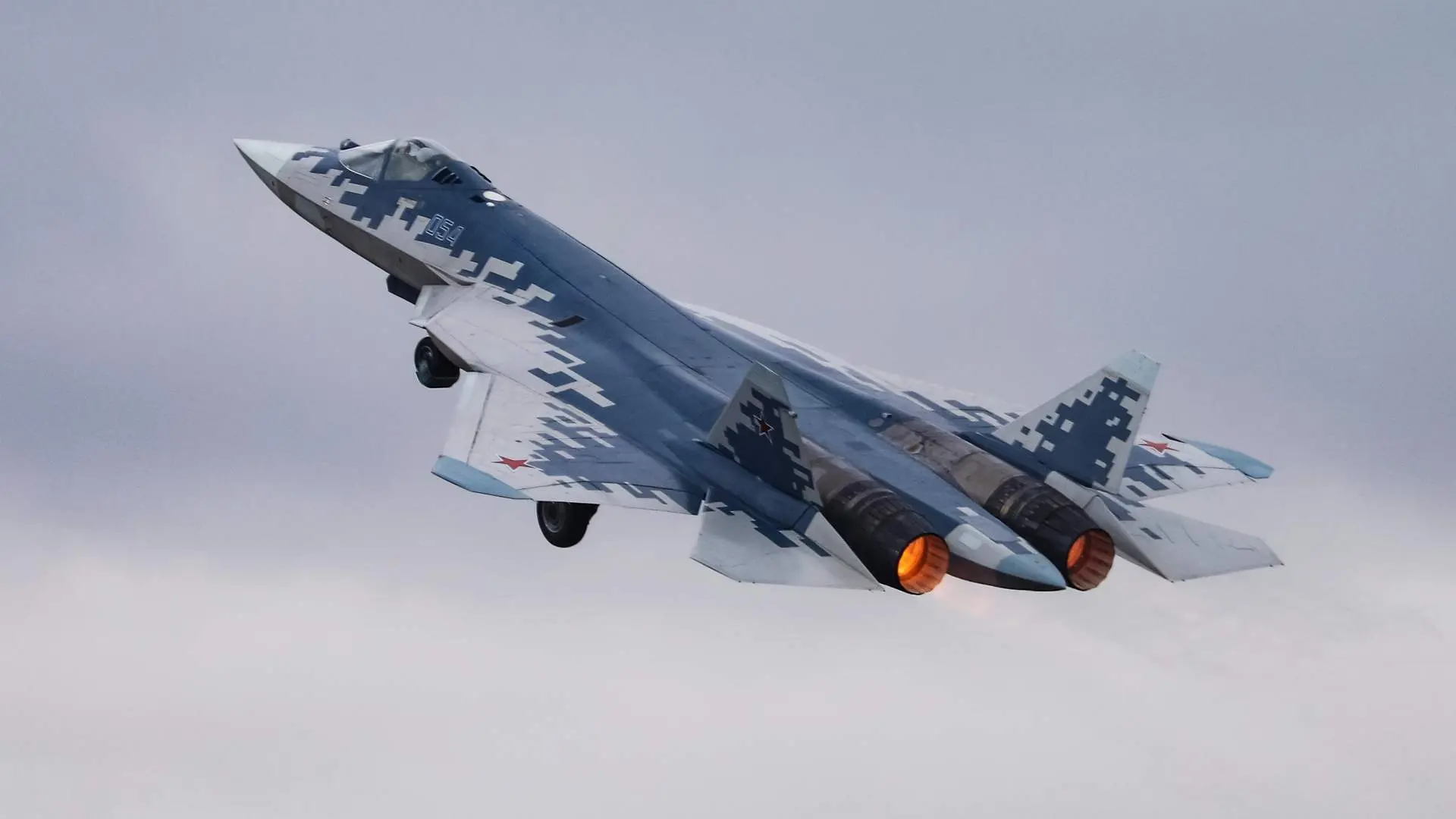
How high can the Su-57 fly?
The Su-57 stealth fighter, powered by two AL-41F1 turbofan engines, can reach a maximum altitude of about 20,000 metres (65,000 feet). This is far below the edge of space, known as the Kármán line at 100,000 metres (328,000 feet). For comparison, commercial jets cruise at roughly 10,000 metres.
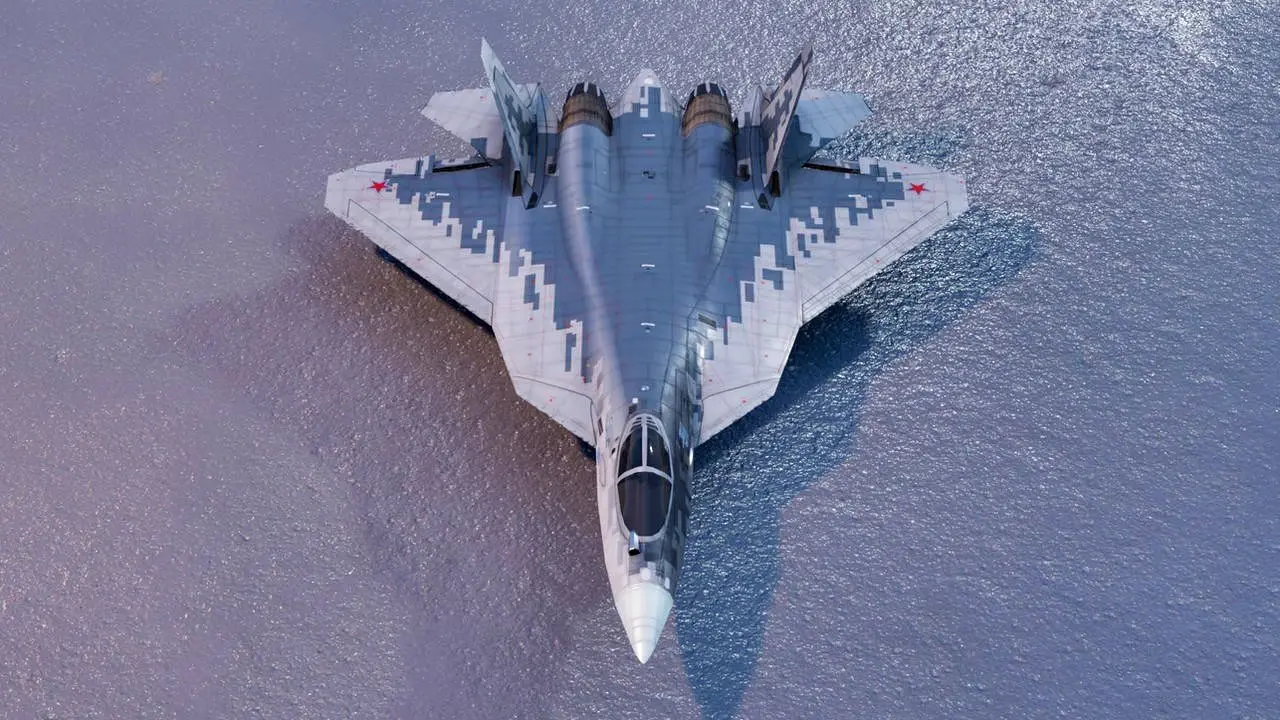
Jet engine vs rocket engine spot the difference
Jet engines work by sucking in air, mixing it with fuel, and burning the mix to create thrust. Rockets, on the other hand, carry both oxygen and fuel, so they do not rely on the air and can work in space where there’s no atmosphere.
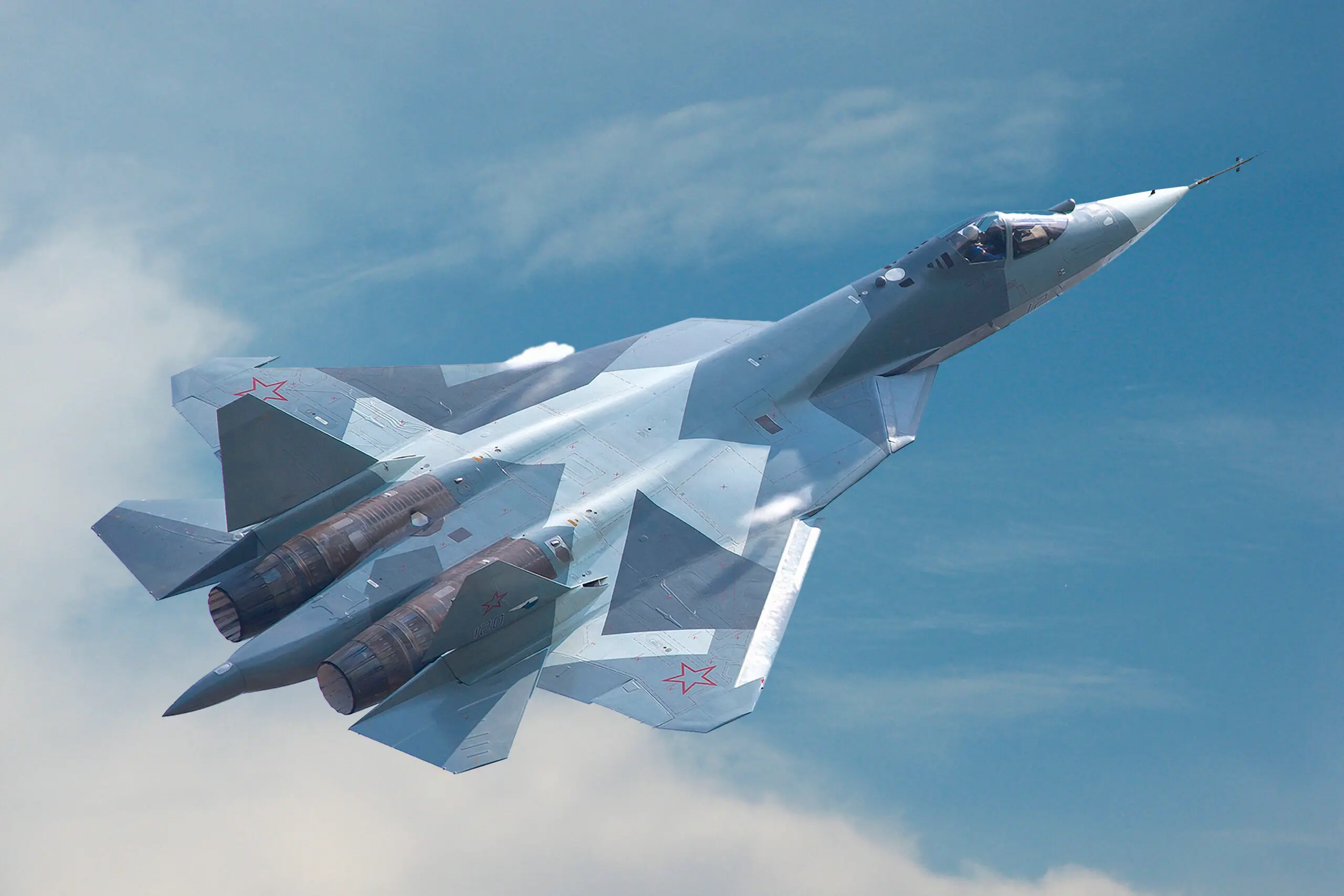
No air, no go Why jets stop climbing
As a jet climbs, the air gets thinner. At some point usually just above 20,000 metres there isn’t enough oxygen for the engines to keep burning fuel. Above this, the Su-57 would lose thrust and eventually stall.
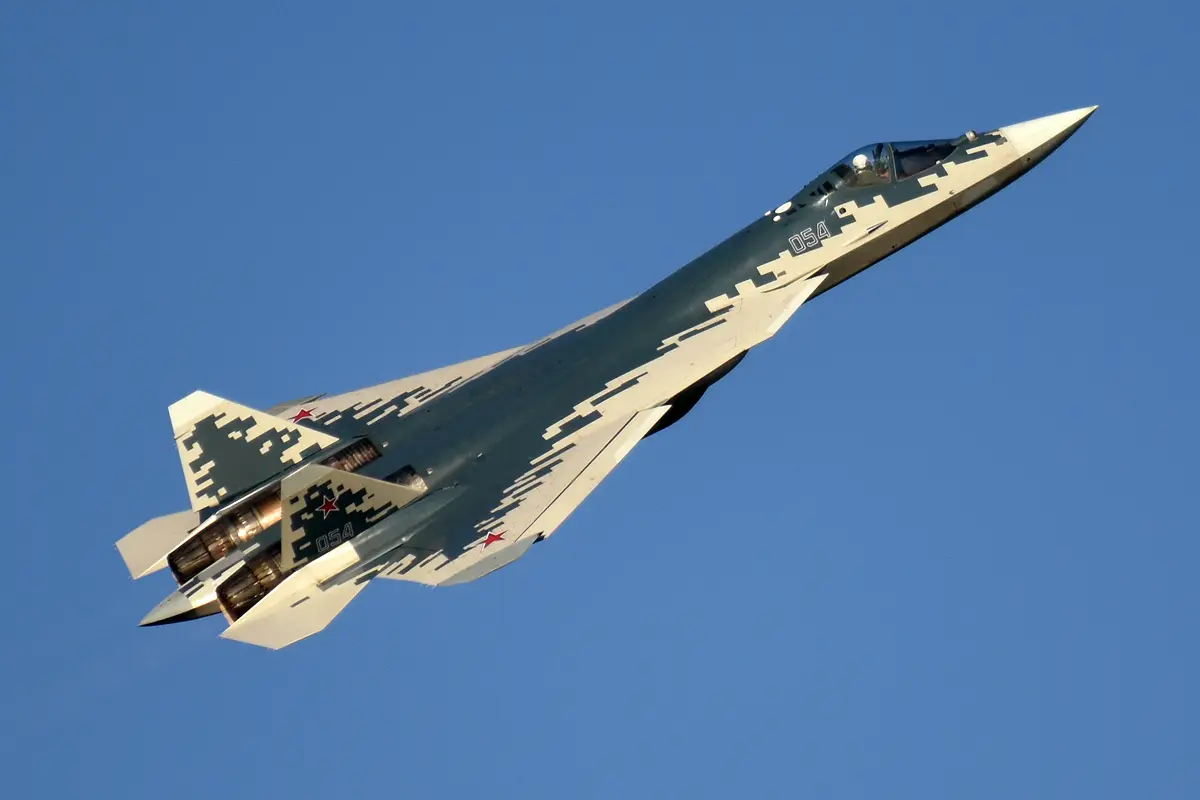
Rockets climb where jets cannot
Rockets produce much more thrust and are made to work in space. They can easily pass the 100,000-metre Kármán line and reach orbit, as all fuel and oxidiser is on board. Jet engines simply cannot do this without oxygen from the atmosphere.
Lift and speed another big problem
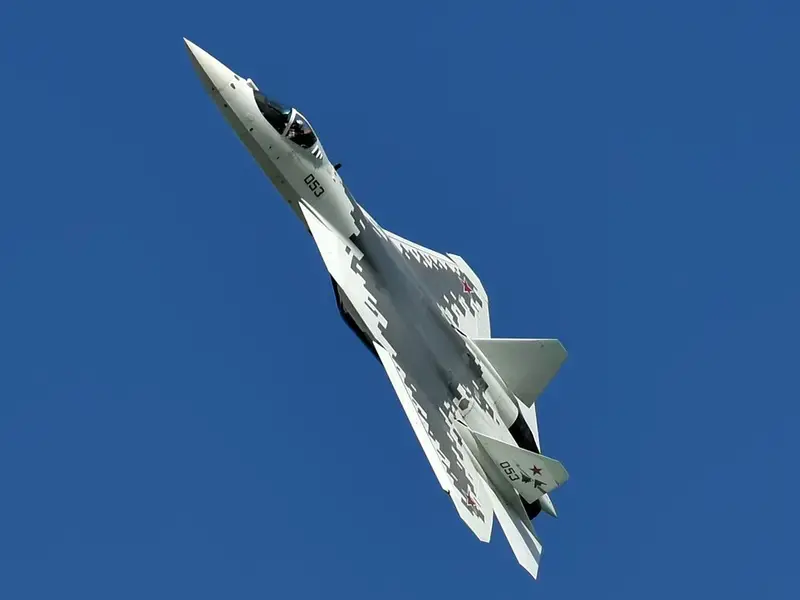
Besides engine issues, wings only work when there is air. As the Su-57 climbs higher, the air thins out and lift vanishes. This means a jet cannot just “fly higher” and escape into space, even with unlimited fuel.
Altitude records and what happens if jets push too far
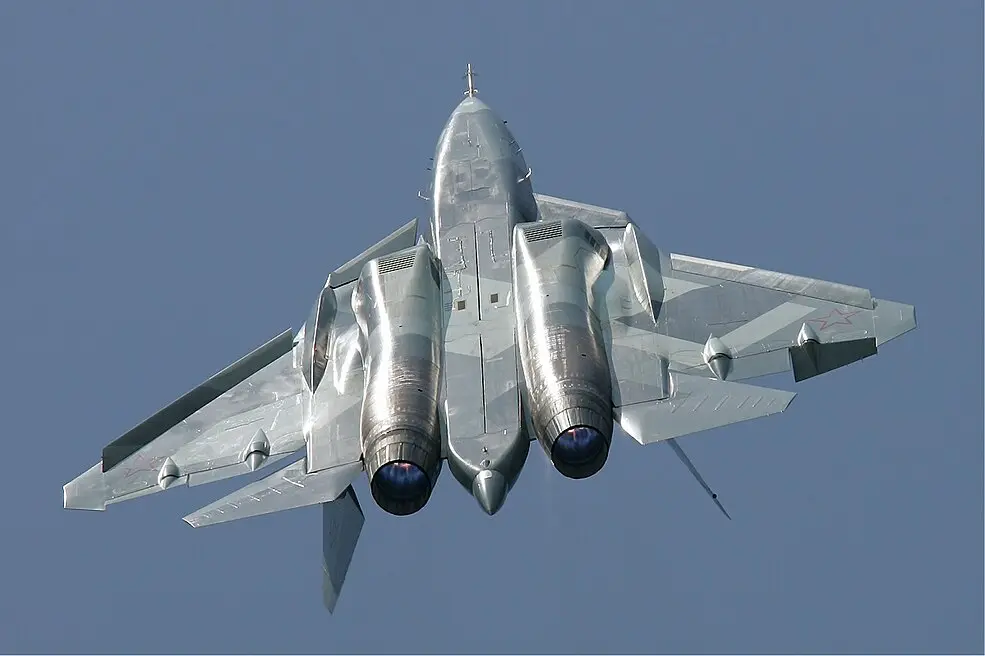
The highest altitude reached by a jet aircraft is around 37,650 metres (123,500 feet) by a specially modified MiG-25. This is still not even half the way to space. If the Su-57 tried to go higher, its engines would flame out and the plane would stall or fall.
Why fighter jets can’t reach orbit
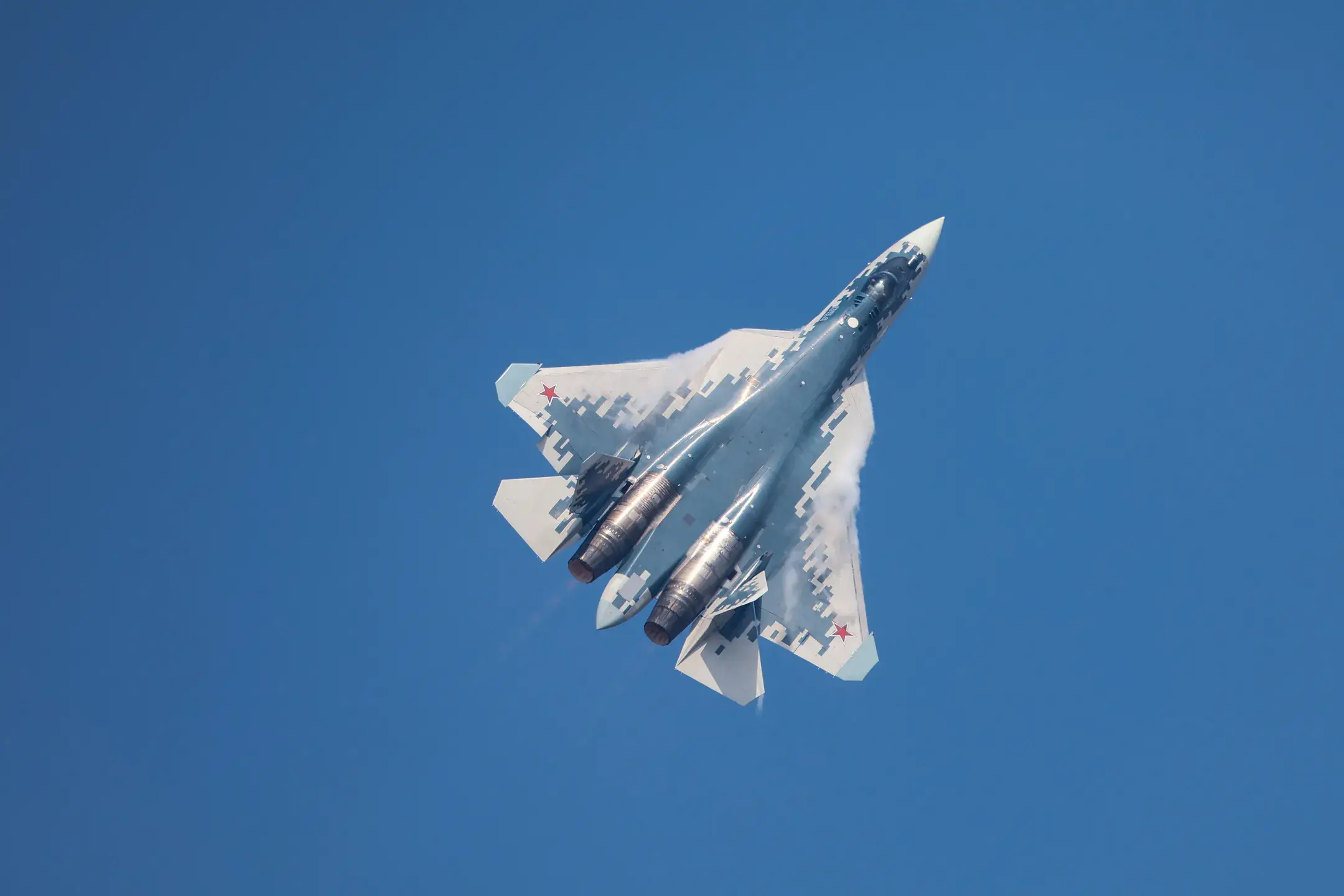
The Su-57 is a top-end combat jet for Earth's skies, but it cannot get close to space. Rocket engines, requiring self-contained oxygen, and specially designed spacecraft are needed to reach orbit.
)
)
)
)
)