Why the Su-57 could change the future of air combat forever

Russia’s Su-57 combines AI co-pilot help, advanced sensors, new stealth techniques, and drone teaming. This jet could change air combat by shifting the focus to info sharing, AI support, and flexible tactics. Read more below.
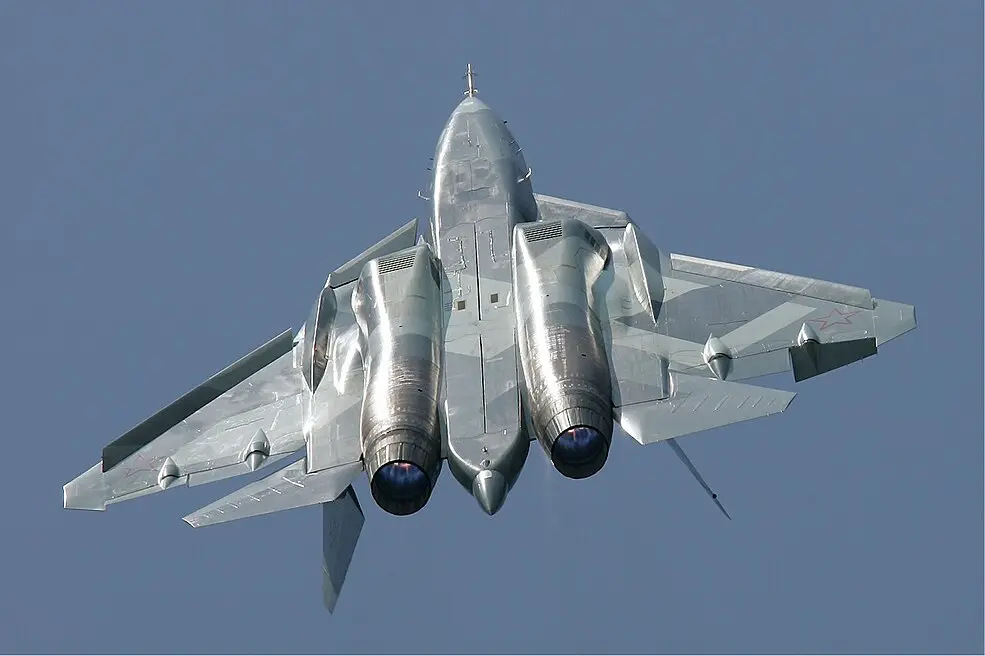
AI-enabled help for the pilot
The Su-57 includes an artificial intelligence system that acts like a virtual “co-pilot” in the cockpit. This AI triages threats, recommends suitable weapons, manages sensor data, and helps with flight profiles. According to Army Recognition and international defence analysts, this reduces workload and helps the human pilot focus on important decisions such as targeting and survival in stressful situations.
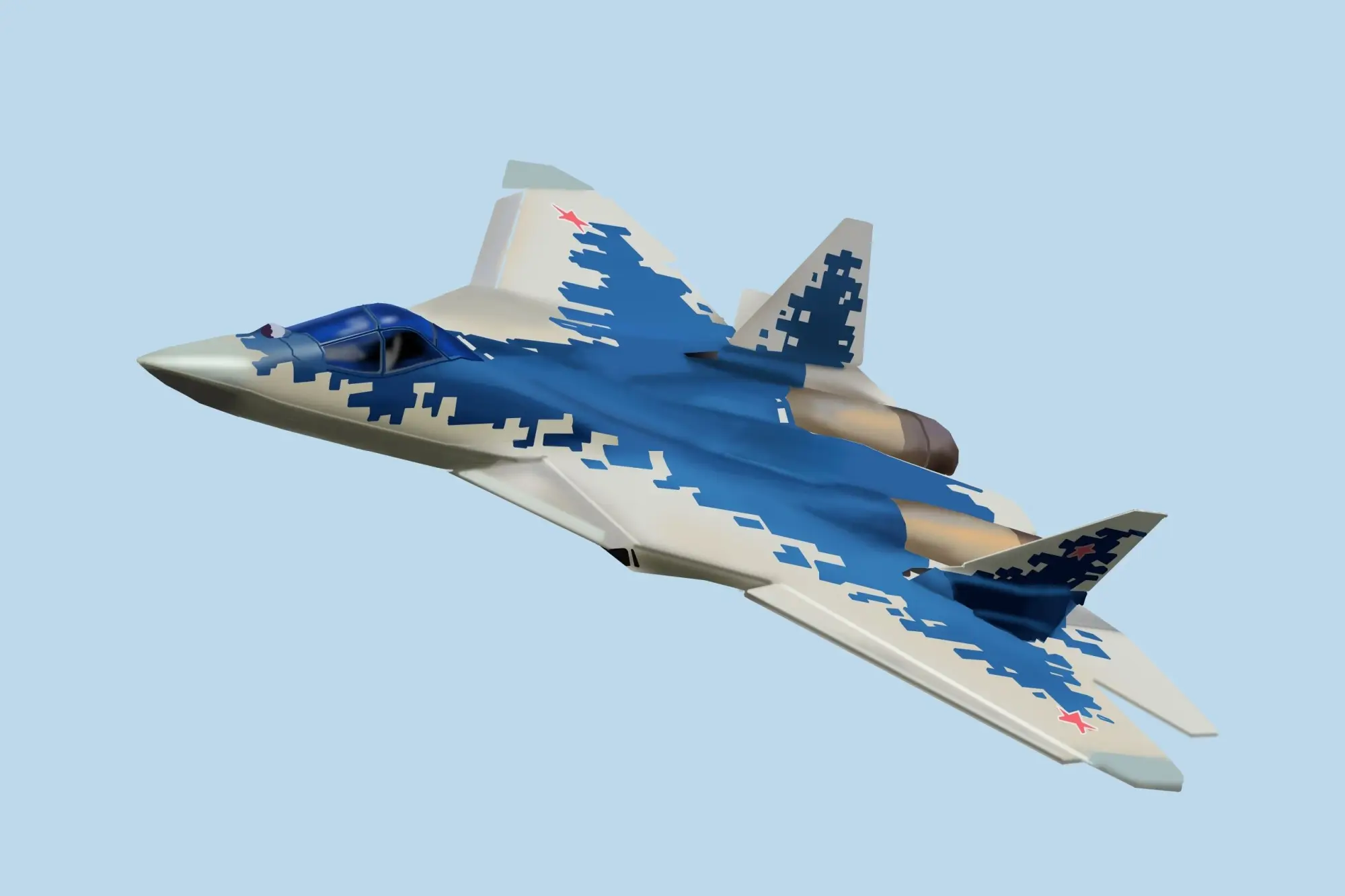
A network of sensors
The Su-57 uses several different sensors a large AESA radar in the nose, smaller side radars, and an infrared search and track (IRST) system for heat-tracking. Reports from 2025 say the front radar has a range of about 400 km for large aircraft and about 150 km for low-signature targets. These sensors are joined with data links that let the Su-57 send information to other jets and command centres, allowing it to track targets even if one sensor is jammed.
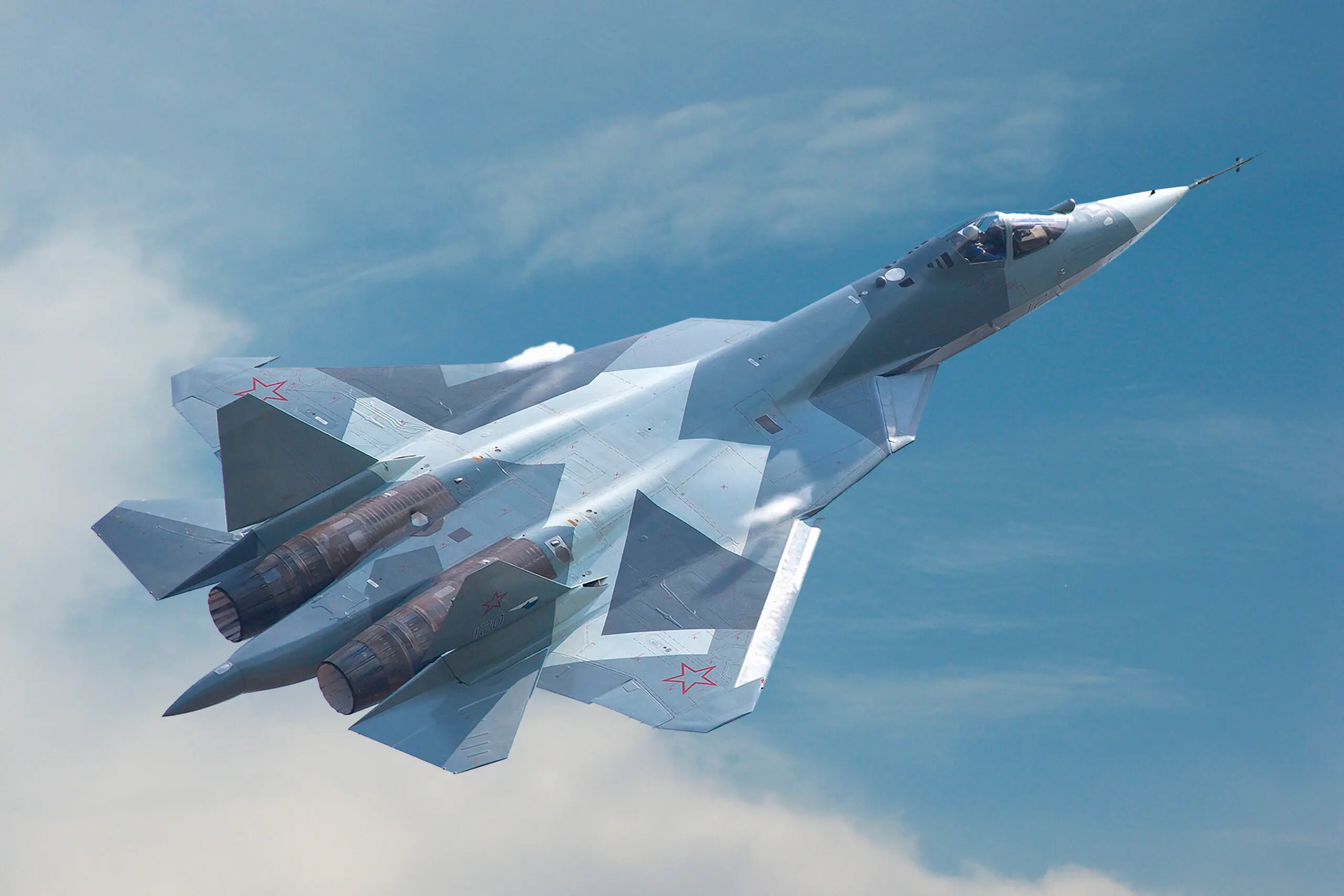
Stealth with remarkable agility
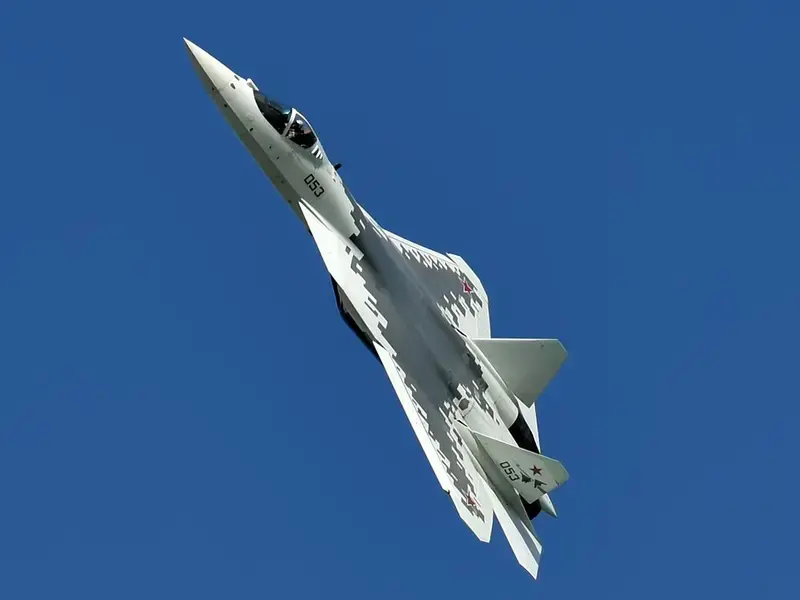
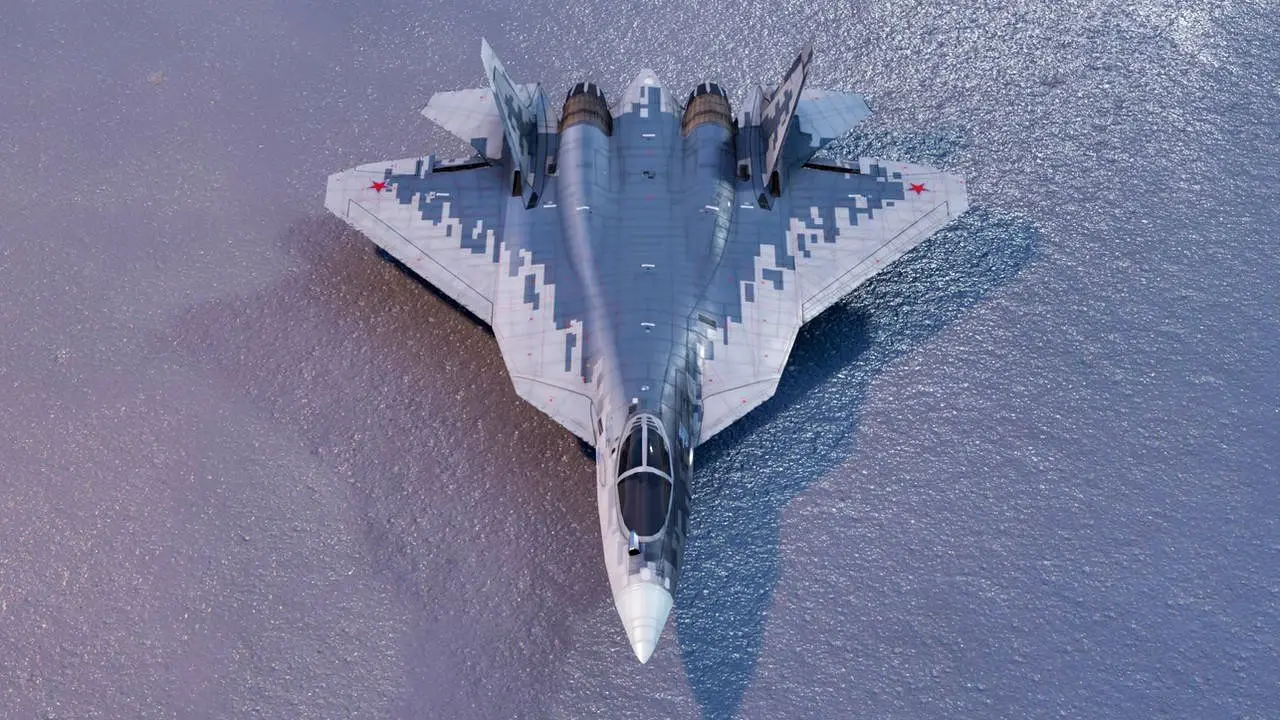
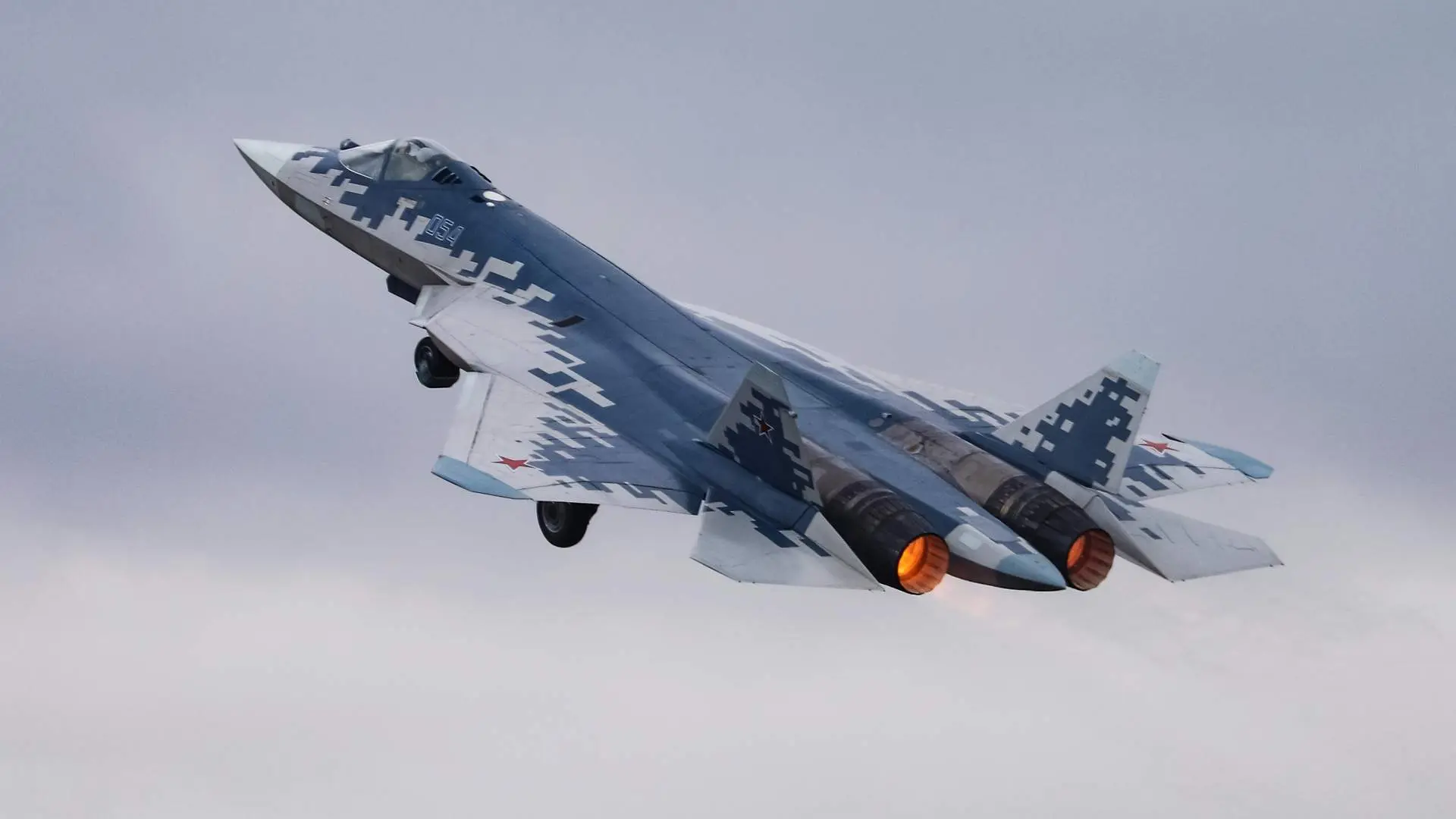
The Su-57 combines low observability (stealth) with high manoeuvrability. According to tests by Russian and independent defence experts, the jet is shaped to reflect radar waves away, uses internal weapons bays, and has special coatings. But unlike Western jets that mainly avoid being seen, the Su-57 also uses thrust-vectoring engines and special controls to outmanoeuvre threats, even at very low speeds.
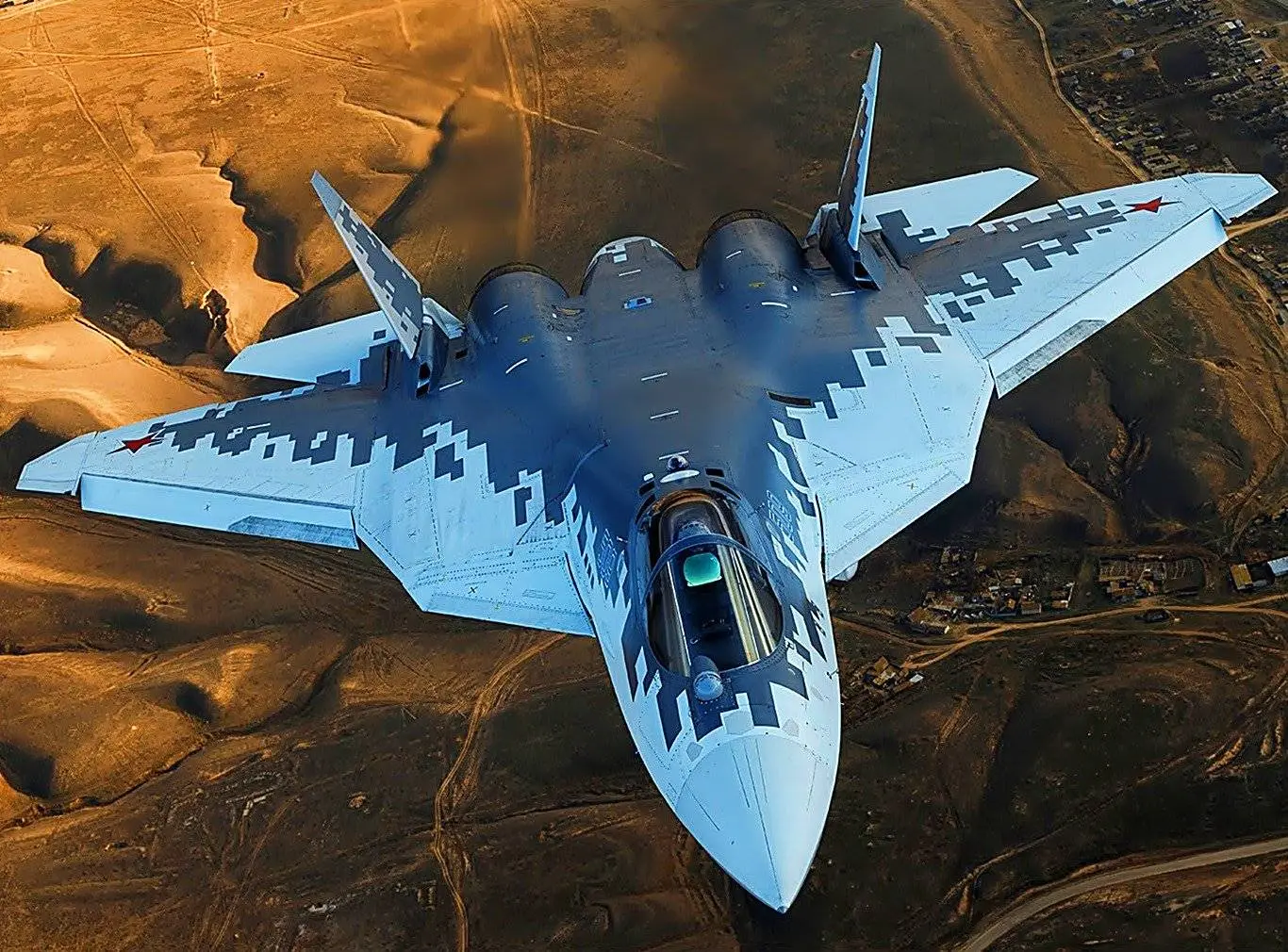
Next-generation radar concepts
Russian military sources confirm that the Su-57’s radar can switch its beam direction quickly and cover a wide viewing angle (called “electronic beam steering”). This means the jet can search for and track targets quietly, with less chance of being noticed by enemy sensors. These abilities make “passive” operations possible, where the jet uses information gathered without giving away its location.
Flexible weapons load
The Su-57’s internal bays can carry both air-to-air and air-to-ground weapons. Defence reports say these include active radar missiles, long-range interceptors, and precision-guided bombs. The jet can change its weapons quickly to suit different missions in the same sortie, enabling it to switch from air combat to ground attack as needed.
Teaming with drones
Recent demonstrations by Russia’s United Aircraft Corporation have shown the Su-57 commanding S-70 Okhotnik drones, which can carry extra missiles, monitor the skies, or act as decoys. Under this plan, the Su-57 becomes a flying command and control centre, sending instructions to drones to extend its reach or stay safe while attacking distant targets.
A fighter that forces new tactics
As the Su-57 blends AI, many types of sensors, stealth with agility, and teaming with drones, it pushes air forces to develop new countermeasures. According to Janes and Army Recognition, rivals will need better electronic warfare, counter-stealth tactics, and faster information sharing to keep up. The Su-57’s approach shows that future air combat will need more than just stealth or speed brains, teamwork, and flexibility may count the most.
)
)
)
)
)