Why the shape of the F-22 makes it almost invisible

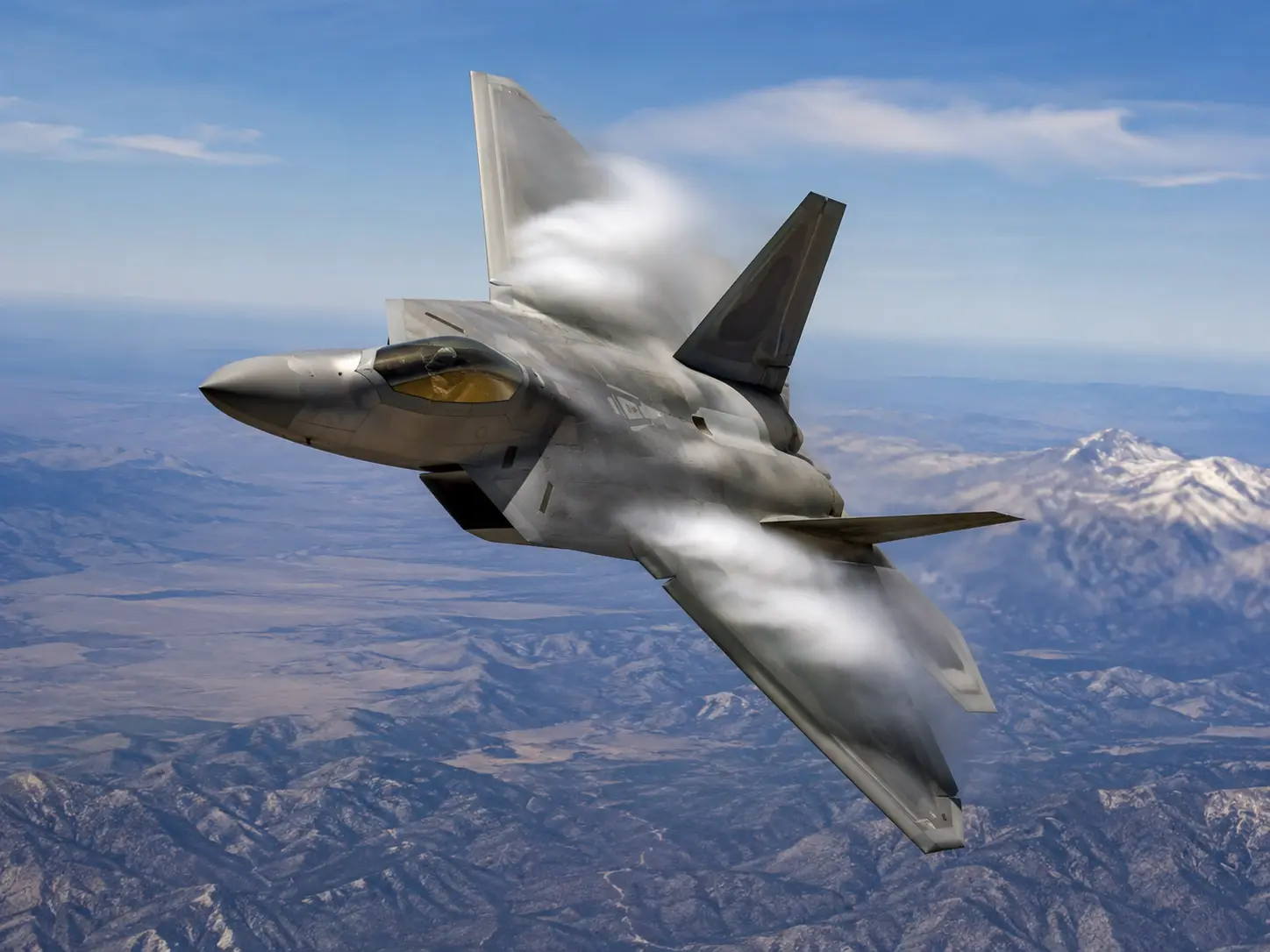
The F-22 Raptor uses a 42-degree wing sweep, 28-degree angled tails, and S-duct intakes to deflect radar waves. This unique structural geometry reduces its radar cross-section to 0.0001 square metres, ensuring total stealth in combat.
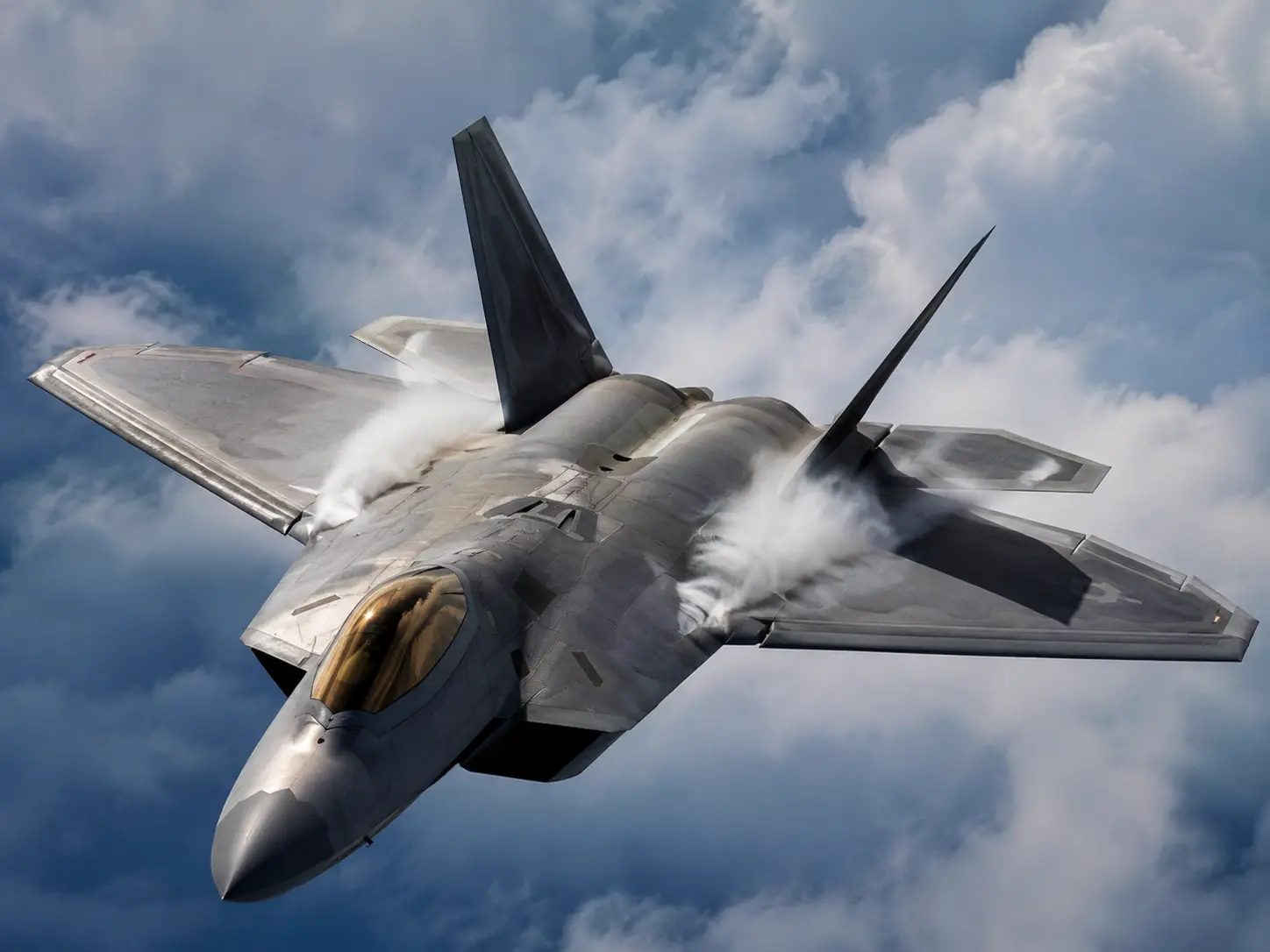
42-Degree Identical Wing Sweep
The main wings and tail surfaces of the Raptor share an exact 42-degree sweep angle. This strict edge alignment ensures that incoming radar waves are scattered in specific, harmless directions rather than bouncing directly back to the enemy receiver.
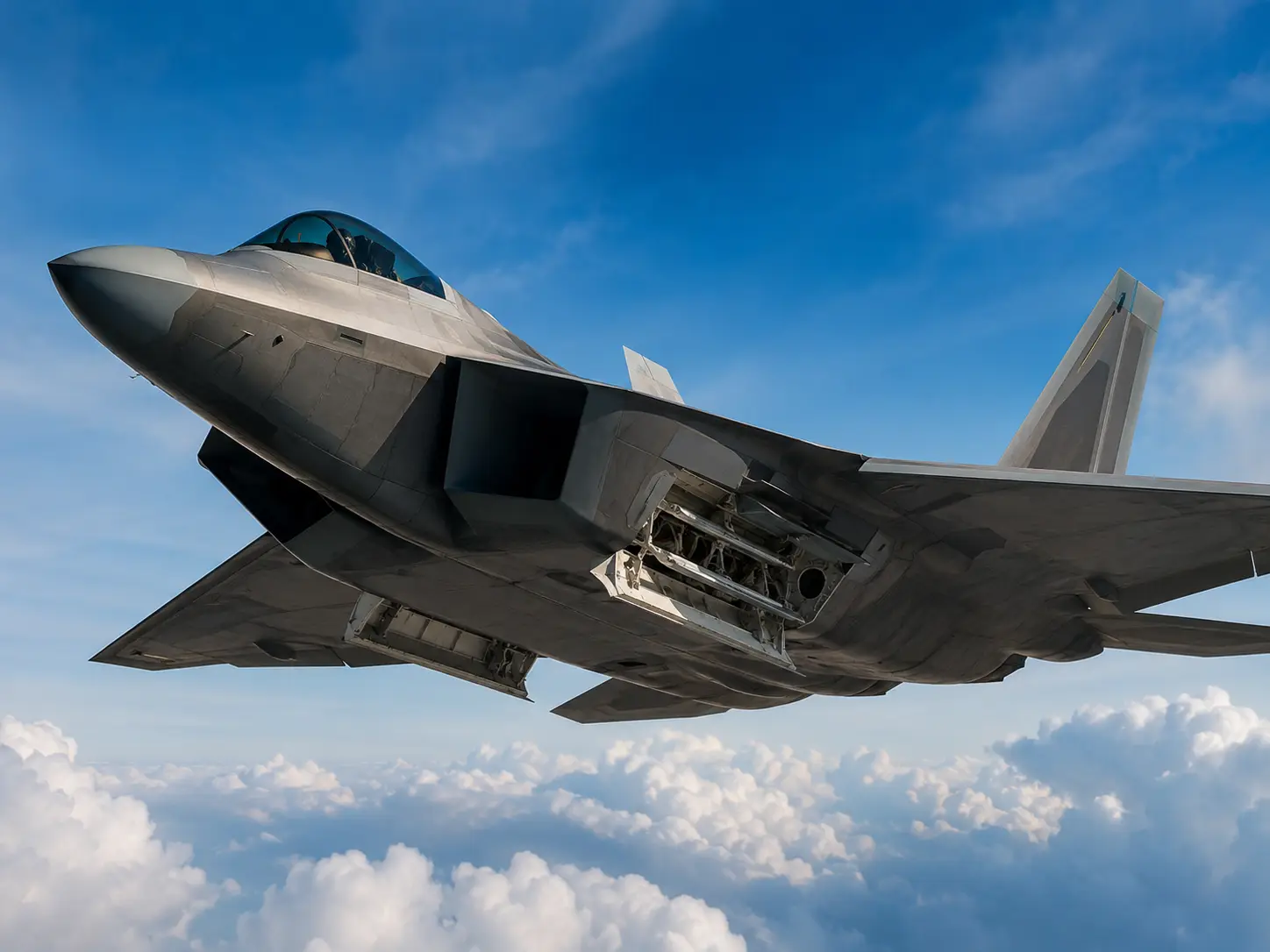
28-Degree Outward Angled Tails
Traditional fighter jets use vertical tail fins that create massive radar reflections. The F-22 features twin vertical stabilisers canted outward at 28 degrees, which prevents radar energy from forming a right angle with the main fuselage and disrupts tracking attempts.
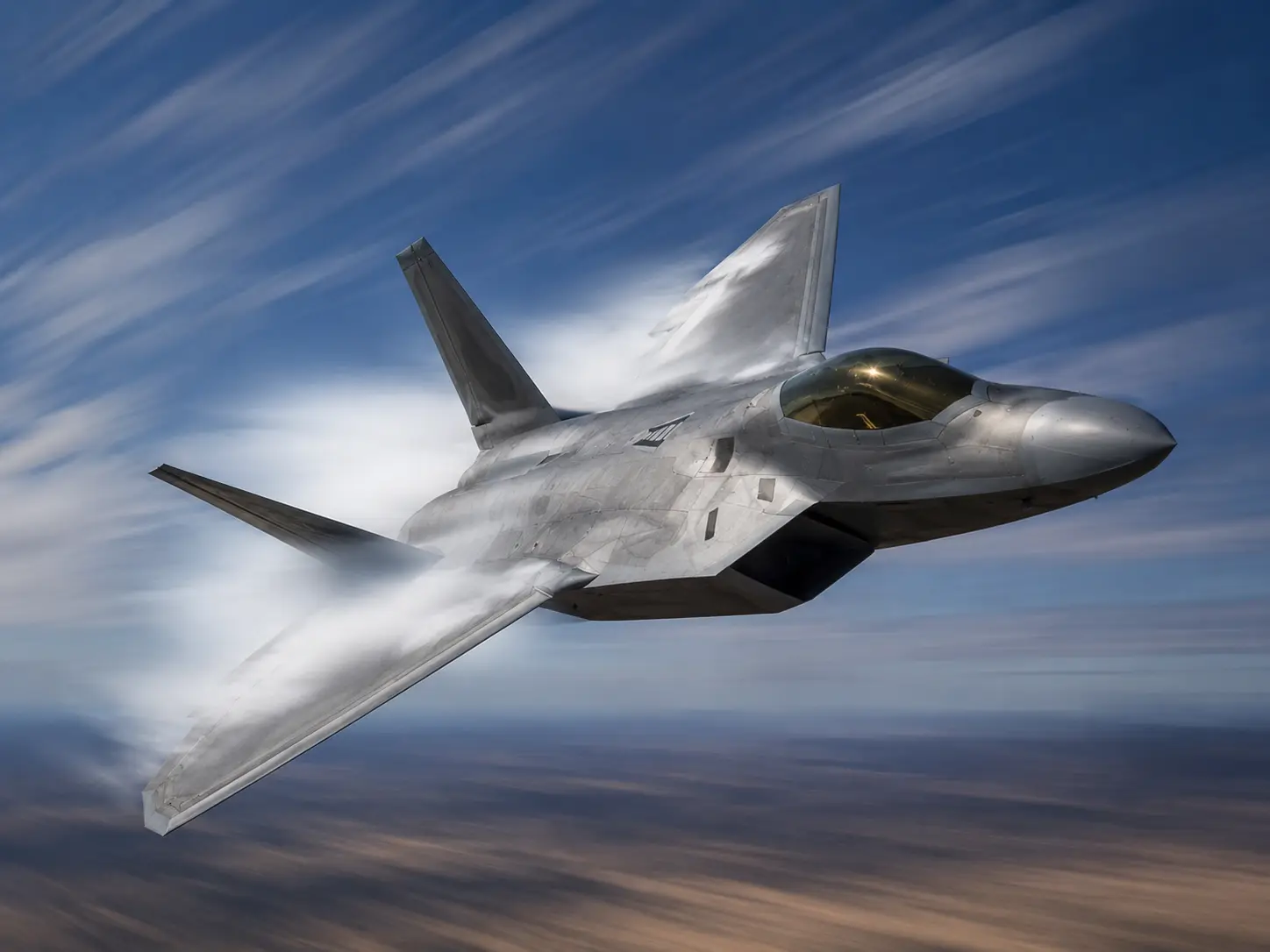
100 Per Cent Hidden Blades
Engine compressor blades act as massive spinning radar reflectors on conventional aircraft. To counter this, the F-22 uses serpentine S-duct air intakes that curve sharply inward, completely hiding the engine faces from a direct radar line of sight.
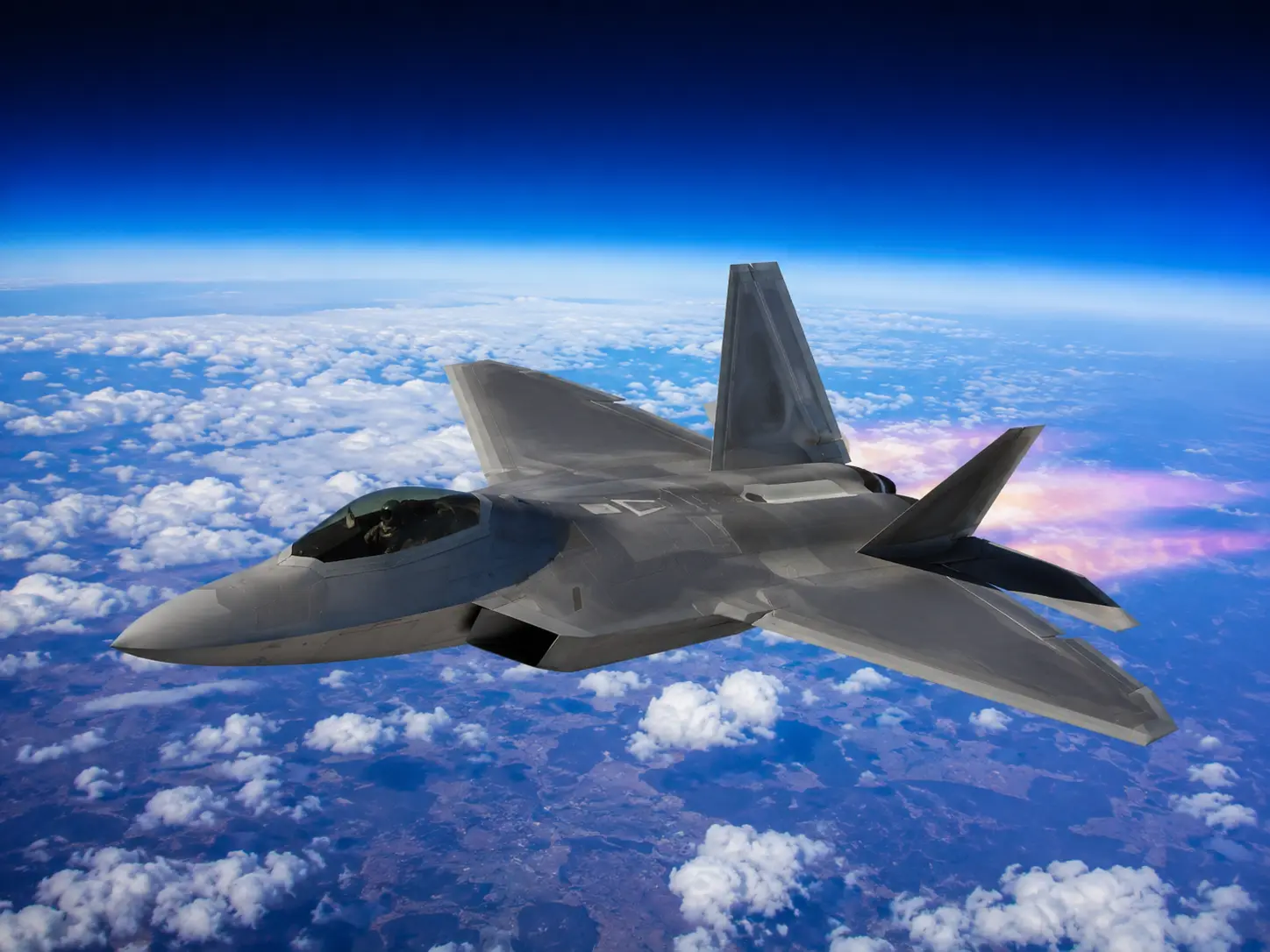
0.0001 Sq Metre Radar Profile
By eliminating sharp junctions and using continuous curvature blends, the aircraft maintains a radar cross-section of just 0.0001 square metres. This remarkably smooth structural geometry makes the 19-metre fighter appear no larger than a bumblebee on enemy screens.
3 Sawtooth Door Panel Designs
Every opening on the aircraft, including the landing gear and weapon bay doors, features distinct zigzag or sawtooth edges. These serrated structural shapes break up electrical surface currents and scatter remaining electromagnetic energy away from hostile sensors.
)
)
)
)
)